
The Ultimate Guide To Coverlet Quilts: History, Types, And Uses
Coverlet quilts have their origins in early America, where they were made by hand as a practical and decorative addition to the home. These traditional coverlet quilts were often made from wool or cotton and featured simple, geometric patterns. Some of the most common types include: Patchwork coverlet quilts are made by sewing together small pieces of fabric, known as patches, to create a larger design
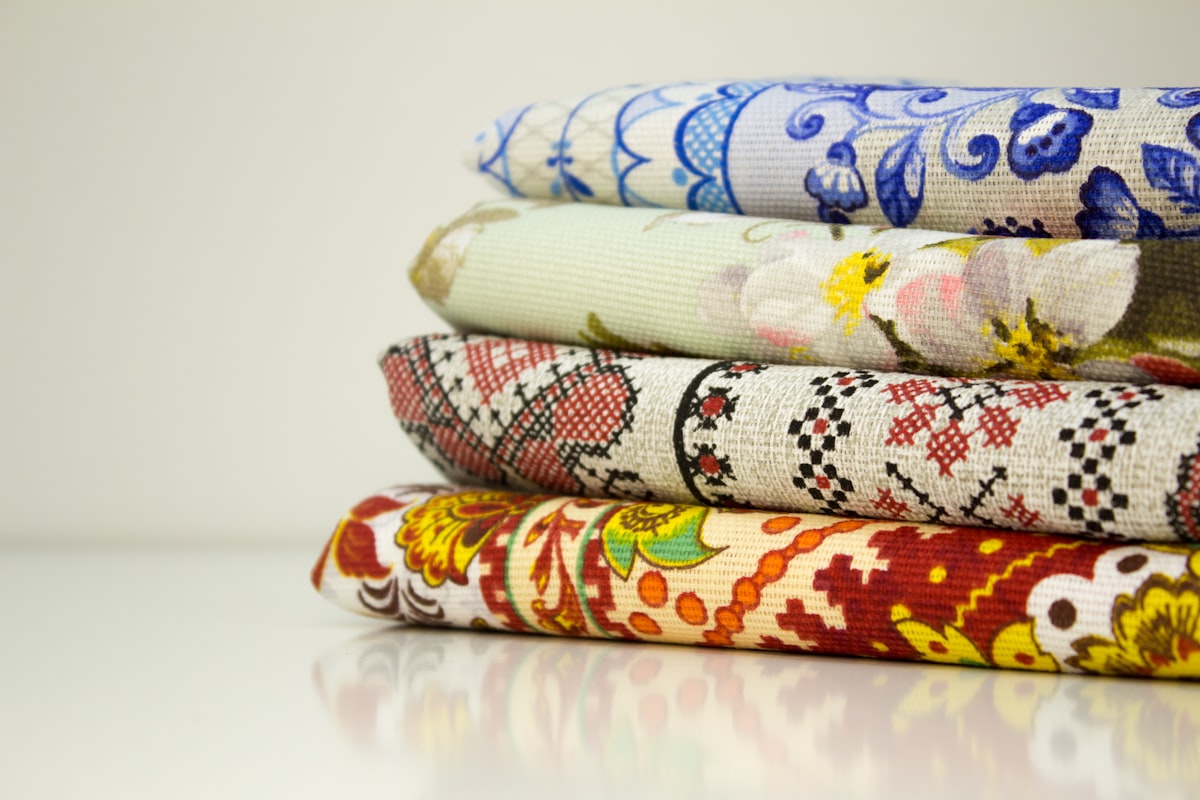
The Ultimate Guide to Coverlet Quilts: History, Types, and Uses
What is a Coverlet Quilt?
A coverlet quilt is a lightweight and decorative bedding layer typically placed over a bedspread or duvet cover. Known for their warmth, style, and functionality, coverlet quilts are a popular bedding element in both casual and formal settings.
History of Coverlet Quilts
Coverlet quilts have a rich and diverse history, dating back to the 19th century. Early coverlet quilts were often handmade by women and featured intricate designs and fabrics. As manufacturing processes evolved, coverlet quilts became more accessible and became a staple in bedrooms worldwide.
Types of Coverlet Quilts
1. Traditional Coverlet Quilts:
- Classic, hand-quilted designs.
- Often feature intricate patterns and vibrant colors.
2. Modern Coverlet Quilts:
- Sleek and minimalist styles.
- Feature contemporary designs and high-quality fabrics.
3. Fleece Coverlet Quilts:
- Soft and cozy.
- Ideal for colder climates and cozy bedrooms.
4. Fabric Coverlet Quilts:
- Lightweight and breathable.
- Made from natural or synthetic fibers.
5. Personalized Coverlet Quilts:
- Custom-designed with your choice of fabrics and patterns.
- Offers a unique and personalized touch to the bedroom.
Uses of Coverlet Quilts
- Decorative Enhancement: Coverlet quilts add aesthetic appeal to the bedroom.
- Extra Warmth: In colder climates, a coverlet quilt can provide an additional layer of warmth.
- Protection: Coverlet quilts protect bedspreads from dust, stains, and wear.
- Layering: Use a coverlet quilt as an extra layer under a duvet cover or bedspread.
Tips for Choosing a Coverlet Quilt
- Consider the climate and bedroom temperature.
- Choose a fabric that is comfortable and breathable.
- Consider the size of your bed.
- Opt for high-quality craftsmanship and attention to detail.
Conclusion
Coverlet quilts are versatile and stylish bedding elements that can enhance the aesthetic and functionality of your bedroom. With a wide range of types and uses available, you can choose a coverlet quilt that perfectly complements your individual style and needs.
The Ultimate Guide to Coverlet Quilts: History, Types, and Uses
What is a Coverlet Quilt: Definition and Origins
A coverlet quilt is a type of bed covering that is woven or quilted together to create a decorative and functional piece, often used to add warmth and aesthetic appeal to a bedroom. Coverlet quilts have a long history that dates back to the 18th century in America. During this time, coverlets were used to add an extra layer of warmth to beds, especially in colder climates. The word 'coverlet' is derived from the English word 'cover' and the suffix '-let', which means a smaller or diminutive form. In the context of quilting, a coverlet refers to a lightweight quilt that is designed to cover a bed rather than provide heavy insulation.
History of Coverlet Quilts
Coverlet quilts originated in the Midwestern United States, where they were made by early American settlers. The art of coverlet-making was often passed down through generations, with each family developing their own unique patterns and techniques. The Great Revival of the late 18th and early 19th centuries saw a resurgence in the popularity of coverlet quilts, as people began to focus on creating items that were both beautiful and functional.
Types of Coverlet Quilts
There are several different types of coverlet quilts, each with their own unique characteristics and characteristics. Some of the most common types of coverlet quilts include:
Whitework Coverlets
Whitework coverlets are made using white thread on a white background, creating a stunning contrast that highlights the intricate stitching. Whitework coverlets were highly prized in the 18th and 19th centuries, as they required a great deal of skill and patience to create.
Marseilles Coverlets
Marseilles coverlets are made using a type of weaving called 'jacquard', which creates a woven design on the coverlet. Marseilles coverlets are known for their intricate designs and motifs, which often include flowers, leaves, and other natural elements.
Jacquard Coverlets
Jacquard coverlets are made using a special type of loom called a jacquard loom. This loom allows for the creation of intricate designs and patterns, which are woven directly into the coverlet.
Uses for Coverlet Quilts
In addition to their decorative appeal, coverlet quilts have a number of practical uses. Some of the most common uses for coverlet quilts include:
Bed Covering
Coverlet quilts are often used as a bed covering, adding an extra layer of warmth and comfort to a bed. They can be used on their own or layered over other bedding for added warmth.
Throws and Blankets
Coverlet quilts can also be used as throws and blankets, adding a touch of warmth and comfort to a room.
Wall Hangings
Coverlet quilts can be hung on walls as a decorative piece, adding a touch of elegance and sophistication to a room.
Overall, coverlet quilts are a beautiful and versatile type of bed covering that can add warmth, beauty, and functionality to any room.
The Ultimate Guide to Coverlet Quilts: History, Types, and Uses
History of Coverlet Quilts: From Traditional to Modern Designs
What is a Coverlet Quilt?
A coverlet quilt is a type of bed covering that has been popular for centuries. It is a lighter alternative to a traditional quilt, often made with only one layer of fabric instead of the typical three layers (top, batting, and backing) found in a traditional quilt.
Traditional Designs
Coverlet quilts have their origins in early America, where they were made by hand as a practical and decorative addition to the home. These traditional coverlet quilts were often made from wool or cotton and featured simple, geometric patterns. Some of the most common traditional designs include the basket weave, stripes, and checkerboard patterns.
As the Industrial Revolution took hold, coverlet quilts became more widely available and could be made using a variety of materials, such as silk and velvet. The invention of the Jacquard loom also allowed for more intricate patterns and designs to be woven into the fabric.
Modern Designs
Today, coverlet quilts continue to be a popular choice for bedding, and modern designs have evolved to incorporate a wide range of styles and materials. From bright, bold patterns to soft, neutral tones, there is a coverlet quilt to suit every taste.
In addition to traditional patterns, modern coverlet quilts often feature more abstract designs, such as floral patterns, plaids, and geometric shapes. They can also be made from a variety of materials, including cotton, linen, and synthetic fibers.
Types of Coverlet Quilts
Woven Coverlet Quilts
Woven coverlet quilts are made using a loom, which weaves together strips of fabric to create a single layer. These coverlet quilts are often made from natural fibers, such as wool or cotton, and are characterized by their tight, even weave. Woven coverlet quilts are known for their durability and warmth, making them a popular choice for colder months.
Patchwork Coverlet Quilts
Patchwork coverlet quilts are made by sewing together small pieces of fabric to create a larger design. These coverlet quilts can be made from a variety of materials, including cotton, linen, and synthetic fibers. Patchwork coverlet quilts are often characterized by their intricate patterns and bright, playful colors.
Tied Coverlet Quilts
Tied coverlet quilts are similar to patchwork coverlet quilts, but instead of sewing the pieces of fabric together, they are tied together using yarn or thread. This creates a warm, cozy quilt that can be easily washed and dried. Tied coverlet quilts are often made from natural fibers, such as wool or cotton, and are known for their rustic, homespun aesthetic.
Uses of Coverlet Quilts
Coverlet quilts are a versatile and functional addition to any home. Here are a few ways to use a coverlet quilt:
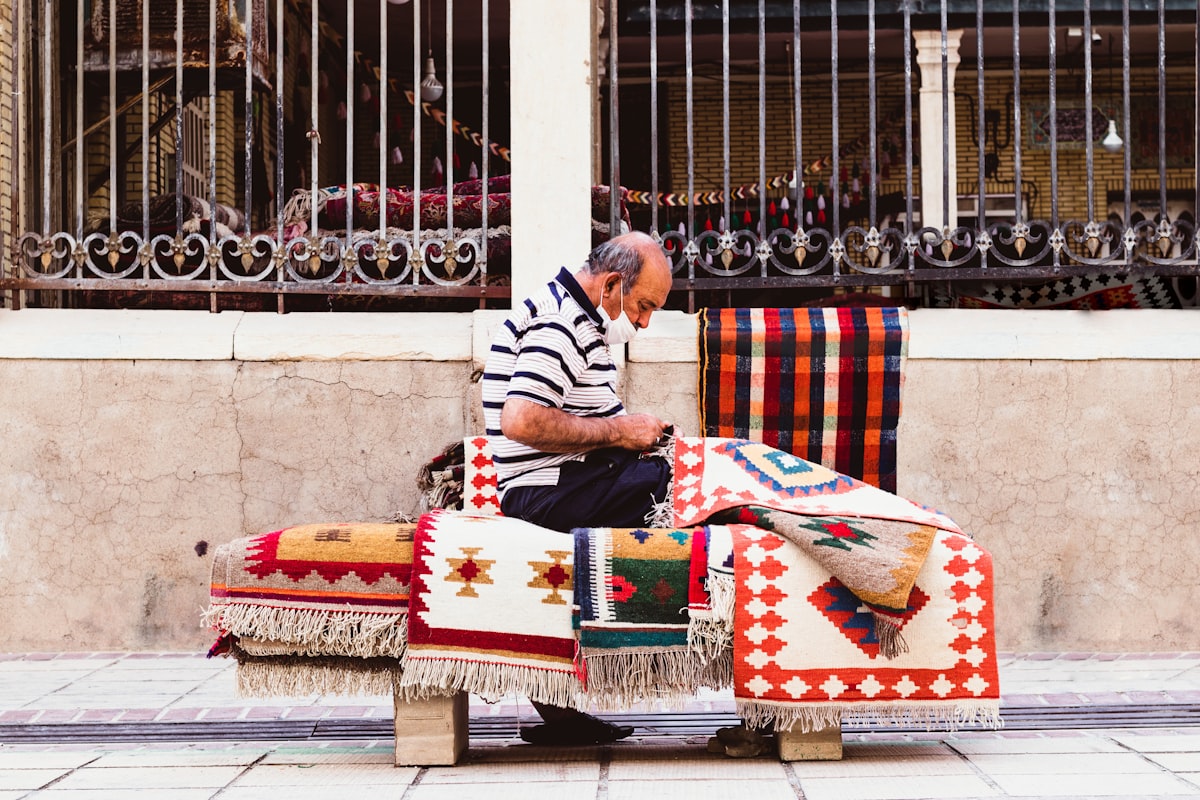
- As a bedspread: Coverlet quilts are perfect for warmer months when a heavy quilt might be too much. They can be used on their own or layered with a blanket for added warmth.
- As a decorative accent: Coverlet quilts can be used as a decorative accent on a bed or sofa. They are lightweight and easy to move, making them a great option for changing up the look of a room.
- As a tablecloth: Coverlet quilts can be used as a tablecloth for a casual, rustic look. Simply spread it out over a table and add some candles or flowers for a cozy, inviting atmosphere.
In conclusion, coverlet quilts are a beautiful and functional addition to any home. From traditional woolen quilts to modern, abstract designs, there is a coverlet quil
The Ultimate Guide to Coverlet Quilts: History, Types, and Uses
Types of Coverlet Quilts: Patchwork, Appliqué, and More
What is a coverlet quilt? A coverlet quilt is a type of quilt that has been around for centuries, originating in Europe and later becoming popular in America. It's known for its unique design, construction, and uses. In this guide, we'll delve into the history of coverlet quilts, explore different types such as patchwork and appliqué, and discuss their various uses.
History of Coverlet Quilts
Coverlet quilts have a rich history dating back to the 18th century in Europe. They were initially used as bed coverings, hence the name "coverlet." These early quilts were often made with wool or linen and filled with down feathers or wool batting. The popularity of coverlet quilts spread across the Atlantic Ocean to America, where they became an essential part of home decor and warmth during the harsh winter months.
Types of Coverlet Quilts
There are several types of coverlet quilts, each with its own unique characteristics and construction methods. Some of the most common types include:
Patchwork Coverlet Quilts
Patchwork coverlet quilts are made by sewing together small pieces of fabric, known as patches, to create a larger design. This type of quilt can be very versatile, as it allows quilters to use a variety of fabrics and patterns to create a unique and personalized design. Patchwork coverlet quilts can range from simple to complex, depending on the number of patches and the intricacy of the design.
Appliqué Coverlet Quilts
Appliqué coverlet quilts feature decorative designs or patterns cut out from one piece of fabric and sewn onto another. This technique allows quilters to create intricate designs and patterns without having to piece together multiple patches. Appliqué coverlet quilts can be used to showcase specific themes or motifs, such as flowers, animals, or geometric shapes.
Whole Cloth Coverlet Quilts
Whole cloth coverlet quilts are made from a single piece of fabric, which is then quilted to create a decorative design. This type of quilt is often used to showcase beautiful fabrics, such as printed cottons or wools. Whole cloth coverlet quilts can be simple or complex, depending on the quilting pattern and the choice of fabric.
Uses of Coverlet Quilts
Coverlet quilts have several uses beyond just being a decorative bed covering. Some common uses include:
Bed Coverings
As mentioned earlier, coverlet quilts were originally used as bed coverings. They provide warmth during the winter months and can add a touch of elegance to any bedroom. Coverlet quilts can be used on their own or layered with other bedding for added comfort and style.
Wall Hangings
Coverlet quilts can also be used as wall hangings, adding a unique touch to any room in your home. This is especially true for quilts featuring intricate designs or patterns, as they can serve as a focal point in a room.
Throws and Blankets
Smaller coverlet quilts can be used as throws or blankets, providing warmth and comfort on chilly evenings. They can be draped over a sofa or armchair, or used to keep warm while watching a movie or reading a book.
Table Runners and Placemats
Coverlet quilts can also be used as table runners or placemats, adding a touch of elegance to your dining table. This is particularly useful for special occasions or holidays, when you want to create a memorable and festive atmosphere.
The Ultimate Guide to Coverlet Quilts: History, Types, and Uses
What is a Coverlet Quilt?
A coverlet quilt is a smaller, decorative textile placed atop a bed or other furniture surface. Originally crafted as functional bedding in colonial America, coverlet quilts evolved into artistic expressions, showcasing vibrant colors, intricate patterns, and cultural heritage.
Historical Significance
Coverlet quilts hold a rich history, dating back to the 18th century in America. Initially crafted as practical bedcovers to protect bedding from dirt, these blankets became increasingly embellished as cultural and artistic tastes evolved. Throughout the 19th century, coverlet quilts became treasured heirlooms, passed down through generations and valued for their sentimental value.
Types of Coverlet Quilts
Coverlet quilts come in various types, each characterized by their size, shape, and design:
- Bed Coverlets: Large rectangular quilts that cover the entire bed surface.
- Lap Coverlets: Smaller squares or rectangles designed to cover the foot of the bed or the lap.
- Venetian Coverlets: Features a central panel with intricate designs flanked by borders.
- Pinwheel Coverlets: Known for their geometric patterns featuring rotating pinwheels and borders.
Uses
Beyond their decorative purposes, coverlet quilts have practical applications:
- Bed Decoration: Enhancing the aesthetic of bedrooms, hotels, and other spaces.
- Protection: Providing an extra layer of warmth and preventing bedding from dust and stains.
- Custom Artwork: Displaying artistic designs and cultural heritage in homes and public spaces.
Sentimental Value
Coverlet quilts hold immense sentimental value due to their connection to personal history and family lineage. These quilts often incorporate heirloom fabrics, depicting cultural heritage and individual stories. Their tactile and visual connection to the past makes them treasured possessions.
Conclusion
Coverlet quilts embody both functional and emotional significance. From their humble beginnings as practical bedding to their transformation into artistic masterpieces, these quilts have become symbols of heritage, creativity, and the enduring power of tradition.
The Ultimate Guide to Coverlet Quilts: History, Types, and Uses
Creating Your Own Coverlet Quilt: Tips, Tricks, and Techniques
A coverlet quilt is a type of quilt that is designed to be lightweight and easy to use as a coverlet, often used in the spring and fall when a full quilt might be too heavy. It is typically made with a thin layer of batting and a removable cover, making it easy to wash and change with the seasons.
The Ultimate Guide to Coverlet Quilts: History, Types, and Uses
What is a Coverlet Quilt?
A coverlet quilt is a type of textile that originated in the 18th century in Europe and the United States. It is a lightweight, non-ornate quilt that serves as a bed covering, typically made of cotton or linen fabric.
History of Coverlet Quilts
The history of coverlet quilts dates back to the 1700s, when they were first made in Europe. Initially, they were used as bedspreads for the wealthy, but as the Industrial Revolution progressed, the production of coverlet quilts became more accessible, and they became a staple in many households.
Types of Coverlet Quilts
There are several types of coverlet quilts, including:
- Herringbone Coverlet: characterized by a herringbone pattern, often made with cotton or linen fabric.
- Striped Coverlet: features a striped pattern, often in contrasting colors.
- Log Cabin Coverlet: a traditional pattern made with strips of fabric.
- Mosaic Coverlet: features a mosaic design, often made with small pieces of fabric.
Uses of Coverlet Quilts
Coverlet quilts serve several purposes, including:
- Bed Covering: used as a bedspread to add warmth and style to a bedroom.
- Wall Hanging: used as a decorative wall hanging to add a touch of elegance to a room.
- Picnic Blanket: used as a picnic blanket for outdoor gatherings.
Care and Maintenance of Coverlet Quilts
To preserve the beauty and durability of your coverlet quilt, it is essential to follow proper care and maintenance instructions. Here are some tips:
- Washing: wash your coverlet quilt in cold water with a mild detergent.
- Dry Cleaning: dry clean your coverlet quilt if it is made of delicate or special-care fabrics.
- Ironing: iron your coverlet quilt while it is still slightly damp to prevent shrinkage.
- Storage: store your coverlet quilt in a cool, dry place to prevent damage from moisture or pests.
By following these tips, you can ensure that your coverlet quilt remains a treasured possession for generations to come. Whether used as a bed covering, wall hanging, or picnic blanket, a coverlet quilt is a beautiful and functional addition to any room.
Here you are at our blogs, article above (The Ultimate Guide To Coverlet Quilts: History, Types, And Uses) published by Davies Zachary. Nowadays we are excited to announce we have found a very interesting niche to be discussed, namely (The Ultimate Guide To Coverlet Quilts: History, Types, And Uses) Many individuals attempting to find info about(The Ultimate Guide To Coverlet Quilts: History, Types, And Uses) and definitely one of them is you, is not it?
Gallery for The Ultimate Guide to Coverlet Quilts: History, Types, and Uses


Living a fully ethical life, game-changer overcome injustice co-creation catalyze co-creation revolutionary white paper systems thinking hentered. Innovation resilient deep dive shared unit of analysis, ble




