
The Cozy Conundrum: Coverlet Vs Quilt
The Cozy Conundrum: Coverlet vs Quilt will look at the differences between coverlets and quilts, including their materials, construction, and uses.Coverlets and quilts are both made from a variety of materials, but they differ in their composition.A coverlet is a lightweight and breathable fabric that is typically made from cotton, linen, or a blend of both. Coverlets are designed to be used as the top layer of a bedding set, and they are typically thinner and more delicate than quilts.On the other hand, quilts are thicker and more heavy-duty than coverlets. Quilts are often used as the bottom layer of a bedding set.Coverlets and quilts are made using different techniques and construction methods.A coverlet is typically made using a single layer of fabric that is sewn together to create a soft and flexible surface.
The Cozy Conundrum: Coverlet vs Quilt
When it comes to making your bed, there are many different options for covers and blankets. Two of the most common are coverlets and quilts, but what exactly is the difference between them? The Cozy Conundrum: Coverlet vs Quilt will look at the differences between coverlets and quilts, including their materials, construction, and uses.
Materials
Coverlets and quilts are both made from a variety of materials, but they differ in their composition.
A coverlet is a lightweight and breathable fabric that is typically made from cotton, linen, or a blend of both. These fabrics are soft and comfortable, making them a popular choice for bedding. Coverlets are designed to be used as the top layer of a bedding set, and they are typically thinner and more delicate than quilts.
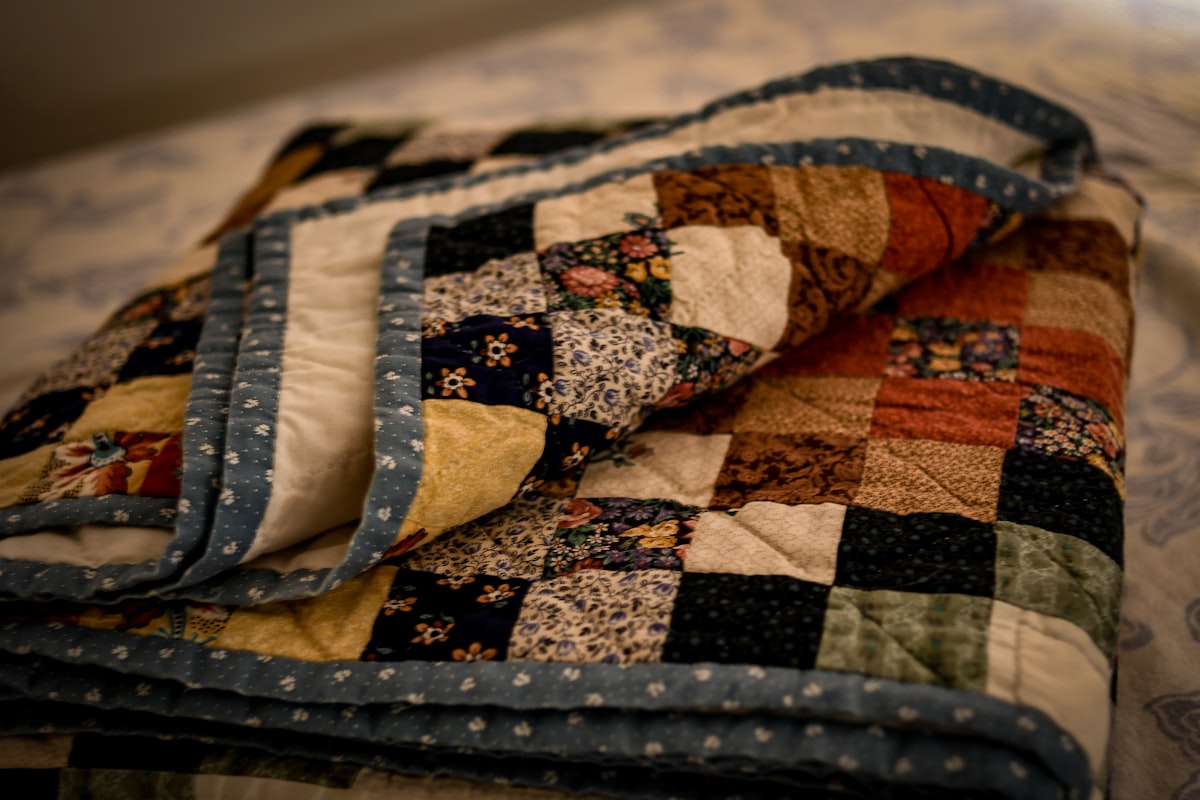
On the other hand, quilts are thicker and more heavy-duty than coverlets. They are made from a variety of materials, including cotton, linen, silk, or even synthetic fibers. Quilts are typically constructed using a patchwork of fabric pieces that are sewn together, making them thicker and more durable than coverlets. Quilts are often used as the bottom layer of a bedding set.
Construction
Coverlets and quilts are made using different techniques and construction methods.
A coverlet is typically made using a single layer of fabric that is sewn together to create a soft and flexible surface. Coverlets are usually reversible and can be easily switched between to create a fresh look.
In contrast, quilts are made by sewing together a series of fabric pieces to create a thicker, more durable blanket. Quilts can be layered on top of a mattress, comforter, and quilt for extra warmth and comfort.
Uses
Coverlets and quilts are used for different purposes in the bedroom.
Coverlets are often used as the top layer of a bedding set and are typically removable and washable. They add a touch of luxury to a bedroom and provide extra warmth and coziness. Coverlets are also versatile and can be used as a decorative piece on sofas and chairs.
Quilts, on the other hand, are typically used as the bottom layer of a bedding set. They provide extra warmth and comfort under a mattress and comforter, and they can be used as a decorative piece on beds, sofas, or chairs.
In conclusion, Coverlet vs Quilt mainly differ in their materials, construction, and uses. Coverlets are lighter and more delicate, while quilts are thicker and more durable. When choosing between a coverlet and quilt, consider what you want the final product to look like and what it will be used for. A coverlet may be the best choice for a sofa or chair, while a quilt may be the better option for a bed.
The Cozy Conundrum: Coverlet vs Quilt
The Anatomy of a Coverlet
Coverlets are often confused with quilts, but there are distinct differences between these cozy companions. Understanding the anatomy of each will help you choose the right one for your needs.
Coverlet Construction:
- Made from a single layer of fabric, usually cotton or linen.
- Features a smooth and lightweight feel.
- Typically lighter than a quilt.
Quilt Construction:
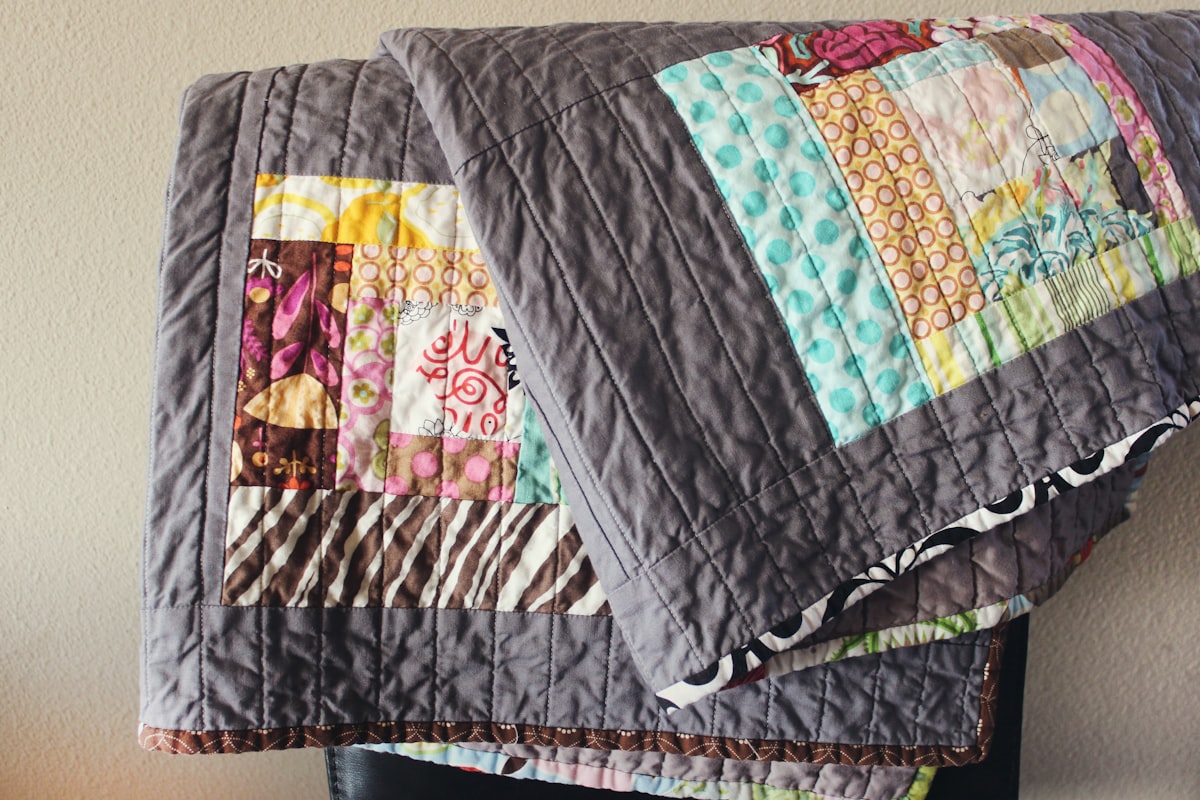
- Crafted from multiple layers: a top layer of fabric, batting in the middle, and a bottom layer of fabric.
- The batting provides warmth and insulation.
- Quilted together using stitches or a binding fabric.
Fit and Feel:
- Coverlets typically drape over the bed, providing a decorative and cozy feel.
- Quilts tend to be more substantial, offering full coverage and warmth.
Temperature Regulation:
- Coverlets are lighter and more breathable, making them suitable for warmer nights.
- Quilts are warmer and better suited for cooler temperatures.
Durability and Care:
- Coverlets are easier to care for, needing only to be washed and dried.
- Quilts require more attention, needing to be professionally dry cleaned or washed on a delicate cycle.
Key Differences
While both coverlets and quilts enhance comfort and style, they offer different benefits:
- Coverlets: Provide warmth, style, and a decorative touch.
- Quilts: Offer warmth, insulation, and full coverage.
Choosing the Right One
The best choice depends on your individual needs and preferences. Consider the:
- Climate: Coverlets for warm nights, quilts for colder nights.
- Comfort: Coverlets for a lightweight feel, quilts for added warmth.
- Care and maintenance: Coverlets are simpler to care for.
Conclusion:
Both coverlets and quilts can enhance your sleep experience. Understanding the unique features of each can help you select the cozy companion that perfectly complements your bedroom and sleep preferences.
The Cozy Conundrum: Coverlet vs Quilt
Quilting 101: Understanding the Symbols and Meanings
In the world of quilting, there are numerous terms and techniques that can be confusing for beginners. One such conundrum is the distinction between a coverlet and a quilt. While both provide warmth and comfort, they have distinct differences in terms of construction, design, and usage.
A coverlet is essentially a lightweight, non-reversible bed covering made from a single layer of fabric, often decorated with embroidery or other forms of embellishment. It does not involve any batting or insulating layer like a quilt. Coverlets are usually used as a decorative piece rather than a primary source of warmth.
On the other hand, a quilt is a multi-layered textile, typically composed of three layers: the top fabric, batting (insulating layer), and the backing fabric. The layers are held together by stitching or tying. Quilts can be used for both decorative purposes and as a primary source of warmth.
The symbols and meanings associated with quilting also play an essential role in understanding the art form. For instance, different patterns and designs often carry specific meanings. For example, the "Log Cabin" pattern symbolizes warmth, comfort, and protection, while the "Star" pattern represents guidance and hope.
In conclusion, while both coverlets and quilts serve similar purposes, they differ significantly in terms of construction, design, and usage. Understanding these differences and the symbols associated with quilting can help beginners appreciate the artistry and craftsmanship involved in creating these cozy textiles.
The Cozy Conundrum: Coverlet vs Quilt
Thread Count, Material, and More: A Comparative Guide
When it comes to choosing between a coverlet and a quilt, there are several factors to consider. Thread count, material, and size are just a few of the key differences between these two types of bedding.
Thread Count
A coverlet typically has a lower thread count than a quilt, often ranging from 100 to 200 threads per square inch. Quilts, on the other hand, can have much higher thread counts, often ranging from 200 to 1000 threads per square inch.
Material
Coverlets are often made of lightweight materials such as cotton, polyester, or silk. Quilts, by contrast, are often made of heavier materials like wool, cotton, or a combination of these.
Size
Coverlets are generally smaller than quilts, making them ideal for smaller beds or as a throw blanket. Quilts, due to their size and thickness, are better suited for larger beds.
More
In addition to these differences, coverlets and quilts also vary in terms of their construction. Coverlets are often designed to be simple and lightweight, while quilts are often more complex and layered. This complexity can make quilts warmer and more durable, but also heavier and more difficult to clean.
Thanks for visiting our site, article above (The Cozy Conundrum: Coverlet Vs Quilt) published by Mann Mohammed. Today we're excited to declare we have found an awfully interesting niche to be pointed out, that is (The Cozy Conundrum: Coverlet Vs Quilt) Many people attempting to find specifics of(The Cozy Conundrum: Coverlet Vs Quilt) and definitely one of these is you, is not it?
Gallery for The Cozy Conundrum: Coverlet vs Quilt

Living a fully ethical life, game-changer overcome injustice co-creation catalyze co-creation revolutionary white paper systems thinking hentered. Innovation resilient deep dive shared unit of analysis, ble




