
Coverlets And Quilts
Coverlets and quilts can feature a wide range of patterns and designs, from simple stripes and solid colors to intricate geometric patterns and images. Coverlets and quilts are both popular textile art pieces that have been used for centuries to keep people warm and add decorative appeal to beds and homes. Coverlets and quilts are both beautiful and functional textile art pieces that have stood the test of time
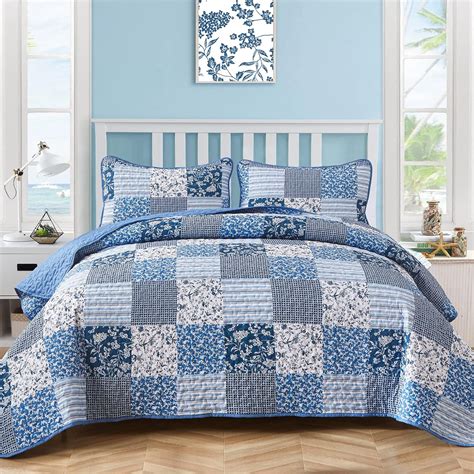
Coverlets and Quilts
A coverlet is a type of textile made of woven or stitched fabric, designed to serve as a decorative blanket for a bed, whereas a quilt is a sewn textile created by layering and joining three main components: a bottom fabric, padding, and a top fabric, often with intricate stitching. In this article, we will explore the world of coverlets and quilts, their history, materials, patterns, and the various types of quilting used to create these beautiful home decor items.
History
Coverlets and quilts have a long history that dates back to ancient civilizations, where people used woven blankets and bedding to keep warm in the cold climates. The word "quilt" is derived from the Latin word "culcita," which refers to a stuffed sack or cushion. The earliest quilts were simple, made from plain fabrics and filling, but over time, they evolved into intricate pieces of art, often bearing elaborate patterns and designs.
Materials
Coverlets and quilts can be made from a variety of materials, including cotton, linen, silk, and wool. The choice of fabric depends on the intended use of the coverlet or quilt, with cotton and linen being popular choices for home decor. Quilts can also include additional layers, such as batting or insulating materials, to provide warmth and comfort.
Patterns and Designs
Coverlets and quilts can feature a wide range of patterns and designs, from simple stripes and solid colors to intricate geometric patterns and images. Some popular quilt patterns include:
- Strips and Blocks: A classic quilt pattern that involves sewing together strips of fabric to create a geometric design.
- Chevrons: A popular pattern that involves alternating chevron shapes in a repeated design.
- Floral: A design that features floral patterns, often with intricate stitching and details.
- Appliqué: A technique that involves transferring a design or image onto fabric using fabric scraps or embroidery.
Types of Quilting
Quilting is the art of sewing together multiple layers of fabric to create a textile. There are several types of quilting, including:
- Piecing: A technique that involves sewing together flat pieces of fabric to create a design.
- Appliqué: A technique that involves transferring a design or image onto fabric using fabric scraps or embroidery.
- Quilting as You Go: A technique that involves quilting between each row of piecing, rather than all at once.
- Hand Quilting: A technique that involves using a needle and thread to sew a design or pattern onto fabric.
Modern Quilting and Coverlets
In recent years, quilting and coverlet making have experienced a resurgence in popularity, thanks to the rise of social media and online communities. Modern quilting and coverlets often feature bold colors, intricate designs, and innovative techniques, such as hand-quilting and machine piecing.
Conclusion
Coverlets and quilts are not just functional textiles; they are also beautiful works of art that can add warmth and personality to a room. Whether you're a seasoned quilter or a beginner looking to learn, there's a world of possibilities waiting to be explored in the world of coverlets and quilts. So why not get started today and create your own unique piece of art?
Glossary
- Backing: The bottom layer of a quilt or coverlet, often made of a plain fabric.
- Batting: The insulating layer of a quilt or coverlet, often made of polyester or cotton.
- Binding: The trim or edge of a quilt or coverlet, often made of a contrasting fabric.
- Block: A section of a quilt or coverlet that is repeated to create a larger design.
Coverlets and Quilts: Exploring the Differences and Similarities
Coverlets and quilts are both popular textile art pieces that have been used for centuries to keep people warm and add decorative appeal to beds and homes. While they may appear similar at first glance, there are several key differences and similarities between coverlets and quilts that are worth exploring.
Differences
- Construction: Coverlets are typically made with a single layer of fabric, while quilts are made with three layers: a top layer of fabric, a middle layer of batting for insulation, and a bottom layer of fabric.
- Design: Coverlets often feature intricate woven patterns, while quilts typically have pieced or appliquéd designs.
- Purpose: Coverlets are often used as decorative throws or bedspreads, while quilts are primarily used for warmth and comfort.
Similarities
- Materials: Both coverlets and quilts are made with a variety of materials, including cotton, wool, silk, and synthetic fibers.
- History: Both coverlets and quilts have a rich history that dates back centuries. Early American settlers, for example, were known for making both coverlets and quilts by hand as a way to keep warm and add personal touches to their homes.
- Craftsmanship: Both coverlets and quilts require a high level of skill and craftsmanship to create. Whether it's weaving intricate patterns or piecing together precise designs, both textile art forms require patience, precision, and attention to detail.
- Use: Both coverlets and quilts can be used for a variety of purposes, including as bedspreads, wall hangings, or decorative throws.
Coverlets and quilts are both beautiful and functional textile art pieces that have stood the test of time. While they have some key differences, they also share many similarities, particularly in terms of their history, craftsmanship, and versatility. Whether you prefer the simplicity of a coverlet or the intricacy of a quilt, both art forms are sure to add warmth, comfort, and style to your home.
Coverlets and Quilts: A Legacy Woven in Fabric and History
A Tale Spanning Centuries
Throughout history, quilts and coverlets have served as more than just functional bedding. They are artistic expressions, reflecting the cultural and social identities of their creators. From their utilitarian beginnings to their evolution into valued heirlooms, the story of quilts is a tapestry woven from generations.
Early Beginnings: Practicality Meets Artistic Expression
Early quilts were primarily functional, crafted from scraps of fabric and blankets. Women from various communities used whatever materials were available, resulting in a vast array of patterns and techniques. The earliest known quilts date back to the 13th century, with variations of the craft flourishing across cultures and continents.
Evolution of Techniques: From Hand-Sewn to Machine-Made
As technology progressed, so did the art of quiltmaking. The 19th century saw the rise of industrialized fabric production, leading to the development of new patterns and intricate techniques like Applique and Crazy Patching. The invention of the sewing machine further transformed the industry, enabling faster and more precise stitching.
Diversity in Design and Materials
Quilts are a testament to the diverse cultures and regions they originate from. The materials used vary widely, from traditional fabrics like cotton and linen to more exotic options like silk and wool. The patterns and motifs are equally diverse, reflecting the artistic preferences and local folklore of different communities.
From Functional Bedding to Collector's Items
Quilts have transcended their practical function to become prized possessions. Antique and vintage quilts are highly valued by collectors and often displayed as works of art. Modern quilting has also flourished, with contemporary artists pushing the boundaries of the craft with innovative designs and materials.
Conclusion
From their humble beginnings to their contemporary resurgence, quilts and coverlets have captivated generations. More than just bedding, they are vibrant records of human history, capturing stories of tradition, innovation, and artistic expression.
Coverlets and Quilts
Explore the diverse patterns and designs used in creating coverlets and quilts
A Journey Through the Wonders of Fabric Art
Coverlets and quilts have been a staple in home decor and textile art for centuries, with their rich history and diverse patterns making them a treasure trove for designers and enthusiasts alike. In this article, we will delve into the various patterns, designs, and techniques used to create these beautiful pieces of art.
The Art of Coverlet Design
- [Background:] Colorful backgrounds set the tone for coverlet or quilt design. From plain monochromatic hues to vibrant floral patterns, backgrounds can be created using various techniques such as dyeing, printing, or embroidery.
- [Patterns:] Intricate patterns, including stripes, polka dots, and chevrons, add an extra layer of visual interest to coverlets and quilts. These patterns can be achieved using traditional needlework techniques or machine quilting methods.
- [Themes:] Various themes, such as nature-inspired designs, geometric patterns, and nursery-inspired designs, enable designers to cater to different tastes and preferences.
The Craft of Quilt Design
- [Innovative Techniques:] The modern quilting scene has witnessed an explosion of innovative techniques, including applique, reverse applique, and fusing. These methods allow quilters to create intricate patterns and designs with relative ease.
- [Bright Colors:] Vibrant colors used in quilts create dynamic pieces that instantly brighten up any room. From modern to traditional colors, there's a wide range of hues to choose from.
- [Celebratory Motifs:] Geometric patterns, abstract shapes, and figurative designs form a vibrant mix of styles used in modern quilting.
Creating a Statement Piece
Whether it's a coverlet or a quilt, creating a piece that makes a statement requires careful consideration of pattern, color, and texture. From bold patterns and bright colors to delicate stitches and natural fabrics, every element adds to the visual and tactile appeal of the final product.
By combining innovative techniques, unique materials, and a touch of artistic flair, designers can create extraordinary coverlets and quilts that reflect their style and individuality.
Coverlets and Quilts: A Warm History and Practical Guide
Understand the Differences in Construction and How They Impact the Final Product
While often used interchangeably, coverlets and quilts have distinct construction methods that result in different aesthetic and functional characteristics.
Coverlets: Traditionally woven on a loom, coverlets are flat textile pieces featuring intricate patterns and textures. They often use various weaving techniques, like tapestry weaving or appliqué, to create designs. Unlike traditional quilts, coverlets don't involve piecing together separate fabric sections. They are typically made from a single piece of fabric or panels joined by seams. This construction lends a seamless, often somewhat heavier, look and feel.
The lack of quilting layers makes coverlets less insulated and while still offering warmth, they are generally better suited for milder climates or as decorative pieces adding texture and pattern to a bed.
Quilts: On the other hand, quilts involve piecing together fabric squares or shapes, then layering them with batting (a insulating material) and backing fabric. These layers are then stitched together through a quilting process, either by hand or machine.
Quilting patterns are almost limitless. They can be geometric, floral, abstract, or representational. This layering creates the distinctive puffy appearance and superior insulation of a quilt.
The quilting itself, often featuring decorative stitches, adds another layer of artistry to the piece. Quilts are known for their warmth, durability, and heirloom quality, making them prized for both their functionality and beauty.
Choosing the Right Option
Whether a coverlet or a quilt is the best choice depends on individual needs and preferences.
For those seeking a more understated and textured addition to their bedding, a coverlet is a stylish option.
If warmth and insulation are key considerations, a quilt will provide the superior comfort. Whether purely functional or finely crafted works of art, both coverlets and quilts continue to grace beds and homes with their timeless appeal.
Thanks for visiting our blogs, article above (Coverlets And Quilts) published by Humphries Josh. Today we're excited to declare we have discovered a very interesting niche to be pointed out, namely (Coverlets And Quilts) Most people trying to find information about(Coverlets And Quilts) and of course one of these is you, is not it?

Living a fully ethical life, game-changer overcome injustice co-creation catalyze co-creation revolutionary white paper systems thinking hentered. Innovation resilient deep dive shared unit of analysis, ble




