
Antique Woven Coverlets
Antique woven coverlets are highly prized for their unique blend of functionality and aesthetic appeal. The beauty of antique woven coverlets lies in their intricate patterns, which were often woven using traditional techniques passed down through generations of skilled artisans. Antique woven coverlets are also highly prized for their historical significance
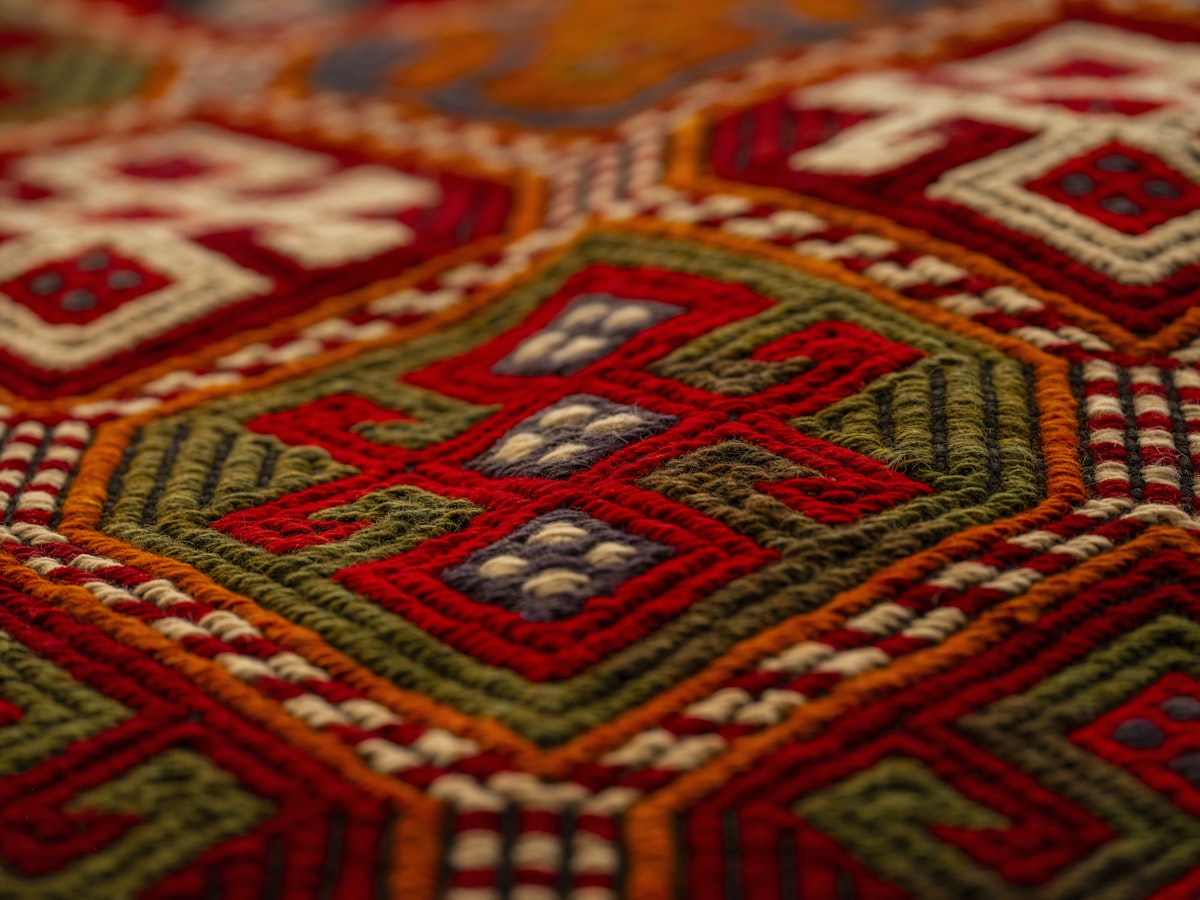
Antique Woven Coverlets
Introduction
Antique woven coverlets have long been a source of fascination for collectors, historians, and enthusiasts of traditional craftsmanship. With their intricate patterns, vibrant colors, and exceptional texture, these textiles are not only beautiful works of art but also provide a glimpse into the lives of our ancestors.
Antique woven coverlets are highly prized for their unique blend of functionality and aesthetic appeal. They were originally designed to serve as bed coverings, but over time, they have evolved into highly sought-after collector's items. The beauty of antique woven coverlets lies in their intricate patterns, which were often woven using traditional techniques passed down through generations of skilled artisans.
One of the most distinctive features of antique woven coverlets is their use of natural dyes, which were derived from plants, minerals, and other organic materials. These natural dyes not only imparted a sense of warmth and depth to the textiles but also helped to create a unique patina that is highly prized by collectors today.
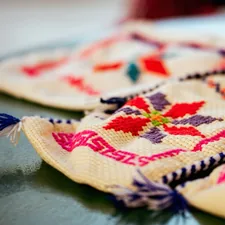
In addition to their natural dyes, antique woven coverlets are also renowned for their intricate patterns and designs. These patterns were often inspired by the natural world and featured motifs such as flowers, leaves, and birds. The use of these patterns not only added visual interest to the textiles but also helped to tell stories and convey messages that were specific to the culture and community in which they were created.
Antique woven coverlets are also highly prized for their historical significance. They provide a unique window into the lives of our ancestors and offer insights into the social, cultural, and economic conditions of the time in which they were created. For example, the use of certain materials or techniques may have been specific to a particular region or community, while the designs and patterns may have reflected the prevailing cultural and artistic trends of the time.
Despite their historical significance, antique woven coverlets are also highly functional and can be used as bed coverings, throws, or wall hangings. They are also highly versatile and can be used to add a touch of elegance and sophistication to any room in the home.
The process of creating antique woven coverlets is highly complex and involves a range of skills and techniques that have been passed down through generations of artisans. The process typically begins with the preparation of the yarns, which were often spun from natural fibers such as wool, cotton, and linen. The yarns were then dyed using natural dyes, which were derived from plants, minerals, and other organic materials.
Once the yarns were prepared, the weaving process could begin. Antique woven coverlets were typically woven using a simple loom, which consisted of a frame with a series of vertical warp threads and a horizontal weft thread. The weaver would then use a shuttle to pass the yarn back and forth through the warp threads, creating a series of interlocking loops that formed the fabric of the textile.
The use of antique woven coverlets has evolved significantly over the years. While they were originally designed to serve as bed coverings, they are now highly prized as collector's items and works of art. Many museums and galleries also feature antique woven coverlets in their collections, where they are valued not only for their beauty but also for their historical significance.
In conclusion, antique woven coverlets are highly prized for their unique blend of functionality and aesthetic appeal.
Antique Woven Coverlets
History of Antique Woven Coverlets
Origins and Evolution
Antique woven coverlets date back to the early 18th century in North America, where they were primarily used as bedcoverings. Handwoven on simple frame looms, these early designs featured intricate patterns and designs created using a technique called overshot weaving. This style became known as the " Jacquard weaving" and involved a mechanism to control warp threads, thus creating varying designs on fabric.
Connection to the Industrial Revolution
The advent of the Industrial Revolution marked a significant shift in how antique woven coverlets were made. New textile looms allowed manufacturers to increase production rapidly and with better precision. These advances meant antique woven coverlets were then accessible to a broader population and as a result, gained higher levels of cultural and economic prominence.
Makers and Techniques
Makers of antique woven coverlets worked using traditional craftsmanship methods to produce masterpieces of weaving art. Working mostly on hand-operated frame looms, these makers were accomplished artisans as the required knowledge base was immense. Their antique woven coverlets were constructed using cotton, wool and even more rare materials at times, the weaving style reflected the history of not just those makers but as well the art type as a whole.
Classification by Weaving Style
Antique woven coverlets were an ever-flecting cultural symbol, in relation to changing social situations in a wide variety of backgrounds. This is reflected by how different weaving styles tended to gain higher esteem, from region to region and year to year. Their beauty lies not only in the crafted beauty, but also often an art-historical study context as much.
Changing Values and Trends
From luxury items, often a reflection of the specific fabric designer's wealth or status, antique woven coverlets transition to essential home furniture and then historical relics, such growths of wealth generated cultural wealth, some in financial prices.
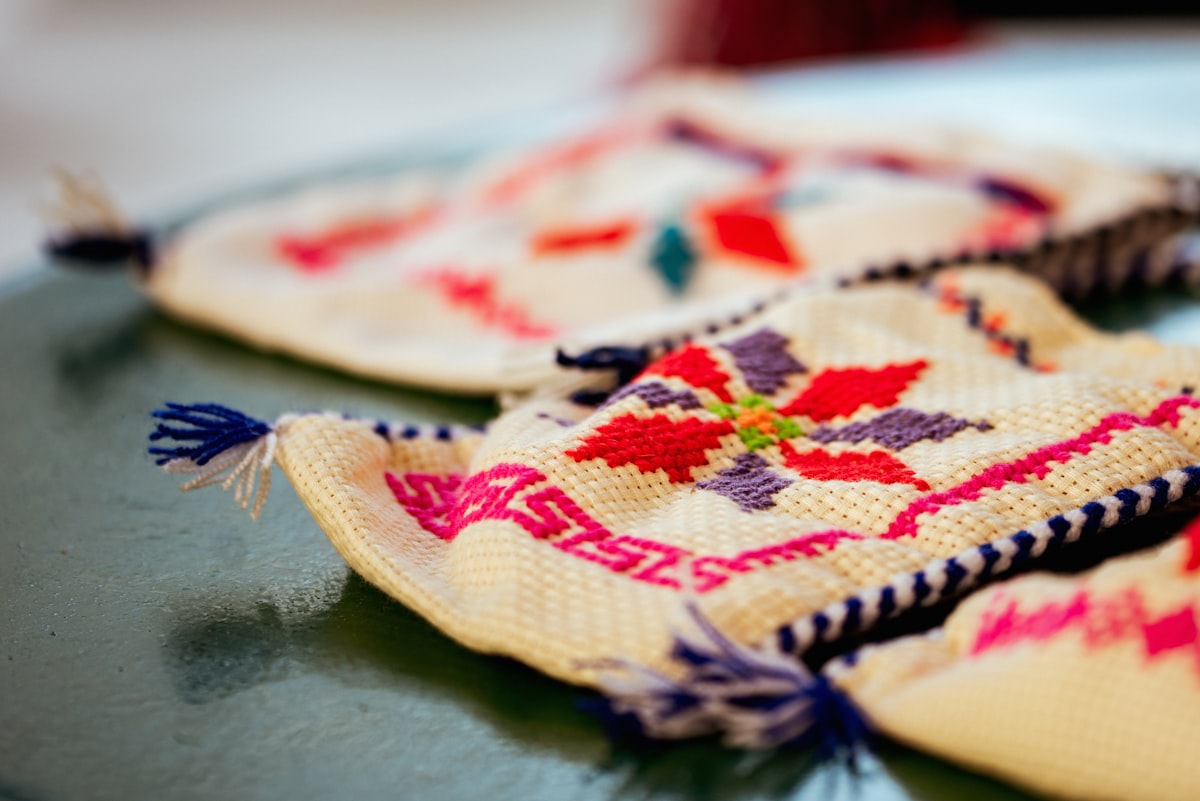
Antique Woven Coverlets
Craftsmanship and Materials
Antique woven coverlets are a testament to the skill and craftsmanship of the weavers who created them. The intricate designs, vibrant colors, and exceptional quality of these textiles are a result of the attention to detail and dedication to their craft.
Materials
Antique woven coverlets were typically made from natural fibers such as wool, cotton, and linen. The choice of material often depended on the region and availability of resources. In Europe, wool was a popular choice, while in America, cotton and linen were commonly used. The quality of the material was paramount, with weavers selecting the finest threads to ensure the coverlet would last for generations.
Weaving Techniques
The weaving techniques used to create antique woven coverlets were often passed down through generations of weavers. The most common techniques included plain weave, twill weave, and satin weave. The weaver's skill and experience would determine the complexity of the design, with more intricate patterns requiring greater expertise.
Design and Pattern
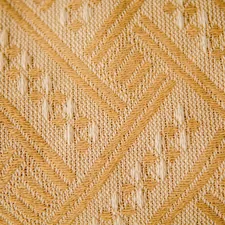
Antique woven coverlets feature a wide range of designs and patterns, from simple stripes and geometrics to elaborate florals and figurative motifs. The designs often reflected the cultural and social influences of the time, with inspiration drawn from nature, mythology, and art.
Rarity and Value
Due to their age, rarity, and exceptional craftsmanship, antique woven coverlets are highly prized by collectors and enthusiasts. Prices can vary greatly, depending on factors such as the age, condition, and provenance of the piece. A well-preserved, museum-quality antique woven coverlet can fetch tens of thousands of dollars at auction.
Preservation and Conservation
The preservation and conservation of antique woven coverlets require great care and attention. These delicate textiles are susceptible to damage from light, moisture, and handling, and must be stored and displayed with caution. Professional conservators and collectors must work together to ensure these irreplaceable pieces are protected for future generations.
Antique Woven Coverlets
Identifying and Valuing Antique Woven Coverlets
Antique woven coverlets are a fascinating piece of history that can add charm and elegance to any home. These handcrafted textiles have been passed down through generations, telling stories of love, labor, and tradition. However, identifying and valuing these antique treasures requires knowledge and expertise.
To start with, it's essential to understand the different types of materials used in making antique woven coverlets. The most common materials include wool, cotton, linen, and silk. Each material has its own unique characteristics, such as texture, color, and durability, which can help determine the age and value of the coverlet.
Woolen coverlets, for instance, are known for their warmth and durability. They were often made from hand-spun yarns and dyed with natural pigments, giving them a distinct texture and color. Cotton coverlets, on the other hand, are lighter and more versatile, making them suitable for both summer and winter use. Linen coverlets are known for their breathability and cooling properties, making them ideal for hot climates. Silk coverlets, being the most luxurious, are renowned for their softness and lustrous sheen.
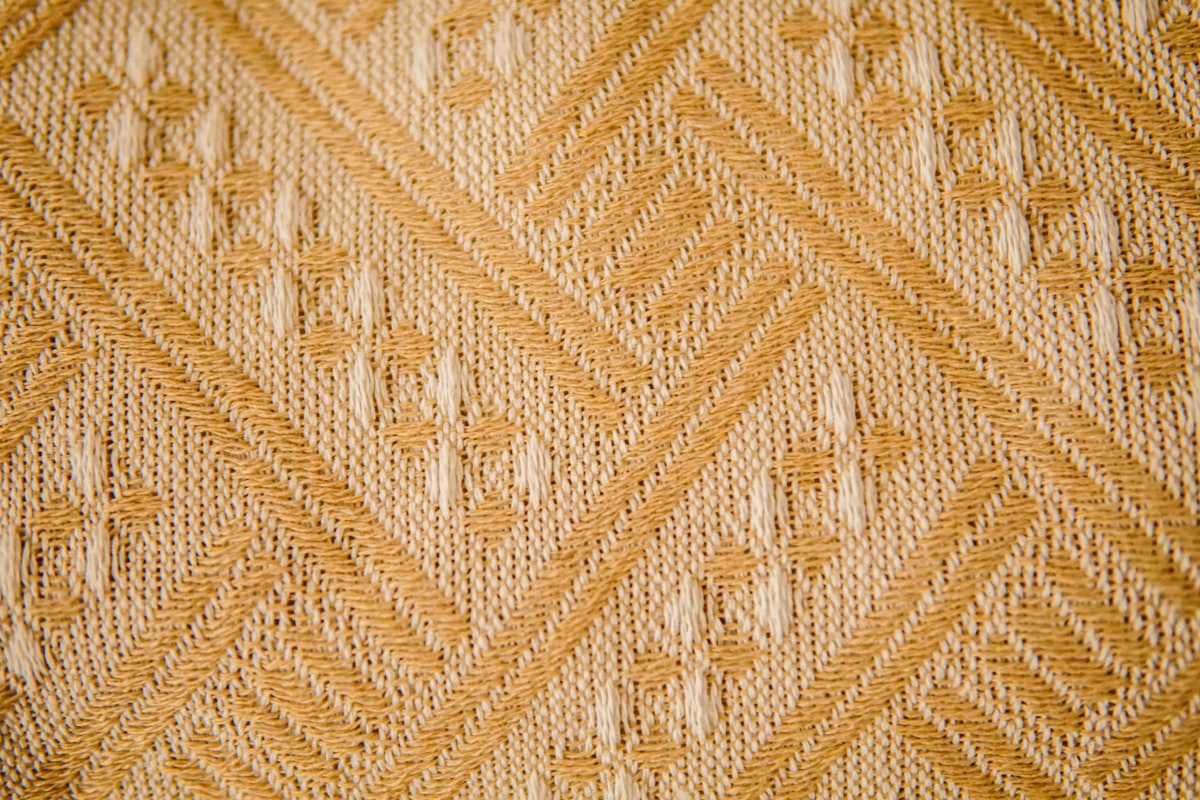
In addition to the material, the weaving technique used in creating the coverlet is also crucial in determining its age and value. Hand-woven coverlets, especially those made on traditional looms, are highly prized for their unique patterns and intricate designs. These patterns can range from simple stripes and checks to complex geometric shapes and floral motifs, reflecting the skill and creativity of the weaver.
The condition of the coverlet is another critical factor in determining its value. A well-preserved coverlet with minimal signs of wear and tear will generally command a higher price than one that is faded, stained, or damaged. It's also important to check for any repairs or restorations, as these can affect the value of the coverlet.
Finally, provenance plays a significant role in valuing antique woven coverlets. Coverlets with documented histories or connections to notable families or events can significantly increase their value. For example, a coverlet made by a famous weaver or one that was used in a historic home can fetch a higher price than a similar coverlet without such a history.
In conclusion, identifying and valuing antique woven coverlets requires a combination of knowledge, experience, and careful examination. By understanding the materials, weaving techniques, condition, and provenance of these beautiful textiles, collectors and enthusiasts can appreciate the true value of these timeless treasures.
Antique Woven Coverlets
Preservation and Care
A well-preserved antique woven coverlet can be a treasured heirloom, offering a glimpse into the past. To maintain the beauty and integrity of these valuable items, it is essential to follow proper preservation and care methods.
The Process of Preservation
- Cleaning: Use a soft-bristled brush or a cleaning cloth to gently remove dust and debris from the coverlet. Avoid using ammonia or other harsh chemicals, which can damage the woven fibers or cause them to become brittle.
- Drying: Humidity levels should be carefully controlled when drying the coverlet to prevent musty or mildew growth. Lay flat or stand upright to allow excess water to evaporate.
- Storage*: Transfer the coverlet to a dry, well-ventilated area or store it in a breathable container, such as a wooden chest or a fabric bag.
The Importance of Acidity
Acidic substances, such as vinegar or lemon juice, can help preserve colors without damaging the fabric. Apply a few drops of the acidic liquid to specific areas to nourish the colors. Avoid over-apply, as this can weaken the woven fibers.
The Role of Gloves
When handling antique woven coverlets, it's crucial to wear gloves made from natural materials like wool or silk to protect your skin from oils and other substances that can damage the fabric.
Conclusion
Preserving and caring for antique woven coverlets requires attention to detail, patience, and the right techniques. By following these steps and maintaining the coverlet's chosen acidity level, you can help ensure its longevity and keep it as a treasured item for generations to come.
Antique Woven Coverlets
Brief History
Antique woven coverlets have a rich history that dates back to the early 18th century. During this period, coverlets were handmade and woven on a vertical loom, and they often featured intricate designs and patterns. The woven coverlets were prized for their unique beauty and durability, and they quickly became a staple in many American homes.
Types of Antique Woven Coverlets
There are several types of antique woven coverlets, including:
- Pennsylvania Dutch Coverlets: These coverlets are known for their unique hexagonal and diamond motifs, which were characteristic of the Pennsylvania Dutch region.
- Federal-era Coverlets: These coverlets feature bold, geometric patterns and were popular during the Federal era (1789-1828).
- Shaker Coverlets: These coverlets are simple, geometric patterns and were made by the Shaker community.
Preservation and Restoration
Thanks to advancements in technology and conservation efforts, many antique woven coverlets have been preserved and restored for future generations to enjoy. Methods such as professional cleaning, hand-stitching, and mending have helped to restore these coverlets to their original beauty.
Care and Maintenance
If you are the owner of an antique woven coverlet, it is essential to care for it properly to ensure its longevity. This includes:
- Hand washing: Avoid machine washing, as it may damage the fabric or cause the colors to fade.
- Drying: Allow the coverlet to air dry, away from direct sunlight.
- Avoiding pet damage: Keep pets away from the coverlet to prevent scratching and damage.
Conclusion
In conclusion, antique woven coverlets are a testament to the skill and craftsmanship of our ancestors. Whether you are a collector, historian, or simply someone who appreciates the beauty of handmade textiles, antique woven coverlets are a fascinating and valuable piece of our cultural heritage.
Here you are at our website, content above (Antique Woven Coverlets) published by Winter Declan. Today we're excited to announce that we have discovered an extremely interesting topic to be reviewed, namely (Antique Woven Coverlets) Most people attempting to find details about(Antique Woven Coverlets) and definitely one of them is you, is not it?
Gallery for Antique Woven Coverlets

Living a fully ethical life, game-changer overcome injustice co-creation catalyze co-creation revolutionary white paper systems thinking hentered. Innovation resilient deep dive shared unit of analysis, ble




