
How To Repair A Cracked Chiminea
Consider specialized chiminea repair materials, if available. The guide details preparing the chiminea, selecting appropriate repair materials (e. g
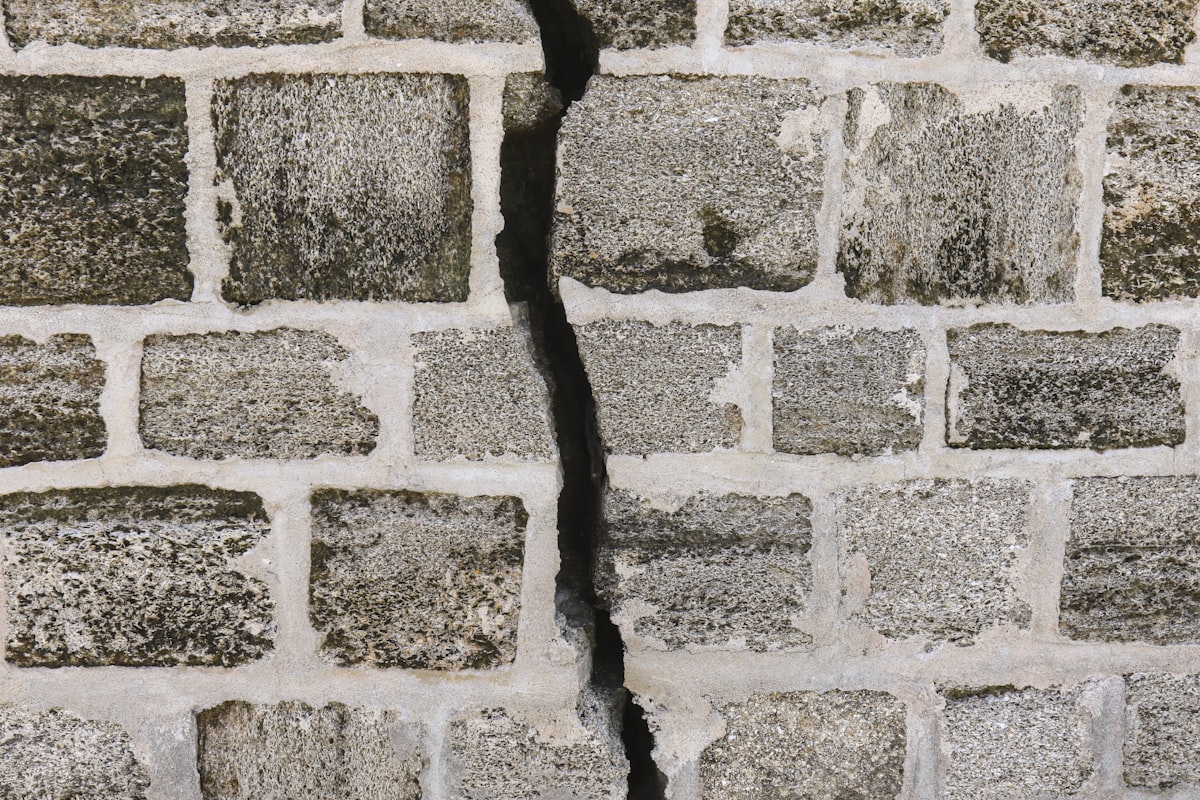
How to Repair a Cracked Chiminea
Chimineas are fantastic outdoor additions, bringing warmth and a touch of rustic charm to any patio or garden. But sometimes, a mishap or the wear and tear of time leads to cracks. Don't fret! Repairing a cracked chiminea is often possible and frequently more affordable than replacing it. It's a rewarding DIY project, and with the right tools and a little patience, you can have your chiminea looking its best again.
Fixing a crack often depends on the size and location. Sometimes, a small, surface crack won't need extensive repair. Larger cracks, on the other hand, might require a more comprehensive approach.
Assessing the Damage:
Knowing the extent of the damage helps you decide the best course of action.
Identifying the Crack's Scope:
Look closely at the crack. Is it a hairline fracture, or a sizable fissure? Does the crack go all the way through the material or is it just a surface imperfection? This crucial assessment guides your repairs. Take photos to help visualize the damage when determining the method.
Understanding the Material:
Chimineas are usually made of clay, cast iron, or metal. Understanding the material is essential. Different materials require specific repair methods. Clay and cast iron react to different solutions. The kind of material also determines the best type of patching or sealing material.
Gathering the Necessary Tools and Materials:
Success hinges on the right tools.
Essential Materials:
High-quality repair mortar or ceramic patching compound (for clay chimineas) is crucial. You'll also need a suitable sealant. Consider specialized chiminea repair materials, if available. Mix according to the manufacturer's instructions for a precise result. This will give you the best possible repair. A sturdy patching compound can significantly increase the lifespan of your chiminea. Don't neglect any essential safety gear, like gloves and eye protection.
Necessary Tools:
A putty knife, or other suitable tools for applying the chosen materials, are essential. Make sure you have the right size. Consider using a metal scraper for cleaning the crack. A sealant gun or caulking gun will apply a good seal. Patience is key when applying the material.
Preparing the Chiminea for Repair:
Thorough preparation prevents future issues.
Cleaning and Dryness:
Ensure the cracked area is completely clean and dry. Remove loose debris, dirt, and any flaking material. This helps the repair compound bond properly. The cleaner and drier the crack is, the stronger the repair will be.
Applying the Repair Material:
Follow the instructions of the repair compound carefully.
Completing the Repair:
Thorough curing helps your repair last.
Allowing the Repair to Cure:
Once the repair is finished, let it cure completely. This step is crucial for the repair to hold.
Final Touches:
If needed, give the repaired area a final coat of sealant or paint to make the patch blend seamlessly with the rest of the chiminea.
Restoring Your Chiminea's Beauty: Repairing a Cracked Chiminea
A cracked chiminea doesn't mean farewell to your cozy outdoor gatherings. With the right approach, you can often restore its functionality and aesthetic appeal. This guide details the process of replacing the glass or lid, a common repair scenario.
Assessing the Damage
Before diving into repairs, meticulously assess the extent of the damage. Is the crack a minor fissure, or does it compromise the structural integrity of the glass or lid? Determining the severity is paramount to choosing the appropriate repair method. Take photos for documentation.
Preparing for the Replacement:
Careful preparation is key for a successful repair.
Disassembling the Chiminea:
Follow the manufacturer's instructions or any specific guidelines provided with your model. Thoroughly document the disassembly process. Disconnect any components that might be impacted by the replacement, noting their connections.
Cleaning the Damaged Area:
Remove any loose debris, dirt, or old sealant from the cracked glass or lid area. Ensure the surface is clean and dry before proceeding with the replacement. A thorough cleaning aids the adhesive's bond.
Replacing the Glass or Lid:
The replacement process varies depending on the specific chiminea.
Selecting the Right Replacement Part:
Precisely match the dimensions of the replacement glass or lid to your existing chiminea. If unsure, consult the manufacturer for recommendations or a compatible part. Using the wrong material will only add to your issues.
Applying Adhesive:
Use a high-quality, heat-resistant adhesive specifically designed for the replacement material. Follow the manufacturer's instructions regarding application and drying time. An adhesive that's not appropriate could be a major issue.
Installing the Replacement Part:
Carefully position the new glass or lid. Ensure it sits snugly in its designated place. Apply even pressure to secure the replacement.
Finishing Touches:
A final check will enhance the aesthetic integrity of your restored chiminea.
Curing Time and Precautions:
Allow the adhesive to fully cure according to the manufacturer's instructions. Avoid exposing the newly repaired chiminea to extreme temperatures or moisture during the curing phase.
Inspection and Final Adjustments:
Thoroughly inspect the new glass or lid for any signs of misalignment or cracks. Make any necessary adjustments.
Safety Considerations:
Prioritizing safety is paramount.
Handling and Working Safely:
Wear appropriate safety gear, including gloves and eye protection. Be mindful of the weight and potential sharp edges during disassembly and installation. Pay close attention to any safety warnings.
Reviving Your Outdoor Oasis: Repairing or Replacing a Cracked Chiminea Body
Addressing a cracked chiminea body is a task that demands a meticulous approach. Whether repair or replacement is the most suitable option depends on the extent of the damage. This guide provides a comprehensive overview of both strategies.
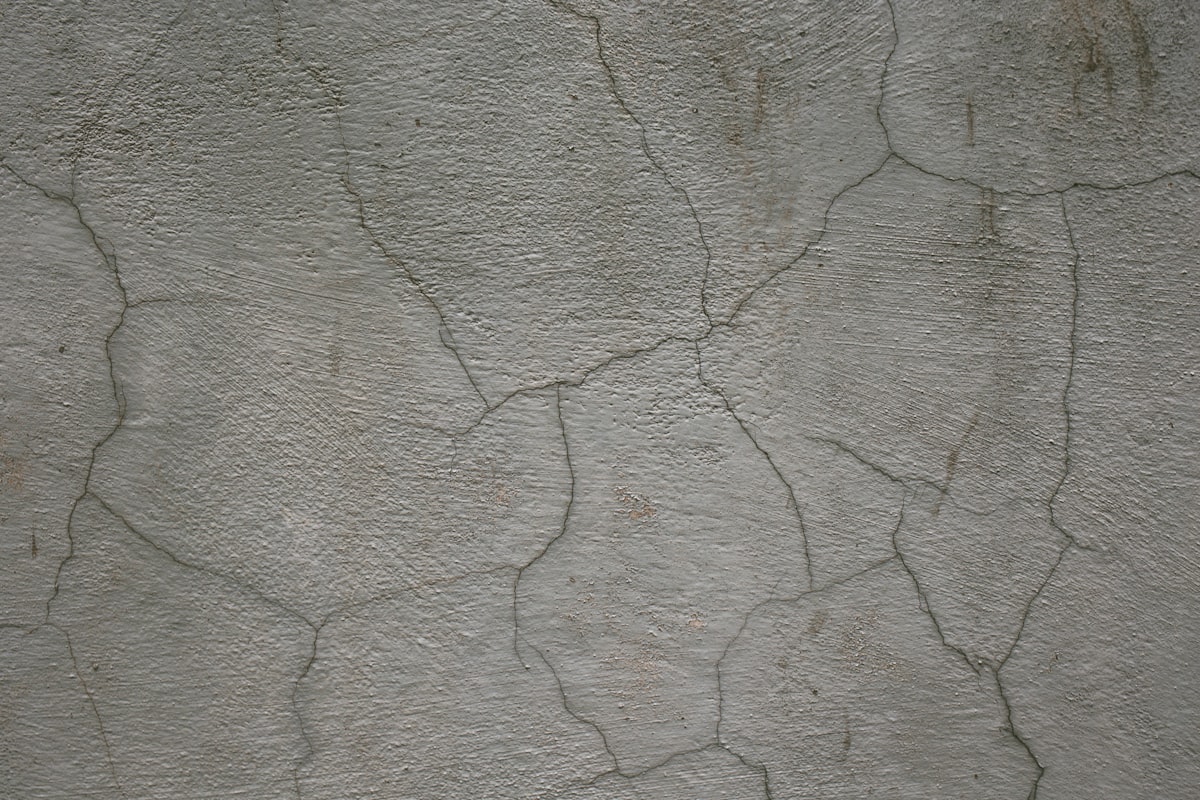
Evaluating the Damage: A Critical First Step
Thorough assessment of the damage is the first crucial step in determining the best course of action.
Assessing the Crack's Impact:
Carefully examine the crack's size, location, and depth. A small, surface crack might be repairable, while a large, deep fissure might necessitate replacement. Consider the material of the chiminea (clay, metal, etc.).
Material Considerations:
Understanding the chiminea's material is essential. Different materials require distinct repair techniques. Clay, for example, responds differently to repair materials than cast iron.
Repairing the Chiminea Body: A Possible Solution
If the damage is contained and doesn't compromise structural integrity, repair might be an option.
Identifying Suitable Repair Materials:
For clay chimineas, specialized ceramic patching compounds are often suitable. For metal, a strong, heat-resistant epoxy or a specialized metal patching compound might be required.
Preparation for Repair:
Ensure the affected area is clean, dry, and free of loose debris or flaking material. Prepare the repair area by removing any loose material and ensure the surrounding area is clean.
Applying the Repair Material:
Follow the manufacturer's instructions precisely for the chosen repair compound. Apply evenly, ensuring a smooth, comprehensive patch.
Replacing the Chiminea Body: When Repair Isn't Enough
Replacing the body might be necessary in cases of significant damage.
Sourcing a Replacement:
Contact the manufacturer or a reputable supplier to find a compatible replacement. Match the dimensions precisely to ensure a proper fit.
Dismantling the Damaged Chiminea:
Document the dismantling process thoroughly, noting any intricate connections or unique features. Proper documentation will ensure a seamless reassembly.
Installing the Replacement Chiminea:
Place the new unit in its designated location. Ensure the supports are correctly positioned and stable.
Important Considerations
Understanding the nuances of the replacement process is crucial.
Professional Assistance:
Complex repairs or replacements might benefit from professional assistance. A skilled artisan can offer invaluable expertise.
Maintaining Your Chiminea:
Following a maintenance routine is key to extending the lifespan of your chiminea. Regular inspections and prompt repairs can prevent more extensive damage in the future.
Summary of "How to Repair a Cracked Chiminea"
This article provides a comprehensive guide on repairing or replacing a cracked chiminea, covering various scenarios from minor surface cracks to significant structural damage. It emphasizes careful assessment of the damage to determine the most appropriate repair method. The guide details preparing the chiminea, selecting appropriate repair materials (e.g., patching compounds, sealants), and methods for both repairing and replacing the chiminea body, including the glass or lid. Importantly, it stresses the importance of proper preparation, material selection, and following manufacturer's instructions for a successful and long-lasting repair. Safety precautions are also highlighted throughout.
FAQ: How to Repair a Cracked Chiminea
Q: What should I do first when I find a crack in my chiminea?
A: First, assess the crack's severity. Is it a small surface fissure or a larger, potentially structural issue? Take photos of the damage. Understanding the extent of the crack helps determine the best repair approach—repair or replacement.
Q: Can I repair a cracked chiminea myself, or should I hire a professional?
A: Minor cracks might be fixable with the right materials and a bit of DIY know-how. However, significant cracks, or those affecting structural integrity, often necessitate professional assistance. If unsure, it's best to consult a qualified artisan or contractor.
Q: What materials do I need to repair a cracked clay chiminea?
A: You'll need high-quality ceramic patching compound specifically designed for clay. Depending on the size and type of crack, you may also need a sealant and tools like a putty knife or a metal scraper. Always follow the manufacturer's instructions for mixing and application.
Q: How long does it take for a chiminea repair to fully cure?
A: Drying times vary depending on the repair material and environmental conditions. Always consult the manufacturer's instructions for the specific curing time required. Avoid using the repaired chiminea until it's fully cured to prevent further damage.
Q: What should I do if the crack in my chiminea is large and goes all the way through?
A: A large, through-and-through crack often indicates structural compromise. Replacing the entire chiminea body is usually the best course of action in this case. Consult a supplier or professional for a suitable replacement.
Q: How can I prevent future cracks in my chiminea?
A: Regular inspections and prompt repair of any minor cracks can prevent more extensive damage. Proper maintenance, including avoiding extreme temperature fluctuations, can also contribute to the longevity of your chiminea.
Thanks for visiting our site, content above (How To Repair A Cracked Chiminea) published by Moore Peter. Nowadays we are pleased to declare we have discovered a very interesting content to be pointed out, namely (How To Repair A Cracked Chiminea) Many people trying to find info about(How To Repair A Cracked Chiminea) and of course one of these is you, is not it?
Gallery for How to Repair a Cracked Chiminea

Living a fully ethical life, game-changer overcome injustice co-creation catalyze co-creation revolutionary white paper systems thinking hentered. Innovation resilient deep dive shared unit of analysis, ble




