
Chiminea Vs Fire Pit: Choosing The Perfect Outdoor Fireplace
Fire pits are often larger than chimineas and can be more functional, providing a larger area for cooking or gathering around. Fire pits, on the other hand, are often larger and more imposing, which can make them a focal point in a larger outdoor space. Fire pits, while they can be compact, often require more space to accommodate the fire and surrounding seating
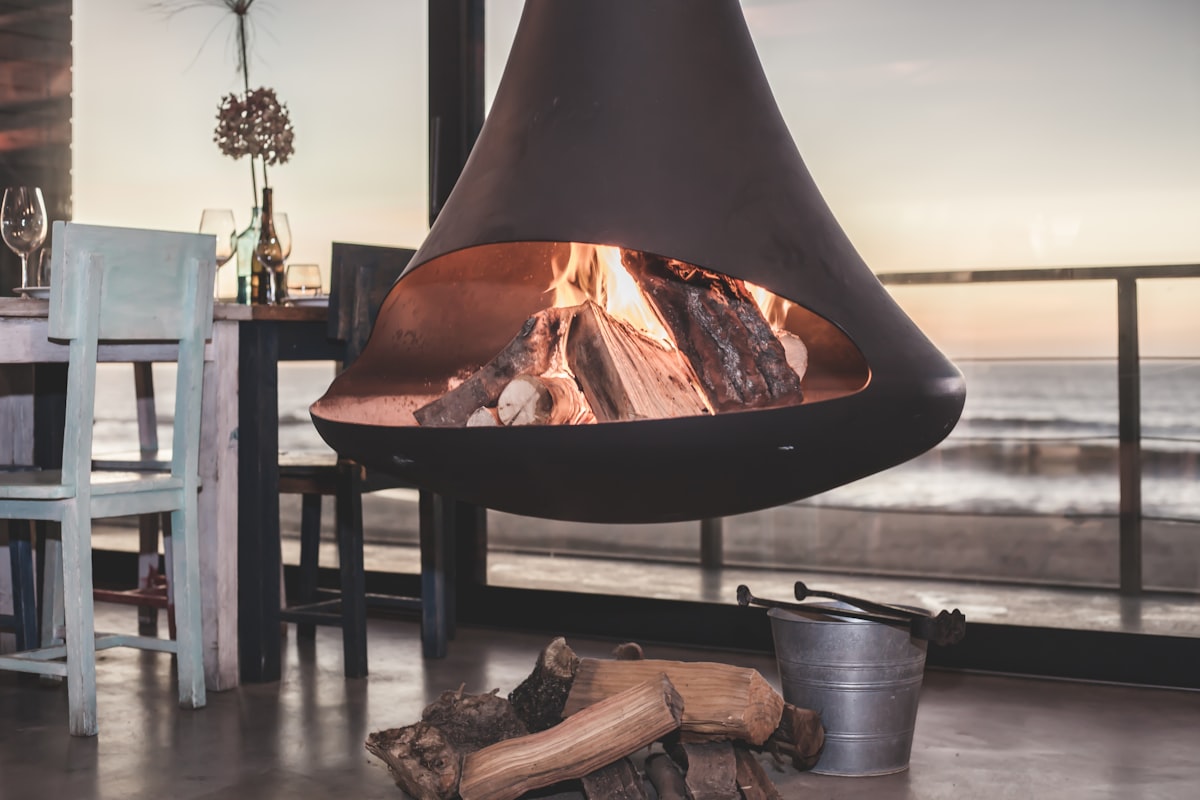
Chiminea vs Fire Pit
When it comes to creating a cozy and inviting outdoor space, a fireplace is a great option to consider. Two popular options for outdoor fireplaces are chimineas and fire pits. Both can provide a warm and welcoming ambiance, but they have some key differences.
Types of Fireplaces
Chimineas
A chiminea is a freestanding, clay or metal fireplace that is designed to burn wood or other combustible materials. It is typically small and portable, making it easy to move around your outdoor space. Chimineas are often decorative and can be made from a variety of materials, such as ceramic, terra cotta, or metal.
Fire Pits
A fire pit is a circular pit or ring that is designed to burn wood or other combustible materials. It is usually made of metal or stone and can be placed on a flat surface or embedded in the ground. Fire pits are often larger than chimineas and can be more functional, providing a larger area for cooking or gathering around.
Design and Construction
Material
Chimineas are often made from clay or ceramic, which can give them a decorative and rustic look. Metal chimineas are also available and can be made from a variety of metals, such as iron or steel. Fire pits, on the other hand, are usually made from metal or stone, which can give them a more modern and minimalist appearance.
Size and Shape
Chimineas are typically smaller and more compact than fire pits, making them easier to move around and place in smaller outdoor spaces. Fire pits, on the other hand, are often larger and more imposing, which can make them a focal point in a larger outdoor space.
Functionality
Heat Output
Chimineas are designed to provide a warm and cozy heat source, but they may not be as effective at heating a larger outdoor space as a fire pit. Fire pits, on the other hand, can provide a larger heat output and can be more effective at warming a larger area.
Cooking
Fire pits are often used for cooking, as they can accommodate cooking grates and lids. Chimineas, on the other hand, are not typically designed for cooking and may not have the necessary features or infrastructure to support cooking.
Maintenance and Cleanup
Chimineas
Chimineas are relatively easy to maintain and clean, as they have a simple and contained design. They also tend to be more resistant to wind and weather damage, which can make them a good option for outdoor spaces that are exposed to harsh weather conditions.
Fire Pits
Fire pits can be a bit more high maintenance than chimineas, as they require more frequent cleaning and may require additional features, such as a spark guard or screen, to prevent sparks and embers from escaping.
Chiminea vs Fire Pit: Which One is Better for Outdoor Heating?
Heat Output and Efficiency: Do Chimineas Have the Edge?
Warmth and Comfort in the Great Outdoors
When it comes to outdoor heating solutions, two popular options come to mind: chimineas and fire pits. Both provide warmth and a cozy ambiance, but they differ significantly in terms of design, functionality, and efficiency. This article will delve into the world of chimineas and fire pits, exploring their heat output and efficiency to help you decide which one is best for your outdoor space.
Heat Output: Chimineas vs Fire Pits
Radiant Heat vs Convection Heat
Chimineas and fire pits produce heat through different mechanisms. Chimineas rely on radiant heat, where the warmth is emitted directly from the fire and contained within the chiminea's structure. This design allows for more efficient heat retention and direction, resulting in a warmer and cozier space.
On the other hand, fire pits use convection heat, where the warmth is circulated through the air by means of rising hot air and sinking cooler air. While this method can provide a wider heat radius, it often results in lost heat and a less efficient heating experience.
Efficiency: Chimineas vs Fire Pits
Design and Construction: The Key to Efficiency
The design and construction of chimineas and fire pits play a significant role in their efficiency. Chimineas, with their narrow necks and wide mouths, allow for better airflow and heat retention. This design also enables the user to control the airflow, which contributes to a more efficient burning process.
Fire pits, on the other hand, have a more open design, which can lead to heat loss and reduced efficiency. Additionally, the lack of airflow control in fire pits can result in a less efficient burning process, producing more smoke and less heat.
Efficiency Comparison: Numbers Don't Lie
When it comes to efficiency, the numbers are clear: chimineas are generally more efficient than fire pits. While fire pits can achieve an efficiency of around 10-20%, chimineas can reach efficiency levels of up to 30-40%. This means that chimineas can produce more heat using less fuel, making them a more cost-effective and environmentally friendly option.
Space and Portability: Chimineas vs Fire Pits
Portability and Storage: Convenience Matters
Another important factor to consider when choosing between a chiminea and a fire pit is portability and storage. Fire pits are often heavier and more cumbersome, making them more difficult to move and store. Chimineas, on the other hand, are generally lighter and more compact, allowing for easy transportation and storage.
Space Requirements: A Consideration for Small Spaces
For those with limited outdoor space, chimineas are often the better option. They are typically more compact and can be placed in smaller areas, such as patios or balconies. Fire pits, while they can be compact, often require more space to accommodate the fire and surrounding seating.
Aesthetics and Ambiance: Chimineas vs Fire Pits
Style and Design: A Matter of Personal Taste
When it comes to aesthetics, both chimineas and fire pits offer unique styles and designs. Chimineas are often more ornate, with intricate details and traditional designs. Fire pits, on the other hand, can be sleek and modern or rustic and classic.
Ambiance and Experience: The Intangibles of Outdoor Heating
Beyond the physical design, both chimineas and fire pits provide a unique ambiance and experience. Chimineas offer a more intimate and cozy setting, with the contained flame and warmth creating a sense of community and connection. Fire pits, with their open flames and wider heat radius, can create a more expansive and social atmosphere.
Safety and Maintenance: Chimineas vs Fire Pits
Safety Features: A Top Priority
When it comes to safety, both chimineas and fire pits have their own set of concerns. Chimineas, with their contained flames, can be less hazardous than open fire pits. However, chimineas can still produce sparks and embers, requiring caution and attention.
Fire pits, on the other hand, require more vigilance, as the open flames can be more unpredictable and hazardous.
Maintenance and Upkeep: A Long-Term Consideration
In terms of maintenance, chimineas and fire pits require different levels of upkeep. Chimineas, with their narrower necks, can be more prone to soot buildup and ash accumulation. Fire pits, with their more open design, can be easier to clean and maintain.
Conclusion to Considerations
Safety Features and Regulations: The Safe Choice for Your Outdoor Space
Chimnea vs Fire Pit: Understanding the Differences
When choosing between a chiminea and a fire pit, safety should be your top priority. Both options provide warmth and ambiance, but their inherent safety features and regulations differ significantly.
Chimnea Safety Features
- Enclosed design reduces the risk of sparks and embers flying away.
- Built-in spark guard and chimney create a physical barrier between the flame and users.
- Often uses a smaller fuel source, minimizing the risk of combustion.
Fire Pit Safety Features
- Open design allows for greater air circulation and heat dispersal.
- Wide, shallow basin minimizes the risk of accidental contact with the flames.
- Usually utilizes larger fuel sources, requiring more caution during operation.
Regulatory Differences
Local Regulations:
- Many regions have specific regulations regarding the use and placement of fire features.
- Check local fire codes and outdoor burning ordinances for specific guidelines.
Fuel Type:

- Chimneas typically use propane or natural gas, which offers a cleaner and more controlled burn.
- Fire pits usually burn wood, requiring greater vigilance and clearance from flammable materials.
Additional Considerations
- Placement: Choose a safe location away from structures, vegetation, and flammable materials.
- Ventilation: Ensure adequate ventilation to prevent smoke accumulation.
- Hydration: Have a nearby source of water in case of emergencies.
User Responsibility
- Never leave a fire unattended.
- Maintain a safe distance from the flames.
- Ensure children and pets are kept at a safe distance.
Conclusion
Both chimeneas and fire pits can add warmth and ambiance to your outdoor space, but choosing the right option comes down to prioritizing safety. Chimneas offer a more contained and regulated experience, while fire pits provide a more natural, open-flame ambiance with specific safety considerations.
Chiminea vs Fire Pit: Fuel Options and Maintenance
Fuel Options
Chimineas and fire pits both offer a cozy way to enjoy the outdoors, but they differ in their fuel options and maintenance needs. Let's start with the fuel options.
Gas vs Wood
Chimineas can be fueled by gas or wood, while fire pits are usually fueled by wood. Gas chimineas offer a more convenient and cleaner burning option, but they may lack the traditional ambiance of a wood fire. Wood-fired chimineas, on the other hand, provide a classic outdoor experience but require more maintenance.
Maintenance
When it comes to maintenance, chimineas and fire pits have different requirements.
Cleaning and Ash Removal
Both chimineas and fire pits require regular cleaning to remove ash and debris. However, chimineas with their enclosed design tend to produce less ash and are easier to clean. Fire pits, with their open design, can be more challenging to clean and may require more frequent ash removal.
Seasonal Storage
Chimineas are generally easier to store during the off-season due to their compact design. Fire pits, being larger and more exposed, can be more difficult to store and may require more space.
Durability
Both chimineas and fire pits can be durable if properly maintained. However, chimineas with their metal or ceramic construction tend to be more durable and less prone to damage from weather conditions. Fire pits, especially those made of metal, may require more protection from the elements.
Choosing the Perfect Outdoor Entertainment Space: Chiminea vs Fire Pit
Preparing for an Unforgettable Backyard Experience
As the weather cools down and the evenings get longer, many homeowners are eager to create an inviting outdoor space that foster social gatherings and warm ambiance. Two popular options come to mind when thinking about backyard entertainment: fire pits and chimineas. While both can add a cozy touch to your outdoor area, they have distinct differences that may make one more suitable to your needs than the other.
Understanding the Basics: Fire Pits vs Chimineas
What is a Fire Pit?
A fire pit is a freestanding container made of stone, metal, or concrete that holds a fireplace. It is designed to contain the flames and heat, creating a warm and cozy gathering space. Fire pits are versatile and can be placed on different surfaces, making them suitable for various outdoor settings.
What is a Chiminea?
A chiminea is a freestanding structure that uses airflow to draw flames and heat upward, creating a warm and cozy atmosphere. Chimineas are designed to provide a focused source of heat and can be placed on the ground or placed on a pedestal.
Design and Installation Considerations
Fire Pit Installation
Installing a fire pit requires careful consideration of the surrounding area's drainage and structural integrity. It is essential to choose a fire pit that is compatible with your patio or deck's material and design. A level and stable base is also crucial to ensure proper use and safety.
Chiminea Design and Placement
When placing a chiminea, it's essential to ensure that the structure has proper ventilation and airflow to maintain a safe and efficient burning process. A location with at least 6-8 feet of clearance around the chimney is recommended to prevent heat buildup and ensure proper airflow.
Safety and Maintenance
Fire Pit Safety Precautions
Fire pits can be hazardous if not used properly. Ensure that the fire pit is placed at least 10 feet away from flammable materials and that a screen or spark guard is installed to prevent sparks and embers from flying out.
Chiminea Maintenance
Chimineas require regular cleaning and inspection to ensure safe and efficient operation. Make sure to follow the manufacturer's instructions for cleaning and maintenance to avoid damage to the structure.
Material and Budget Considerations
Choosing the Right Material
When selecting between a fire pit and chiminea, consider the material's durability, weight, and ease of maintenance. Cast stone, steel, and concrete are popular materials for fire pits and chimineas, but other materials like wood and metal are also available.
Setting a Budget
Both fire pits and chimineas can range in price depending on the materials, design, and features. Set a budget that considers your needs, space constraints, and desired level of luxury.
Size and Placement Options
Fire Pit Placement
Fire pits can be placed on patios, decks, or even on the ground in a designated seating area. Ensure that the size of the fire pit is proportional to the size of your outdoor seating area.
Chiminea Placement
Chimineas can be placed in various settings, from cozy nooks to expansive outdoor spaces. However, it's essential to consider the airflow and ventilation needed for optimal performance.
Choosing the Right Size
When selecting a fire pit or chiminea, consider the space and seating limits in your backyard. A smaller fire pit or chiminea may be more suitable for smaller outdoor areas.
**Budget-Friendly Options and Luxury Upgrades
Budget-Friendly Options
Both fire pits and chimineas can be installed at a relatively low cost. However, consider the costs of materials, installation, and ongoing maintenance when making a decision.
Luxury Upgrades
For luxury-grade fire pits and chimineas, be prepared to spend more on materials, design, and installation. Premium materials, custom designs, and in-house installation can add to the overall cost and create a unique backyard experience.
**Tips and Tricks for Optimal Use
Adding Lighting Effects
Consider adding ambient lighting to create a warm and inviting atmosphere. String lights, solar lights, or LED lights can be used to enhance the outdoor ambiance.
Cozy Throws and Decorations
Add warm and cozy throws, pillows, and decorations to create a inviting seating area. Driftwood, flowers, and natural elements can also add a touch of warmth and personality to your outdoor space.
Creating a Cozy Ambiance
Don't forget to consider the ambient sounds and scents that can create a cozy atmosphere. Crackling fires, soft music, and scented candles can all contribute to a warm and inviting ambiance.
Thanks for visiting our website, article above (Chiminea Vs Fire Pit: Choosing The Perfect Outdoor Fireplace) published by Bell Zak. Hodiernal we are excited to announce that we have discovered an incredibly interesting content to be pointed out, that is (Chiminea Vs Fire Pit: Choosing The Perfect Outdoor Fireplace) Many people looking for info about(Chiminea Vs Fire Pit: Choosing The Perfect Outdoor Fireplace) and certainly one of these is you, is not it?
Gallery for Chiminea vs Fire Pit: Choosing the Perfect Outdoor Fireplace


Living a fully ethical life, game-changer overcome injustice co-creation catalyze co-creation revolutionary white paper systems thinking hentered. Innovation resilient deep dive shared unit of analysis, ble




