
Enthusiastic Outdoor Cooking
This provides even, radiant heat perfect for grilling, baking, and slow cooking. Hardwoods are the preferred fuel for chiminea cooking due to their slow, even burn. They produce a consistent heat ideal for longer cooking times, infusing your food with a rich, smoky flavor
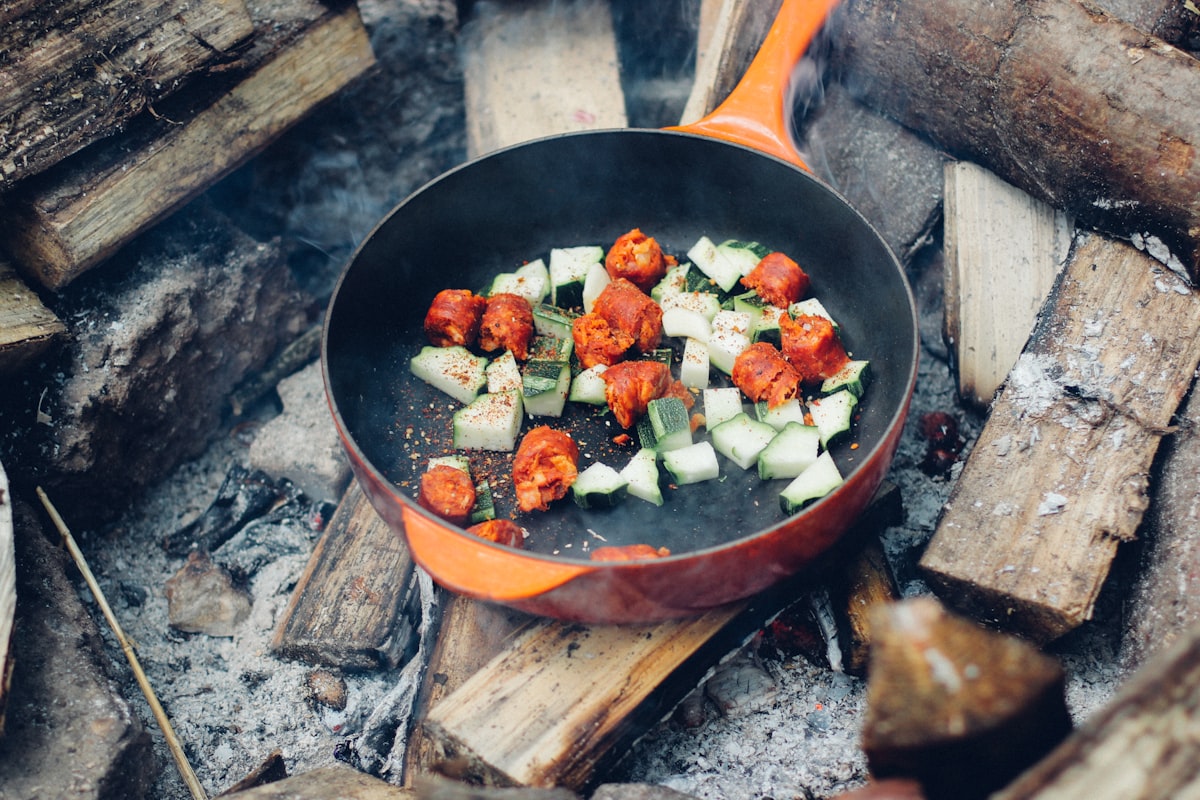
Enthusiastic Outdoor Cooking
Embrace the Chiminea: A Gateway to Flavor
Cooking outdoors offers a unique experience. It's about more than just the food; it's the atmosphere, the shared moments, the scent of woodsmoke mingling with delicious aromas. A chiminea, with its charming design and efficient heating, provides a fantastic platform for this. It’s surprisingly versatile, too.
Fueling the Fire: Choosing Your Wood
The heart of chiminea cooking is the fuel. Hardwoods like oak or hickory burn longer and hotter, lending a smoky depth to your dishes. Softer woods, while producing a faster, hotter flame, might impart a slightly bitter taste. Experiment to find what best suits your palate. Don't forget to properly season your wood; damp wood will produce more smoke and less heat.
Building a Successful Chiminea Fire
Start with kindling, gradually building to larger pieces of wood. Aim for a bed of embers rather than a roaring blaze. This controlled heat is crucial for even cooking. A good fire is a dance between air and fuel; too much air and it burns too fast, too little and it smolders. Get the balance right and your chiminea will reward you.
Cooking Techniques: Beyond the Basics
Grilling Delights
A cast iron griddle or grill placed atop the chiminea's opening transforms it into a powerful outdoor grill. The radiant heat provides beautiful grill marks and delicious char. Think steaks, burgers, vegetables – the possibilities are endless. Just remember to keep an eye on the heat, adjusting the wood as needed.
Slow-Cooked Perfection
For dishes that require a gentler touch, use a cast iron pot or Dutch oven. The chiminea's consistent heat creates an ideal environment for slow cooking stews, chilies, or even a hearty paella. The long cooking time allows flavors to meld, creating unforgettable depth.
Baking Adventures
Yes, you can even bake in a chiminea! Use a cast iron Dutch oven with a tight-fitting lid and you can bake bread, cobblers, or even pizzas. This is where a bit of experimentation is really rewarding, as you discover the perfect cooking time and wood type for your desired results. It takes practice, but the results are worth it.
Safety First: Chiminea Cooking Essentials
Never leave a chiminea unattended while in use. Always maintain a safe distance, and keep children and pets away. Use heat-resistant gloves and tools. Ensure adequate ventilation in your outdoor cooking area. Think of the chiminea as an extension of your kitchen – the same safety measures apply. Proper use will provide you with countless hours of outdoor culinary enjoyment.
Mastering the Art of Chiminea Cooking
What to Expect When Cooking in a Chiminea
This isn't your average grill. Cooking with a chiminea introduces a unique set of challenges and rewards. Prepare for a more hands-on, intuitive cooking experience. Unlike a gas grill's precise temperature control, the chiminea relies on your skill in managing the fire. You'll learn to read the embers, adjusting the wood to maintain the ideal heat for your dish. The results, however, are well worth the effort. The smoky flavor infused into your food is simply unparalleled.
Temperature Control: The Chiminea's Dance with Heat
Mastering the heat is key. A roaring fire is unsuitable for most chiminea cooking. Instead, aim for a bed of glowing embers. This provides even, radiant heat perfect for grilling, baking, and slow cooking. You'll become attuned to the subtle shifts in temperature, learning to add wood strategically to maintain the perfect cooking environment. It's a skill that develops with practice, and your dishes will reflect this growing mastery.
Understanding Heat Zones
Like a traditional grill, a chiminea has distinct heat zones. The area directly above the embers will be the hottest, while areas further away will be cooler. Learning to utilize these zones is vital for achieving even cooking. Place delicate items further from the heat source and sturdier fare closer to the embers.
Flavor Infusion: The Art of Smoky Delights
The smoky character imparted by a wood-fired chiminea is a significant advantage. The type of wood you choose will influence the final flavor profile. Experiment with different hardwoods to discover your favorites. Hardwoods like oak and hickory offer a robust, smoky taste, while fruitwoods like apple or cherry contribute a sweeter, more subtle note. This interplay of flavors elevates your cooking to a new level.
Wood Selection: Fueling the Flavor
Choosing the right wood is crucial for both taste and heat. Hardwoods like oak, pecan, and mesquite burn slower and hotter, providing consistent heat ideal for long cooking times. Softer woods like pine burn faster, making them suitable for quick grilling. Remember that seasoned wood, free from moisture, will burn more cleanly and provide more heat.
How to Cook in a Chiminea: A Step-by-Step Guide
Before you begin, ensure your chiminea is clean and ready. Build a bed of embers using kindling and gradually increasing the size of the wood pieces. Let it burn down to a steady glow before beginning to cook. The cooking method will vary depending on what you're preparing.
Grilling: Embrace the Char
For grilling, use a cast iron griddle or grill placed directly on the chiminea's opening. Pre-heat the griddle thoroughly before placing your food. Use tongs to flip and adjust the position of your food, ensuring even cooking and beautiful grill marks.
Slow Cooking: Patience Rewarded
Slow cooking in a chiminea involves using a cast iron Dutch oven. Place the Dutch oven on the chiminea's embers, adjusting its position to maintain the desired temperature. This technique is perfect for stews, chilis, and other slow-cooked delights.
Baking: The Unexpected Surprise
Believe it or not, you can bake in a chiminea! A well-seasoned cast iron Dutch oven with a tight-fitting lid is essential. Ensure the embers are evenly distributed beneath the oven, maintaining a steady temperature for optimal baking results.
Beyond the Basics: Expanding Your Chiminea Culinary Repertoire
Once you've mastered the fundamental techniques, feel free to experiment. The possibilities are endless. Think about roasting vegetables directly on the embers, creating unique smoky flavors. Or try using specialized accessories, like a rotisserie, for perfectly cooked meats. The chiminea is more than just a cooking tool – it’s an invitation to culinary adventure.
Chiminea Cooking: Fueling the Fire and Flavor
Choosing the Perfect Fodder for Your Chiminea Delight
The success of your chiminea cooking hinges not only on your technique but also on the quality of your fuel. The type of wood you choose dramatically impacts the flavor and heat output of your chiminea. Understanding this is crucial for achieving culinary excellence.
Hardwood: The Foundation of Flavor
Hardwoods are the preferred fuel for chiminea cooking due to their slow, even burn. They produce a consistent heat ideal for longer cooking times, infusing your food with a rich, smoky flavor. Different hardwoods impart varying flavor profiles. Oak, for instance, delivers a robust, slightly sweet smoke, while hickory provides a more pungent, almost peppery note. Mesquite adds a distinctly Southwestern flair with its bold, earthy character.
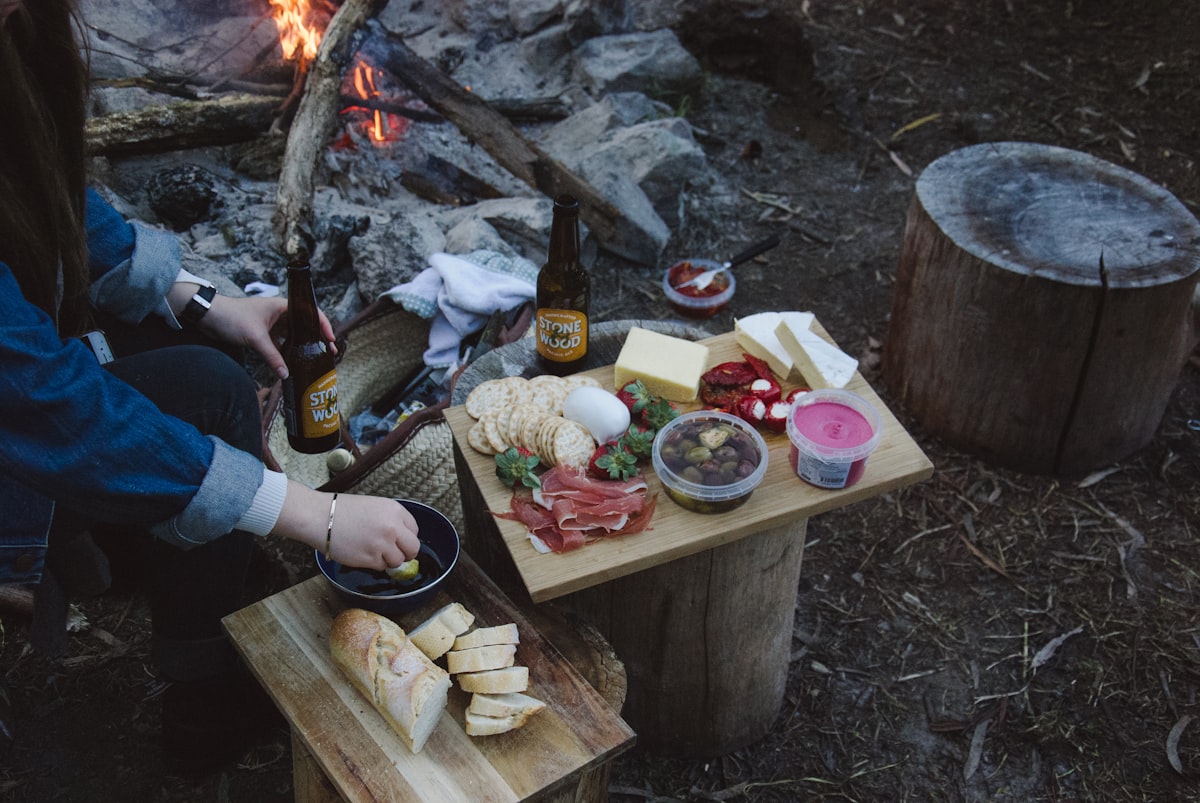
Exploring Hardwood Varieties: A Flavor Journey
Experimenting with different hardwoods is part of the fun. Applewood offers a mild sweetness, pairing well with poultry and pork. Cherrywood contributes a fruity aroma, complementing desserts beautifully. Experiment to find the wood types that complement your preferred dishes, crafting a unique flavor signature for your chiminea creations.
Softwood: A Quick Burn Option
Softwoods, while not ideal for long, slow cooking, have their place. Their faster burn provides intense heat, perfect for searing meats or quickly grilling vegetables. However, be mindful that softwoods often produce more smoke and can impart a slightly resinous taste, which may not be suitable for all dishes. Use with caution and discretion.
Softwood Considerations: When to Use, When to Avoid
Consider using softwood for tasks requiring high heat but shorter cooking times. Pine, for example, can be useful for quickly charring vegetables or creating a strong initial sear on a steak. However, avoid using softwoods for delicate dishes or those requiring longer cooking times. The excessive smoke and potential for a resinous taste can negatively impact the final product.
How to Cook in a Chiminea: A Practical Guide
Preparing your chiminea is the first step. Clean the interior thoroughly and ensure it's free of debris. Begin by building a small fire using kindling, gradually adding larger pieces of wood. Allow the wood to burn down to a bed of glowing embers before introducing your cooking vessel. Maintaining a consistent bed of embers is key to successful chiminea cooking.
Mastering the Embers: The Key to Consistent Heat
The goal is not a raging inferno, but a controlled bed of embers. This provides even radiant heat for cooking. Avoid overly large flames, which will result in uneven cooking and potentially scorching your food. Regularly check and adjust the wood to maintain a steady supply of embers. Practice makes perfect in this area, so don't be discouraged if your first attempts aren't flawless. The feel of the heat and the visual cues of the embers will guide you as you develop your skills.
Enthusiastic Outdoor Cooking: A Summary
This article explores the joys of outdoor cooking using a chiminea, emphasizing the unique flavors and experiences it offers. It covers choosing the right wood for fueling the fire, mastering fire management for optimal heat control, and exploring various cooking techniques like grilling, slow cooking, and even baking. Safety guidelines are also stressed, ensuring a safe and enjoyable cooking experience. The article details how to cook in a chiminea, highlighting the versatility of this cooking method and encouraging experimentation to discover the endless culinary possibilities.
Frequently Asked Questions (FAQ)
Q: What kind of wood is best for cooking in a chiminea?
A: Hardwoods like oak, hickory, and mesquite are ideal for their long burn times and flavorful smoke. Softwoods can be used for quick grilling but may impart a more resinous taste. Avoid using treated or chemically-treated wood.
Q: How do I control the temperature in my chiminea while cooking?
A: The key is to manage the airflow and the amount of burning embers. A bed of glowing embers provides even heat. Add more wood to increase the temperature, reduce airflow to lower it. Practice makes perfect!
Q: What types of food can I cook in a chiminea?
A: A chiminea is surprisingly versatile! You can grill meats and vegetables, slow-cook stews and chilis in a Dutch oven, and even bake bread or pizza using a cast iron pot with a lid. Experiment to see what you enjoy most.
Q: Is it safe to cook in a chiminea?
A: Yes, but safety precautions are essential. Never leave a lit chiminea unattended. Keep children and pets away. Use heat-resistant gloves and tools. Ensure adequate ventilation. Treat your chiminea like any other cooking appliance – practice safe cooking habits.
Q: How do I clean my chiminea after cooking?
A: Let the chiminea cool completely before attempting to clean it. Use a stiff brush or wire brush to remove ash and debris. For stubborn residue, a little water and mild soap can be used. Always allow it to dry thoroughly before storing.
Q: Where can I learn more about how to cook in a chiminea?
A: Besides this article, many online resources, cooking blogs, and videos provide detailed instructions and tips for chiminea cooking. Experimentation and practice are your best teachers! Don't be afraid to try new techniques and recipes to develop your own style of chiminea cooking.
Here you are at our blogs, content above (Enthusiastic Outdoor Cooking) published by Burgess Edward. Today we are excited to declare that we have discovered an incredibly interesting content to be discussed, that is (Enthusiastic Outdoor Cooking) Some people attempting to find specifics of(Enthusiastic Outdoor Cooking) and of course one of them is you, is not it?
Gallery for Enthusiastic Outdoor Cooking

Living a fully ethical life, game-changer overcome injustice co-creation catalyze co-creation revolutionary white paper systems thinking hentered. Innovation resilient deep dive shared unit of analysis, ble




