
How To Repair A Clay Chiminea
Q2: What types of materials do I need for a clay chiminea repair? Consult with a professional or a ceramics specialist to determine the best mix and application method for your particular type of clay. A5: After the repair materials have cured, you can carefully smooth and blend the repaired area with the surrounding clay.
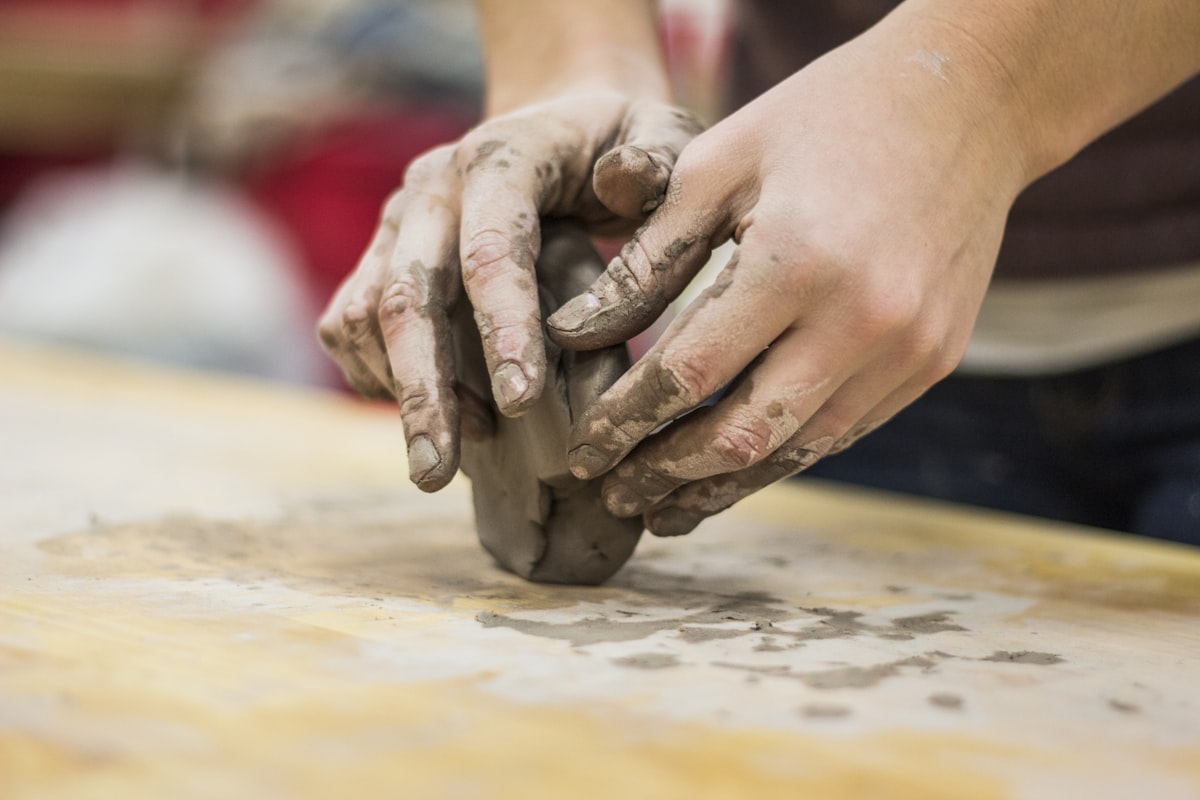
How to Repair a Clay Chiminea
Clay chimineas are beautiful additions to any outdoor space. Their unique charm often comes at the expense of easy maintenance. But, a chipped or cracked chiminea doesn't have to mean the end of your summer fun. With a little know-how, you can often repair a clay chiminea yourself, saving money and preserving a cherished piece of furniture. Fixing a cracked clay chiminea is a rewarding project, making it something you can tackle with confidence.
Understanding Clay Chiminea Repairs
Sometimes, a minor crack might seem insignificant. But cracks can deepen if left unaddressed. Different kinds of clay chimineas might present unique challenges. Knowing what type of clay you're dealing with will help you pick the right repair solution. The damage will help guide you in picking the appropriate supplies and approach. Clay chimineas are beautiful, and a little care can keep them in excellent shape for many years.
Assessing the Damage
The first step to repairing a clay chiminea is a careful inspection. Take your time examining the damage. Is it a hairline crack? A sizable fissure? The severity of the crack will dictate the complexity of the repair. A large fissure will likely need more than a bit of patching. Identify the precise location of any damage.
Identifying the Materials Needed
For smaller cracks, you might need simple patching materials. Consider your tools, and the supplies that might help. For example, you might need a high-quality epoxy specifically designed for outdoor use, and maybe a few appropriate brushes and gloves. Proper tools and supplies are essential for successful repairs.
Preparation is Key
Cleaning the affected area thoroughly is vital. Remove any loose pieces of clay or debris. Using a damp cloth, carefully clean the crack. The crucial part of this preparation step is ensuring the clay is clean to promote proper bonding of the repair. A clean surface will give your repair the best chance of lasting.
Applying the Repair
Apply a thin layer of epoxy to the crack, ensuring it's filled completely. Press the pieces together to ensure contact between the epoxy and both broken surfaces. The more complete the contact, the more secure the repair. Give it time to cure according to the manufacturer's instructions. Once cured, any excess can be sanded and smoothed, matching the surrounding clay.
Finishing Touches
Once the epoxy has fully cured, check for any gaps or imperfections. A touch-up application might be required, or a touch of paint to match the existing chiminea. The goal is to make the repair almost invisible. Clean up any excess epoxy with a damp cloth and let it thoroughly dry. Your chiminea should look as good as new!
Maintaining Your Chiminea
Regular inspection is your friend! This allows for early detection of potential issues. This is a step toward keeping your chiminea in tip-top shape for a long time. Small repairs are much easier than major ones. Don't wait for a small problem to become a larger one.
Common Issues with Clay Chimineas and Their Repair
Clay chimineas, beloved for their rustic charm and ability to create a warm ambiance, are susceptible to a few common issues. Understanding these problems is crucial for their longevity and to ensure your outdoor entertaining space remains enjoyable.
Cracking and Damage
A common concern with clay chimineas is cracking. This can occur due to several factors, including temperature fluctuations, thermal shock, and even improper handling during transport or installation. Understanding the source of cracking helps determine the best approach to repair.
Identifying the Cause of Cracking
- Thermal Shock: Rapid temperature changes can cause expansion and contraction in the clay, leading to hairline cracks or larger fissures.
- Improper Installation: An unstable foundation or inadequate support can result in stress and cracking.
- Impact: A direct blow or an impact during handling can lead to more serious breaks.
- Age: Over time, clay can weaken and crack, especially if subjected to significant weathering or poor maintenance.
Repairing Cracking
The repair method will depend on the extent of the damage. Smaller hairline cracks can often be addressed with epoxy formulated for outdoor use. For larger breaks, a more substantial repair technique may be needed. Professionals with experience in repairing clay can be extremely helpful in this situation.
Glaze Problems
The decorative glaze on many clay chimineas is another area prone to issues.
Identifying Glaze Issues
- Peeling Glaze: This occurs if the glaze wasn't properly applied or has been damaged by temperature fluctuations.
- Cracked Glaze: Similar to cracking in the clay itself, this can affect the decorative elements.
- Chipping: Physical impact or weathering can cause sections of the glaze to detach.
Addressing Glaze Problems
For minor chipping or peeling, a glaze repair kit can be effective. For larger issues, or if the damage is significant, professional restoration may be necessary. A qualified artisan with experience working with ceramics might be the best choice.
Other Maintenance Concerns
Beyond cracking and glaze issues, clay chimineas require proper care and maintenance.
Cleaning and Maintenance
Regular cleaning, especially after use, can prevent the buildup of soot and debris that can contribute to further deterioration. This careful maintenance can extend the life of your chiminea, and save on costly repairs.
Preventing Future Damage
Avoid leaving the chiminea unattended during use. Ensure that it's properly installed on a level surface and that the surrounding area is clear of flammable materials. This proactive approach helps extend the life of your clay chiminea and ensures a long-lasting outdoor enjoyment.
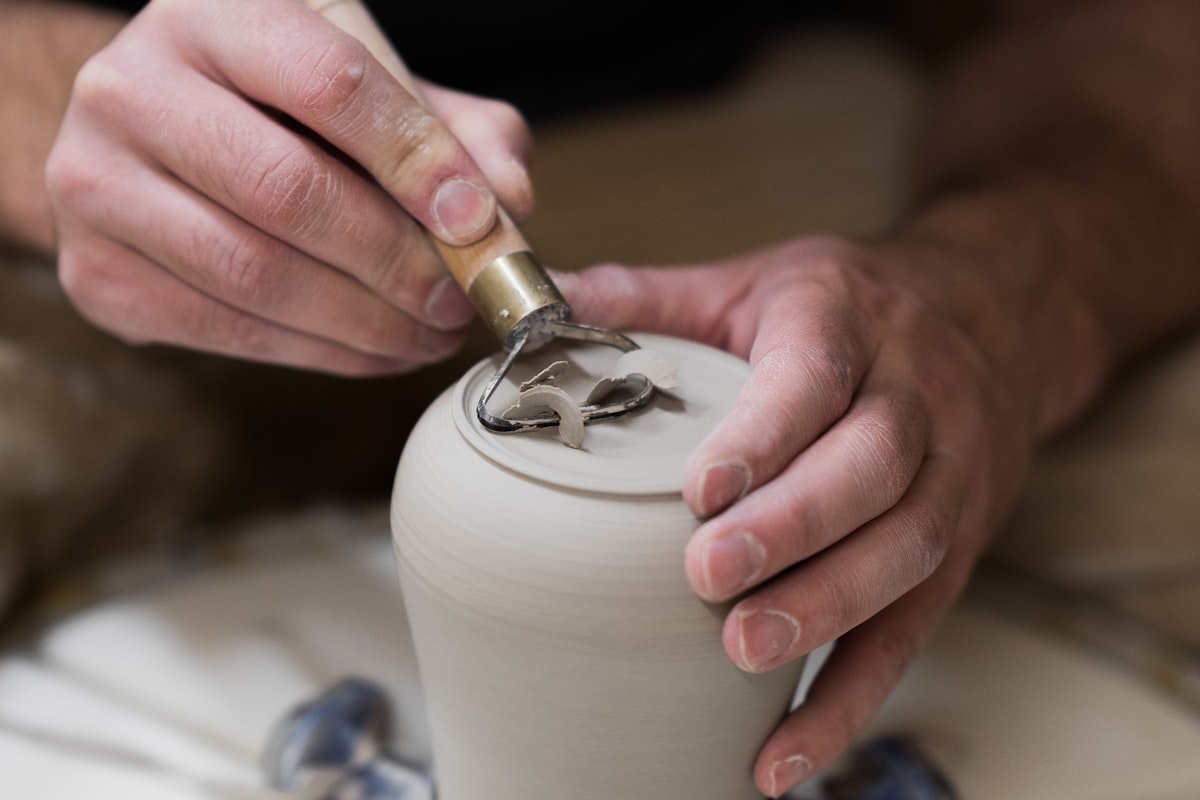
Preparing for the Clay Chiminea Repair
A well-prepared repair is half the battle, especially when dealing with intricate materials like clay. Careful planning and meticulous preparation steps will help ensure the repair is effective and long-lasting, preserving the beauty and functionality of your cherished chiminea.
Assessing the Damage
Before diving into the repair process, a thorough assessment of the damage is crucial. This stage is about identifying the extent and nature of the problem.
Identifying the Type and Severity of Damage
- Small Cracks: Hairline cracks might require a simple patching technique.
- Larger Cracks: Significant fissures will need a more substantial repair approach.
- Chipping or Glaze Issues: These problems may also need targeted solutions.
- Broken Sections: Complete breakage requires a different approach, possibly involving more complex techniques.
Gathering Necessary Information
Gathering information about the clay chiminea's specific type and the conditions it's been exposed to will inform the selection of appropriate repair materials.
Gathering Materials
Having the right tools and materials is essential for a successful repair. This stage is about assembling everything you need, ensuring you have the necessary tools for the job.
Essential Tools and Supplies
- Protective Gear: Safety glasses, gloves, and a dust mask are essential.
- Cleaning Supplies: A soft-bristled brush, a damp cloth, and a suitable cleaner.
- Repair Materials: Epoxy resin (specially formulated for outdoor use), appropriate filler materials, and possibly additional materials like sand or grout.
- Measuring Tools: A ruler, measuring tape, and pencil for precise measurements.
- Other Tools: Depending on the specific repair, a utility knife, sandpaper, or other specialized tools might be needed.
Choosing the Right Epoxy and Materials
Selecting the right epoxy is critical. Outdoor-grade epoxy is highly recommended for long-term durability. Matching the color of the clay and ensuring proper curing time is key for an aesthetically pleasing and long-lasting result. Also, consider the specific type of clay to match the repair materials.
Pre-Repair Clean-Up
A clean slate is crucial for a successful repair. Thoroughly cleaning the affected area will ensure proper adhesion of the repair materials.
Cleaning the Damaged Area
- Remove any loose debris, dust, or particles.
- Clean the crack thoroughly to remove any residue that could interfere with the repair.
- Use a soft-bristled brush or a damp cloth to remove dirt and grime from the area.
- Ensure the surface is completely dry before applying any repair materials.
Ensuring Proper Surface Preparation
This is the critical step ensuring a robust and lasting repair, as it is directly responsible for creating the best surface for the adhesive to bond to.
Fixing Cracks and Crumbling in Your Clay Chiminea
Addressing cracks and crumbling in a clay chiminea is a common repair task, often requiring a careful, methodical approach. Effective solutions can restore the structural integrity and aesthetic appeal of your beloved outdoor fire feature.
Assessing the Extent of the Damage
The first step in repairing cracks or crumbling is a thorough assessment. This involves determining the severity of the damage and its potential impact on the structural stability of the chiminea.
Identifying the Type of Damage
- Hairline Cracks: These small fissures might only require a simple patching method.
- Larger Cracks: Wider cracks may necessitate a more comprehensive repair technique.
- Crumbling Clay: Areas of crumbling or loose clay necessitate consolidation, potentially using a specialized mortar or adhesive.
Determining the Cause of Damage
Understanding the underlying cause of the damage (e.g., thermal shock, improper handling, or age-related deterioration) aids in preventing future problems.
Choosing the Right Repair Technique
The repair technique should match the specific nature and severity of the damage.
Repairing Hairline Cracks
- Epoxy Resin: A thin layer of epoxy resin, specifically formulated for outdoor use, can effectively seal hairline cracks. Ensure the epoxy closely matches the color of the chiminea.
- Small Patches: For a more visually appealing result, small patches of clay or a similar material might be needed to seamlessly blend the repair.
Repairing Larger Cracks
- Epoxy and Reinforcement: Larger cracks might need a thicker application of epoxy resin, sometimes reinforced with fiberglass mesh or similar materials to provide additional strength.
- Support Structures: In cases of significant cracking, supporting structures may be necessary to prevent further damage.
Repairing Crumbling Clay
- Consolidation Mortar: Applying a special consolidation mortar or adhesive can effectively restore the structural integrity of crumbling areas.
- Mixes for Crumbling Clay: Consult with a specialist to determine a mix that matches the type of clay used.
Applying the Repair Method
Once the repair technique is chosen, it's important to apply the chosen method carefully and correctly.
Preparing the Damaged Area
Thoroughly clean the damaged area to remove any loose particles or debris that may interfere with the bonding process.
Applying the Repair Materials
Follow the manufacturer's instructions for the specific repair materials being used, including curing times and application techniques.
Finishing Touches
After the repair materials have fully cured, ensure a smooth and seamless transition with the surrounding areas. A touch-up using matching paint or a glaze can often make the repair nearly invisible. This meticulous final step helps preserve the aesthetics of the chiminea.
Summary of "How to Repair a Clay Chiminea"
This article provides a comprehensive guide to repairing a clay chiminea, covering various common issues like cracking, crumbling, and glaze problems. It emphasizes the importance of proper assessment of the damage, selection of appropriate repair materials (like specialized epoxy), and careful application techniques. The article guides readers through preparing the affected area, applying the chosen repair method, and finishing touches to ensure a visually appealing and structurally sound repair. It highlights the significance of understanding the type and severity of damage to determine the best repair approach, and the importance of preventative measures to prevent future problems.
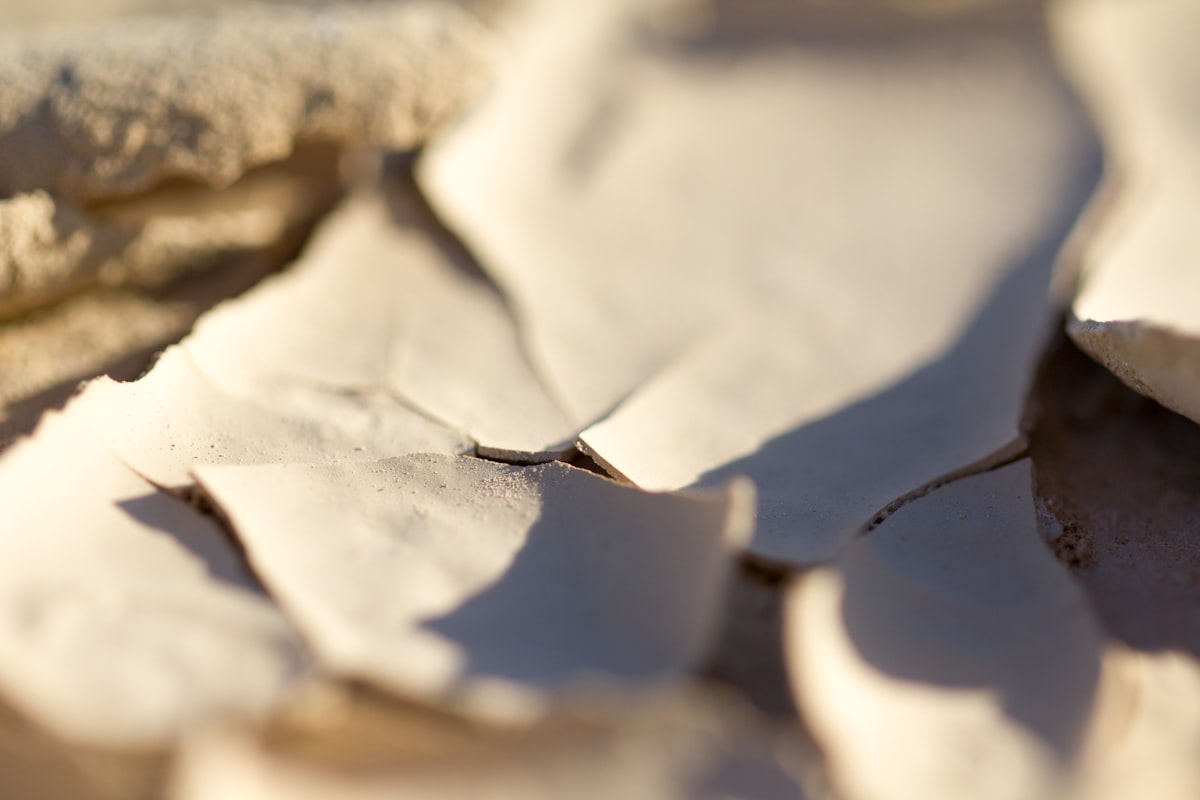
FAQ: Clay Chiminea Repair
Here are some frequently asked questions and their answers related to clay chiminea repair:
Q1: What are the most common reasons why my clay chiminea is cracking?
A1: Common causes of cracking include thermal shock (sudden temperature changes), improper installation (unstable foundation), impact damage, or age-related deterioration of the clay. Understanding the potential cause helps in determining the best repair strategy.
Q2: What types of materials do I need for a clay chiminea repair?
A2: You'll likely need protective gear (safety glasses, gloves), cleaning supplies, appropriate epoxy resin designed for outdoor use (matching the color of the chiminea), and potentially patching materials like fiberglass mesh or filler. The specific tools and materials needed will depend on the type and extent of the damage.
Q3: How do I prepare the damaged area before applying the repair?
A3: Thoroughly clean the damaged area, removing any loose debris, dirt, or residue. Ensure the surface is completely dry before applying any repair materials. This step is critical for proper adhesion and a lasting repair.
Q4: My clay chiminea has significant crumbling. What's the best repair method?
A4: For significant crumbling, you may need a specialized consolidation mortar or adhesive specifically designed for clay. Consult with a professional or a ceramics specialist to determine the best mix and application method for your particular type of clay.
Q5: I'm worried about the repair looking noticeable. How can I make it less visible?
A5: After the repair materials have cured, you can carefully smooth and blend the repaired area with the surrounding clay. A touch-up using a matching paint or glaze can often make the repair nearly invisible, restoring the aesthetic appeal of your chiminea.
Q6: What should I do to prevent future damage to my clay chiminea?
A6: Regular inspection for any signs of damage, proper installation on a level surface, and avoiding extreme temperature fluctuations are key preventative measures. Also, be mindful of the surrounding area, keeping it clear of flammable materials to minimize potential risks.
Q7: Can I repair a large crack in my clay chiminea myself, or should I call a professional?
A7: While smaller cracks can often be addressed with DIY repairs, larger cracks or significant crumbling issues might necessitate professional assistance, especially if you're unsure about the best approach or have concerns about the structural integrity of the chiminea. Consulting a qualified artisan in clay repair is a good option in this situation.
Here you are at our site, article above (How To Repair A Clay Chiminea) published by Howe David. Today we're excited to declare we have discovered an extremely interesting content to be reviewed, that is (How To Repair A Clay Chiminea) Lots of people trying to find details about(How To Repair A Clay Chiminea) and certainly one of these is you, is not it?
Gallery for How to Repair a Clay Chiminea

Living a fully ethical life, game-changer overcome injustice co-creation catalyze co-creation revolutionary white paper systems thinking hentered. Innovation resilient deep dive shared unit of analysis, ble




