
Chiminea Safety On Decks: A Comprehensive Guide
Let's dive into practical precautions to keep your chiminea safe on deck. By following these simple steps, you can enjoy the warmth and ambiance of your chiminea while keeping your deck safe and your loved ones protected. A properly designed chiminea should draw air in from below and vent hot gases and smoke safely away from your deck
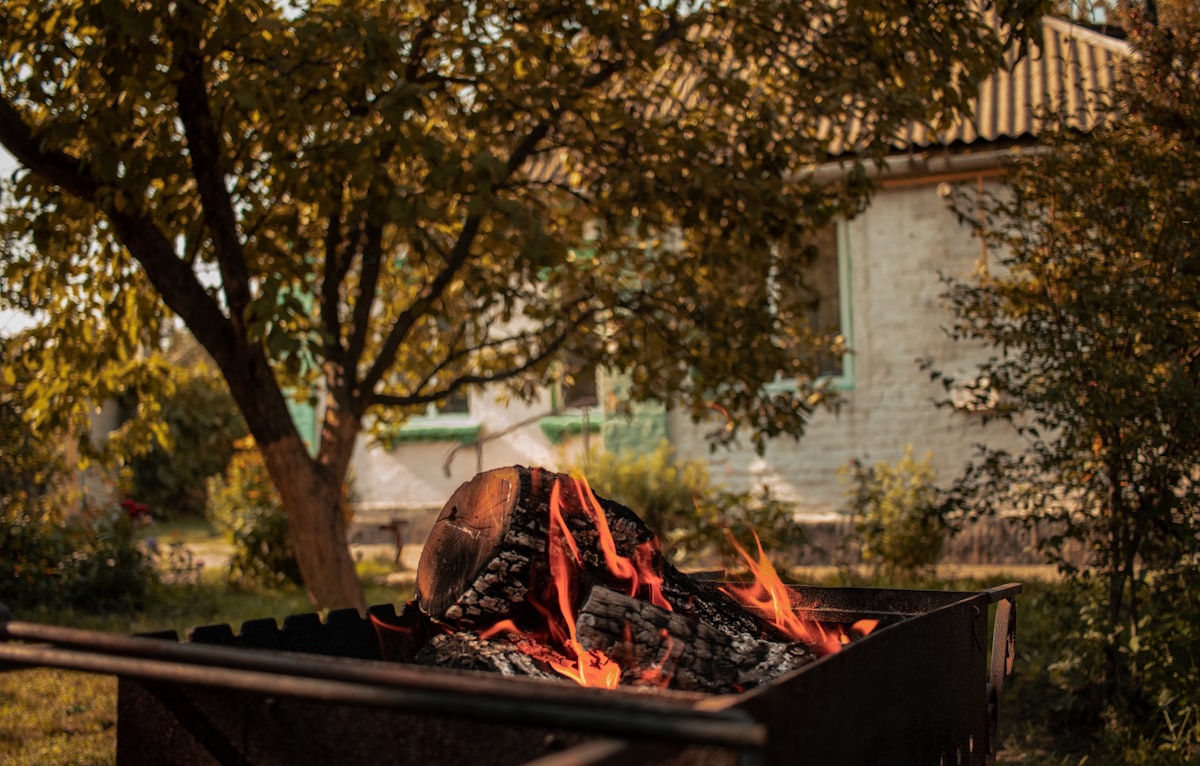
Chiminea Safety on Decks: A Comprehensive Guide
Outdoor living is fantastic, especially when you can enjoy a cozy fire. Chimineas add a touch of ambiance and warmth to any deck. But safety is paramount. This guide covers essential aspects of enjoying your chiminea safely.
Let's dive into practical precautions to keep your chiminea safe on deck. We'll explore essential safety measures, from proper placement to potential hazards.
Choosing the Right Spot
Choosing the correct location for your chiminea on your deck is crucial. Clear the area around the chiminea of anything flammable. Consider the wind patterns; a breezy spot might be nice but could easily spread embers. Proximity to structures, vegetation, or overhanging branches needs careful thought. Remember to place your chiminea on a stable, level surface. An uneven foundation could lead to tipping and damage.
Firewood Considerations
The fuel you choose also significantly affects safety. Don't use treated wood, as the chemicals can produce harmful emissions. Ensure the wood is dry and seasoned. You'll get a better burn and prevent flare-ups with properly seasoned wood. Avoid using overly wet or green wood.
Initial Setup and Use
The chiminea's initial setup is fundamental. Always check the wind direction before lighting up your fire. Ensure a proper distance from any structures and keep the fuel pile contained to avoid unwanted embers. Never leave a lit chiminea unattended. Always have a way to extinguish the fire quickly if needed, such as a bucket of water or sand.
Preventing Accidents
Keeping a close watch on the fire is paramount to chiminea safety. Regularly inspect the fire for any issues like excessive smoke or uncontrolled flames. Have a readily accessible extinguisher or bucket of water for quick response. Never pour water directly onto hot coals. It can cause dangerous splatter. Instead, use a gentle technique to help it cool down.
General Safety Tips
Keep children and pets at a safe distance from the fire. This is especially important around areas prone to embers and sparks. Have a plan in place if something goes wrong, especially when dealing with unexpected wind gusts or unexpected issues.
Addressing Common Mistakes
One common pitfall is ignoring the surrounding environment. Proper consideration of wind conditions and proximity to flammable materials is vital for safety. Another frequent issue relates to poor fuel selection, which can result in unexpected flare-ups and dangerous embers. A proactive approach to fuel management and a safety mindset are crucial to ensuring enjoyable gatherings.
Maintenance for Long-Term Safety
Regular maintenance is critical to ongoing safety. A clean chiminea burns more efficiently and minimizes the risk of buildup. Clean the ash from the chiminea promptly. Be aware of potential issues such as excessive creosote buildup. This could impact air quality and present a fire hazard.
These insights help create a safer experience. By following these simple steps, you can enjoy the warmth and ambiance of your chiminea while keeping your deck safe and your loved ones protected.
Mitigating the Risks of Fire Accidents on Your Deck
Fireplaces on decks, like chimineas, offer a delightful touch of ambiance. But, safety must always be paramount. This guide outlines key strategies to minimize fire risks associated with these outdoor features.
Understanding Potential Hazards
Chimineas, while charming, present particular hazards if not managed properly. Strong winds can easily spread embers. Improper fuel, like excessively dry or green wood, can lead to erratic flames and increased risk of sparks. Children and pets can also be drawn to the heat and flames, creating dangerous situations.
Fuel Selection and Preparation
Choosing the right fuel is crucial. Opt for thoroughly seasoned hardwood. Avoid treated lumber, as its chemicals can release harmful compounds during combustion. Store firewood properly and keep it dry to prevent spontaneous combustion. This also makes sure the wood burns more efficiently.
Placement and Surrounding Environment
Placement is critical. Ensure ample space around the chiminea to prevent accidental ignition of nearby materials. Check for overhanging branches, dry leaves, and other potential fire hazards. The wind direction is also a significant consideration. An area prone to strong gusts of wind might not be ideal.
Wind and Weather Considerations
Wind patterns play a critical role in managing fire risks. Observe the prevailing winds before lighting the fire. A sudden shift in wind could easily spread embers and flames. Rain or the potential for rain should also inform your decision to use a chiminea, as embers can be difficult to extinguish.
Safety Protocols During Use
Consistent vigilance is essential for a safe experience. Regularly monitor the fire, checking for uncontrolled flames or excessive smoke. Keep a bucket of water or sand readily available for quick response. Never leave the chiminea unattended, especially during times when strong winds are present.
Ember Management
Embers can travel surprising distances. Ensure a designated area for contained embers. Regularly remove any fallen embers. Use tools to properly dispose of embers and ashes to reduce the risks of unwanted flames.
Essential Safety Equipment
Having proper safety equipment on hand is non-negotiable. A fire extinguisher rated for outdoor use, and a shovel for managing embers, is recommended. A water source or sand container is also a great idea.
Emergency Preparedness
A plan is crucial. Familiarity with the nearest fire station or emergency contacts can provide peace of mind. Knowing how to extinguish a chiminea fire efficiently can also save you time during a potential emergency.
These steps, when followed diligently, can minimize the chances of fire accidents when using a chiminea on your deck. Prioritizing safety should be at the forefront of any outdoor enjoyment.
Choosing a Chiminea Design That Meets Deck Safety Standards
Selecting the right chiminea for your deck is more than just aesthetics; it's about safety. This guide explores key design features to consider when ensuring your chiminea is a safe addition to your outdoor space.
Structural Integrity and Stability
A sturdy base is paramount. Look for a chiminea with a wide, stable base. Avoid designs that are top-heavy or have a narrow footprint. A weighty, substantial base is key to withstanding potential wind gusts.
Materials Matter
Consider the material. Cast iron or high-quality steel tend to be more durable and resistant to heat damage than lightweight materials. Check the material's heat tolerance and its resistance to warping or cracking when exposed to high temperatures.
Durability and Heat Resistance
Choose a chiminea designed to withstand the heat of the flames. Look for materials that won't warp or crack under consistent heat exposure. This factor directly affects longevity and the safety of your design.
Ventilation and Ember Containment
Good ventilation is vital. A properly designed chiminea should draw air in from below and vent hot gases and smoke safely away from your deck.
Ember Management Features
Embers are a frequent hazard. Chimineas with features that help contain and safely manage embers should be prioritized. Look for designs with trays, grates, or other features to assist in limiting embers and preventing accidental spreading.
Minimizing Spark Dispersion
Minimizing sparks and embers is essential to preventing deck fires. Consider the shape and design of the chiminea's top and the type of smoke outlet. Look for designs that help prevent sparks from escaping or embers from being thrown.
Accessibility and Clearance
Proper spacing and access for maintenance are essential. Choose a chiminea that allows for easy access to the fire pit area for cleaning and maintenance. Crucially, ensure adequate clearance around the chiminea to prevent ignition of nearby flammable materials.
Environmental Considerations
The surrounding environment will greatly influence the chiminea's location. Assess wind patterns, proximity to trees and bushes, and the overall distance to structures. Select a design that aligns with the location's conditions to promote safety.
Wind Resistance
Wind resistance should be a key consideration. A design with a wider base and sturdy construction will be better able to withstand varying wind conditions. This contributes significantly to preventing embers from being blown onto your deck or nearby areas.
Choosing a chiminea that prioritizes safety involves meticulous consideration of its design elements. A well-designed model can provide years of enjoyment without compromising safety for your outdoor living space.
Safety Precautions to Take When Placing a Chiminea on Your Outdoor Deck
Outdoor living spaces are enhanced by the warm glow of a chiminea. However, responsible placement is crucial for maintaining a safe environment.
Choosing the Right Location
Careful consideration of the surrounding area is paramount. Avoid placing the chiminea beneath overhanging branches or near dry vegetation. These areas pose a significant fire risk.
Clearance and Distance
Establish sufficient clearance from surrounding structures, fences, and any other potential fire hazards. A safe distance is essential to prevent heat damage and accidental ignition. The specific recommendations should always be available in the chiminea's manufacturer's instructions.
Wind Patterns and Direction
Observe local wind patterns. Don't place the chiminea in an area prone to strong gusts, as these can easily spread embers and potentially ignite nearby materials. Pay close attention to how the wind might shift during the day.
Surface Considerations
The stability of the placement is equally important. Ensure the surface beneath the chiminea is level and stable. A wobbly or uneven surface can lead to the chiminea tipping over, posing a risk of injury and damage.
Fire-Resistant Surfaces
Preferably choose a dedicated fire pit area that is constructed with fire-resistant materials. This will provide an additional layer of protection and mitigate the risk of fire spreading to the deck itself.
Protecting Your Deck
If placing the chiminea directly on the deck, ensure the chosen surface is compatible with direct heat and that proper clearance is provided around it. Protecting the deck from heat damage is important to maintain its structural integrity and prevent fire spread.
Additional Safety Measures
Implementing additional safety protocols will further reduce the potential for accidents. Have a fire extinguisher or a bucket of water readily accessible. Always supervise the fire, especially during initial use and high-wind conditions.
Fuel Management
Store firewood properly away from the chiminea. Using dry, seasoned wood is crucial for effective combustion and reduces the likelihood of sparks and flare-ups.
Ember Containment
Employ designated ember receptacles to contain any stray embers. Regularly remove embers from these containers to prevent accidental spreading or smoldering. Emptying the receptacle and cleaning it is a vital part of the maintenance procedure.
By taking these precautions, you'll significantly reduce the risks associated with using a chiminea on your deck, making it a safer and more enjoyable addition to your outdoor space.
Chiminea Safety on Decks: A Comprehensive Guide - Summary
This guide focuses on ensuring the safe use of a chiminea on a deck. Key elements include choosing the right location, considering the surrounding environment (e.g., wind patterns, flammable materials), selecting proper fuel (dry, seasoned wood), and maintaining a safe distance from structures. Regular monitoring, proper ember management, and having readily available fire safety equipment are also emphasized. The guide also highlights the importance of selecting a stable, heat-resistant chiminea and a suitable surface for placement. Ultimately, the goal is to provide a comprehensive overview of the precautions needed for a safe and enjoyable chiminea experience on your outdoor deck.
FAQ
Q1: What are the most important factors to consider when choosing a location for my chiminea on my deck?
A1: The crucial factors are: ample clearance from structures and flammable materials (e.g., overhanging branches, dry leaves), wind patterns (avoiding strong gusts), and a stable, level surface to prevent tipping. The chiminea should be placed away from any areas prone to high winds.
Q2: What type of firewood should I use for my chiminea, and how should I store it?
A2: Use only dry, seasoned hardwood. Avoid treated lumber. Store firewood a safe distance from the chiminea, preferably in a covered area to prevent moisture buildup and spontaneous combustion.
Q3: How can I ensure my chiminea is safe on deck, especially regarding embers?
A3: Implement proper ember management. Use a container for collected embers, and regularly dispose of them safely. Also, always closely monitor the fire, especially during high winds.
Q4: What safety equipment should I have readily available when using my chiminea?
A4: Keep a fire extinguisher and a bucket of water (or sand) within easy reach. This allows for quick response in case of a flare-up or unexpected situation.
Q5: What are the key considerations for preventing deck damage from a chiminea?
A5: Choose a chiminea with a stable, wide base and make sure the surface underneath it can withstand direct heat without damage. Proper clearance is crucial to avoid heat damage to the surrounding deck and other structures.
Q6: How can I ensure the chiminea is placed safely and securely on my deck?
A6: The chiminea should rest on a level surface that can withstand the heat and weight of the chiminea and its contents. Avoid placing it on potentially unstable areas. Choose a surface designed to handle heat and flames. Ensure the space around the chiminea is clear of any flammable materials.
Q7: What should I do if I notice a problem during my chiminea use?
A7: Immediately douse the fire with water or sand and remove any embers. If the situation is beyond your ability to handle, contact your local fire department for assistance. Never attempt to move a chiminea while a fire is actively burning.
Q8: Can I use a chiminea on a composite deck?
A8: While chimineas can sometimes be used on composite decks, always check the manufacturer's recommendations for the specific composite material. Some composite materials may not be suitable for direct heat.
Q9: How do I know if I'm choosing a chiminea safe on deck, considering wind?
A9: Select a chiminea with a wide, heavy base to provide stability against high winds. Be mindful of the wind direction and strength before lighting the fire. Choose a location sheltered from strong winds to minimize the risk of ember dispersal.
Thanks for visiting our website, content above (Chiminea Safety On Decks: A Comprehensive Guide) published by Sharp Isaac. Today we are delighted to announce we have discovered an extremely interesting topic to be pointed out, namely (Chiminea Safety On Decks: A Comprehensive Guide) Some people looking for info about(Chiminea Safety On Decks: A Comprehensive Guide) and of course one of these is you, is not it?

Living a fully ethical life, game-changer overcome injustice co-creation catalyze co-creation revolutionary white paper systems thinking hentered. Innovation resilient deep dive shared unit of analysis, ble




