
Chiminea Cast Iron Or Steel: Which Is The Best Option For You?
Chimineas are outdoor fireplaces traditionally made from clay but now commonly available in metal forms such as cast iron and steel. Steel chimineas, while durable, are not as robust as their cast iron counterparts. Steel chimineas may require additional coatings or replacements if rusting occurs, but their maintenance costs are often lower than those of cast iron
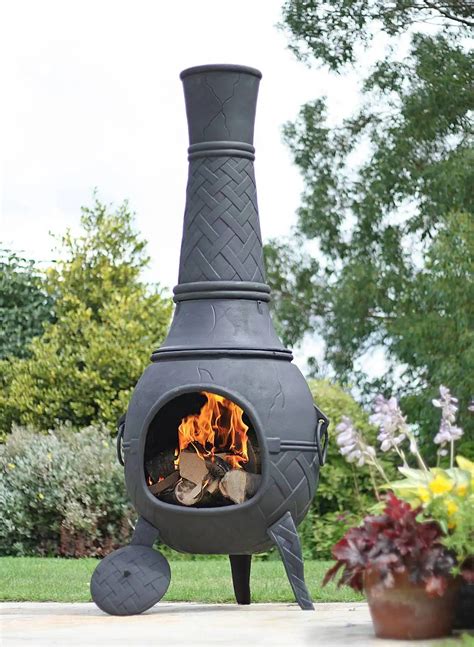
Understanding Chimineas
Chimineas are outdoor fireplaces traditionally made from clay but now commonly available in metal forms such as cast iron and steel. They are popular for creating warmth and ambiance in outdoor spaces.
Benefits of Metal Chimineas
- Durability: Both cast iron and steel are highly durable materials compared to clay, making them better suited for long-term use.
- Heat Retention: Metal chimineas generally retain and radiate heat more effectively than their clay counterparts.
Features of Cast Iron Chimineas
Cast iron chimineas are known for their robust build and excellent heat-retention capabilities.
Advantages of Cast Iron
- Heat Distribution: Cast iron provides consistent and even heat distribution, keeping the surrounding area warm.
- Durability: These chimineas are highly resistant to cracking and can withstand high temperatures.
- Traditional Look: Their rustic and classic design enhances the aesthetic appeal of any outdoor space.
Disadvantages of Cast Iron
- Weight: Cast iron chimineas are heavy, making them less portable.
- Maintenance: They require regular maintenance to prevent rust and corrosion.
- Heating Time: They take longer to heat up compared to steel models.
Features of Steel Chimineas
Steel chimineas are a modern alternative, offering a sleek and lightweight option for outdoor heating.
Advantages of Steel
- Lightweight Design: Steel chimineas are easier to move and reposition.
- Quick Heating: They heat up quickly, making them efficient for short-term use.
- Modern Aesthetics: Available in contemporary designs, they fit well with modern outdoor setups.
Disadvantages of Steel
- Heat Retention: Steel does not retain heat as effectively as cast iron.
- Durability: They are prone to warping and may not last as long as cast iron.
- Weather Resistance: Without proper care, steel chimineas can develop rust.
Choosing Between Cast Iron and Steel
Considerations for Cast Iron
- Long-Term Use: Ideal for those who want a durable, stationary chiminea.
- Outdoor Conditions: Better suited for cooler climates where prolonged heat is needed.
Considerations for Steel
- Portability: Perfect for users who may need to relocate the chiminea frequently.
- Quick Usage: Best for situations where fast heating is required.
Maintenance Tips for Both Types
- Protective Coatings: Apply a heat-resistant paint or rust-preventive coating regularly.
- Storage: Use a weatherproof cover or store indoors during adverse weather conditions.
- Cleaning: Remove ashes and soot after use to prolong the lifespan of the chiminea.
Comparing the Durability of Cast Iron and Steel Chimineas
Strength and Longevity
Cast Iron Durability
Chimineas made from cast iron are renowned for their exceptional strength and longevity. The dense material is resistant to high temperatures, reducing the risk of cracking or deformation during use. Cast iron is particularly well-suited for environments where the chiminea will see frequent or prolonged use.
Steel Durability
Steel chimineas, while durable, are not as robust as their cast iron counterparts. The thinner material is more prone to warping under extreme heat, especially if exposed to rapid temperature changes. However, with proper care, steel chimineas can last for many years.
Weather Resistance
Cast Iron in Outdoor Conditions
Cast iron is susceptible to rust and corrosion when exposed to moisture. Regular maintenance, such as applying rust-resistant coatings and keeping the chiminea covered, can significantly extend its lifespan.
Steel in Outdoor Conditions
Steel chimineas are also vulnerable to rust, but their lightweight design makes them easier to move and store indoors during inclement weather. Stainless steel versions offer better resistance but come at a higher cost.
Maintenance Requirements
Cast Iron Chimineas
- Rust Prevention: Regularly apply heat-resistant paint or oil to protect against rust.
- Weight Considerations: Their heavy weight makes them less convenient to move, requiring a fixed, covered location for storage.
Steel Chimineas
- Protective Coatings: Steel chimineas often need additional coatings to combat rust and weather damage.
- Storage Ease: Their lightweight design allows for easier relocation and storage during the off-season.
Suitability for Different Use Cases
When to Choose Cast Iron
Cast iron chimineas are ideal for users seeking a stationary, long-lasting option that can handle regular use and provide consistent heating. Their durability makes them perfect for colder climates or large outdoor spaces.
When to Choose Steel
Steel chimineas are a better option for those who prioritize portability and quick heating. They are well-suited for occasional use, especially in milder climates or smaller outdoor areas.
The Aesthetics of Cast Iron vs Steel: A Design Perspective
Visual Appeal of Cast Iron Chimineas
Classic and Rustic Charm
Cast iron chimineas are synonymous with timeless design. Their intricate patterns and traditional shapes bring a rustic charm to outdoor spaces, making them a centerpiece for classic garden settings.
Versatility in Finishes
Available in various finishes, from matte black to antique bronze, cast iron chimineas complement a wide range of outdoor décor styles. Their sturdy build further enhances their premium appearance.
Visual Appeal of Steel Chimineas
Sleek and Modern Look
Steel chimineas cater to contemporary tastes with their streamlined and minimalist designs. They often feature clean lines and metallic finishes, making them a stylish addition to modern patios or balconies.
Customization Options
Steel offers more customization options with vibrant powder-coated finishes and unique shapes, appealing to those seeking a statement piece for their outdoor area.
Choosing Based on Aesthetic Preferences
Cast Iron for Traditional Spaces
For homeowners who favor a classic and elegant outdoor ambiance, a cast iron chiminea is the perfect choice. Its robust and vintage design blends seamlessly with rustic or traditional landscaping.
Steel for Contemporary Settings
Steel chimineas are ideal for sleek, modern outdoor setups. Their lightweight and polished designs are perfect for small, urban spaces or minimalist gardens.
Heat Retention and Efficiency: Cast Iron vs Steel Chimineas
Heat Retention Characteristics
Cast Iron Efficiency
Cast iron excels in heat retention, making it a preferred material for those who enjoy prolonged warmth. Once heated, the thick material maintains its temperature, distributing consistent warmth over a large area.
Steel Efficiency
Steel heats up rapidly, providing immediate warmth. However, it cools down quickly once the fire dies, making it less efficient for extended heating.
Heating Capabilities in Different Climates
Cast Iron in Cold Environments
In colder climates, cast iron chimineas shine due to their ability to radiate heat for longer periods. This makes them an excellent choice for chilly nights or seasonal use in winter.
Steel in Mild Conditions
For warmer regions or quick heating needs, steel chimineas are more practical. Their fast-heating nature ensures immediate comfort without the need for prolonged use.
Energy Consumption and Firewood Use
Cast Iron Usage
Due to its excellent heat retention, a cast iron chiminea requires less frequent refueling, making it a cost-effective option for those who use it regularly.
Steel Usage
Steel chimineas, while efficient for quick heating, may consume more firewood over time due to their inability to retain heat effectively.
Choosing Based on Heating Needs
Cast Iron for Long Sessions
If you frequently host long outdoor gatherings or need a consistent heat source, a cast iron chiminea is the optimal choice.
Steel for Quick Warmth
For short-term use or casual evenings, steel chimineas are ideal for their rapid heating and easy operation.
Maintenance and Upkeep: Which Material Requires Less Effort?
Routine Care and Cleaning
Cast Iron Maintenance
Cast iron chimineas require consistent care to prevent rust and corrosion. Regular cleaning of soot and ash is essential, along with applying a heat-resistant paint or oil to protect the surface. Due to their heavy weight, moving them to sheltered areas can be challenging.
Steel Maintenance
Steel chimineas are easier to clean because of their smooth surfaces. While they also need rust prevention measures, such as weatherproof coatings, their lighter weight makes them more portable and easier to store indoors during adverse weather.
Weather Resistance
Protecting Cast Iron
Cast iron is more prone to rusting if exposed to rain or snow for extended periods. Using a sturdy cover or placing it in a sheltered spot can minimize weather damage.
Protecting Steel
Steel chimineas are susceptible to rust, especially if not made of stainless steel. However, their lightweight construction allows for quicker relocation to protect them from harsh conditions.
Frequency of Maintenance
Cast Iron Durability with Care
With consistent upkeep, cast iron chimineas are highly durable and can last for decades, but their maintenance schedule may feel demanding for some users.
Steel's Low-Maintenance Appeal
Steel chimineas require less frequent care due to their modern designs and protective coatings, making them a more convenient choice for casual users.
Pricing and Value: Is Cast Iron or Steel the Better Investment?
Initial Cost Comparison
Cast Iron Chimineas
Cast iron chimineas tend to be more expensive due to their heavy-duty construction and longer lifespan. Their higher upfront cost reflects their durability and superior heat retention capabilities.
Steel Chimineas
Steel chimineas are generally more affordable, making them an attractive option for budget-conscious buyers. Their lower cost is balanced by the need for more frequent replacements in the long run.
Long-Term Value
Longevity of Cast Iron
The durability of cast iron ensures that it can withstand years of use with proper maintenance, offering excellent value over time despite the initial investment.
Steel's Replacement Costs
While steel chimineas are less expensive upfront, their susceptibility to warping and rust may lead to higher replacement costs over the years.
Cost of Maintenance
Cast Iron Maintenance Expenses
Regular applications of rust-preventive treatments and protective paint can add to the ongoing costs of owning a cast iron chiminea.
Steel Maintenance Expenses
Steel chimineas may require additional coatings or replacements if rusting occurs, but their maintenance costs are often lower than those of cast iron.
Choosing Based on Budget and Usage
Cast Iron for Long-Term Investments
For users seeking a durable, long-lasting chiminea, the higher price of cast iron is justified by its extended lifespan and superior performance.
Steel for Short-Term Savings
Steel chimineas are ideal for occasional use or
Thanks for visiting our website, content above (Chiminea Cast Iron Or Steel: Which Is The Best Option For You?) published by Stephenson Scott. Nowadays we're excited to declare we have discovered an extremely interesting niche to be reviewed, namely (Chiminea Cast Iron Or Steel: Which Is The Best Option For You?) Most people attempting to find information about(Chiminea Cast Iron Or Steel: Which Is The Best Option For You?) and of course one of them is you, is not it?

Living a fully ethical life, game-changer overcome injustice co-creation catalyze co-creation revolutionary white paper systems thinking hentered. Innovation resilient deep dive shared unit of analysis, ble




