
Choosing The Perfect Patio Heater: Cast Iron Or Clay Chiminea?
Cast iron chimineas are known for their durability and heat retention. When deciding between a cast iron or clay chiminea, consider the level of maintenance you are willing to commit to. When considering safety, cast iron offers unmatched stability and durability, while clay provides a cooler exterior and gentler heat

Types of Chiminea Materials
Cast Iron Chiminea
Cast iron chimineas are known for their durability and heat retention. They are made from solid, heavy-duty material that can withstand high temperatures over extended periods. These chimineas are ideal for areas with frequent use and can last for years with proper care. Additionally, they are resistant to cracking, which makes them a reliable choice in colder climates.
Pros of Cast Iron Chiminea
- Excellent heat retention and even distribution.
- Durable and long-lasting construction.
- Can withstand high temperatures and repeated use.
- Suitable for cooking purposes, such as grilling or roasting.
Cons of Cast Iron Chiminea
- Heavier and more challenging to move than other materials.
- Prone to rusting if not properly maintained.
- Requires regular upkeep, such as cleaning and applying protective coatings.
Clay Chiminea
Clay chimineas offer a traditional aesthetic and are often associated with Southwestern or rustic designs. They are crafted from fired clay and are much lighter than their cast iron counterparts. Clay chimineas are a great option for occasional use and are perfect for adding charm to an outdoor space.
Pros of Clay Chiminea
- Lightweight and easy to relocate.
- Naturally insulates heat, providing warmth in a contained area.
- Adds a rustic and decorative element to patios.
- Requires less maintenance compared to cast iron.
Cons of Clay Chiminea
- Fragile and prone to cracking if exposed to extreme temperature changes.
- Less durable over time, especially in harsh weather conditions.
- Limited in cooking capabilities due to heat distribution.
Key Considerations for Choosing a Chiminea
Durability and Maintenance
When deciding between a cast iron or clay chiminea, consider the level of maintenance you are willing to commit to. Cast iron chimineas demand more upkeep to prevent rust, whereas clay chimineas require care to avoid cracks and breakage. If durability is a priority, cast iron may be the better choice.
Portability
If you plan to move your chiminea frequently, the lightweight nature of clay makes it an attractive option. Cast iron chimineas, while robust, are cumbersome and not ideal for portability.
Aesthetic Appeal
Both materials offer distinct visual appeal. Cast iron provides a sleek and modern look, while clay brings a rustic charm. Your choice should align with the overall style of your outdoor space.
Heat Performance
For superior heat output and longer-lasting warmth, cast iron chimineas are a clear winner. However, if you prefer a more subtle heat source and a cozy ambiance, a clay chiminea will suffice.
Comparing Costs
The cost of a chiminea varies depending on material, size, and design. Cast iron chimineas are typically more expensive due to their durability and performance. Clay chimineas are generally more budget-friendly but may incur higher long-term costs due to their shorter lifespan.
Conclusion: Making Your Choice
Whether you choose a cast iron or clay chiminea depends on your specific needs, aesthetic preferences, and usage frequency. Both options offer unique benefits and challenges, making it essential to evaluate what works best for your outdoor setting.
Durable vs Sustainable: Understanding the Benefits of Each Material
Durability: The Strength of Cast Iron Chiminea
When evaluating the durability of a chiminea, cast iron emerges as a superior material. Its robustness allows it to withstand high temperatures and endure prolonged use without compromising its structure.
Key Features of Cast Iron Durability
- Heat Resistance: Cast iron chimineas can handle extreme temperatures, making them ideal for regular use.
- Longevity: With proper care, these chimineas can last for decades.
- Weather Tolerance: Cast iron holds up well in various weather conditions, provided it is protected against rust.
Maintenance for Maximum Durability
To maintain its durability, a cast iron chiminea requires regular maintenance. Protective coatings or paint can help prevent rusting, especially in humid climates.
Sustainability: The Eco-Friendly Appeal of Clay Chiminea
Clay chimineas offer a more sustainable option for eco-conscious consumers. Made from natural and biodegradable materials, they provide a lower environmental footprint than their metal counterparts.
Why Clay is a Sustainable Choice
- Eco-Friendly Production: Clay chimineas are crafted from earth-based materials, reducing the impact on the environment.
- Biodegradable Material: Once disposed of, clay breaks down naturally, leaving minimal waste.
- Energy Efficiency: The natural insulation of clay provides efficient heat retention for localized warming.
Caring for a Clay Chiminea
While clay chimineas are eco-friendly, they are susceptible to cracking from rapid temperature changes or freezing conditions. Using a cover and ensuring gradual heating can extend their lifespan.
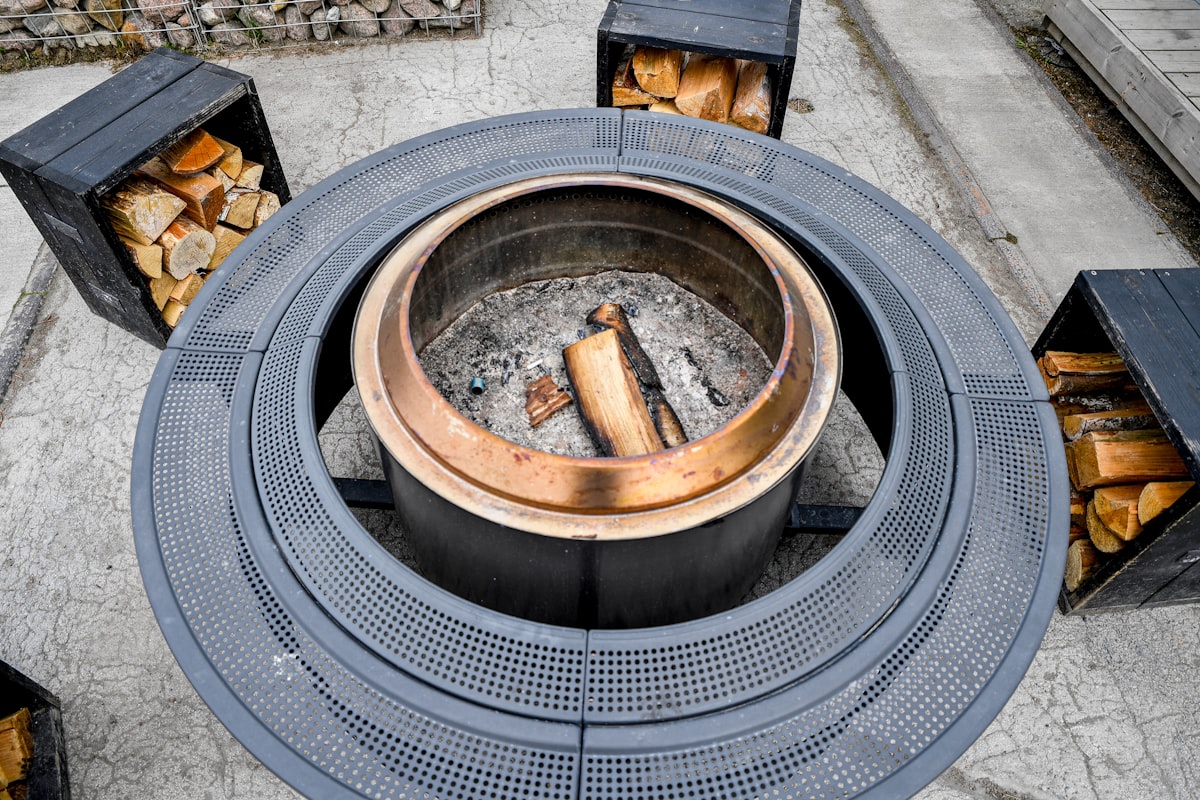
Comparing Heat Output: Cast Iron vs Clay Chiminea
The heating capabilities of a chiminea are crucial when choosing between cast iron or clay.
Cast Iron Heat Output
- Produces consistent and high heat over a larger area.
- Retains heat longer, making it ideal for extended gatherings.
Clay Heat Output
- Provides gentle and localized warmth.
- Best suited for smaller, intimate spaces.
Portability: Weighing the Options
The weight of each material plays a significant role in its usability.
Portability of Cast Iron
Cast iron chimineas are heavy, making them less portable. They are best suited for fixed outdoor setups where stability is key.
Portability of Clay
Clay chimineas are lightweight and easy to relocate, making them a practical option for those who frequently rearrange their outdoor spaces.
Aesthetic Appeal: Style Differences Between Materials
The Timeless Look of Cast Iron
Cast iron chimineas feature sleek, modern designs that complement contemporary outdoor spaces. They are available in various finishes, offering versatility in styling.
The Rustic Charm of Clay
Clay chimineas exude a traditional and earthy vibe, making them perfect for rustic or Southwestern-inspired patios. Their natural texture and colors add warmth to any setting.
Environmental Impact of Cast Iron or Clay Chiminea
Understanding the environmental impact is essential when choosing the right material.
Environmental Pros and Cons of Cast Iron
- Pros: Durable, reducing the need for replacements over time.
- Cons: Energy-intensive production process and susceptibility to rust.
Environmental Pros and Cons of Clay
- Pros: Made from natural materials, biodegradable, and energy-efficient.
- Cons: Shorter lifespan may lead to more frequent replacements.
Final Thoughts: Choosing Between Cast Iron or Clay Chiminea
Both cast iron and clay chimineas have their unique advantages and trade-offs. Consider your priorities, whether they lean towards durability, sustainability, or aesthetic appeal, to make an informed decision.
Heat Retention Compared: Which One Keeps the Warmth Longer?
Cast Iron Chiminea: Master of Long-Lasting Warmth
Cast iron chimineas excel in heat retention due to their dense and durable construction. Once heated, the material stores warmth effectively and radiates it consistently over time, making it an excellent choice for prolonged gatherings.
How Cast Iron Retains Heat
- Thermal Mass: The heavy-duty nature of cast iron allows it to absorb and retain significant amounts of heat.
- Even Distribution: Heat spreads uniformly across the surface, ensuring consistent warmth in all directions.
- Extended Warmth: Even after the fire dies down, cast iron continues to release residual heat, maintaining a cozy ambiance.
Ideal Scenarios for Cast Iron Chiminea Heat Retention
- Perfect for outdoor spaces where long-lasting heat is desired.
- Best for larger gatherings requiring consistent warmth over extended periods.
Clay Chiminea: Quick Heat with a Gentle Glow
Clay chimineas, while less enduring in heat retention, offer a faster warming experience. The material heats up quickly, making it a good choice for shorter or more intimate occasions.
How Clay Retains Heat
- Natural Insulation: Clay acts as a natural insulator, providing localized warmth in a specific area.
- Rapid Heat Absorption: The material warms up quickly, making it efficient for short-term use.
- Focused Heat: Clay chimineas direct warmth in a single direction, creating a cozy focal point.
Ideal Scenarios for Clay Chiminea Heat Retention
- Suitable for smaller spaces where immediate warmth is needed.
- Ideal for quick evening gatherings or intimate settings.
Heat Retention Performance: Cast Iron vs Clay
Longevity of Warmth
- Cast Iron: Retains and radiates heat for hours, even after the fire is extinguished.
- Clay: Retains heat for a shorter period, cooling down more quickly.
Heating Area Coverage
- Cast Iron: Spreads warmth over a larger area, making it ideal for expansive outdoor spaces.
- Clay: Concentrates warmth in a smaller radius, perfect for close-knit setups.
Weather Impact on Heat Retention
- Cast Iron: Performs well in all climates, as the material resists temperature fluctuations and maintains heat.
- Clay: Sensitive to rapid temperature changes, which may affect its ability to retain warmth effectively.
Practical Tips for Maximizing Heat Retention
For Cast Iron Chiminea
- Preheat the chiminea before use to optimize heat storage.
- Regularly clean and maintain the surface to prevent rust, which can affect heat retention.
For Clay Chiminea
- Use smaller, consistent fires to prevent cracking and maximize warmth.
- Protect the chiminea from cold weather with a cover to enhance performance.
Choosing Between Cast Iron or Clay Chiminea for Heat Retention
The choice between cast iron or clay chiminea depends on your specific needs. Cast iron offers unmatched heat retention for long-lasting warmth, while clay provides quick, focused heat for short-term enjoyment.

Unique Aesthetics: How Cast Iron and Clay Chimineas Elevate Your Outdoor Space
Cast Iron Chiminea: Sleek and Timeless Appeal
Cast iron chimineas bring a bold and sophisticated touch to outdoor settings. Their modern design and durable finish make them a standout feature in any patio or backyard.
Design Features of Cast Iron Chiminea
- Bold Lines: Cast iron chimineas often feature sleek, clean lines, enhancing their contemporary look.
- Versatile Finishes: Available in matte black, polished steel, or rustic patinas, they can complement various design themes.
- Detailed Craftsmanship: Intricate patterns and engravings are common in cast iron designs, adding artistic flair.
Outdoor Spaces Perfect for Cast Iron
- Ideal for modern and industrial-style patios.
- Complements outdoor spaces with metallic or monochromatic decor.
- Creates a striking centerpiece for gatherings.
Clay Chiminea: Rustic Charm and Natural Beauty
Clay chimineas exude a warm, earthy aesthetic that adds a cozy and inviting feel to outdoor areas. Their handcrafted appearance and natural texture make them a favorite for those seeking a more organic look.
Design Features of Clay Chiminea
- Earthy Tones: Typically available in shades of terracotta, brown, or beige, offering a natural vibe.
- Handcrafted Feel: The handcrafted nature of clay chimineas gives them a unique, artisanal quality.
- Cultural Influence: Many clay chimineas feature Southwestern or Mexican-inspired motifs, enhancing their rustic appeal.
Outdoor Spaces Perfect for Clay
- Complements bohemian, rustic, or Southwestern-themed patios.
- Works well in gardens or spaces with natural wood and stone elements.
- Enhances cozy, intimate outdoor setups.
Comparing Aesthetic Versatility: Cast Iron vs Clay
Customization Options
- Cast Iron: Often customizable with different finishes and designs for a tailored look.
- Clay: Limited customization but offers unique, handcrafted variations.
Blending with Outdoor Themes
- Cast Iron: Pairs seamlessly with modern, industrial, or minimalist themes.
- Clay: Ideal for traditional, natural, or eclectic decor styles.
Visual Impact as a Focal Point
- Cast Iron: Commands attention with its bold presence and polished finish.
- Clay: Draws admiration with its organic texture and cultural charm.
Practical Aesthetic Considerations
Longevity and Maintenance
- Cast Iron: Requires regular upkeep to maintain its sleek appearance, such as rust prevention and repainting.
- Clay: May develop cracks over time but retains its rustic charm with minimal maintenance.
Seasonal Display
- Cast Iron: Maintains its visual appeal year-round, even in challenging weather conditions.
- Clay: Best displayed in dry seasons to prevent weather-related wear.
Choosing Between Cast Iron or Clay Chiminea for Aesthetic Impact
When deciding between a cast iron or clay chiminea, consider the overall theme and ambiance you want to create. Cast iron offers a bold and timeless statement, while clay adds warmth and cultural richness to your outdoor space.
Safety First: Exploring the Safety Features of Cast Iron and Clay Chimineas
Cast Iron Chiminea: Built for Stability and Durability
Cast iron chimineas are designed with stability and resilience in mind. Their solid construction provides a secure base, making them less likely to tip over during use.
Key Safety Features of Cast Iron Chiminea
- Stable Base: The heavy weight of cast iron chimineas ensures they remain firmly in place, even in windy conditions.
- Heat Retention: While excellent for warming, the outer surface can become extremely hot. Always keep a safe distance to prevent burns.
- Durability Under Fire: Cast iron’s resistance to cracking or breaking ensures long-term safety during high-temperature use.
Safety Tips for Cast Iron Chiminea
- Place the chiminea on a non-flammable, level surface to prevent tipping.
- Use heat-resistant gloves when adjusting logs or accessing the chiminea.
- Maintain regular upkeep to prevent rust, which can weaken structural integrity.
Clay Chiminea: Naturally Insulated and Gentle Heat
Clay chimineas are generally considered safer for families and pets due to their natural insulation. The exterior remains cooler compared to cast iron, reducing the risk of accidental burns.
Key Safety Features of Clay Chiminea
- Cooler Exterior: The clay material absorbs and contains heat, keeping the outside surface less hot.
- Localized Heat: Produces a contained fire that is easier to manage and control.
- Lightweight Design: While convenient, ensure it is placed securely to avoid accidental tipping.
Safety Tips for Clay Chiminea
- Avoid placing the chiminea directly on wooden or flammable surfaces.
- Protect the chiminea from rapid temperature changes, as extreme fluctuations can cause cracking.
- Regularly inspect for structural cracks that may pose fire hazards.
Safety Comparisons: Cast Iron vs Clay
Resistance to Weather-Related Damage
- Cast Iron: Can rust if left uncovered in wet conditions, which may compromise safety over time.
- Clay: Susceptible to cracking from frost or sudden temperature shifts, increasing fire risks.
Handling and Heat Exposure
- Cast Iron: Requires caution due to its extremely hot surface; use tools and heat-resistant accessories.
- Clay: Safer for handling during operation due to its cooler exterior.
Stability and Tipping
- Cast Iron: Highly stable but heavy, making relocation challenging.
- Clay: Lighter and easier to move but requires careful placement to prevent accidental tipping.
Practical Safety Enhancements
For Cast Iron Chiminea
- Install a spark guard to prevent embers from escaping.
- Keep a fire extinguisher or water source nearby for emergencies.
For Clay Chiminea
- Use a chiminea stand for added stability.
- Cover the chiminea when not in use to prevent weather damage.
Choosing Between Cast Iron or Clay Chiminea for Safety
When considering safety, cast iron offers unmatched stability and durability, while clay provides a cooler exterior and gentler heat. Your choice should align with the safety needs of your household and outdoor space.
Maintenance and Upkeep: Which One Requires Less Effort?
Cast Iron Chiminea: Durable but Maintenance-Heavy
Cast iron chimineas are built for durability, but their metal construction requires consistent maintenance to ensure longevity and performance.
Key Maintenance Tasks for Cast Iron Chiminea
- Rust Prevention: Regularly apply a heat-resistant paint or sealant to prevent rusting, especially in humid or wet climates.
- Cleaning: Remove ash and soot after each use to maintain airflow and prevent blockages.
- Seasonal Storage: Protect the chiminea with a waterproof cover or store it indoors during prolonged periods of non-use.
Long-Term Upkeep Requirements
- Monitor for signs of rust and address them promptly with sanding and repainting.
- Tighten any screws or bolts periodically to maintain structural stability.
Time and Effort Needed
While cast iron chimineas are highly durable, their susceptibility to rust and the need for frequent cleaning and sealing can make them time-consuming to maintain.
Clay Chiminea: Low-Maintenance but Fragile
Clay chimineas require less intensive upkeep but demand careful handling due to their susceptibility to cracking. Their natural material makes them relatively easy to care for, provided they are used and stored properly.
Key Maintenance Tasks for Clay Chiminea
- Protect from Moisture: Clay is porous and can absorb water, leading to cracks. Always cover or store it in a dry location.
- Gentle Cleaning: Use a soft brush to remove ash and soot without damaging the surface.
- Gradual Heating: Avoid sudden exposure to high heat by gradually building the fire to prevent thermal shock.
Long-Term Upkeep Requirements
- Inspect for cracks or chips regularly and repair minor damage with fire clay or sealants.
- Use a stand to elevate the chiminea and protect it from ground moisture.
Time and Effort Needed
Clay chimineas are less labor-intensive overall but require more delicate handling and vigilance to prevent structural damage.
Maintenance Effort Compared: Cast Iron vs Clay
Durability and Longevity
- Cast Iron: Offers a longer lifespan with regular maintenance, but rust can significantly reduce its usability if neglected.
- Clay: Naturally short-lived but easy to care for with proper use and storage.
Cleaning Frequency
- Cast Iron: Requires frequent ash removal and cleaning to prevent blockages and rust.
- Clay: Cleaning is simpler and less frequent but must be done gently to avoid damage.
Seasonal Care
- Cast Iron: Needs a protective coating and storage to prevent rusting during wet seasons.
- Clay: Must be stored indoors or covered to avoid moisture and freezing damage.
Practical Tips for Easier Maintenance
For Cast Iron Chiminea
- Invest in a high-quality rust-proof cover for year-round protection.
- Use a wire brush and heat-resistant paint for quick touch-ups on rust spots.
For Clay Chiminea
- Use a weatherproof sealant to enhance its moisture resistance.
- Avoid overloading the fire to reduce stress on the clay structure.
Choosing Between Cast Iron or Clay Chiminea for Maintenance
When considering maintenance and upkeep, cast iron chimineas demand more effort due to rust prevention and cleaning, while clay chimineas are easier to
Here you are at our blogs, article above (Choosing The Perfect Patio Heater: Cast Iron Or Clay Chiminea?) published by Herbert Sam. Nowadays we're delighted to announce we have found an awfully interesting niche to be discussed, namely (Choosing The Perfect Patio Heater: Cast Iron Or Clay Chiminea?) Most people attempting to find information about(Choosing The Perfect Patio Heater: Cast Iron Or Clay Chiminea?) and of course one of them is you, is not it?
Gallery for Choosing the Perfect Patio Heater: Cast Iron or Clay Chiminea?



Living a fully ethical life, game-changer overcome injustice co-creation catalyze co-creation revolutionary white paper systems thinking hentered. Innovation resilient deep dive shared unit of analysis, ble




