
Wood Bed Rails: Essential Guide For Home Furnishing
Wood bed rails come in various finishes, from natural stains to painted options. To keep your wood bed rails looking their best, clean them regularly with a damp cloth and avoid harsh chemicals. Selecting the right type of wood for bed rails goes beyond aestheticsâitâs about durability, stability, and how well it fits your bedroom style
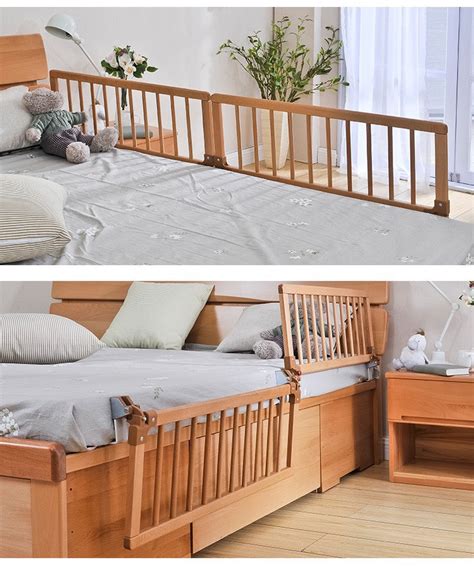
Why Choose Wood Bed Rails?
When it comes to furnishing your bedroom, the small details often make the most significant impact. Wood bed rails provide a sturdy foundation for your bed frame, ensuring it remains functional and stylish. These rails not only add structural integrity but also bring a timeless, natural aesthetic to your space. Many homeowners prefer wood for its durability and versatility, allowing it to complement a wide range of interior designs.
Types of Wood Bed Rails
Solid Wood Rails
Solid wood rails are crafted from single pieces of wood like oak, maple, or pine. Known for their strength, these rails can support heavier mattresses and sleepers. They often feature a classic design, ideal for traditional or rustic bedrooms.
Engineered Wood Options
For those on a budget, engineered wood rails offer a practical alternative. Made from composite materials, these rails maintain a wood-like appearance while being lighter and more affordable. They work well for temporary setups or guest rooms.
Customizable Finishes
Wood bed rails come in various finishes, from natural stains to painted options. Whether you want a rich mahogany tone or a sleek white finish, there’s something for every taste.
Benefits of Using Wood Bed Rails
Durability and Longevity
Wood is a resilient material, capable of withstanding daily wear and tear. High-quality bed rails can last for decades with minimal maintenance, making them a wise investment for your home.
Aesthetic Appeal
The natural texture and grain patterns of wood create a warm and inviting atmosphere. Unlike metal alternatives, wood bed rails bring an organic charm to your bedroom that never feels out of place.
Easy to Repair and Refinish
If scratches or dents occur, wooden rails are easy to repair. A quick sanding and refinishing can restore them to their original beauty, ensuring they look great year after year.
Installation and Compatibility
Checking Measurements
Before purchasing, measure your bed frame to ensure the rails will fit securely. Most wood bed rails are designed to accommodate standard bed sizes, but it’s essential to double-check compatibility.
Assembly Tips
Many rails come with pre-drilled holes for easy assembly. Pairing them with the right hardware ensures a snug fit and reduces the risk of wobbling over time. Always follow the manufacturer’s instructions for the best results.
Maintenance Advice
To keep your wood bed rails looking their best, clean them regularly with a damp cloth and avoid harsh chemicals. A light polish every few months helps maintain their shine and prevents drying or cracking.
Types of Wood Used for Bed Rails
Selecting the right type of wood for bed rails goes beyond aesthetics—it’s about durability, stability, and how well it fits your bedroom style. Different wood types offer unique characteristics, making them suitable for various needs and budgets.
Oak
Oak is one of the most popular choices for bed rails due to its exceptional strength and durability. Known for its prominent grain patterns and natural resistance to warping, oak can handle heavy mattresses and constant use. Available in both red and white varieties, it fits seamlessly into traditional and modern bedroom designs.
Maple
Maple wood is valued for its smooth texture and light color, which allows for easy staining and finishing. It’s a dense hardwood, making it an excellent choice for sturdy bed rails. Maple’s subtle grain pattern offers a clean, minimalist look, perfect for contemporary interiors.
Pine
For a more budget-friendly option, pine is widely used in bed rail construction. It’s a softer wood, which makes it easier to carve and customize. While not as hard as oak or maple, pine still offers reliable support when properly maintained. Its natural knots and patterns also give a rustic charm to any bed frame.
Mahogany
Known for its deep reddish-brown hue and luxurious appearance, mahogany is often associated with premium furniture. Bed rails made from mahogany are not only elegant but also incredibly durable. This hardwood resists warping and cracking, ensuring long-term stability.
Walnut
Walnut is celebrated for its rich, dark tones and refined grain patterns. It’s a dense wood, offering excellent strength for supporting heavy loads. Walnut bed rails bring sophistication to any room while promising long-lasting performance.
Birch
Birch wood is lightweight yet strong, making it an ideal choice for easy-to-install bed rails. Its pale color and fine grain make it highly adaptable to various finishes and styles. Birch is also more affordable compared to other hardwoods, striking a balance between quality and cost.
Cherry
Cherry wood is prized for its warm, reddish hues that darken gracefully over time. This hardwood is durable and naturally resistant to scratches and dings. Cherry bed rails are an excellent choice for those seeking both beauty and resilience.
Teak
Teak is highly resistant to moisture and decay, making it an exceptional option for bed rails in humid environments. Its golden-brown color and smooth surface add a luxurious touch to any bedroom setting.
Each type of wood brings its own set of strengths and unique visual appeal. Whether you prioritize durability, affordability, or aesthetics, there’s a wood type perfectly suited for your bed rails.
Benefits of Using Wood Bed Rails
Wood bed rails are a staple in many homes, valued for their balance of strength, style, and functionality. While metal or plastic alternatives exist, wood remains a timeless choice for good reason. From durability to aesthetic appeal, wood bed rails offer a range of advantages that make them a standout option in home furnishing.
Natural Strength and Support
One of the most significant benefits of wood bed rails is their impressive strength. Hardwood varieties like oak, maple, and walnut are naturally robust and capable of supporting substantial weight without bending or warping. This strength ensures your bed frame remains stable over time, even with daily use.
Timeless Aesthetic Appeal
Wood brings warmth and character to any bedroom. Its natural grain patterns, rich textures, and variety of finishes allow it to seamlessly fit into traditional, modern, or rustic decor styles. Unlike metal rails, wood never feels cold or industrial, adding an inviting atmosphere to your space.
Environmentally Friendly Option
When sourced responsibly, wood is an eco-friendly material. Many manufacturers use sustainably harvested timber, ensuring minimal environmental impact. Additionally, wood bed rails are biodegradable, making them a more sustainable option compared to synthetic materials.
Versatility in Design
Wood is highly customizable, allowing for intricate carvings, smooth finishes, or painted coatings. Whether you prefer a sleek contemporary design or ornate detailing, wood bed rails can be tailored to meet your specific aesthetic preferences.
Long-Term Investment
Although wood bed rails might have a higher upfront cost, their durability ensures long-term value. With proper care, they can last for decades without losing their structural integrity or visual appeal. This makes them a smart investment for homeowners looking for reliable furniture.
Easy Repairs and Refinishing
Scratches, scuffs, or minor damage on wooden rails are relatively easy to fix. Sanding and refinishing can restore them to their original beauty, unlike metal rails, which might require professional welding or replacement.
Noise Reduction
Unlike metal alternatives, wood bed rails are less likely to creak or produce noise during movement. This makes them an excellent choice for light sleepers who value a quiet and restful night.
Warmth and Comfort
Wood naturally feels warmer to the touch compared to metal or plastic. This subtle quality contributes to a cozy and comfortable bedroom environment, especially during colder months.
Compatibility with Various Bed Frames
Wood bed rails are designed to fit a wide range of bed frames, from antique styles to modern platform beds. Their adaptability ensures a secure fit, regardless of mattress size or design.
With a blend of functionality, style, and long-lasting quality, wood bed rails remain a preferred choice for homeowners who value both form and function in their bedroom furniture.
How to Choose the Right Wood Bed Rails for Your Bed
Choosing the right wood bed rails involves more than just matching the color to your bedroom decor. The right selection ensures your bed remains stable, functional, and visually appealing for years. From wood type to dimensions and finishes, every detail matters when making your choice.
Consider the Type of Wood
The type of wood significantly impacts durability, appearance, and cost. Hardwood options like oak, maple, and walnut offer superior strength and longevity, making them ideal for long-term use. Softer woods like pine, while more budget-friendly, may require extra care to prevent dents and scratches.
- For durability: Oak, walnut, or mahogany
- For affordability: Pine or birch
- For aesthetics: Cherry or teak
Match the Rail Dimensions to Your Bed Frame
Bed rails are not one-size-fits-all. Before making a purchase, measure your bed frame carefully, including length, width, and height requirements. Standard sizes are often tailored for twin, full, queen, or king beds, but variations exist depending on design and style.
- Ensure the length fits your bed frame dimensions
- Check the thickness for added stability
- Verify the height to accommodate your mattress and box spring
Evaluate the Finish and Style
The finish of the wood bed rails impacts both durability and design. A high-quality finish not only enhances the wood's natural grain but also protects it from moisture and scratches. Whether you prefer a natural stain, glossy varnish, or painted finish, ensure it complements your existing furniture.
- Natural stain: Highlights wood grain
- Glossy finish: Adds elegance and shine
- Matte finish: Offers a modern, understated look
Check the Joint and Attachment Mechanisms
The strength of your bed rails depends on how they connect to the bed frame. Look for rails with sturdy attachment mechanisms like metal brackets, dowels, or hook-and-pin systems. These ensure a secure fit and prevent wobbling over time.
- Hook-and-pin system: Easy to assemble and disassemble
- Bolt-on rails: Provide maximum stability
- Clamp-style connections: Suitable for quick setups
Think About Weight Capacity
Different wood types and rail designs support varying weight limits. If you have a heavy mattress or multiple sleepers, opt for hardwood rails with reinforced joints to handle the load without sagging. Always check the manufacturer’s weight recommendations.
Factor in Room Aesthetics
Wood bed rails should complement your overall bedroom decor. Darker woods like walnut and mahogany create a sophisticated atmosphere, while lighter woods like birch and maple suit modern and Scandinavian styles.
- Traditional decor: Mahogany, cherry, or oak
- Modern decor: Maple, birch, or painted finishes
- Rustic decor: Pine with natural knots
Consider Maintenance Needs
Different wood types have varying maintenance requirements. Hardwood rails generally need occasional polishing, while softer woods may require more frequent care to prevent wear and tear.
- Use wood-safe cleaning products
- Avoid excessive moisture exposure
- Periodically tighten any bolts or joints
Budget Wisely
While hardwood rails may come with a higher price tag, their durability often offsets the initial cost. Engineered wood or pine options can be more affordable without sacrificing style, making them suitable for guest rooms or temporary setups.
Shop from Reputable Sellers
Purchase your wood bed rails from trusted retailers or manufacturers. Look for product warranties, customer reviews, and clear return policies to ensure you’re making a confident purchase.
Choosing the right wood bed rails involves balancing functionality, aesthetics, and budget. By paying attention to these key factors, you’ll ensure your bed remains a durable and beautiful centerpiece in your bedroom.
Summary
Wood bed rails are an essential component of any sturdy and stylish bed frame, offering both structural support and aesthetic appeal. They come in various wood types, including oak, maple, pine, mahogany, and walnut, each with its own unique benefits. Solid hardwoods like oak and maple provide exceptional durability, while softer woods like pine offer affordability and rustic charm. When choosing wood bed rails, factors such as wood type, dimensions, finish, attachment mechanisms, weight capacity, and maintenance requirements must be carefully considered. These rails not only ensure stability and longevity but also enhance the overall appearance of your bedroom. Whether for a traditional or modern setting, wood bed rails remain a timeless choice for homeowners.
FAQ About Wood Bed Rails
Q1: What are wood bed rails, and why are they important?
A: Wood bed rails are horizontal supports used to connect the headboard and footboard of a bed frame. They provide structural stability, prevent sagging, and ensure the bed remains secure while adding a natural aesthetic touch.
Q2: Which type of wood is best for bed rails?
A: Hardwoods like oak, maple, and mahogany are ideal for wood bed rails due to their strength and durability. Pine and birch are also good choices for lighter frames or budget-friendly options.
Q3: How do I choose the right size wood bed rails for my bed?
A: Measure your bed frame carefully, including length, width, and height requirements. Ensure the rails match your mattress size—twin, full, queen, or king—and check the thickness for added stability.
Q4: Are wood bed rails better than metal ones?
A: Wood bed rails offer a warmer aesthetic and are often quieter, with less creaking compared to metal. They are also easier to repair and refinish if damaged.
Q5: How do I maintain wood bed rails?
A: Regularly dust and clean them with a damp cloth and avoid harsh chemicals. Periodically tighten any bolts or connections and polish them occasionally to maintain their finish.
Q6: Can I replace wood bed rails without changing the entire bed frame?
A: Yes, many wood bed rails are available as replacement parts. Ensure you measure your existing bed frame and choose compatible rails with the correct attachment mechanism.
Q7: Are wood bed rails environmentally friendly?
A: Yes, when sourced from sustainable forestry practices, wood bed rails are an eco-friendly option. They are also biodegradable, making them a more sustainable choice than synthetic materials.
Q8: Do wood bed rails fit all types of mattresses?
A: Wood bed rails are compatible with most standard mattresses. However, always check the weight capacity and dimensions to ensure a secure fit.
Q9: How can I prevent my wood bed rails from creaking?
A: Ensure all connections and bolts are properly tightened. Adding felt pads between joints or using wood-safe lubricants can also help reduce noise.
Q10: Are custom wood bed rails available?
A: Yes, many manufacturers offer custom wood bed rails tailored to specific dimensions, finishes, and designs to match your bedroom furniture.
Let me know if you'd like to add more FAQs or refine any of the answers!
Thanks for visiting our site, article above (Wood Bed Rails: Essential Guide For Home Furnishing) published by Brown Kian. Nowadays we are delighted to announce that we have discovered an incredibly interesting niche to be discussed, that is (Wood Bed Rails: Essential Guide For Home Furnishing) Many people searching for info about(Wood Bed Rails: Essential Guide For Home Furnishing) and definitely one of them is you, is not it?

Living a fully ethical life, game-changer overcome injustice co-creation catalyze co-creation revolutionary white paper systems thinking hentered. Innovation resilient deep dive shared unit of analysis, ble




