
The Ultimate Guide To Bed Bugs Bites: Everything You Need To Know
Causes of Bed Bugs Bites. Understanding the Causes and Consequences of Bed Bugs Bites What Causes Bed Bugs Bites
Understanding Bed Bugs
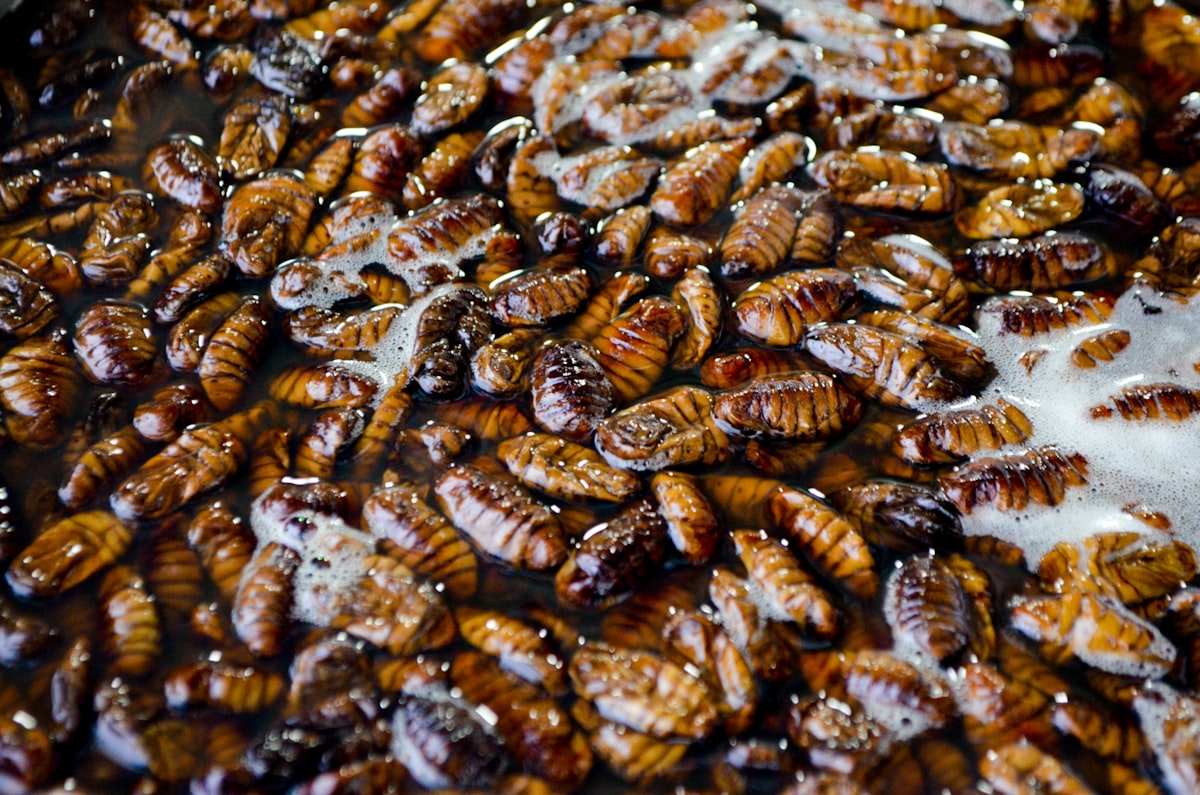
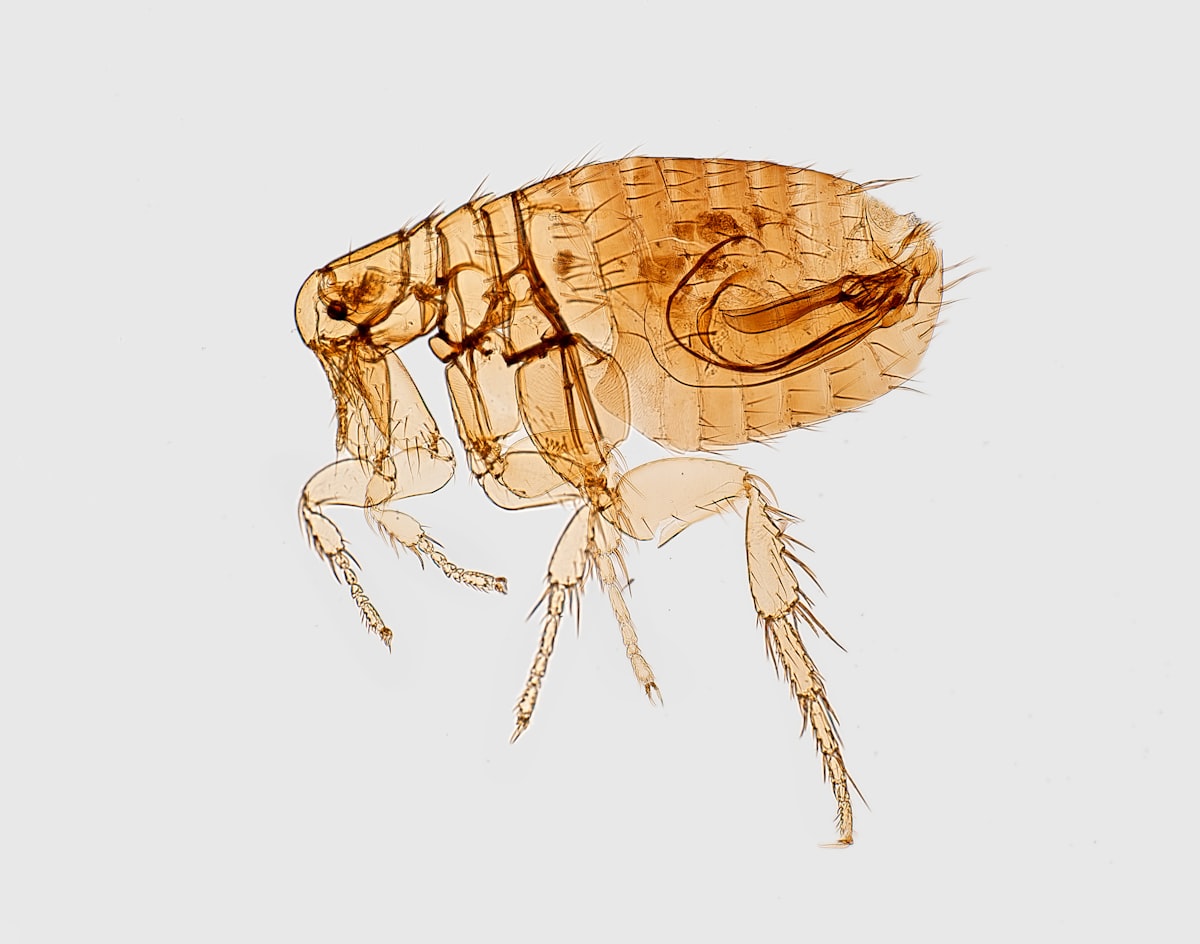
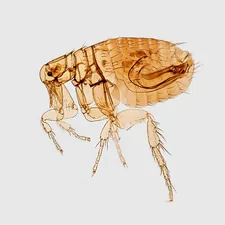
Bed bugs are small, flat insects that feed on the blood of humans and other warm-blooded animals. They have a distinctive oval shape and are typically reddish-brown in color, although they can appear more pale after feeding. Adult bed bugs are about 4-5 millimeters long and are often mistaken for other insects, such as ticks or cockroaches.
Life Cycle of Bed Bugs
The life cycle of bed bugs consists of several stages, including egg, nymph, and adult. Female bed bugs can lay up to 5 eggs per day, which hatch into nymphs after about 6-10 days. The nymphs go through 5 stages of development, molting after each feeding, before becoming adult bed bugs. The entire life cycle typically takes around 30-60 days.
Causes of Bed Bugs Bites
Bed bugs bites are caused by the bed bugs' feeding behavior. When bed bugs feed on human blood, they inject saliva that contains an anticoagulant, which prevents the blood from clotting. This saliva can cause an allergic reaction in the skin, leading to itching, redness, and swelling.
Risk Factors for Bed Bugs Bites
Certain individuals are more susceptible to bed bugs bites, including:
- Travelers who stay in infested hotels or motels
- People who live in densely populated areas or apartment buildings
- Those who have used second-hand furniture or bedding
- Residents of buildings with poor pest control measures
Symptoms of Bed Bugs Bites
Bed bugs bites can cause a range of symptoms, including:
Physical Symptoms
- Red, itchy welts or hives on the skin
- Swollen, inflamed areas around the bite
- Small, flat blisters or bumps
- In severe cases, bed bugs bites can cause anaphylaxis, a life-threatening allergic reaction
Emotional Symptoms
- Anxiety and stress related to the infestation
- Difficulty sleeping or insomnia due to fear of being bitten
- Social isolation due to the stigma associated with bed bugs
Diagnosis of Bed Bugs Bites
Diagnosing bed bugs bites can be challenging, as the symptoms are similar to those of other conditions, such as mosquito bites or skin allergies. If you suspect you have been bitten by bed bugs, look for:
Signs of Infestation
- Live bed bugs or eggs in cracks and crevices
- Red or brown spots or blood stains on sheets or walls
- A sweet, musty odor that is often compared to overripe fruit
Medical Tests
- Visual examination by a doctor or dermatologist
- Blood tests to rule out other conditions
Treatment of Bed Bugs Bites
While bed bugs bites can be uncomfortable, they typically do not require medical attention. Treatment is usually focused on relieving symptoms and managing the infestation.
Self-Care Measures
- Apply topical creams or ointments to reduce itching and inflammation
- Use antihistamines or corticosteroids to relieve allergic reactions
- Wash and dry clothing and bedding in hot water and high heat
Professional Treatment
- Call a pest control professional to treat the infestation
- Use mattress encasements and bed bug-proof box springs to trap bed bugs
- Seal cracks and crevices with caulk or putty to prevent re-infestation
Prevention of Bed Bugs Bites
Preventing bed bugs bites requires a multi-faceted approach, including:
Inspecting for Bed Bugs
- Regularly inspect for signs of infestation, such as live bed bugs or eggs
- Use a magnifying glass or flashlight to search for bed bugs in cracks and crevices
Reducing the Risk of Infestation
- Avoid bringing second-hand furniture or bedding into your home
- Use mattress encasements and bed bug-proof box springs
- Seal cracks and crevices with caulk or putty to prevent bed bugs from entering your home.
Managing Bed Bugs Infestations
Managing bed bugs infestations requires a comprehensive approach, including:
Identifying the Source of the Infestation
- Determine how the bed bugs entered your home or building
- Inspect for signs of infestation in adjacent apartments or rooms
Developing a Treatment Plan
- Work with a pest control professional to develop a treatment plan
- Use a combination of non-chemical and chemical methods to control the infestation
Monitoring Progress
- Regularly monitor for signs of bed bugs and adjust the treatment plan as needed.
Understanding the Causes and Consequences of Bed Bugs Bites
The Plight of Bed Bug Infestations
What Causes Bed Bugs Bites?
Bed bugs bites are a common issue that many people face, especially after staying in infested hotels, apartments, or homes. These insects are attracted to warmth, carbon dioxide, and moisture, which makes them feed on human blood at night. They can enter homes through used furniture, luggage, or clothing, and once inside, they can multiply rapidly.
Common Places to Find Bed Bugs
- Second-hand furniture
- Used boxes or suitcases
- Near beds and couches
- In crowded areas like bus stations or airports
Symptoms of Bed Bug Bites
Bed bug bites can often be mistaken for other skin irritations, but there are some unique characteristics that can help identify them. Look out for:
- Red, itchy bumps
- Small, flat or raised bumps
- Small, red spots
- Bumps that can be accompanied by a burning sensation
The Consequences of Bed Bugs Bites
- Physical Discomfort
- Itchy skin
- Skin rashes
- Redness and swelling
- Emotional Impact
- Anxiety
- Depression
- Loss of sleep
- Loss of appetite
- Reputational Consequences
- Damage to reputation
- Difficulties in renting or buying a home
- Social stigma
Prevention Strategies
While it may seem daunting to eradicate these pesky insects, there are several measures you can take to prevent bed bug bites:
- Inspect Before You Buy: Check second-hand furniture for any signs of bed bugs
- Use a Bed Bug-Proof Mattress Cover: Protect your mattress from bed bugs
- Wash and Dry Clothing: Wash and dry any clothing or fabric as soon as you return home
- Seal Cracks and Crevices: Use caulk or putty to seal any cracks or crevices around your home
Treatment and Eradication
If you suspect a bed bug infestation, it's essential to take action quickly. Here are some treatment options:
- Professional Extermination Services: Hire a pest control professional to treat your home
- DIY Treatments: Use over-the-counter sprays or powders to kill bed bugs
- Wash and Dry: Wash and dry all clothing, bedding, and fabric in hot water and dry on high heat
Conclusion
Bed bugs bites can have severe physical, emotional, and reputational consequences. To prevent these issues, it's essential to understand the causes of bed bug infestations and take proactive measures to prevent them. By following the prevention strategies outlined above and seeking professional help if necessary, you can avoid the consequences of bed bug bites.
Thanks for visiting our blogs, article above (The Ultimate Guide To Bed Bugs Bites: Everything You Need To Know) published by Bowen Zak. Nowadays we are pleased to declare we have discovered an awfully interesting niche to be pointed out, namely (The Ultimate Guide To Bed Bugs Bites: Everything You Need To Know) Some people attempting to find info about(The Ultimate Guide To Bed Bugs Bites: Everything You Need To Know) and certainly one of these is you, is not it?
Gallery for The Ultimate Guide to Bed Bugs Bites: Everything You Need to Know

Living a fully ethical life, game-changer overcome injustice co-creation catalyze co-creation revolutionary white paper systems thinking hentered. Innovation resilient deep dive shared unit of analysis, ble




