
Purr-Fectly Mysterious: Why Your Cat Is Peeing On Your Bed
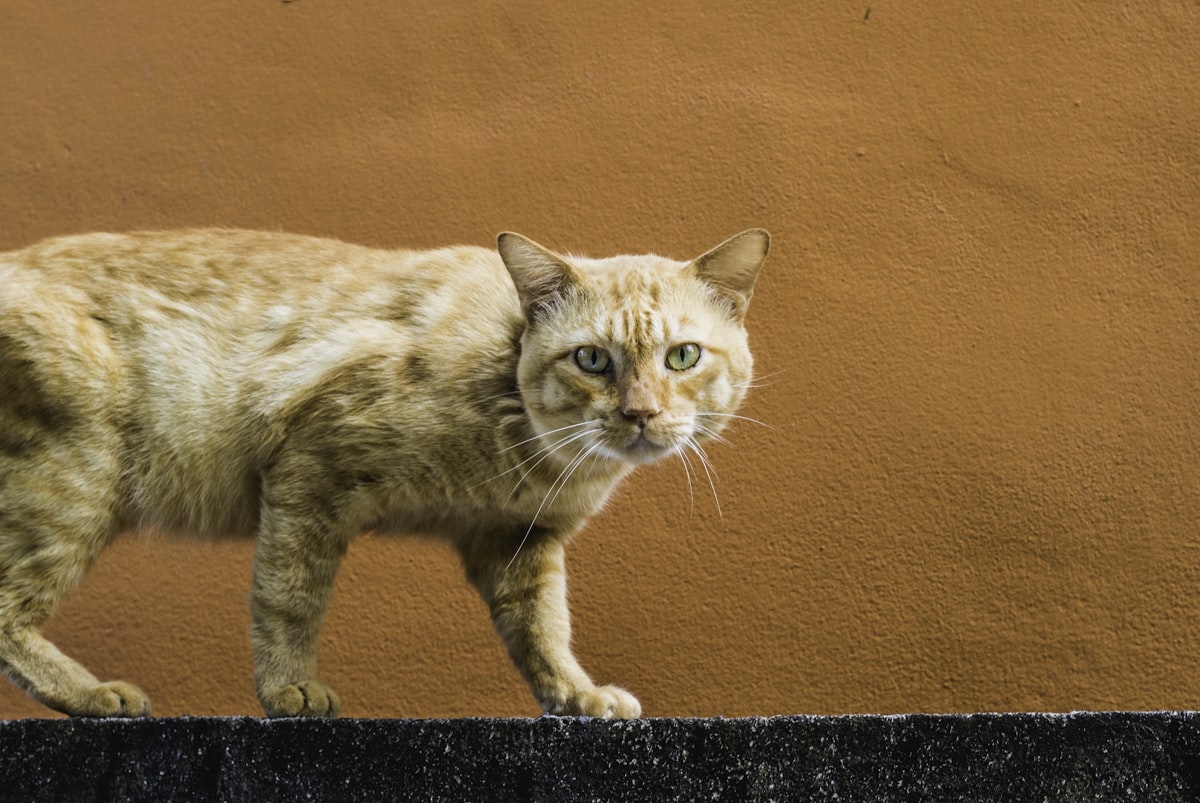
Why is my cat peeing on my bed? It's a question that can leave you feeling frustrated and puzzled, to say the least. That fresh, clean bedding now has a lingering scent you definitely didn't invite. It's a problem, and you’re not alone in experiencing it. This behavior isn't just a random act of feline rebellion. There are usually underlying reasons why a cat might choose to relieve themselves outside the litter box, especially on such a prominent spot as your bed. Let’s dive into some of the possible culprits behind this perplexing behavior.
Understanding the Message
Cats are quite meticulous creatures, and their actions often have meaning. When a cat starts peeing outside of its designated spot, especially on your bed, it's a way of communicating something important. Figuring out the message might take some detective work on your part, but understanding the potential reasons is the first crucial step.
Medical Issues First
Before jumping to conclusions about behavioral problems, it's vital to rule out any underlying medical issues. Urinary tract infections (UTIs), bladder stones, and kidney problems can all lead to changes in urination habits. These conditions can cause pain or discomfort when urinating, potentially leading your cat to associate the litter box with that pain. If you notice any changes in your cat's peeing habits, or even other signs of illness, a trip to the vet should be first on the to-do list. Early detection of a medical issue can make a huge difference for your kitty's health and can also help resolve the bed-wetting problem quickly.
The Litter Box Predicament
A cat’s litter box situation matters. Is the box too small? Maybe it's not cleaned frequently enough? Location is important too; is it in a noisy or high-traffic area? These factors can be a big turn-off for picky felines. Cats are sensitive to things like strong scents, so using a heavily scented litter might also be the reason your cat is choosing your bed instead. Think about the litter itself – some cats prefer specific textures, and a sudden switch to a different kind could also cause issues.
Location, Location, Location
The placement of the litter box matters just as much as its cleanliness. A litter box tucked away in a loud utility room near a washing machine might be unsettling for some cats. They are easily spooked by sudden noises. Having the litter box in a high-traffic area, like a hallway, might make your cat feel vulnerable while they are doing their business. Consider moving the litter box to a more peaceful and private spot, ideally in a location that is easily accessible.
Stress and Anxiety: The Emotional Side
Cats are creatures of habit, and any changes in their routine or environment can be stressful for them. A new pet, a new baby, a move, or even a change in work schedules can cause stress and anxiety. Some cats may express their unease by marking their territory through urination, and your bed may have become their focus. This is especially true if the bed contains your scent, which might offer a feeling of comfort.
Marking Territory
Territorial marking isn't just for outdoor cats. Indoor cats may use urine to mark their territory, particularly if they feel threatened or insecure. This is a type of communication, basically letting other animals (or maybe you!) know that this is their domain. Your bed, covered in your scent, might become a prime target for this type of marking. It’s a feline way of saying, "This is mine."
What Can You Do?
Finding the root of the problem often requires a bit of trial and error. If it’s a medical problem, your vet will help. But if it is behavioral, consider making changes to the litter box setup or addressing possible stressors in your cat's life. Sometimes, a combination of things can cause the issue, so try not to oversimplify. The key is to observe your cat carefully, and perhaps consult with a feline behaviorist for tailored advice.
Why is my cat peeing on my bed? It's a situation that can leave any cat owner feeling frustrated and confused. It's not just a messy inconvenience; it's a sign that something isn't quite right with your feline companion. This isn't usually done out of spite, but rather an attempt to communicate an underlying problem. Understanding the reasons behind this behavior is key to resolving the issue and restoring peace in your home. Let's explore some of the common reasons why your cat might be choosing your bed as their personal restroom.
The Surprising Reasons Behind Feline Bed-Hopping
Cats are creatures of habit and routine, so changes in their urination habits should always be noted. When your cat starts to pee outside of their litter box, especially on your bed, it’s important to consider both physical and psychological factors. It is more often than not a signal of discomfort or distress, and not random misbehavior.
Medical Causes
Before assuming any kind of behavioral issue, it's crucial to rule out any health problems. Urinary tract infections (UTIs), kidney disease, and diabetes can all cause increased urination frequency or discomfort while peeing. Pain associated with urinating might cause your cat to avoid the litter box altogether, and your bed may become a seemingly less problematic option. If you suspect a health issue, a vet visit is essential to get an accurate diagnosis and the correct course of treatment.
The Litter Box Blues
The litter box situation plays a significant role in a cat's toileting habits. If the litter box is too small, dirty, or inaccessible, your cat may choose to relieve themselves elsewhere. Consider the litter itself – some cats are picky about the type of litter, and a sudden change could lead to them avoiding the box.
Size Matters
The size of the litter box is important. It should be large enough for your cat to turn around comfortably inside. If the box is too small or too shallow, your cat may not feel comfortable or they may simply miss the box when doing their business.
Cleanliness is Key
Cats are meticulous creatures, and a dirty litter box will definitely turn them off. Scoop the litter box daily and do a complete litter change at least once a week. A smelly or soiled litter box may cause your cat to seek out a cleaner spot like your bed.
Psychological Factors
Cats are sensitive animals, and any changes to their environment can cause stress and anxiety. These emotional factors are just as important as the physical ones. Anything from a new pet, a new baby, or a change of routine can disrupt their feelings of security.
Stress and Anxiety
Stress and anxiety can cause all kinds of behavioral changes. Your bed might offer a place with your comforting scent where they feel safe, and that is why they might choose to pee there. This is essentially your cat’s way of showing they are not okay.
Territorial Marking
Peeing outside the litter box can also be a form of territorial marking. This is your cat’s way of showing they are not okay. This can be amplified if there are multiple cats in the house or other perceived threats. Marking your bed, which is likely to have your scent on it, might provide them some relief of the stress and anxiety.
Finding a Solution
Figuring out why your cat is peeing on your bed requires some detective work. Start by getting a vet checkup to rule out medical problems. Then, carefully assess the litter box setup and make any needed changes. If stress or anxiety seem to be the primary cause, consider using calming products and provide your cat with a safe, quiet space. Addressing both physical and emotional issues will help bring a stop to bed-wetting behavior.
Why is my cat peeing on my bed? It’s a frustrating experience for any cat owner. It’s not only inconvenient, but also quite perplexing. You might think you’re doing everything right – a clean litter box, quality food, and plenty of affection. Yet, your feline friend seems determined to use your bed as their personal restroom. This behavior can be baffling and disheartening, but it’s crucial to remember that there’s almost always a reason behind it. Let's dig deeper into the potential causes beyond just litter box issues.
When a Clean Litter Box Isn't Enough: Uncovering the Culprits
A pristine litter box is important, but sometimes, a spotless box isn’t enough to prevent your cat from seeking alternative spots to relieve themselves. This kind of behavior often stems from deeper underlying factors. It’s time to go beyond the basics and explore the less obvious causes behind this frustrating issue.
Medical Issues: The First Step
Before anything else, you need to rule out medical issues. Urinary tract infections (UTIs), bladder stones, kidney disease, and diabetes can all cause changes in a cat’s urination habits. These conditions often cause pain or discomfort when urinating, leading the cat to associate the litter box with pain. A vet visit should be your first priority if you notice any changes in your cat’s peeing habits. Early detection is always better for your cat’s health.
The Stress Factor: More Than Just Nerves
Cats are creatures of habit, and changes to their environment can cause significant stress. A new pet, a new baby, a move, or even a change in work schedules can disrupt their routines. These stressors may lead to a cat displaying unusual behaviors, such as peeing on your bed. The bed often holds your scent, which can be soothing to an anxious cat.
Changes at Home
Even seemingly minor changes in the home environment can trigger stress in cats. Rearranging furniture, a new house guest, or even loud noises can create an atmosphere of unease. When your cat feels unsettled, they might resort to peeing outside the litter box as a way to communicate their distress.
Territorial Concerns
Cats, especially those in multi-cat households, can be quite territorial. If a cat feels threatened by other animals in the house or outside, they might start marking their territory through urination. Your bed, being a central part of your personal space, can become a prime target for this type of marking.
Litter Box Considerations: Beyond Cleanliness
Even if the litter box is clean, there might be other factors about the setup that your cat doesn't like. The size of the box, the type of litter, and the location of the box are all important details. A box that’s too small, uses a heavily scented litter, or is located in a noisy area can turn your cat off.
The Right Box
The size and type of litter box matter. A small box might feel cramped for an adult cat, and covered boxes can trap odors, which some cats find unpleasant. Experimenting with different box types and sizes could help solve the problem.
Litter Preferences
Cats can be quite particular about their litter. Some prefer clumping clay litter, others prefer crystal, and some even prefer paper-based litter. A sudden change in litter could be the reason your cat is seeking out an alternative.
The Mystery of Scent
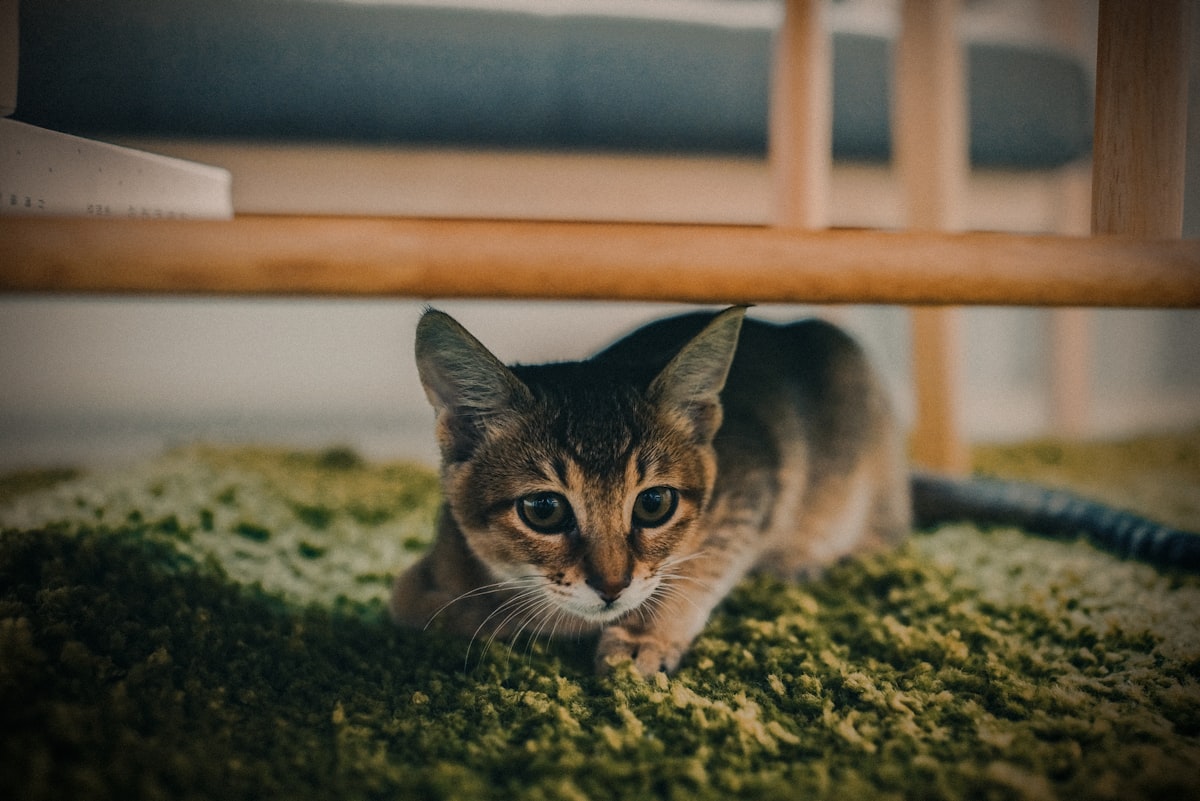
Scent plays a huge role in a cat's life. Your bed carries your scent, and it might offer a sense of security and familiarity to your cat, especially if they are feeling stressed or insecure. This may also explain why your cat isn’t peeing on other furniture, but only your bed.
Taking Action
Solving this behavior will require careful investigation and a multi-pronged approach. Make sure to have your vet rule out any medical issues. After that, assess your cat’s environment for any potential stressors. Also make sure the litter box is suitable and in an ideal spot. Sometimes, addressing multiple factors can be essential. A little detective work and a bit of patience will be needed to get to the bottom of this perplexing behavior.
Why is my cat peeing on my bed? It's a question that plagues many cat owners, often leaving them feeling frustrated and confused. This behavior isn't just a random act of defiance; there are often underlying reasons why a cat might choose to relieve themselves outside the litter box, especially on such a personal and prominent spot like your bed. Understanding the psychological connection behind this habit is crucial to finding a solution and restoring peace. Let's explore the hidden motivations behind this puzzling feline behavior.
The Psychological Connection: Why Cats Pee on Your Bed (and How to Stop It)
When a cat starts using your bed as a toilet, it's easy to assume it’s done out of spite or simply bad behavior. However, this is rarely the case. There are often deep-seated reasons driving this action, rooted in your cat’s psychology. Addressing these root causes, instead of simply punishing your cat, is the first step towards solving this problem.
Stress and Anxiety: The Silent Culprits
Cats are incredibly sensitive to their environment, and any changes, no matter how small, can trigger stress and anxiety. A new pet, a new baby, moving to a new home, even changes in your work schedule or routine can affect your cat. Anxious cats might seek out areas where they feel safe, and your bed, with your scent on it, might offer that comfort. Unfortunately, they may also decide to urinate there as a way to express their feelings.
Territory and Security
Cats use their scent to mark territory. If your cat is feeling insecure, they might start marking through urination to reinforce their sense of ownership, and your bed is an ideal spot to do that since it’s filled with your scent, and also in your space. The behavior isn’t spiteful, but it is a sign they are not feeling secure in their environment.
Routine Disruptions
Cats thrive on routine, and disruptions to their daily schedule can be a significant stressor. Even small shifts in meal times or play time can impact their emotional well-being. Anxious cats might seek out places they associate with comfort and security, like your bed. It's important to recognize how easily changes in routine can impact a cat and cause them stress.
Litter Box Issues: The Unseen Connection
While your litter box might be clean, other subtle factors related to it may be contributing to the issue. A small box, the wrong kind of litter, or its inconvenient location can lead to a cat seeking out alternative spots to relieve themselves. Even if your cat has been fine with it in the past, sometimes they can start to develop preferences.
Size and Accessibility
If the litter box is too small for your cat, they may not feel comfortable using it. A box with high sides might be difficult for senior cats to get into, and a box located in a busy or loud area might make your cat feel vulnerable. Consider all of these things to ensure the box is comfortable.
Litter Preferences
Some cats are very particular about the texture and scent of their litter. A sudden change in litter could lead your cat to reject the litter box. Experimenting with different types of litter can sometimes help to figure out what your cat likes and needs.
What You Can Do: Steps to a Solution
Solving the mystery of why your cat is peeing on your bed often involves a multifaceted approach. It’s not just about addressing the immediate symptom. Start by ruling out any medical problems and then assess the environment for possible stress triggers. Take an honest look at your litter box setup. Make changes to help your cat feel more secure, and consider using calming aids to help reduce their anxiety. Remember, patience and understanding are key to helping your feline friend.
Summary of "Purr-fectly Mysterious: Why Your Cat is Peeing on Your Bed"
The article explores the various reasons behind why a cat might be peeing on a bed, focusing on the fact that it's not usually an act of spite but a sign of an underlying issue. The piece first emphasizes the importance of ruling out medical problems like urinary tract infections or kidney issues. It then shifts focus to litter box concerns, highlighting that size, cleanliness, location, and type of litter all affect a cat's willingness to use it. The article further explores the role of stress and anxiety, showing how changes in environment or routine can cause a cat to seek comfort in familiar areas like your bed. Territorial marking is discussed as a possible reason, particularly in multi-cat households. It concludes by advocating for careful observation, litter box adjustments, and stress management to solve the issue, often advising consultation with a vet or a feline behaviorist.
Frequently Asked Questions (FAQ)
Q: Why is my cat peeing on my bed all of a sudden?
A: There could be several reasons why your cat has suddenly started peeing on your bed. It could be due to an underlying medical condition like a urinary tract infection, or changes in their environment that are causing them stress and anxiety. It may also be that your litter box setup is no longer suitable for their needs, or that they are trying to mark their territory.
Q: Is it normal for my cat to pee outside of the litter box?
A: No, it's not normal for cats to consistently pee outside their litter box. While accidents can happen, if your cat is regularly peeing on your bed or other areas, it's a sign that something is wrong and needs to be addressed. This isn’t simply bad behavior but a communication that something is amiss.
Q: Could my cat be doing this out of spite?
A: It is very unlikely that your cat is peeing on your bed out of spite or revenge. Cats do not generally act out of malice. This behavior is a way for them to communicate that something is not right, whether it's physical discomfort, stress, or issues with their litter box.
Q: How do I know if it’s a medical problem or a behavioral issue?
A: The best way to determine the cause of "why is my cat peeing on my bed" is to start by taking your cat to the vet to rule out any medical conditions. Once you’ve ruled out medical reasons, you can then consider factors like stress, litter box issues, or any changes in the household. A vet can also advise you on behavior modification options.
Q: What changes can I make to the litter box setup?
A: Consider the size of the litter box, making sure it's large enough for your cat to turn around comfortably. Ensure it’s always clean, scooping daily and changing the litter regularly. Try different types of litter to see if your cat prefers a specific one. The litter box should be placed in a quiet, easily accessible, and private location, away from loud noises or high-traffic areas.
Q: What if my cat is stressed or anxious?
A: If stress or anxiety is the root cause, identify potential stressors, such as new pets, houseguests, or changes in routine. You can make changes to ensure your cat feels secure by providing safe spaces, using calming pheromones, and making sure to stick to a regular routine. Consult a vet or feline behaviorist for further guidance.
Q: Will punishing my cat stop them from peeing on the bed?
A: Punishing your cat is not an effective solution and can actually make the problem worse. It will create fear and anxiety, which could exacerbate the peeing problem. Instead of punishing your cat, focus on understanding the underlying cause of the behavior and address that cause through proper and kind solutions.
Here you are at our website, article above (Purr-fectly Mysterious: Why Your Cat Is Peeing On Your Bed) published by Davidson Muhammad. Nowadays we're delighted to announce that we have found a very interesting topic to be discussed, that is (Purr-fectly Mysterious: Why Your Cat Is Peeing On Your Bed) Many individuals attempting to find information about(Purr-fectly Mysterious: Why Your Cat Is Peeing On Your Bed) and definitely one of these is you, is not it?
Gallery for Purr-fectly Mysterious: Why Your Cat is Peeing on Your Bed



Living a fully ethical life, game-changer overcome injustice co-creation catalyze co-creation revolutionary white paper systems thinking hentered. Innovation resilient deep dive shared unit of analysis, ble




