
Why Do Bed Bugs Come Out At Night? Unraveling Their Nocturnal Secrets
Humans are primary hosts for bed bugs, and our sleep cycles play a critical role in their feeding patterns. It highlights the vital role of darkness, warmth, and chemical cues in facilitating their nighttime feeding behaviors and movement. Ultimately, the article underscores the complex interplay of biological factors and human activity in determining when and how bed bugs emerge for their nighttime meals
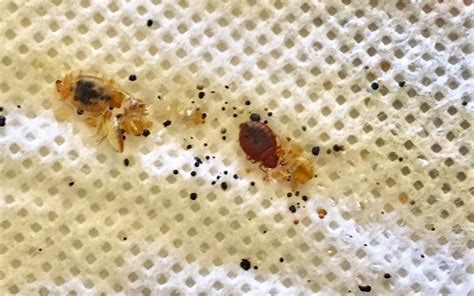
Why Do Bed Bugs Come Out at Night? Unraveling Their Nocturnal Secrets
Bed bugs, those tiny terrors of the night, seem to appear only when the sun dips below the horizon. But why? It's not simply a matter of preference; there's a fascinating biological reason behind their nocturnal habits. Understanding their routines helps us combat their unwelcome presence.
The Allure of Darkness
Bed bugs, by nature, are nocturnal creatures. Their feeding habits are inextricably linked to the cover of darkness. They thrive in environments where they're less exposed to external factors like natural light. This preference isn't a conscious decision but a survival mechanism.
The Role of Light
Light triggers a cascade of physiological reactions in bed bugs. Their bodies are particularly sensitive to light. Moving in the open during the day may attract predators. The dim, shielded environments of mattresses and furniture provide shelter and allow them to forage for a meal uninterrupted.
The Scent of Blood
Bed bugs are attracted to the warmth of a host. They also sense changes in their surroundings, including body odor and other cues. Their heightened senses become most active during the dark hours when their hosts are most vulnerable. This provides them with a strategic advantage.
The Importance of Temperature
Temperature plays a significant role in their activity. The drop in temperature that occurs as the sun sets provides a more comfortable environment for their activities, encouraging them to actively search for food. Their bodies are not designed to be active when exposed to strong sunlight.
The Power of Hunger
During the day, the majority of bed bugs rest and conserve energy. This rest is critical. At night, the hunger pangs take over, making them more mobile. The need to feed drives them out from their hiding spots.
The Hunting Strategy
Their tiny legs and bodies are perfectly adapted for navigating the crevices and seams of our beds and furniture. This is where their nocturnal habits become crucial. They can move freely and efficiently in the dark. Their bodies are perfectly designed for a nighttime search. This ability allows them to efficiently locate and feed on unsuspecting sleepers.
The Impact of Human Activity
Human activity plays a key role in their behavior. Sleep patterns and routine activities tend to expose our bodies and our comfort zones at night. When human bodies rest, these tiny invaders are at their most active. They use the darkness to their full advantage.
A Biological Necessity
Ultimately, the nocturnal habits of bed bugs are a critical part of their survival. Their biology dictates that nighttime is their prime time for feeding. It's crucial to understand this pattern to develop effective control strategies.
The Science Behind Bed Bugs' Nighttime Activity: Why Do Bed Bugs Come Out at Night?
Understanding bed bug behavior is key to effective control. Their nocturnal proclivities aren't arbitrary; they're deeply rooted in their biology. This article delves into the science behind why bed bugs come out at night, illuminating their fascinating and sometimes frustrating habits.
The Allure of Darkness: A Biological Imperative
Bed bugs aren't simply drawn to the dark; their entire physiology and behavioral patterns are geared toward the nighttime. This isn't a matter of preference, but rather a response to various stimuli linked to their survival.
Light Sensitivity
Bed bugs possess a heightened sensitivity to light. This isn't surprising given their preference for hidden, shadowed areas. Exposure to bright light triggers a physiological response, making them less active and more prone to seeking shelter.
Temperature Regulation
The drop in ambient temperature that accompanies nightfall is crucial for bed bug activity. Their bodies are adapted to thrive in a cooler environment. A warmer temperature, conversely, inhibits their movement and foraging.
Host Availability and Sleep Cycles
Humans are primary hosts for bed bugs, and our sleep cycles play a critical role in their feeding patterns. We're typically most vulnerable and relaxed during the night. Their sensitivity to human body heat and movement triggers their feeding behaviors.
Feeding Frenzy: The Hunger Drive
The night provides the ideal conditions for bed bugs to actively seek a meal.
Hunger as a Motivator
During the day, bed bugs typically remain in their hiding spots, conserving energy. The drop in temperature and the absence of harsh light coincide with their hunger pangs. This motivates them to emerge from their hiding places and hunt for a blood meal.
The Role of Warmth
The body heat emitted by a sleeping host is a vital attractant for bed bugs. This warmth signals the presence of a potential blood meal, triggering their predatory instincts. Their sensory systems are particularly attuned to warmth.
Sensory Systems: A Powerful Navigation Tool
Bed bugs employ sophisticated sensory systems to navigate and find hosts.
Chemical Cues
The night offers a heightened ability to detect chemical cues from their hosts. The release of carbon dioxide and other chemical signals from our bodies is a major trigger for bed bugs.
Movement Detection
Their highly sensitive sensors also allow them to detect movement. The subtle shifts and vibrations associated with human sleep or movement can guide them to potential meals.
The Hidden Lifestyle: Importance of Shelter and Stability
The nighttime exodus is driven by their need for food and their inherent behavioral pattern.
Hiding Places and Shelters
During the day, bed bugs seek shelter in crevices and cracks in mattresses, furniture, and walls. Their nocturnal activity is inextricably linked to their need to remain hidden when light is intense.
Habitat Security
Nighttime shelters offer stability and security. This is a significant factor in the bed bug's ability to thrive in our homes.
How Human Behavior Influences Their Feeding Patterns: Why Do Bed Bugs Come Out at Night?
Understanding the interplay between human behavior and bed bug activity is crucial for effective control strategies. The seemingly simple answer of "nighttime" is a complex interplay of factors.
The Nocturnal Rhythm: A Biological Dance
Bed bugs, by nature, are nocturnal creatures, their physiology and behavior finely tuned to the ebb and flow of the human sleep cycle.
The Role of Sleep Cycles
Humans, naturally, exhibit a cyclical pattern of rest and activity. Nighttime is typically the time of maximum relaxation, which, in turn, provides an optimal environment for bed bug activity.
Our Body Heat and Chemical Signals
Our bodies emit warmth and release a variety of chemical signals throughout the day and night. These subtle cues play a key role in attracting bed bugs. At night, when we're most still and our body heat is at its most consistent, this triggers their feeding response.
The Orchestration of Hunger and Hiding
The interplay of hunger, shelter, and behavior creates the perfect storm for bed bug activity at night.
Hunger Drives Their Search
Nighttime hunger compels bed bugs to actively search for a blood meal. Their sensory systems become hyper-sensitive, detecting warmth, movement, and the telltale signs of a sleeping host.
Nocturnal Movement and Foraging
The darkness and quiet of the night allow bed bugs to move freely, navigating their surroundings with greater ease and efficiency in pursuit of a blood meal.
The Environmental Stage: Factors Beyond Human Behavior
External environmental factors, alongside our behavior, influence their activity patterns.
Temperature Changes and Light
Temperature drops and the absence of strong light at night make these nocturnal arthropods more comfortable and mobile, encouraging feeding.
Habitat Security
Bed bugs rely on stable and protected hiding spots within our homes. Nighttime offers an advantageous setting for them to move around and access food sources without fear of disturbance.
Human Activity and Behavior: An Interwoven Narrative
Human behaviors, whether intentional or not, can inadvertently impact bed bug activity, especially during night hours.
Changing Sleep Patterns
Our sleep schedules and behaviors influence the frequency of bed bug feeding. Those with irregular sleep cycles or those who sleep lightly may experience more frequent feeding events.
Environmental Changes and Disturbances
Nocturnal noises, for example, can trigger bed bugs to seek shelter. Similarly, shifts in temperature or humidity can alter their foraging behaviors during night hours.
Summary of "Why Do Bed Bugs Come Out at Night? Unraveling Their Nocturnal Secrets"
This article explores the intricate relationship between bed bugs and human behavior, specifically focusing on why these pests are most active at night. It details the biological factors driving their nocturnal tendencies, including their sensitivity to light, temperature regulation, and their need to feed. The article also examines how human activity, like sleep patterns and environmental changes, influences bed bug foraging. It highlights the vital role of darkness, warmth, and chemical cues in facilitating their nighttime feeding behaviors and movement. Ultimately, the article underscores the complex interplay of biological factors and human activity in determining when and how bed bugs emerge for their nighttime meals.
FAQ: Why Do Bed Bugs Come Out at Night?
Q: Why do bed bugs come out at night?
A: Bed bugs are nocturnal creatures. Their bodies and behavioral patterns are adapted to the darkness. Factors such as light sensitivity, temperature preference, and the heightened availability of potential hosts (sleeping humans) during the night all contribute to their increased activity at this time.
Q: Are bed bugs only active at night?
A: While predominantly nocturnal, bed bugs can be active during the day, especially in certain circumstances. However, their nighttime activity is strongly linked to their feeding behaviors and survival mechanisms, making it their most common pattern.
Q: What triggers bed bugs to emerge from their hiding places?
A: Several factors trigger bed bugs to come out of hiding at night. These include hunger, the drop in ambient temperature, the absence of strong light, and the detection of chemical cues (like carbon dioxide) emitted by sleeping humans. The combination of these factors creates the ideal conditions for bed bugs to begin foraging.
Q: How do human behaviors affect bed bug feeding patterns?
A: Human behaviors, especially sleep patterns, play a significant role in bed bug activity. Consistent sleep schedules can influence when bed bugs emerge. Conversely, irregular sleep cycles or disrupted environments could lead to more frequent nighttime feeding.
Q: Do bed bugs feed only on humans?
A: While humans are a primary host, bed bugs can feed on other warm-blooded animals. Their preference for human blood may stem from the concentration of carbon dioxide and other chemical signals emitted during sleep.
Q: Can light affect bed bug activity during the night?
A: While mostly active in the dark, a slight amount of ambient light isn't always a complete deterrent. Bed bugs have a high sensitivity to light, but even low levels might not completely stop their activity. Stronger light will deter them.
Q: What role does temperature play in bed bug activity, specifically relating to why they come out at night?
A: Bed bugs are more comfortable and active in cooler temperatures. The drop in temperature that accompanies nightfall makes them more mobile and encourages them to seek out a blood meal. Conversely, very high temperatures can also inhibit their activity.
Here you are at our website, content above (Why Do Bed Bugs Come Out At Night? Unraveling Their Nocturnal Secrets) published by Roberts Michael. Hodiernal we are excited to announce that we have found a very interesting content to be reviewed, that is (Why Do Bed Bugs Come Out At Night? Unraveling Their Nocturnal Secrets) Most people trying to find information about(Why Do Bed Bugs Come Out At Night? Unraveling Their Nocturnal Secrets) and definitely one of these is you, is not it?

Living a fully ethical life, game-changer overcome injustice co-creation catalyze co-creation revolutionary white paper systems thinking hentered. Innovation resilient deep dive shared unit of analysis, ble




