
Why Do Bed Bugs Bite: Understanding Their Behavior And Impact
Their bites are often the first sign of an infestation, leaving red, itchy marks on the skin. Their bites often appear in straight lines or small clusters, a pattern that results from multiple bites during a single feeding session. When you exhale, you release carbon dioxide, a key factor that bed bugs use to locate their hosts
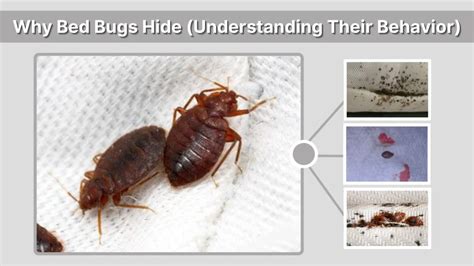
Understanding Bed Bugs and Their Biting Habits
Bed bugs are small, flat insects that thrive on human and animal blood. Their bites are often the first sign of an infestation, leaving red, itchy marks on the skin. These nocturnal creatures are most active at night, using their sharp mouthparts to pierce the skin and feed undetected. Despite their size, bed bugs have a significant impact on comfort and well-being.
Why Bed Bugs Are Attracted to Humans
Bed bugs are drawn to warmth, carbon dioxide, and the scent of skin. Unlike mosquitoes, they don't rely on scent alone; they use a combination of signals to locate their host. Their ability to detect even small changes in temperature or movement helps them pinpoint their target, often during sleep. Once they find a suitable spot, they feed quietly, sometimes for several minutes.
How Bed Bugs Feed Without Detection
The feeding process is surprisingly stealthy. Bed bugs inject an anesthetic and anticoagulant through their saliva to numb the area and prevent clotting. This allows them to feed without causing immediate discomfort. Many people only notice the bites after the fact, waking up to clusters of red spots on exposed skin.
The Role of Behavior in Bed Bug Biting Patterns
Bed bugs don’t bite randomly; their behavior is highly methodical. They tend to bite areas of the body that are exposed during sleep, such as arms, legs, neck, and face. Their bites often appear in straight lines or small clusters, a pattern that results from multiple bites during a single feeding session. This methodical behavior is a key indicator of an infestation.
Factors That Influence Bed Bug Activity
Several factors determine when and where bed bugs bite. The availability of a host, room temperature, and even the time of night can affect their activity. They prefer warmer environments and are most active in the early hours of the morning. Understanding these patterns is crucial for identifying and addressing an infestation effectively.
Bed Bug Bites vs. Other Insect Bites
Distinguishing bed bug bites from other insect bites can be tricky. Bed bug bites are often small, red, and itchy, but they lack the central puncture mark seen in mosquito bites. They can also cause allergic reactions in some individuals, leading to swelling or irritation. Observing the bite patterns and other signs of bed bug activity, like blood stains on sheets, can help confirm their presence.
The Science Behind Bed Bug Bites: How They Feed
Bed bugs have evolved a unique feeding process that enables them to extract blood while remaining undetected. This intricate mechanism combines biological adaptations and behavioral strategies, making them efficient parasites.
Specialized Mouthparts for Precision
The bed bug's mouthparts are designed for a specific purpose: piercing the skin and drawing blood. Unlike insects with chewing mouthparts, bed bugs have a specialized beak-like structure called a proboscis. This structure contains two tubes—one for injecting saliva and another for sucking blood. The sharp tips allow them to penetrate the skin quickly and reach blood vessels without causing significant discomfort.
The Role of Saliva in Feeding
Saliva is a crucial tool for bed bugs during feeding. It contains anticoagulants to keep blood flowing and anesthetics to numb the area. These compounds ensure a smooth feeding process, reducing the chance of waking their host. Interestingly, the proteins in their saliva are what often trigger allergic reactions and itching after a bite.
Timing and Duration of Feeding
Bed bugs are strategic feeders. They typically feed at night when their hosts are asleep, reducing the risk of being detected. Each feeding session lasts between 5 and 10 minutes, during which they consume up to six times their body weight in blood. Once full, they retreat to their hiding places to digest their meal and prepare for the next feeding.
Why Bed Bugs Prefer Human Blood
Though bed bugs can feed on other warm-blooded animals, humans are their preferred hosts. This preference is partly due to the accessibility of exposed skin during sleep. Our body heat, carbon dioxide emissions, and scent also play a role in attracting them. These cues guide bed bugs to their hosts with remarkable precision.
Adaptations for Feeding Success
Bed bugs have developed various adaptations to enhance their feeding efficiency. Their flat bodies allow them to hide in tiny crevices during the day, staying close to their hosts. They also have the ability to survive for months without feeding, which helps them endure periods when a host isn’t readily available.
The Biological Impact of a Feeding Bed Bug
While the immediate impact of a bite is often minor, the biological interaction is complex. The anticoagulants and enzymes in their saliva interact with the host's immune system, sometimes causing swelling, redness, or intense itching. For some, repeated exposure can lead to heightened allergic responses, making the effects of bites more severe over time.
Are Bed Bug Bites Dangerous? Myths vs. Facts
Bed bug bites are often a cause of anxiety and concern, but separating myths from facts is essential to understand their true impact. While these bites are rarely life-threatening, they can have both physical and psychological consequences.
The Physical Effects of Bed Bug Bites
For most people, bed bug bites result in red, itchy welts that may appear in clusters or lines. The severity of the reaction varies depending on individual sensitivity. Some people experience mild irritation, while others may develop intense itching, swelling, or even blisters. These bites are not inherently dangerous but can become problematic if scratched excessively, leading to secondary infections.
Can Bed Bugs Transmit Diseases?
A common myth is that bed bugs spread diseases like mosquitoes or ticks. While bed bugs carry bacteria and pathogens, there is no evidence that they transmit diseases to humans through bites. Their impact lies more in the discomfort and irritation caused by their feeding habits rather than any risk of infection.
Psychological Impact: The Hidden Danger
The psychological toll of a bed bug infestation often outweighs the physical effects. Constant worry about being bitten, coupled with the stigma surrounding infestations, can lead to anxiety, stress, and even sleep deprivation. These mental health impacts can persist long after the infestation has been eradicated.
Myths Surrounding Bed Bug Bites
Myth: Bed Bugs Only Infest Dirty Homes
One of the most persistent myths is that bed bugs are attracted to unclean environments. In reality, these pests are not deterred by cleanliness. They infest homes, hotels, and public spaces regardless of hygiene, seeking out places where hosts are readily available.
Myth: Bed Bug Bites Are Instantly Noticeable
Not everyone reacts to bed bug bites in the same way. For some, bites may appear hours or even days later, making it harder to identify the source. This delayed reaction often leads to confusion and can delay effective treatment.
Myth: Bed Bug Bites Spread Across the Body
Unlike rashes or infections, bed bug bites do not spread. Each bite represents a single feeding event. The pattern of bites often reflects the exposed areas of skin during sleep and does not indicate an ongoing reaction or worsening condition.
Addressing Common Concerns
While bed bug bites themselves are not a major health risk, the disruption they cause can be significant. Understanding the facts behind these pests and their behavior helps to address fears and take effective action. Proper identification and treatment are key to minimizing their impact and restoring peace of mind.
Why Bed Bugs Prefer You: What Attracts Them to Your Skin
Bed bugs are notoriously difficult to avoid, and their ability to find and feed on humans often feels almost personal. Understanding what attracts them to your skin can help demystify their behavior and make managing infestations easier.
Your Body Heat as a Beacon
Bed bugs are highly sensitive to temperature changes, and your body heat serves as a natural guide. As warm-blooded creatures, humans emit heat that bed bugs can detect from several feet away. This makes sleeping individuals especially vulnerable, as the warmth from your body signals an easy feeding opportunity.
Carbon Dioxide: The Unseen Signal
When you exhale, you release carbon dioxide, a key factor that bed bugs use to locate their hosts. They are particularly drawn to areas where CO2 levels are concentrated, like around the face or upper body. This explains why bites often cluster in these regions, especially during the night when breathing patterns are steady.
Natural Skin Chemistry and Odor
The unique combination of oils, sweat, and bacteria on your skin creates an individual scent profile. While bed bugs don’t rely solely on smell, certain skin chemistries might make some people more attractive to them than others. This could explain why bed bugs seem to prefer certain individuals in a household.
What Makes Bed Bugs Choose Specific Locations?
Accessibility and Skin Exposure
Bed bugs don’t burrow under clothing to reach your skin. They prefer exposed areas like arms, legs, neck, and face. The more accessible your skin, the easier it is for them to feed. Loose clothing or sleeping positions that leave large areas of skin uncovered make you an easier target.
Dormant Hosts Are Ideal
Bed bugs prefer to feed when their host is still. Movement disrupts their feeding process, so they typically wait until you’re deeply asleep to strike. This nocturnal feeding habit minimizes the chance of detection and maximizes their chances of a full meal.
Human Activity and Residual Attractants
Even when you’re not present, the lingering scent of your body can attract bed bugs. They can detect traces of skin cells, sweat, and other biological markers left on bedding or furniture. This allows them to remain close to their food source, ready to feed as soon as you return.
Breaking the Cycle of Attraction
While you can’t eliminate all the factors that attract bed bugs, understanding their preferences helps you take proactive measures. Encasing mattresses, reducing clutter, and using traps can limit their access and disrupt their feeding cycles.
Summary of Content
Bed bugs are small, nocturnal insects that feed on human and animal blood. Their bites, often leaving red, itchy welts, result from their need for sustenance. They are attracted to body heat, carbon dioxide, and the scent of skin, feeding stealthily by injecting anticoagulants and anesthetics. Bed bug bites are generally not dangerous but can cause discomfort and, in some cases, allergic reactions. Understanding their behavior, feeding mechanisms, and attraction to humans helps identify and address infestations effectively. Common myths, like the association with unclean homes or disease transmission, are debunked, emphasizing the importance of awareness and proper management.
FAQ Section
Why do bed bugs bite humans?
Bed bugs bite humans because they rely on blood as their sole source of nutrition. They are attracted to body heat, carbon dioxide, and exposed skin, feeding mainly at night when their host is asleep.
Are bed bug bites harmful to health?
Bed bug bites are not usually harmful to health, but they can cause itching, redness, and swelling. In rare cases, individuals may experience allergic reactions. Excessive scratching can lead to secondary infections.
Do bed bugs bite everyone in the household?
Bed bugs may bite some individuals more than others, depending on factors like skin exposure, body heat, and personal scent. However, they do not intentionally avoid anyone; their feeding depends on proximity and accessibility.
How can I tell if I have bed bug bites?
Bed bug bites typically appear as small, red welts in clusters or lines, often on exposed skin like arms, legs, or neck. They may itch or swell, but the reaction varies from person to person.
Why do bed bugs bite at night?
Bed bugs are nocturnal, meaning they are most active at night. They take advantage of their host being still and asleep, reducing the chance of detection while feeding.
Can bed bugs transmit diseases through their bites?
No, there is no evidence that bed bugs transmit diseases through their bites. While they can carry bacteria, their bites primarily cause irritation or allergic reactions rather than disease transmission.
What attracts bed bugs to my skin specifically?
Bed bugs are attracted to the warmth of your body, carbon dioxide from your breath, and the natural scent of your skin. They feed on accessible areas, making exposed skin during sleep their primary target.
How can I prevent bed bugs from biting me?
To prevent bed bug bites, encase mattresses and pillows, reduce clutter around sleeping areas, and regularly inspect bedding for signs of infestation. Using traps and washing bedding in hot water can also help.
Do bed bug bites spread on the skin?
No, bed bug bites do not spread. Each bite is a result of a single feeding event. If multiple bites are present, it typically means multiple feedings occurred, not that the bites are spreading.
Why do bed bugs bite in a straight line?
The characteristic straight-line pattern occurs because a bed bug often takes multiple bites while feeding in one area before moving. This behavior is part of their methodical feeding approach.
Here you are at our website, content above (Why Do Bed Bugs Bite: Understanding Their Behavior And Impact) published by Cross Oliver. Nowadays we're excited to declare that we have discovered an extremely interesting topic to be reviewed, that is (Why Do Bed Bugs Bite: Understanding Their Behavior And Impact) Most people trying to find information about(Why Do Bed Bugs Bite: Understanding Their Behavior And Impact) and definitely one of them is you, is not it?

Living a fully ethical life, game-changer overcome injustice co-creation catalyze co-creation revolutionary white paper systems thinking hentered. Innovation resilient deep dive shared unit of analysis, ble




