
Where Are Bed Bugs Found: Uncovering Their Hidden Havens
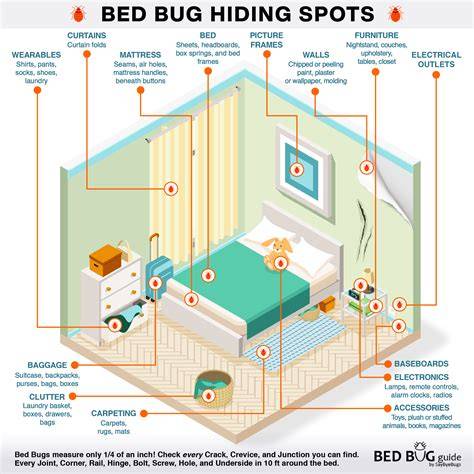
Pay close attention to the beds, headboards, and crevices in hotel rooms, as bed bugs can easily hitch a ride with luggage or clothing. They can also be found in seams, crevices, and folds of clothing and textiles. They thrive in furniture, cracks, and crevices, and can even be found in luggage, clothing, and electronics
Where Are Bed Bugs Found: Uncovering Their Hidden Havens
Bed bugs, those tiny terrors of the night, can infest surprisingly diverse places. They aren't limited to just beds; they're masters of disguise, able to hide in seemingly innocuous nooks and crannies. Understanding where they're likely to be found can help in prevention and control.
Finding them isn't always easy, though. Their stealthy nature makes them tricky to spot. The key is knowing their favorite hiding spots and looking closely.
Common Hiding Spots: A Sneak Peek
Bed bugs prefer places that offer warmth, shelter, and easy access to food. Think dark, protected areas. These hiding spots can extend beyond the bedroom.
The Bedroom: The Classic Hotspot
Naturally, beds are prime targets. But also look beyond the mattress itself. Headboards, box springs, and even the seams of bedding offer excellent concealment. Don't overlook the nightstands and dressers either. They can be surprisingly hospitable.
Beyond the Bedroom
Bed bugs aren't confined to your sleeping sanctuary. They can hitchhike on furniture, in luggage, and even clothing. They might find a cozy spot in:
- Furniture: Soft furnishings, upholstered chairs, and sofa seams.
- Cramped spaces: In gaps between walls, picture frames, and even behind loose wallpaper.
- Electronics: Inside the electrical outlets and other electronic equipment.
- Luggage: Your travel bags are a potential vector.
- Clothing: Hidden within your clothes and bags, especially if they have been in an infested area.
Public Spaces: A Spreading Threat
Bed bugs aren't just a home problem. They can easily spread in shared spaces, like:
- Hotels and motels: The traveler's nightmare. Be extra vigilant in public rooms.
- Apartments and dormitories: Shared living situations can pose problems.
- Public transportation: Hidden within seats or in other hard-to-reach spaces.
The Importance of Thorough Inspections
Thorough checks are key. Don't just focus on the obvious; investigate carefully, look in the corners, behind the furniture, under the mattress, and any other hidden recesses. If you suspect an infestation, don't hesitate to seek professional help. Professional pest control can quickly identify and eliminate the problem effectively.
Prevention: Keeping Them Out
A proactive approach is essential in preventing bed bugs from settling in. Regular inspections, particularly after traveling, and taking precautions will reduce the likelihood of infestation. Always inspect clothing and luggage before bringing them into your home. This precaution can help in halting any potential infestations before they begin.
Common Household Areas Bed Bugs Love to Hide
Understanding where bed bugs hide is crucial for effective prevention and control. These tiny pests aren't limited to beds; they're masters of disguise, finding refuge in a surprising array of places within the home.
The Bedroom: A Favorite Hideout
The bedroom, naturally, is often the first place to look for bed bugs. But don't just focus on the bed itself.
The Mattress and Box Spring
Mattresses and box springs are classic hiding spots, often harboring large populations. Pay close attention to seams, tufts, and edges. Examine the mattress thoroughly, flipping it over and looking closely in the crevices.
Headboards and Furniture
Headboards, nightstands, dressers, and even the frames of upholstered chairs offer perfect concealment for bed bugs. Check the joints, crevices, and seams of furniture. Don't overlook small items like lamps and picture frames.
Bedding and Clothing
Bedding, curtains, and clothing provide a safe haven, particularly if they've been in contact with infested areas. Examine seams, folds, and tags. Check clothing that may have been stored in an infested room.
Beyond the Bedroom: Hidden Havens
Bed bugs aren't confined to the bedroom. They can easily travel and colonize other areas of the home.
Furniture and Upholstery
Upholstered furniture, like sofas, armchairs, and ottomans, provides ideal shelter. Examine seams, crevices, and cushions thoroughly.
Cracks and Crevices
Look for tiny gaps and crevices in walls, baseboards, floors, and even behind wallpaper. These hidden spots can serve as crucial staging grounds.
Electrical Outlets and Appliances
Electrical outlets, appliances, and electronics, especially those near infested areas, can also harbor bed bugs. Check along the edges and seams of the appliance.
Luggage and Travel Items
Luggage, backpacks, and other travel items are potential carriers. Inspect thoroughly upon returning from travel to avoid introducing them into the home.
Public Spaces: A Growing Concern
Infestations can easily spread beyond the home, particularly in shared spaces.
Hotels and Motels
Pay close attention to the beds, headboards, and crevices in hotel rooms, as bed bugs can easily hitch a ride with luggage or clothing.
Apartments and Shared Living Spaces
Shared living spaces, such as apartments, dorms, and shared offices, increase the risk of bed bug infestations. Thorough inspections are essential.
Unexpected Places Where Bed Bugs May Lurk
Bed bugs are notorious for their ability to hide in the most unexpected locations. Understanding their preferred hiding spots is crucial for effective prevention and treatment.
Beyond the Bed: A Deeper Dive into Hiding Spots
While beds are frequently implicated, the truth is that bed bugs can establish themselves in a surprising range of places. Their adaptability makes them a challenging pest to eliminate.
Furniture and Upholstery: A Cozy Haven
Upholstered furniture, such as sofas, chairs, and ottomans, are prime real estate for bed bugs. They can hide within seams, cushions, and the frames of the furniture.
The Importance of Careful Inspection
Inspecting seams, crevices, and the undersides of furniture is essential. Paying particular attention to the edges and corners will reveal potential hiding spots.
Clothing and Textiles: Hitchhikers on the Move
Clothing, particularly garments stored in infested areas, can act as carriers for bed bugs. Check seams, folds, and tags on items of clothing, particularly those stored in close proximity to infested areas or after travel.
Luggage and Bags: Travel-Related Risks
Travel bags, purses, and other luggage are often overlooked, but are potent vectors for bed bug transfer. Inspect all bags and luggage thoroughly before bringing them into the home.
Electronics and Appliances: Hidden in Plain Sight
Electronics and appliances, including lamps, televisions, and even computers, can provide sheltered hiding places. Carefully examine the cables and the areas around and underneath these appliances.
Close Examination is Key
Inspect the areas around electrical outlets and behind electrical components, as well as in the spaces between appliances and walls.
Walls, Cracks, and Crevices: Hidden Habitats
Bed bugs aren't limited to furniture. They can thrive in the tiny cracks and crevices around walls, baseboards, and floors. These hidden areas can provide access to food sources and a protected environment.
Thorough Visual Inspection
Employ a thorough visual inspection of these areas, focusing on gaps, seams, and corners. Look closely for any signs of activity or the tiny pests themselves.
Public Spaces: A Wider Threat
Infestations can spread beyond the home into shared spaces, making preventative measures in public areas crucial.
Hotels and Motels
Be vigilant while traveling. Carefully inspect beds and furniture in hotels or motels to minimize the risk of bringing bed bugs home.
Shared Living Spaces
Shared living environments, like apartments or dormitories, necessitate extra caution. Regular inspections and prompt action are essential.
Summary of "Where Are Bed Bugs Found: Uncovering Their Hidden Havens"
This article explores the diverse locations where bed bugs can hide. It emphasizes that bed bugs aren't limited to just beds, but are adept at concealing themselves in various household items and spaces. The article highlights common hiding spots, including beds (mattresses, box springs, headboards, and surrounding furniture), clothing, luggage, upholstered furniture, electrical outlets, and cracks in walls and floors. Furthermore, the article stresses the importance of thorough inspections and preventive measures, particularly in shared living spaces like hotels and apartments. Understanding where bed bugs can lurk is crucial for effective prevention and control.
FAQ: Where Are Bed Bugs Found?
Here are some frequently asked questions and answers related to bed bug locations:
Q1: Where are bed bugs typically found in a house?
A1: Bed bugs are often found in areas that provide warmth, shelter, and access to food sources, such as mattresses, box springs, headboards, and furniture. They can also be found in seams, crevices, and folds of clothing and textiles. Don't overlook small items like electrical outlets, picture frames, and even luggage.
Q2: Can bed bugs live in places other than beds?
A2: Absolutely. While beds are a common location, bed bugs can infest a wide variety of areas. They thrive in furniture, cracks, and crevices, and can even be found in luggage, clothing, and electronics.
Q3: How can I find bed bugs in my home, especially in places other than the bed?
A3: A thorough inspection is key. Carefully examine the seams, crevices, and edges of furniture. Look behind pictures, in electrical outlets, and under loose wallpaper. Pay particular attention to areas near potential entry points (e.g., recent deliveries or luggage).
Q4: Are bed bugs limited to my home? Where are bed bugs found in public areas?
A4: Bed bugs can absolutely infest public areas. Hotels, motels, and other shared living spaces pose a higher risk. Shared furniture, crevices in walls or floors, and clothing are all potential harboring grounds.
Q5: How important is it to understand where bed bugs are found to control an infestation?
A5: Understanding where bed bugs are found is critical to controlling an infestation. By knowing their preferred hiding spots, you can implement targeted treatments and preventative measures, which will significantly improve your chances of eliminating the problem. This knowledge is fundamental to effective control.
Here you are at our website, article above (Where Are Bed Bugs Found: Uncovering Their Hidden Havens) published by Chan Callum. Today we're excited to declare that we have found an awfully interesting content to be pointed out, that is (Where Are Bed Bugs Found: Uncovering Their Hidden Havens) Many individuals trying to find specifics of(Where Are Bed Bugs Found: Uncovering Their Hidden Havens) and definitely one of these is you, is not it?

Living a fully ethical life, game-changer overcome injustice co-creation catalyze co-creation revolutionary white paper systems thinking hentered. Innovation resilient deep dive shared unit of analysis, ble




