
Effective Pest Control: What To Do After Bed Bug Treatment
Okay, here's the article with the requested formatting and style adjustments:
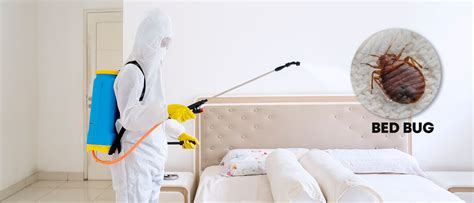
Okay, here's the article with the requested formatting and style adjustments:
It's a relief when you finally tackle a bed bug infestation, but the battle isn't over after the treatment. Knowing what to do after bed bug treatment is crucial for preventing a resurgence. These tiny pests are persistent, and a few overlooked details could bring them right back.
Immediate Aftercare
The first few days post-treatment are key. Avoid immediately rearranging furniture or unpacking everything you stored. Let the residual pesticides do their work. Also, refrain from vacuuming everywhere on day one. Give the treatment a little time to really impact any stragglers.
Inspecting for Lingering Signs
Keep an eye out. You are checking for evidence of bed bugs. Even with professional care, it's smart to look for any signs. This might mean checking for live bugs, shed skins, or tiny dark spots, especially in seams of mattresses and bedding. Sometimes, a second treatment is necessary. Early detection is key to avoid a full reinfestation.
Laundry Protocols
Laundering everything might seem like overkill, but it’s vital. Wash all bedding, clothing, curtains, and even stuffed toys. Hot water kills bed bugs and their eggs. And don't forget to dry them on high heat. If something can’t be washed, consider putting it in a tightly sealed bag for a few weeks. This starves any bed bugs to death.
Monitoring and Prevention
Post-treatment, don't just go back to your old habits. Consider this a time for vigilance.
Mattress Encasements
Using mattress encasements is like putting on a shield. These protective covers trap any surviving bugs inside and prevent new ones from getting in. Ensure they’re bed bug specific and zip them up tightly. This offers long-term peace of mind.
Regular Cleaning Routine
It helps to keep things tidy. Regular vacuuming, especially around baseboards, seams of furniture, and under beds, gets rid of any lingering bugs or eggs. Promptly empty the vacuum cleaner into a sealed bag outside. This practice just makes sense now that bed bugs have been an issue.
Travel Precautions
Bed bugs can be sneaky hitchhikers. When traveling, inspect your hotel room. Look at the bed and furniture before bringing in your luggage. Keep your suitcase off the floor and consider sealing your clothes in bags while you travel. It's a small price to pay for keeping them away from home.
Ongoing Vigilance
Don't fall into the trap of thinking you’re in the clear. Staying observant is really important to prevent a re-infestation. Regular checks, maintaining hygiene, and using protective measures mean that your efforts will be effective in the long run. It's not always fun, but it keeps your place safe and comfortable.
Dealing with a bed bug infestation is stressful, but understanding what to do after bed bug treatment is essential to keep them from returning. A successful treatment is just the start. Preventing a reinfestation requires consistent effort and awareness.
Preventing Reinfestation
After the initial treatment, it’s time to focus on preventing bed bugs from making a comeback. This requires a multi-pronged approach that includes both environmental controls and vigilance. Remember, bed bugs are masters of hiding, so careful attention is required.
Immediate Actions Post-Treatment
The hours and days immediately following professional bed bug treatment are vital. Avoid moving furniture from treated rooms to untreated areas; this can inadvertently spread the remaining bugs. It is also crucial to delay deep cleaning. Allow pesticides to fully act and kill off any residual bugs and eggs.
Laundry and Belongings
Thoroughly wash all your bedding, clothes, and anything else made of fabric. Use hot water and high heat in the dryer, as this will kill bed bugs at all stages of life. Items that can't be washed can be put in sealed plastic bags. Store them away for a few months. Starving bed bugs to death is an effective, if lengthy, approach.
Vacuuming Strategy
While you should delay intense vacuuming right after the treatment, it's vital to keep up regular vacuuming after that initial period. Use a vacuum with a disposable bag, and seal the bag after each session and immediately discard it. This stops any captured bed bugs from crawling back out. Pay special attention to seams, crevices, and areas near the bed.
Long-Term Preventive Measures
Preventing a reinfestation is not a sprint, but a marathon. Establishing ongoing habits is essential to creating an environment that's unfavorable to bed bugs. Small adjustments to daily habits can pay dividends in keeping them at bay.
Mattress and Box Spring Encasements
Bed bug proof mattress encasements are a long term defense. These encasements seal your mattress and box spring off, denying bed bugs a favorite hiding place. Choose encasements that are specifically designed for bed bugs, ensuring the zippers are tight.
Routine Inspections
Schedule regular inspections of the places where bed bugs like to hide. This includes mattresses, headboards, baseboards, and furniture. Knowing what to look for, like shed skins, dark spots, or live bed bugs, allows for quick action if you spot a problem.
Travel Precautions
Bed bugs often hitchhike from one location to another. Take extra care while traveling. Before unpacking in a hotel, look for signs of bed bugs. Store luggage off the floor and in plastic bags. Examine your luggage carefully before bringing it back into your home.
Decluttering and Home Maintenance
A cluttered home gives bed bugs more places to hide. Periodically remove clutter and maintain cleanliness. Repair cracks in walls and seal openings in baseboards to remove potential bed bug hiding places. A proactive approach will reduce the risk of a reinfestation.
It's a relief to have bed bug treatment done, but what to do after bed bug treatment is often just as important. One of the most critical steps involves actively targeting where these pests might still be hiding. They aren't always easy to spot, and they are certainly good at being elusive.
Eradicating Hidden Bug Hiding Spots
Bed bugs are masters of camouflage, able to squeeze into remarkably small crevices. A successful post-treatment strategy goes beyond simple cleaning, focusing on identifying and addressing potential hideouts. This detailed approach is crucial to ensure that the treatment’s impact is long lasting.
Initial Post-Treatment Inspection
After the professionals have completed their work, start your own thorough inspection. Don't just glance at the surface. Look closely in the seams of your mattresses, behind headboards, and in the crevices of furniture. Use a flashlight to help illuminate these dark spots. Be sure to look closely for any signs of living bugs, their eggs, or shed skins.
Focusing on the Bedroom
The bedroom is where bed bugs are most likely to live, so start there. Take the time to check inside any cracks or crevices on bed frames, headboards and nightstands. Also, examine the seams of carpets, edges of rugs and the baseboards where they meet the walls. Look for tiny dark fecal stains and shed exoskeletons, as they are sure signs that bed bugs were present there.
Beyond the Bedroom
Bed bugs can spread to other areas of your home. Check upholstered furniture in the living room. Take a close look at the seams and under the cushions. Examine curtains and drapes. Look behind picture frames and in any other gaps or crevices in the house. Bed bugs can hide in surprisingly small spots, so a thorough search is essential.
Strategic Cleaning and Sealing
Once you’ve identified potential hiding places, it's time to act strategically. Physical removal and sealing off entry points are effective methods of preventing further infestation. These steps help keep the problem under control after the initial treatment.
Vacuuming with Precision
Use a vacuum cleaner to remove any bed bugs, eggs, or debris you find. Focus on the edges of carpets, under furniture, and in all the seams and crevices you’ve identified. Dispose of the vacuum cleaner bag in a sealed plastic bag immediately after. This reduces the risk of reinfestation.
Sealing Potential Entry Points
Bed bugs can travel through small openings. Seal cracks in walls, around baseboards, and any other potential entryways with caulk. Check and repair any loose wallpaper. By eliminating these potential highways for bed bugs, you make your home less hospitable to them.
Mattress Encasements
Using mattress and box spring encasements is also key to protecting your bedding long term. These encasements are specifically designed to trap bed bugs within your mattress or box spring. They also prevent new bed bugs from entering. Look for encasements that are specifically marketed to prevent bed bug infestations, ensuring that they are completely sealed.
Summary
This article emphasizes that what to do after bed bug treatment is just as crucial as the initial extermination. It highlights the necessity of immediate actions such as delaying major cleaning to let pesticides work, thoroughly laundering all fabrics, and conducting detailed inspections for remaining bed bugs. The focus then shifts to long-term preventive measures, including using mattress encasements, adopting a consistent cleaning routine, and taking travel precautions. Furthermore, it stresses identifying and eliminating hidden bug hiding spots by sealing cracks, vacuuming meticulously, and continuing regular inspections. The overarching message is that a multi-faceted approach, combining immediate post-treatment actions with ongoing preventative habits, is key to avoiding a reinfestation.
Frequently Asked Questions
What should I do immediately after bed bug treatment?
Answer: Immediately following treatment, avoid rearranging furniture or doing a deep clean for a few days. This allows the pesticides to work effectively. Focus on laundering all bedding and clothing in hot water and high heat, and perform a thorough inspection of mattresses, seams, and crevices for signs of remaining bed bugs.
How long should I wait before I vacuum after bed bug treatment?
Answer: It's best to wait a day or two before vacuuming thoroughly, giving the treatment time to settle. When you do vacuum, use a disposable bag and seal it tightly after each session before disposal to prevent any captured bed bugs from escaping. Pay attention to baseboards, furniture seams, and the edges of carpets.
Do I need to wash everything, even if it wasn’t near the bed?
Answer: Yes, it’s a good idea to wash all fabric items as a precaution, including clothing, curtains, and stuffed toys. Bed bugs are known to travel and could have spread beyond the immediate bed area. Washing and drying on high heat is effective at killing bed bugs and their eggs.
How often should I inspect for bed bugs after treatment?
Answer: Regular inspections should become a part of your routine, even after a successful bed bug treatment. Check your bedding, furniture, baseboards, and any potential hiding spots at least once a week. This helps in detecting any new infestations early, so they can be addressed before they become severe.
Will mattress encasements really prevent bed bugs?
Answer: Yes, bed bug proof mattress and box spring encasements are a valuable tool in preventing reinfestations. They trap any surviving bed bugs inside and prevent new ones from reaching your mattress. Ensure the encasement is specifically designed for bed bugs and is completely sealed.
What are the best travel precautions to take to avoid bringing bed bugs home?
Answer: When traveling, thoroughly inspect the hotel room for signs of bed bugs, especially the mattress and headboard. Keep your luggage off the floor and consider using sealed plastic bags for your clothes. After your trip, inspect your luggage carefully before bringing it into your home.
What should I do if I find signs of bed bugs after treatment?
Answer: If you find signs of bed bugs after treatment, it’s crucial to act quickly. Reassess your environment and re-wash everything, vacuum again, and you may need to contact your pest control service for a follow-up treatment. Do not wait; addressing this right away is key to preventing a full reinfestation. What to do after bed bug treatment is key in controlling bed bug populations.
Can bed bugs live in electronics?
Answer: Yes, bed bugs can hide in warm, dark areas, including electronics. Although less common than fabric areas, electronics are not immune, so keep that in mind during treatment and cleanup phases. They can hide around the vents, or other openings. Consider sealing them in plastic bags to kill any bugs inside.
Thanks for visiting our site, content above (Effective Pest Control: What To Do After Bed Bug Treatment) published by Gibbs Kieran. Hodiernal we're pleased to announce that we have discovered an awfully interesting topic to be reviewed, that is (Effective Pest Control: What To Do After Bed Bug Treatment) Some people looking for specifics of(Effective Pest Control: What To Do After Bed Bug Treatment) and certainly one of these is you, is not it?

Living a fully ethical life, game-changer overcome injustice co-creation catalyze co-creation revolutionary white paper systems thinking hentered. Innovation resilient deep dive shared unit of analysis, ble




