
Dreamy Nights: Determining The Perfect Bedtime
Even with a well-defined bedtime, the quality of your sleep hinges on your sleep environment. These include understanding your chronotype (your natural sleep-wake cycle), optimizing your sleep environment (ensuring darkness, quiet, and coolness), tracking your sleep patterns to identify individual needs, and adjusting your bedtime based on the data gathered. The article stresses the importance of consistency in maintaining a regular sleep schedule, even on weekends, to regulate your body's natural sleep-wake cycle and improve sleep quality
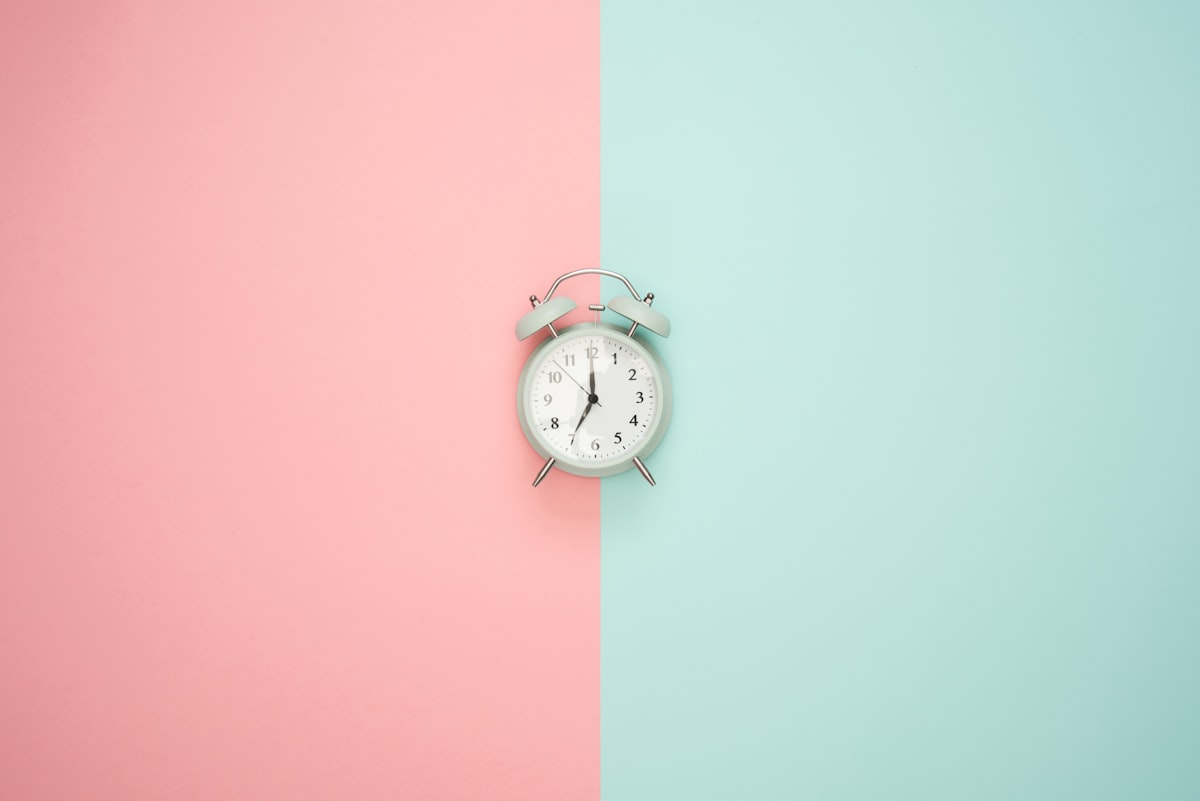
Dreamy Nights: Determining the Perfect Bedtime
Finding Your Ideal Sleep Schedule
We all crave those blissful, restorative nights of sleep. But finding that perfect bedtime? It's a quest many undertake. It's not just about hitting the hay at a certain hour; it's about understanding your body's natural rhythms and aligning your sleep with them. Experimentation is key.
Listening to Your Body's Clock
Your internal clock, or circadian rhythm, dictates when you feel sleepy and when you're naturally alert. Ignoring this can lead to grogginess and daytime fatigue. Paying attention to your energy levels throughout the day offers clues. Do you crash in the afternoon? Are you wired at midnight? These are hints your body's trying to send you.
Understanding Your Sleep Needs
Everyone's different. Some people thrive on seven hours of sleep, while others need nine or more. There's no magic number; it's about what feels right for you. Feeling consistently tired despite getting enough sleep? You might need to consider underlying health issues.
The Experiment: Tracking Your Sleep
Keep a sleep diary for a couple of weeks. Note what time you go to bed, what time you wake up, how you feel throughout the day, and any factors that might affect your sleep, like caffeine intake or late-night screen time. This data will reveal patterns and help you figure out what time you should go to bed.
Optimizing Your Sleep Environment
Your bedroom plays a huge role. Is it dark, quiet, and cool enough? A comfortable mattress and pillows are essential. Even small adjustments, like eliminating blue light exposure before bed or adopting a relaxing bedtime routine, can make a big difference. These factors all impact the quality of your sleep and your morning feeling.
Making Adjustments
Once you've tracked your sleep and tweaked your environment, you might need to make subtle adjustments to your bedtime. Perhaps shifting your bedtime by fifteen minutes earlier or later could significantly impact the quality of your rest. Pay close attention to how these small changes affect your sleep and how you feel throughout the following day. Consistency, though, remains crucial. Sticking to a regular sleep schedule, even on weekends, helps regulate your body's natural sleep-wake cycle.
Unlocking the Secret to Better Sleep
The Quest for the Perfect Bedtime: Understanding Your Chronotype
Many struggle with the age-old question: "What time should I go to bed?" The answer, however, isn't a simple number on a clock. It's deeply personal and depends on a complex interplay of factors, chief among them your chronotype. This is essentially your natural sleep-wake cycle, your internal biological clock that dictates your inherent sleep preferences. Are you a lark, naturally waking early and feeling most energetic in the morning? Or are you a night owl, thriving later in the day and feeling your peak energy well into the evening?
Identifying Your Chronotype: More Than Just Preference
Understanding your chronotype isn't just about acknowledging your natural sleep tendencies; it's about accepting and respecting them. Forcing yourself to adhere to a sleep schedule that clashes with your internal rhythm can lead to chronic sleep deprivation, regardless of the number of hours you spend in bed. Tools exist to help determine your chronotype, including online questionnaires and sleep trackers that monitor your sleep patterns.
Beyond Chronotype: External Factors at Play
While understanding your chronotype is crucial, it's not the sole determinant of your ideal bedtime. Several external factors influence when you should ideally go to bed. Consider your daily schedule: Do you have early morning commitments? What's your stress level? A busy, stressful day might require more sleep than a relaxed one. Similarly, a demanding morning routine necessitates an earlier bedtime. These factors, combined with your inherent chronotype, will help define your optimal sleep time.
Optimizing Your Sleep Environment: Setting the Stage for Restful Sleep
Even with a well-defined bedtime, the quality of your sleep hinges on your sleep environment. A well-optimized sleep space is conducive to better sleep. This includes creating a dark, quiet, and cool environment.
The Power of Pre-Sleep Rituals
Creating a relaxing pre-sleep routine can signal to your body that it's time to wind down. This might involve a warm bath, reading a book, listening to calming music, or practicing gentle stretching. Avoid stimulating activities like screen time or intense workouts close to bedtime. The goal is to gradually decrease your mental and physical arousal in preparation for sleep.
Addressing Sleep Disruptions: Proactive Solutions
Sleep disruptions are often unavoidable. However, proactive strategies can minimize their impact. This might include using earplugs to block out noise, an eye mask to enhance darkness, or a white noise machine to create a soothing soundscape. Addressing potential sleep disruptors directly, before they impede your sleep, can significantly improve sleep quality.
Fine-tuning Your Bedtime: The Art of Adjustment
Finding your ideal bedtime is an iterative process. Start with your chronotype and external factors, then create a suitable sleep environment, and implement a calming pre-sleep ritual. After a few weeks, you might need to make minor adjustments based on how you feel during the day.
The Importance of Consistency: Train Your Body Clock
Consistency is key to establishing a robust sleep-wake cycle. Maintain a regular bedtime and wake-up time, even on weekends, to reinforce your body’s natural rhythm. This will contribute to improved sleep quality and greater daytime alertness.
Beyond Circadian Rhythms: Factors Influencing Sleep
The Complexity of Sleep: More Than Just Your Internal Clock
While understanding your circadian rhythm—your body's natural sleep-wake cycle—is a crucial first step in determining the ideal bedtime, it's far from the complete picture. Many other factors significantly impact sleep quality and the optimal time to retire for the night. Ignoring these can lead to persistent sleep problems, even if you're seemingly following your body's natural rhythm.
The Role of Diet and Hydration: Fueling Your Sleep
What you eat and drink throughout the day, particularly in the hours leading up to bed, plays a crucial role in sleep quality. Heavy, rich meals close to bedtime can disrupt sleep, as can excessive caffeine or alcohol consumption. Staying adequately hydrated is essential, but avoid large volumes of liquid right before bed to minimize nighttime bathroom trips.
The Impact of Light Exposure: Regulating Your Sleep-Wake Cycle
Light exposure significantly influences your circadian rhythm. Exposure to bright light, especially blue light emitted from electronic devices, can suppress melatonin production, making it harder to fall asleep. Limiting screen time before bed and ensuring your bedroom is dark enough are critical for optimizing sleep.
Stress, Activity Levels, and Sleep: A Complex Interplay
Stress is a major sleep disruptor. Chronic stress elevates cortisol levels, a hormone that interferes with sleep. Finding healthy ways to manage stress—like exercise, meditation, or spending time in nature—can significantly improve sleep quality. Similarly, intense physical activity too close to bedtime can interfere with sleep, while regular moderate exercise throughout the day can improve sleep.
Individual Variations: Recognizing Personal Needs
Everyone's sleep needs vary. Genetic predispositions, age, overall health, and even underlying medical conditions all influence sleep patterns. What works for one person may not work for another. There’s no one-size-fits-all answer to the question, "What time should I go to bed?"
The Importance of Professional Guidance: When to Seek Help
Persistent sleep problems, despite making lifestyle changes, warrant seeking professional help. A sleep specialist can conduct a thorough assessment to identify potential underlying causes of sleep disorders and recommend tailored solutions. This might include sleep studies, therapies, or medications, depending on the individual's needs.
Beyond Bedtime: Prioritizing Sleep Hygiene
Determining your ideal bedtime is only one aspect of good sleep hygiene. Creating a supportive environment for sleep, including a comfortable mattress and bedding, a cool and dark bedroom, and a consistent sleep schedule, is paramount for achieving restorative rest.
The Long-Term Benefits of Prioritizing Sleep: Investing in Your Well-being
Prioritizing sleep is an investment in overall health and well-being. Sufficient, quality sleep enhances cognitive function, improves mood, boosts the immune system, and promotes physical health. Addressing sleep issues and finding your optimal bedtime should be viewed as an essential aspect of self-care.
Summary of "Dreamy Nights: Determining the Perfect Bedtime"
This article explores the multifaceted question of "what time should I go to bed?" It emphasizes that there's no single answer, as individual sleep needs are influenced by a combination of factors. These include understanding your chronotype (your natural sleep-wake cycle), optimizing your sleep environment (ensuring darkness, quiet, and coolness), tracking your sleep patterns to identify individual needs, and adjusting your bedtime based on the data gathered. The article stresses the importance of consistency in maintaining a regular sleep schedule, even on weekends, to regulate your body's natural sleep-wake cycle and improve sleep quality. Finally, it highlights the significant role that factors beyond circadian rhythms play in determining optimal bedtime, including diet, stress levels, and light exposure.
FAQ: Dreamy Nights: Determining the Perfect Bedtime
Q: What time should I go to bed?
A: There's no single "perfect" bedtime. The ideal time depends on your individual chronotype (your natural sleep-wake cycle), your daily schedule, your stress levels, and your sleep environment. Tracking your sleep patterns over a few weeks will help you identify your optimal bedtime.
Q: How can I figure out my chronotype?
A: You can try online questionnaires designed to assess chronotypes. Alternatively, keep a sleep diary for a couple of weeks, noting your sleep times, how you feel throughout the day, and any factors influencing your sleep. This will reveal patterns suggesting whether you're a morning person (lark) or a night person (owl).
Q: My sleep environment seems fine, but I still struggle to sleep. What else could be affecting my sleep?
A: Several factors beyond your sleep environment can impact sleep. Diet (heavy meals or caffeine before bed), stress levels, light exposure (especially blue light from screens), and underlying health issues all play a role. Consider addressing these factors.
Q: I have a demanding job with early starts. How can I still get enough sleep?
A: With early commitments, prioritize going to bed earlier. Maintain consistency in your sleep schedule as much as possible, even on weekends. Optimize your sleep environment for maximum darkness and quiet. Consider strategies for stress management, like meditation or a relaxing pre-sleep routine.
Q: Is it okay to adjust my bedtime on weekends?
A: While some flexibility is acceptable, try to keep your bedtime and wake-up time consistent, even on weekends. Large shifts can disrupt your body's natural sleep-wake cycle and lead to difficulty sleeping during the workweek. Aim for small, manageable adjustments if necessary.
Q: What should I do if I consistently struggle to get enough sleep despite trying these tips?
A: If you continue to have significant sleep problems, consult a doctor or sleep specialist. They can help identify any underlying medical conditions or sleep disorders that may require professional treatment.
Here you are at our site, article above (Dreamy Nights: Determining The Perfect Bedtime) published by Connor Jacob. Nowadays we're excited to declare we have discovered a very interesting topic to be reviewed, that is (Dreamy Nights: Determining The Perfect Bedtime) Many individuals attempting to find specifics of(Dreamy Nights: Determining The Perfect Bedtime) and definitely one of these is you, is not it?
Gallery for Dreamy Nights: Determining the Perfect Bedtime



Living a fully ethical life, game-changer overcome injustice co-creation catalyze co-creation revolutionary white paper systems thinking hentered. Innovation resilient deep dive shared unit of analysis, ble




