
Understanding Full Bed Size: What You Need To Know
It measures 54 inches wide and 75 inches long, making it an excellent choice for single sleepers who want more space to sprawl or for guest rooms where versatility matters. While full beds are wider than twin beds by 15 inches, they share the same length. It offers more space than a twin bed but is smaller than a queen, making it a versatile option for single sleepers, teens, or guest rooms
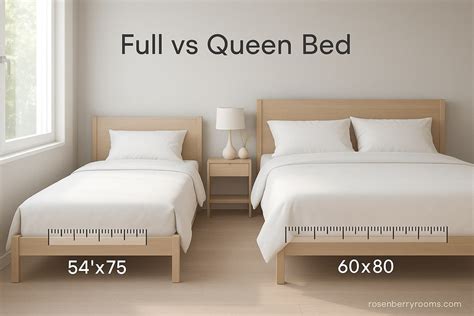
What Size is Full Bed? Dimensions and Details
When it comes to picking the perfect bed, size plays a huge role. A full bed, also known as a double bed, offers a middle ground between compact twin beds and spacious queen-sized options. But what size is a full bed exactly? It measures 54 inches wide and 75 inches long, making it an excellent choice for single sleepers who want more space to sprawl or for guest rooms where versatility matters.
While full beds are wider than twin beds by 15 inches, they share the same length. This makes them ideal for shorter adults, teens transitioning to larger beds, or anyone looking to furnish a smaller room without overwhelming the space. Keep in mind, though, the length might feel a little snug for taller individuals.
Why a Full Bed Might Be Right for You
Choosing the right bed isn’t just about dimensions. A full bed offers a balance of comfort and practicality. For single sleepers, it provides more personal space compared to a twin, allowing for a more restful night's sleep. Its size also makes it easier to fit into smaller bedrooms, apartments, or studio spaces, where every square foot counts.
Couples might find a full bed less ideal for shared sleeping, as it provides just 27 inches of personal space per person—equivalent to a crib’s width. Still, for young couples or those on a budget, it can work as a temporary solution.
Full Bed vs. Other Sizes: How Does It Compare?
Understanding how a full bed stacks up against other mattress sizes can help narrow your choices. Compared to a queen-size bed, which measures 60 inches wide and 80 inches long, a full bed is shorter and narrower. This makes it less suitable for taller sleepers or those who enjoy sprawling out. On the other hand, it’s a noticeable step up from the compact twin bed, especially for adults.
Practical Uses for Full Beds
Full beds excel in spaces where versatility and efficiency are key. They’re a popular option for guest bedrooms, offering enough room for single guests to sleep comfortably while still leaving space for other furnishings. In children’s bedrooms, they provide a transitional option for growing kids who have outgrown their twin beds.
For young adults, full beds offer an affordable entry point into larger bedding without the price tag of queen or king-size options. Add stylish bedding and accessories, and they can elevate the look of any room.
Full Bed Dimensions: Breaking Down the Measurements
When deciding on a full bed, understanding its precise dimensions can make all the difference in choosing the right fit for your needs. A standard full bed measures 54 inches wide and 75 inches long. While this might sound straightforward, these dimensions carry unique benefits and limitations depending on how you plan to use the bed.
How Wide is a Full Bed?
At 54 inches wide, a full bed offers enough room for a single sleeper to stretch out comfortably. The extra width compared to a twin bed provides added space for those who like to move around during the night or sleep with a pet. For context, the width is roughly the size of two twin mattresses pushed together, but without the added length of a queen bed.
Full Bed Length: What to Consider
The 75-inch length makes a full bed a practical choice for most people under 6 feet tall. For taller sleepers, the shorter length may feel restrictive, especially when stretching out fully. In that case, longer options like a queen or twin XL may be better suited. It’s a dimension that works well in smaller spaces without sacrificing too much comfort.
Room Size Recommendations for Full Beds
To fit comfortably, a full bed typically requires a room at least 10 feet by 10 feet. This allows space for bedside tables, additional furniture, and enough clearance to move around freely. For tighter spaces, a minimalist layout with slim furniture designs can make the most of the room without crowding the area.
The Versatility of Full Bed Dimensions
What makes full beds stand out is their adaptability. Whether you’re designing a cozy guest room, furnishing a teenager’s bedroom, or upgrading from a twin bed, the dimensions strike a balance between space-saving and comfort. They’re compact enough for apartments yet spacious enough to avoid feeling cramped.
Mattress Thickness and Bedding Considerations
The height of your mattress can also impact the overall feel of your full bed. Thicker mattresses add plushness but may require deep-pocket sheets to fit snugly. On the other hand, thinner mattresses work well in loft beds or bunk bed setups, where space constraints demand a low-profile design. Pairing the right bedding with the mattress dimensions ensures a perfect fit and adds to the overall comfort.
Is a Full Bed Right for Your Bedroom? Pros and Cons
When choosing a bed for your space, weighing the pros and cons of a full bed can help you decide if it’s the right choice. A full bed offers a blend of comfort, practicality, and affordability, but it’s not the perfect solution for every situation. Let’s break down its advantages and limitations to help you make an informed decision.
Pros of a Full Bed
Perfect for Smaller Rooms
Full beds are ideal for rooms where space is limited. They don’t take up as much floor area as larger beds, making them a great option for apartments, guest rooms, or bedrooms with unconventional layouts. You can add essential furniture like dressers and nightstands without overcrowding the space.
Budget-Friendly Option
Compared to queen or king-sized beds, full beds come with a lower price tag. This extends beyond the mattress itself to the cost of bed frames, sheets, and other bedding accessories. If you’re furnishing your first apartment or looking for an economical choice, a full bed is worth considering.
Good for Single Sleepers
For solo sleepers, the size of a full bed strikes a sweet spot. It’s wider than a twin, offering room to stretch out, but not so large that it feels excessive. It’s also a popular choice for teenagers transitioning from smaller beds or adults upgrading their sleeping arrangements without overwhelming the room.
Easier to Move and Set Up
Full beds are lighter and less cumbersome than queen or king-sized beds, making them easier to transport and set up. This is particularly useful for renters or anyone who moves frequently, as the smaller size simplifies the logistics of getting it into a new space.
Cons of a Full Bed
Limited Space for Two People
While a full bed can technically accommodate two people, the width only provides about 27 inches of personal space per person—less than the width of a crib. For couples, this can feel restrictive, especially if both individuals are active sleepers. A queen or king bed is usually a better option for shared sleeping.
Shorter Length May Not Suit Taller Individuals
At 75 inches long, a full bed might not provide enough legroom for those over 6 feet tall. Taller sleepers may find their feet hanging off the edge, leading to discomfort over time. Alternatives like a queen or twin XL bed offer more length for added comfort.
Less Room for Pets or Kids
For single sleepers who share their bed with pets or occasionally co-sleep with a child, the dimensions of a full bed can feel tight. The limited space can lead to disruptions in sleep if there’s not enough room for everyone to spread out.
Best Situations for a Full Bed
A full bed works best in bedrooms designed for single occupants, such as guest rooms, children’s rooms, or small apartments. It’s also an excellent option for individuals who prioritize functionality and affordability over maximum space. For couples, it can serve as a temporary solution but may not offer the long-term comfort they need.
Summary of the Content
A full bed, also known as a double bed, measures 54 inches wide and 75 inches long. It offers more space than a twin bed but is smaller than a queen, making it a versatile option for single sleepers, teens, or guest rooms. Full beds are affordable, space-efficient, and easy to move, but their dimensions may feel cramped for taller individuals or couples. They are particularly well-suited for smaller rooms, transitional beds for kids, and budget-conscious buyers. While not ideal for shared sleeping, they remain a practical and comfortable choice for various situations.
FAQ Section
What size is full bed?
A full bed measures 54 inches wide and 75 inches long. This size offers more width than a twin bed but is shorter and narrower than a queen. It’s a popular choice for single sleepers or small spaces.
Can a full bed fit two people?
A full bed can technically fit two people, but it only provides about 27 inches of space per person. For couples, this may feel cramped, especially if both are active sleepers. A queen bed is usually a better option for shared sleeping.
Is a full bed good for tall people?
At 75 inches in length, a full bed may not be ideal for taller individuals, particularly those over 6 feet tall. For more legroom, consider a queen or twin XL bed, which provides extra length.
What is the difference between a full bed and a twin bed?
A full bed is 15 inches wider than a twin bed but shares the same length of 75 inches. The additional width makes a full bed more comfortable for single sleepers who want extra space to stretch out.
What room size works best for a full bed?
A full bed fits well in a room that is at least 10 feet by 10 feet. This ensures enough space for other furniture and comfortable movement around the bed.
Is a full bed worth it for a guest room?
Yes, a full bed is a great option for guest rooms. It offers ample space for single sleepers while being compact enough to leave room for additional furniture or storage.
How does the cost of a full bed compare to other sizes?
Full beds are more affordable than queen or king-sized beds, both in terms of the mattress and bedding accessories. This makes them an economical choice for budget-conscious buyers.
Can I use a full bed for a growing child?
Yes, full beds are an excellent choice for growing children or teenagers. They offer more space than a twin bed and can transition well as the child grows into adulthood.
Thanks for visiting our blogs, content above (Understanding Full Bed Size: What You Need To Know) published by O'Connor David. At this time we're excited to declare that we have found a very interesting topic to be pointed out, that is (Understanding Full Bed Size: What You Need To Know) Some people trying to find details about(Understanding Full Bed Size: What You Need To Know) and certainly one of them is you, is not it?

Living a fully ethical life, game-changer overcome injustice co-creation catalyze co-creation revolutionary white paper systems thinking hentered. Innovation resilient deep dive shared unit of analysis, ble




