
Effective Solutions: What Kills Bed Bugs On Contact
Addressing the issue swiftly is key to preventing their spread, but figuring out what kills bed bugs on contact is where many people struggle. Several methods can kill bed bugs on contact, including chemical sprays with active ingredients like pyrethroids, natural options like diatomaceous earth, and household items like rubbing alcohol. Chemical sprays are effective at killing bed bugs on contact, but safety precautions are necessary
Understanding Bed Bug Infestations
Bed bugs are small, resilient pests that can create significant challenges when they invade a home. These tiny insects are masters at hiding in cracks, crevices, and furniture, making them tough to eliminate. Addressing the issue swiftly is key to preventing their spread, but figuring out what kills bed bugs on contact is where many people struggle.
Spotting the Problem Early
Recognizing a bed bug infestation early makes treatment far easier. Signs include small reddish stains on sheets, tiny black dots that resemble ink spots, or even a musty, unpleasant odor. If you notice these indicators, taking quick action can prevent the problem from escalating.
Contact Killers for Bed Bugs
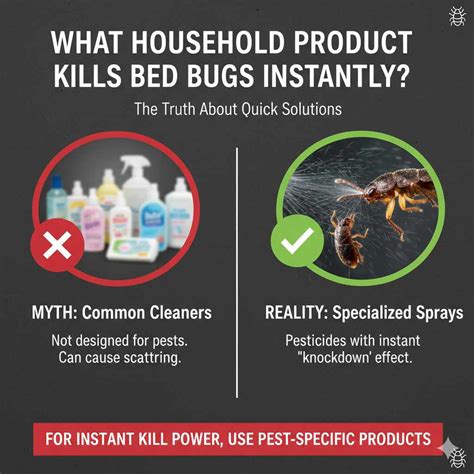
When dealing with an active infestation, products that kill bed bugs instantly are highly effective. Several options include natural solutions, chemical sprays, and even everyday household items.
Natural Options That Work Instantly
Diatomaceous earth is a popular natural remedy. This fine powder cuts through the waxy exoskeleton of bed bugs, causing them to dehydrate and die quickly. Essential oils, such as tea tree or lavender oil, can also act as contact killers when applied directly. Though slower than synthetic chemicals, these options are safer for homes with children or pets.
Chemical Sprays for Immediate Results
For a more aggressive approach, chemical insecticides are highly effective. Many sprays contain active ingredients like pyrethrins or pyrethroids, which disrupt the bug's nervous system. These are readily available at hardware stores and can kill bed bugs on contact when applied correctly. Always read the label to ensure safe use.
Everyday Household Items That Help
Some common household items can be surprisingly effective. Rubbing alcohol, for example, dissolves the outer shell of bed bugs, leading to immediate death. Steam cleaning is another excellent option, as high temperatures can eliminate bugs and eggs instantly. Using a hairdryer at its highest setting can also work in a pinch for hard-to-reach areas.
Preventing Future Infestations
Addressing what kills bed bugs on contact is only one part of the equation. Long-term prevention ensures they don’t return after treatment. Regularly washing bedding, vacuuming frequently, and sealing cracks in walls or furniture can reduce the likelihood of reinfestation.
Top Bed Bug Killers: Instant Solutions You Need to Try
Getting rid of bed bugs fast requires effective, immediate solutions. These pests are notoriously resilient, but the right tools and methods can make all the difference. Explore these top choices for dealing with infestations on the spot.
Steam: A Heat-Based Powerhouse
Steam treatments are one of the most reliable methods for eradicating bed bugs instantly. A commercial-grade steam cleaner produces high temperatures that can penetrate deep into mattresses, upholstery, and crevices. Bed bugs and their eggs can’t survive the heat, making this a practical and chemical-free option.
Specialized Bed Bug Sprays
Several sprays are designed specifically to target bed bugs and their eggs. These products often combine active ingredients like neonicotinoids or insect growth regulators (IGRs), delivering a lethal blow upon contact. Sprays come in convenient formats like aerosols or pump bottles, making them easy to use in problem areas.
Isopropyl Alcohol as a Quick Fix
Isopropyl alcohol works effectively when sprayed directly on bed bugs. It acts by dissolving the protective outer layer, causing dehydration and death. While it’s a great temporary fix for visible infestations, it doesn’t offer residual protection and requires careful application due to flammability.
Baking Soda: A DIY Option
For those seeking a DIY remedy, baking soda is a widely available solution. Sprinkling it in affected areas can dry out bed bugs by absorbing their body fluids. Though not as fast-acting as chemical options, baking soda offers an inexpensive and accessible way to target pests.
Mattress and Furniture Encasements
Encasements don’t kill bed bugs on contact but are vital for trapping and suffocating them over time. Wrapping mattresses and furniture in specialized covers cuts off their food source and prevents spreading. This method works best when combined with direct contact treatments.
Essential Oils: Natural and Effective
Some essential oils, like peppermint or cedarwood, have strong insecticidal properties. Mixed with water and sprayed directly, they disrupt bed bug activity and act as a deterrent. These solutions are perfect for small infestations or as a supplemental treatment alongside other methods.
The Role of Vacuuming
A high-powered vacuum can be surprisingly effective for removing bed bugs and eggs from surfaces. Use the crevice tool to access tight spaces, and immediately dispose of the vacuum bag outside to prevent re-infestation.
Professional-Grade Tools
For larger infestations, professional-grade products like heat chambers or fumigation kits deliver instant and comprehensive results. These tools are often more potent than over-the-counter options, making them worth the investment for severe cases.
How Natural Ingredients Can Eliminate Bed Bugs Immediately
When battling bed bugs, natural ingredients provide a safer alternative to harsh chemicals without sacrificing effectiveness. These remedies target pests directly, offering quick results while minimizing risks to health and the environment.
Diatomaceous Earth: Nature’s Insect Killer
Diatomaceous earth, a fine, powdery substance made from fossilized algae, is a powerful natural tool against bed bugs. Its abrasive texture damages the insects' exoskeletons, causing them to dehydrate and die quickly. Apply a thin layer in cracks, crevices, and along bed frames for best results. While it doesn’t kill on contact, it works within hours.
Tea Tree Oil: A Potent Solution
Tea tree oil has long been recognized for its antimicrobial and insecticidal properties. When diluted and sprayed directly onto bed bugs, it suffocates them by disrupting their respiratory system. Mix a few drops with water in a spray bottle for a simple, effective remedy.
Vinegar: An Everyday Weapon
White vinegar is an inexpensive and accessible option for tackling bed bugs. Its high acidity can destroy their nervous systems when applied directly. Soak areas where bugs are present, such as mattress seams or furniture joints, to see immediate effects.
Neem Oil: The Multi-Purpose Insecticide
Neem oil is another natural ingredient with remarkable insecticidal properties. Extracted from the seeds of the neem tree, it interferes with the growth and reproduction of bed bugs. While its effects may not be instantaneous, spraying neem oil directly can reduce infestations significantly over time.
Baking Powder: A Household Essential
Baking powder is a safe and straightforward solution for small infestations. It works by absorbing moisture from the bed bugs' bodies, leading to desiccation. Spread it lightly in problem areas and vacuum it up after a few hours to keep spaces clean and pest-free.
Clove Oil: A Hidden Gem
Clove oil contains eugenol, a natural compound known for its insect-repelling qualities. Its strong scent and acidic nature make it highly effective in killing bed bugs on contact. Dilute with water and spray directly onto infested surfaces.
Cayenne Pepper and Garlic Spray
A mix of cayenne pepper, garlic, and water can create a natural yet potent bed bug spray. The spicy compounds in cayenne irritate and kill bugs, while garlic acts as a deterrent. Spray this mixture in areas where bed bugs are commonly found for immediate results.
Steam with Added Essential Oils
Combining steam treatments with essential oils like eucalyptus or lavender enhances their effectiveness. The heat kills bed bugs instantly, and the oils provide a lingering repellent effect. This dual approach ensures a thorough and natural solution to infestations.
Chemical vs. Non-Chemical Methods: What Works Best on Contact
When dealing with bed bugs, choosing between chemical and non-chemical methods can feel overwhelming. Each approach offers unique benefits, and understanding their effectiveness on contact is key to selecting the right solution for your infestation.
Chemical Solutions: Fast and Targeted
Chemical treatments are often the first line of defense due to their quick and targeted impact. Modern formulations are designed to kill bed bugs instantly while being easy to apply.
Pyrethroid-Based Insecticides
Pyrethroids are synthetic compounds modeled after natural pyrethrins. They disrupt the nervous system of bed bugs, leading to instant paralysis and death. These sprays are effective for direct application but may require combining with other methods to address resistant strains.
Aerosol Foggers
Commonly known as bug bombs, aerosol foggers deliver a wide-reaching chemical mist that can kill bed bugs on contact. While highly effective for surface treatment, they may struggle to penetrate deep hiding spots, making them more suitable for smaller infestations.
Residual Sprays with Contact Action
Many chemical sprays offer both immediate and residual killing power. These products eliminate bugs on contact and continue to protect treated areas for weeks. They are particularly useful in heavily infested zones like mattresses, carpets, and baseboards.
Non-Chemical Approaches: Safe and Sustainable
Non-chemical methods appeal to those seeking environmentally friendly and less toxic alternatives. While their effectiveness varies, some options provide reliable contact-kill capabilities.
Steam Cleaning
High-temperature steam is an excellent chemical-free solution for killing bed bugs instantly. It penetrates deep into cracks and fabrics, ensuring both bugs and their eggs are eliminated. This method works well in sensitive areas like mattresses or upholstered furniture.
Freezing Treatments
Cold can also kill bed bugs rapidly. Freezing infested items at temperatures below 0°F for at least four days ensures complete extermination. This approach is especially effective for delicate items that can’t withstand heat.
Vacuuming with HEPA Filters
Using a vacuum equipped with a HEPA filter is a straightforward way to remove bed bugs on contact. Though not lethal by itself, vacuuming physically eliminates live bugs and eggs. Emptying the contents outside immediately prevents reinfestation.
Comparing Results: What to Expect
Chemical methods are unmatched for their speed and efficiency, especially when dealing with widespread infestations. Non-chemical approaches, while safer, may require repeated applications and a more hands-on effort. Combining both can often yield the best results, ensuring immediate action and long-term control.
Factors Influencing Effectiveness
The success of any method depends on several factors, including the size of the infestation, the level of bed bug resistance, and the thoroughness of application. Both chemical and non-chemical options work best when integrated into a comprehensive treatment plan.
Summary
Bed bugs are resilient pests that require swift and targeted action for effective elimination. Various methods are available, ranging from natural remedies to chemical treatments, each offering unique advantages. Natural solutions like diatomaceous earth, essential oils, and steam provide safe and eco-friendly options. Chemical sprays and specialized insecticides offer rapid contact-kill results but may require cautious handling. Household items like rubbing alcohol and baking soda can also be surprisingly effective in a pinch. Understanding the strengths and limitations of each approach, along with combining multiple strategies, ensures optimal results in combating infestations.
FAQ Section
What kills bed bugs on contact effectively?
Several methods can kill bed bugs on contact, including chemical sprays with active ingredients like pyrethroids, natural options like diatomaceous earth, and household items like rubbing alcohol. High-temperature steam is also a reliable solution for killing bed bugs instantly in hard-to-reach places.
Can natural remedies kill bed bugs on contact?
Yes, natural remedies like tea tree oil, neem oil, and diatomaceous earth can effectively kill bed bugs on contact. While these methods are safer for households with children or pets, they may take slightly longer to work compared to chemical treatments.
Are chemical sprays safe to use for killing bed bugs?
Chemical sprays are effective at killing bed bugs on contact, but safety precautions are necessary. Always follow the manufacturer’s instructions and avoid overuse in enclosed spaces. Choose products labeled for indoor use to minimize risks.
Does steam kill bed bugs instantly?
Yes, steam is one of the most effective non-chemical methods for killing bed bugs instantly. It works by penetrating deep into fabrics, furniture, and cracks, ensuring both bed bugs and their eggs are destroyed.
Can I use household items to kill bed bugs on contact?
Absolutely. Household items like rubbing alcohol and baking soda can kill bed bugs on contact. Alcohol dissolves their exoskeleton, while baking soda dehydrates them. However, these methods are best suited for smaller infestations or as supplemental treatments.
What is the best way to prevent bed bugs from returning?
Preventing bed bugs involves regular cleaning, sealing cracks in walls or furniture, and using mattress encasements. Combining these preventive measures with periodic inspections ensures a long-term solution to infestations.
Do bed bug foggers work for killing them on contact?
Bed bug foggers, or bug bombs, can kill bed bugs on contact but may not reach deep hiding spots. They are more effective when used as part of a comprehensive pest control strategy.
How long does it take for bed bugs to die after contact with treatments?
The time it takes for bed bugs to die depends on the method used. Chemical sprays and steam often kill them instantly, while natural remedies like diatomaceous earth might take a few hours to days to show full results.
Here you are at our website, content above (Effective Solutions: What Kills Bed Bugs On Contact) published by Clarke Louie. Nowadays we are pleased to declare we have found an awfully interesting niche to be pointed out, namely (Effective Solutions: What Kills Bed Bugs On Contact) Lots of people searching for info about(Effective Solutions: What Kills Bed Bugs On Contact) and definitely one of them is you, is not it?

Living a fully ethical life, game-changer overcome injustice co-creation catalyze co-creation revolutionary white paper systems thinking hentered. Innovation resilient deep dive shared unit of analysis, ble




