
Understanding The Measurement Of A Full Size Bed
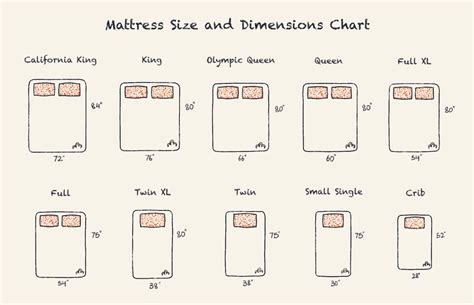
Full-size beds are often chosen for guest rooms, as they provide sufficient comfort without requiring much space. While twin beds are ideal for kids or single sleepers with limited space, a full-size bed offers an extra 16 inches of width, providing more room to stretch out. Full-size beds, measuring 54 inches wide by 75 inches long, fit comfortably in rooms with limited square footage
Exploring Full-Size Bed Dimensions
When selecting a bed, understanding its dimensions is a critical step to ensure it fits your room and meets your comfort needs. Full-size beds, also referred to as double beds, are a popular choice for individuals and couples who want a balance between space efficiency and sleeping area. These beds provide a generous sleeping surface without taking up as much room as a queen or king-size bed.
What to Know About Full-Size Bed Measurements
A standard full-size bed measures 54 inches wide and 75 inches long. This size works well in smaller bedrooms, such as guest rooms or dormitories, where space is at a premium. Compared to a twin bed, a full-size bed offers an extra 15 inches of width, giving solo sleepers more freedom to stretch out. For couples, it can feel a bit snug, with each person having about 27 inches of personal space.
Room Considerations and Layout Tips
Before deciding on a full-size bed, it's essential to measure your room. A room size of at least 9 feet by 10 feet is recommended to ensure you have enough space for the bed and other furniture like dressers or nightstands. For narrow rooms, consider placing the bed along a wall to maximize walking areas.
Differences Between Full and Other Bed Sizes
When comparing a full-size bed to a queen, the latter adds six inches in width and five inches in length. This extra space can make a noticeable difference for taller individuals or those sharing the bed. On the other hand, a twin bed is much narrower, making it more suitable for single sleepers or children.
Accessories and Bedding for Full-Size Beds
Finding the right bedding is easier for full-size beds since the dimensions are a standard size in most stores. Sheets, blankets, and comforters designed for full beds fit snugly, eliminating the guesswork that sometimes comes with custom or less common bed sizes.
Practical Uses of Full-Size Beds
These beds are versatile and adapt well to various settings. In studio apartments, they can serve as a cozy spot for sleeping and lounging. In family homes, they are often used for teenagers or as an upgrade from twin beds. For couples who don’t mind a closer sleeping arrangement, a full-size bed can work as a budget-friendly option.
What Defines a Full Size Bed: Key Dimensions Explained
Choosing the right bed size means understanding its exact specifications and how they fit your needs. A full-size bed strikes a balance between space-saving practicality and sleeping comfort, making it a go-to option for many households.
Full-Size Bed Dimensions in Detail
The full-size bed is typically 54 inches wide by 75 inches long, a size that provides ample space for a single sleeper while being compact enough for smaller bedrooms. Its dimensions are especially appealing for people who want more room than a twin bed offers but don’t need the extra width or length of larger bed sizes. The bed's width and length are standardized, so it’s easy to find compatible mattresses and frames.
Understanding Its Space Requirements
A full-size bed fits comfortably in rooms as small as 10 feet by 12 feet, leaving enough space for additional furniture like a wardrobe or desk. For rooms where square footage is limited, such as urban apartments or guest rooms, this bed size is an ideal choice. It allows flexibility in room layout while still providing a functional sleeping area.
How Full-Size Beds Differ From Other Sizes
Compared to a queen-size bed, the full-size is narrower by six inches and shorter by five. While it may feel tight for two adults, it’s perfectly suited for single sleepers or children transitioning from a twin bed. For taller individuals, the shorter length can be a factor, making it less ideal unless paired with a specialty mattress.
Mattress Options for Full-Size Beds
When shopping for mattresses, the standard dimensions of a full-size bed simplify the process. From memory foam to innerspring, most mattress types are widely available in this size. Accessories like mattress toppers and protectors are also easy to find, ensuring you can customize your sleeping experience to your liking.
Styling a Full-Size Bed for Your Space
A full-size bed doesn’t just offer practical benefits; it can also be a stylish centerpiece. Choose a sleek platform frame for a modern look, or opt for a classic headboard to add character. Bedding options are diverse, with plenty of patterns and colors to suit any aesthetic.
Popular Uses for Full-Size Beds
Full-size beds are often chosen for guest rooms, as they provide sufficient comfort without requiring much space. They’re also a popular choice for teenagers or young adults setting up their first apartments. In multi-purpose rooms, they can double as a seating area during the day and a bed at night.
Comparing Full Size Beds to Other Popular Bed Sizes
When selecting a bed, understanding how a full-size bed stacks up against other options can help you make the best choice. Each bed size has its own purpose and benefits, catering to different needs and spaces.
Full Size vs. Twin Size: Which is Better for You?
A twin bed measures 38 inches wide by 75 inches long, making it much narrower than a full-size bed. While twin beds are ideal for kids or single sleepers with limited space, a full-size bed offers an extra 16 inches of width, providing more room to stretch out. For adults or taller teens, the added space can make all the difference in comfort.
Full Size vs. Queen Size: Space and Comfort Differences
The queen-size bed is 60 inches wide by 80 inches long, giving it a noticeable edge in both width and length compared to a full-size bed. This extra space makes a queen more suitable for couples or taller individuals. However, full-size beds are easier to fit into smaller rooms, making them a practical choice for tighter spaces or single sleepers who don’t need the additional room.
Full Size vs. King Size: Maximizing Room Layout
A king-size bed, measuring 76 inches wide by 80 inches long, dwarfs a full-size bed in both dimensions. While the king is ideal for master bedrooms and offers unparalleled space for couples, it requires a significantly larger room to avoid feeling cramped. In comparison, a full-size bed is far more versatile, fitting into medium-sized rooms while still offering sufficient sleeping space for one or two people.
Full Size vs. Twin XL: Small but Significant Differences
Twin XL beds are 38 inches wide by 80 inches long, offering the same width as a standard twin but with an additional five inches in length. While Twin XL beds are a popular choice for taller sleepers in dorm rooms or compact spaces, they lack the width of a full-size bed, which can be crucial for those who value extra shoulder or leg room.
Full Size Beds for Multi-Use Spaces
Full-size beds hit the sweet spot for versatility. Unlike larger sizes that dominate the room or smaller sizes that limit comfort, a full-size bed adapts well to multi-use spaces. They can serve as a comfortable sleeping area in a guest room or as a daybed in a home office.
Choosing the Right Fit for Your Lifestyle
When weighing your options, consider the dimensions of your room, how many people will be using the bed, and your comfort preferences. A full-size bed offers a balanced choice, bridging the gap between compact twin beds and more spacious queen or king sizes.
Is a Full Size Bed Ideal for Small Rooms or Guest Spaces?
Finding the right bed for compact rooms or guest accommodations can be a challenge. A full-size bed offers a unique balance of functionality, comfort, and space efficiency, making it a strong contender for these settings.
Space-Saving Benefits of Full-Size Beds
Full-size beds, measuring 54 inches wide by 75 inches long, fit comfortably in rooms with limited square footage. They allow for additional furniture and walking space, even in smaller layouts. This makes them an excellent choice for guest rooms, studio apartments, or bedrooms in older homes where rooms tend to be cozier.
Comfort Without Compromise
Despite their smaller footprint, full-size beds provide ample sleeping space for one person. They offer more width than a twin bed, ensuring a comfortable night’s sleep without feeling cramped. For guests, they strike a balance between offering hospitality and maintaining room flexibility for other uses.
Room Design Tips for Small Spaces
In a small room, efficient use of space is key. Positioning a full-size bed against a wall or in a corner can free up valuable floor area for other furniture like a desk, nightstand, or wardrobe. Opt for a bed frame with built-in storage or a platform design to maximize functionality without sacrificing style.
Why Full-Size Beds Work for Guest Rooms
Guest rooms often serve multiple purposes, from occasional sleeping quarters to home offices or hobby spaces. A full-size bed is large enough to comfortably accommodate overnight visitors yet small enough to leave room for other furnishings or activities. Folding or Murphy beds in full size can add even more flexibility.
Alternatives for Very Tight Spaces
In extremely small rooms where every inch counts, a twin bed or daybed might be a better fit. However, if the space allows, the added width of a full-size bed can elevate the room's comfort level, making it feel more welcoming for guests.
Budget-Friendly and Practical
Full-size beds are often more affordable than larger options, making them a practical choice for outfitting a guest room or small space without breaking the bank. Additionally, bedding and mattress options are widely available and typically cost less than those for queen or king beds.
Balancing Function and Style
A full-size bed offers versatility in design, allowing you to create a cozy yet stylish look in small rooms. Choose neutral bedding for a clean aesthetic or add vibrant accents to inject personality into the space. The compact size of the bed ensures it won’t overwhelm the room, regardless of your design choice.
Summary
Full-size beds, also known as double beds, are a versatile option for those seeking a balance between comfort and space efficiency. Measuring 54 inches wide by 75 inches long, they are ideal for single sleepers, teenagers, and guest rooms. They offer more sleeping space than a twin bed but are more compact than a queen, making them suitable for smaller rooms and multi-purpose spaces. Full-size beds are widely available in various styles, and their standard dimensions make finding compatible mattresses and bedding convenient.
FAQ Section
What is the measurement of a full size bed?
A full-size bed measures 54 inches wide by 75 inches long, offering a comfortable sleeping area for single sleepers or cozy space for couples.
Is a full size bed suitable for two people?
A full-size bed can accommodate two people, but it may feel tight as each person has about 27 inches of personal space. It’s better suited for single sleepers or as a guest bed for short-term use.
How much space does a room need for a full size bed?
For a full-size bed, a room should ideally be at least 10 feet by 12 feet. This allows space for the bed as well as additional furniture and movement around the room.
What is the difference between a full size bed and a queen bed?
A queen-size bed is 60 inches wide and 80 inches long, making it 6 inches wider and 5 inches longer than a full-size bed. This extra space is more comfortable for couples and taller individuals.
Can I use a full size bed in a small room?
Yes, a full-size bed is a great choice for smaller rooms. Its compact dimensions make it suitable for guest rooms, apartments, or bedrooms with limited space.
What types of mattresses are available for full size beds?
Full-size mattresses come in a variety of types, including memory foam, innerspring, hybrid, and latex. The standard dimensions make it easy to find a mattress that fits.
Are bedding and accessories for full size beds easy to find?
Yes, bedding for full-size beds is widely available in most stores. Sheets, blankets, and comforters designed for full-size beds are common and come in various colors and patterns.
What are the advantages of choosing a full size bed?
Full-size beds provide a balance of comfort and space efficiency. They’re more spacious than twin beds, easier to fit in smaller rooms than queen beds, and affordable with a wide range of accessories.
Here you are at our site, article above (Understanding The Measurement Of A Full Size Bed) published by Hayes Jay. At this time we're delighted to announce that we have discovered an awfully interesting niche to be discussed, that is (Understanding The Measurement Of A Full Size Bed) Most people trying to find info about(Understanding The Measurement Of A Full Size Bed) and of course one of these is you, is not it?

Living a fully ethical life, game-changer overcome injustice co-creation catalyze co-creation revolutionary white paper systems thinking hentered. Innovation resilient deep dive shared unit of analysis, ble




