
What Do Bed Bugs Look Like On Your Skin?
If you have dry skin, bed bug bites might appear more inflamed or irritated due to the lack of moisture in your skin. These bites are often a sign of a bed bug infestation and can appear in clusters or lines, particularly on exposed areas of the skin. These bites often show up in clusters or lines on areas of the skin that are exposed while sleeping
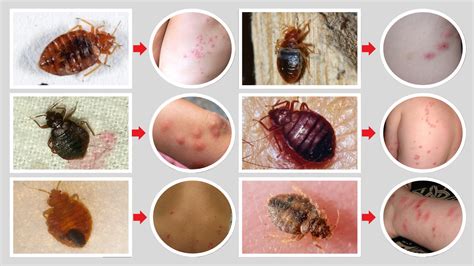
Identifying Bed Bugs on Your Skin
When you wake up with mysterious bites on your skin, it's easy to wonder if bed bugs are the cause. These tiny pests leave behind distinct marks that can be a clue to their presence in your home. Knowing how to spot the signs on your skin is crucial for identifying bed bugs and taking the right steps to handle an infestation.
What Do Bed Bugs Look Like on Your Skin After a Bite?
Bed bug bites typically appear as red, itchy welts or bumps. They're often clustered together in a line or a small group, which is one of the telltale signs of a bed bug infestation. You might also notice that the bites are more intense and prominent in areas that are exposed during sleep, such as the arms, legs, neck, or face. The bites themselves are usually painless at first, but over time, they can cause irritation and discomfort.
Why Bed Bug Bites Are Different from Other Insect Bites
Unlike mosquito bites, which tend to be isolated and occur in random places, bed bug bites follow a more predictable pattern. The bites are often found in groups or lines, usually along areas where skin is exposed while you sleep. They may not appear immediately, with some people developing reactions hours or even days after being bitten. Bed bug bites can also cause significant swelling or a rash, making them easier to spot compared to other insect bites.
Symptoms and Reactions to Bed Bug Bites
While not everyone reacts to bed bug bites the same way, many people experience itchy red spots, which can resemble a rash. The bites might cause irritation, but some people may not feel any discomfort at all. If you have a sensitivity to bites, you may notice your skin swelling or blistering. If you continue to get bitten, the reactions can worsen, leading to a more noticeable rash or scarring. It's essential to identify these signs quickly and take appropriate action to avoid further bites.
What Happens If You Get Bitten By Bed Bugs?
If you've been bitten by bed bugs, you'll likely notice the itching and swelling within a few hours. In some cases, the bites may turn into small, fluid-filled blisters that can be painful. These reactions can vary depending on your skin type and sensitivity. If the bites become infected due to scratching, you may develop additional complications, including more significant swelling, pain, or pus. Seeking medical attention might be necessary if an infection develops.
How to Identify Bed Bug Bites on Your Skin
When you look at your skin after a night of sleep, you may spot a series of small, red welts that could be an indicator of bed bug activity. The bites are often located on areas where the skin is exposed and are typically in clusters or a line. These bites can be mistaken for other insect bites, but bed bug marks are often more concentrated and have a particular arrangement.
Bed Bug Bite Healing Process
Bed bug bites can take anywhere from a few days to a couple of weeks to heal, depending on the severity of the bite and your skin's reaction. During the healing process, the bites may change color, transitioning from red to a darker shade as they scab over. The itchiness may also subside, but it’s important not to scratch the bites, as doing so can lead to infection or scarring.
How to Prevent Bed Bug Bites
If you're dealing with bed bugs, the key to avoiding bites is eliminating the pests from your home. Regularly inspecting your bed and furniture for signs of bed bugs, such as small reddish stains or shed skins, can help you catch an infestation early. Washing and drying your bedding on high heat can also help kill any bed bugs that might be hiding in your sheets or mattress.
Identifying Bed Bug Bites: A Close-Up Look
When it comes to spotting bed bug bites, a close inspection of your skin is key. The appearance of these bites can vary from person to person, making it essential to understand what to look for. Bed bugs are skilled at hiding, and their bites may be one of the first noticeable signs of an infestation. Here’s how to get a closer look at these marks and what they mean for your health.
How to Recognize Bed Bug Bites Up Close
At first glance, bed bug bites might appear similar to other insect bites. But on closer inspection, they have some unique characteristics. These bites often appear in a pattern, usually in a straight line or clustered together. The bite marks can be red and inflamed, with the center of the bite showing a darker color or swelling. Over time, the area may become itchy or even form a scab, depending on your skin's reaction to the bite.
The Clustering Effect: Why Bed Bug Bites Appear Together
One of the most telling signs that you’ve been bitten by a bed bug is the presence of bites that appear in clusters or rows. Unlike mosquito bites, which are scattered randomly across your skin, bed bug bites tend to appear near one another. This is because bed bugs feed in a specific area for a few minutes, often leaving several bites in the same spot. The clustered nature of the bites can help distinguish them from other insect bites and give you a clear indication of what’s happening.
Why Bed Bug Bites Itch: The Body’s Reaction
After being bitten, you might notice intense itching, which is caused by the body’s reaction to the bed bug's saliva. When a bed bug feeds, it injects saliva into your skin to prevent blood from clotting. Your immune system reacts to this saliva, triggering an itchy response as your body fights off the foreign substance. While the itching can be annoying, it’s important not to scratch the bites, as this can lead to further irritation or even infection.
The Timeline of Bed Bug Bite Appearance
Bed bug bites don’t appear immediately after being bitten, which can make them harder to spot. In some cases, it may take several hours or even a day for the bites to show up on your skin. Once they do appear, the bites can range in size from small red dots to larger, raised bumps. The bites can continue to worsen over the next couple of days, with swelling or blistering potentially occurring if you’re particularly sensitive to the bite.
Other Symptoms to Watch for After Bed Bug Bites
Aside from the obvious redness and swelling around the bite, there are other symptoms that can appear. Some people may experience more severe reactions, such as hives, blisters, or even an allergic reaction. If you notice signs of infection, like pus, excessive swelling, or pain that doesn’t subside, it’s best to seek medical attention. In rare cases, bed bug bites can cause more serious health concerns, such as anaphylaxis, although this is very uncommon.
When to See a Doctor About Bed Bug Bites
If you’ve been bitten by bed bugs and the itching or swelling becomes unbearable, or if the bites start to look infected, you may want to consult with a healthcare provider. A doctor can help you manage the symptoms and provide advice on preventing further bites. If the bites cause a significant allergic reaction or an infection, medical intervention may be necessary to avoid complications.
How to Treat Bed Bug Bites at Home
Most cases of bed bug bites can be treated at home with simple remedies. Over-the-counter anti-itch creams or antihistamines can help manage the itching and reduce inflammation. Applying ice to the affected area can also alleviate discomfort and decrease swelling. If the bites become irritated or infected, topical antibiotics may be used to prevent infection. Avoiding scratching is crucial to ensuring that the bites heal properly without complications.
The Common Appearance of Bed Bug Bites on Different Skin Types
Not all skin types react to bed bug bites in the same way. The appearance of these bites can vary depending on factors such as skin tone, sensitivity, and overall health. Understanding how bed bug bites might look on different skin types can help you identify them more accurately and take the necessary steps to address any potential infestation.
Bed Bug Bites on Lighter Skin
On lighter skin, bed bug bites are usually more noticeable because the redness and swelling contrast sharply with the skin's natural color. The bites often appear as small, raised welts or red dots that can become inflamed over time. In some cases, you might notice a dark red or purple center in the middle of the bite. These marks are typically surrounded by a lighter halo of irritation. The bites may be more pronounced and easier to identify on fair or light skin compared to darker skin tones.
Bed Bug Bites on Darker Skin
On darker skin, bed bug bites can sometimes be harder to identify immediately. The redness and swelling may be less visible, and instead, the bite might appear as a darker mark or even as a flat, discolored patch of skin. The bite may take longer to show up, and it can be harder to distinguish from other skin conditions, such as pimples or allergic reactions. However, when you closely examine the area, you might notice that the bites appear in clusters or lines, which is a telltale sign of a bed bug feeding pattern.
Bed Bug Bites on Sensitive Skin
People with sensitive skin may experience more pronounced reactions to bed bug bites. These individuals might notice severe redness, itching, and swelling immediately after being bitten. The bites could develop into larger welts, and the skin may feel more irritated than usual. Sensitive skin types can also be prone to developing more severe rashes or even small blisters around the bite sites. It’s important for those with sensitive skin to avoid scratching, as this can exacerbate the irritation and lead to secondary infections.
Bed Bug Bites on Dry Skin
If you have dry skin, bed bug bites might appear more inflamed or irritated due to the lack of moisture in your skin. The skin around the bite might crack, itch intensely, or even flake off, making the bite more uncomfortable. The overall healing process might also take longer, and the scabbing could be more noticeable. Keeping the skin hydrated with creams or lotions can help reduce the severity of the reaction and support healing.
Bed Bug Bites on Oily Skin
Oily skin tends to be less reactive to bed bug bites in terms of irritation, but the bites themselves may appear more noticeable. This is because the excess oil in the skin can create a shiny appearance that draws attention to the bite marks. Oily skin also tends to hold onto bacteria more easily, which can increase the risk of infection if the bite is scratched or irritated. It’s essential to clean the skin regularly to prevent further complications, especially if you have oily skin.
The Healing Process Across Skin Types
The way bed bug bites heal can also differ depending on skin type. On lighter skin, the bite marks may fade quickly, leaving behind only a faint mark or no trace at all. On darker skin, the bites may leave behind darker pigmentation or hyperpigmentation, which can persist longer even after the bite has healed. People with sensitive or dry skin might also experience a longer healing time due to the skin's tendency to become more irritated or inflamed.
How to Manage Bed Bug Bites on Different Skin Types
Regardless of your skin type, managing bed bug bites involves similar approaches. It’s important to avoid scratching the bites, as this can lead to infection and scarring. For those with sensitive or dry skin, using hydrating lotions or creams can help reduce irritation and promote healing. For darker skin tones, the use of gentle exfoliants may be useful once the bites have healed to help lighten any residual marks. Applying anti-itch creams or taking antihistamines can also help ease discomfort, regardless of your skin type.
Summary
Bed bug bites can be a cause of concern if you wake up with red, itchy marks on your skin. These bites are often a sign of a bed bug infestation and can appear in clusters or lines, particularly on exposed areas of the skin. The appearance of bed bug bites varies depending on skin type, with lighter skin showing more prominent redness, while darker skin may display discolored patches. Sensitivity to the bites can also influence their appearance, with some people experiencing severe itching, swelling, or blistering. Identifying these bites and understanding how they heal can help you manage the discomfort and take the necessary steps to eliminate the infestation.
FAQ
1. What do bed bugs look like on your skin?
Bed bugs leave behind bites that typically appear as red, itchy welts or bumps. These bites often show up in clusters or lines on areas of the skin that are exposed while sleeping. The bites can be small and red at first but may swell over time, causing discomfort and irritation. The marks may also vary in appearance depending on your skin type and sensitivity.
2. How can I tell if the marks on my skin are from bed bugs?
If you're wondering, "what do bed bugs look like on your skin?" the most telling signs are the appearance of bites in a group or a linear pattern. These bites are typically located on exposed skin areas such as the arms, neck, and legs. The bites are often red and raised, and may cause itching. If you notice multiple bites in a row or cluster, especially in the morning after sleeping, it’s likely they are from bed bugs.
3. Do bed bug bites look different on light skin versus dark skin?
Yes, bed bug bites can appear differently depending on your skin tone. On lighter skin, the bites are often red and more visible due to the contrast with your skin color. On darker skin, the bites might appear as darker marks or flat, discolored spots, making them harder to notice at first. While the bites themselves may look different, the overall pattern and swelling are similar across all skin types.
4. Why do bed bug bites itch so much?
The itching from bed bug bites is caused by your body's reaction to the saliva bed bugs inject when feeding. When they bite, they release a substance that prevents your blood from clotting, causing an allergic reaction that leads to itching, redness, and swelling. If you are wondering "what do bed bugs look like on your skin?" and notice that the bites are intensely itchy, it is because of your body's immune response.
5. How long does it take for bed bug bites to heal?
The healing time for bed bug bites can vary depending on your skin type and the severity of the bite. On lighter skin, the bites may heal quickly and leave minimal marks. On darker or sensitive skin, they may take longer to heal, potentially leaving darker pigmentation. Most bites will subside within a few days, though for some people, healing might take up to two weeks.
6. What should I do if I get bed bug bites on my skin?
If you’re wondering "what do bed bugs look like on your skin?" and you identify bites, it's important not to scratch them to prevent infection. You can treat the bites with anti-itch creams, hydrocortisone, or antihistamines. Applying ice to reduce swelling and keeping the affected area clean is also helpful. If the bites become infected or cause an allergic reaction, consider consulting a healthcare professional.
Thanks for visiting our website, content above (What Do Bed Bugs Look Like On Your Skin?) published by McDonald Charles. Nowadays we are excited to announce that we have discovered an extremely interesting content to be discussed, that is (What Do Bed Bugs Look Like On Your Skin?) Lots of people looking for details about(What Do Bed Bugs Look Like On Your Skin?) and of course one of these is you, is not it?

Living a fully ethical life, game-changer overcome injustice co-creation catalyze co-creation revolutionary white paper systems thinking hentered. Innovation resilient deep dive shared unit of analysis, ble




