
Identifying Bed Bugs On A Mattress
These marks often appear near mattress seams or along the edges where the bugs hide during the day. They often hide just beneath these layers, taking advantage of the warmth and proximity to their host. Bed bugs hide in several areas on a mattress, such as along seams, under tufts and folds, beneath labels or tags, and around zippers or fasteners
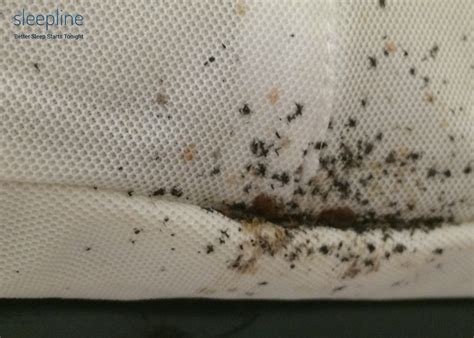
Recognizing Signs of Bed Bugs on Mattresses
Bed bugs can be elusive pests, but mattresses often hold telltale signs of their presence. These tiny insects, about the size of an apple seed, leave behind subtle but distinct traces. Knowing where and what to look for can make a big difference in spotting them early.
Spotting Bed Bug Droppings and Stains
Dark stains or spots are a common sign of bed bugs. These marks often appear near mattress seams or along the edges where the bugs hide during the day. The stains result from digested blood they excrete, which can smear if touched. Look closely at any dark flecks, as they might resemble tiny ink stains.
Inspecting Seams and Crevices
Mattress seams and stitching provide perfect hiding spots for bed bugs. Their flat bodies allow them to wedge into tight spaces, making these areas a prime target during an inspection. Use a flashlight to carefully examine folds and crevices, paying attention to any small, rust-colored specks or live insects.
Identifying Shed Skins and Eggs
Bed bugs shed their skins as they grow, leaving behind translucent, pale husks. These are often found near their hiding spots. Eggs, on the other hand, are small and white, resembling tiny grains of rice. Both are typically located in clusters, tucked away in hidden areas.
Examining Bed Frames and Headboards
Bed bugs don’t limit themselves to the mattress. They also inhabit bed frames, headboards, and nearby furniture. Small cracks and joints can harbor these pests, making it essential to expand your search. Check wooden slats, metal frames, and any connected hardware for similar signs.
Recognizing Live Bed Bugs
Spotting a live bed bug is definitive proof of an infestation. These insects have a flat, oval shape and a reddish-brown color. After feeding, their bodies swell and turn darker. They’re most active at night but can sometimes be seen during the day if the infestation is severe.
Checking for Musty Odors
In some cases, bed bugs emit a faint, musty odor. This smell, caused by their pheromones, is usually noticeable in larger infestations. If a mattress or bedroom has an unusual scent that wasn’t there before, it could be another clue worth investigating.
Physical Characteristics of Bed Bugs
Understanding the physical appearance of bed bugs is key to identifying them accurately. While these pests are small, their distinctive features make them recognizable when closely observed.
Size and Shape
Adult bed bugs are about the size of an apple seed, typically measuring 4 to 5 millimeters in length. Their bodies are oval and flat, which helps them hide in narrow spaces. After feeding, their shape becomes more elongated and bloated, making them slightly easier to spot.
Color Variations
Their color ranges from a light brown to a deeper reddish-brown. Newly hatched nymphs are nearly transparent but gain a yellowish tint as they develop. After feeding on blood, their color shifts to a darker, more vivid red. These changes in appearance can help determine if a bed bug has recently fed.
Legs and Antennae
Bed bugs have six legs that allow them to move quickly over surfaces, though they don’t jump or fly. Their two segmented antennae are quite noticeable under magnification, and they use these to sense their surroundings and locate hosts.
Unique Body Features
The wings of bed bugs are vestigial, meaning they don’t allow flight but are still visible as small, pad-like structures. Their flat, segmented abdomens are another distinctive characteristic. These segments expand as the bug feeds, creating visible ridges when viewed closely.
Identifying Nymphs and Eggs
Nymphs, or immature bed bugs, are smaller than adults and nearly colorless unless they have fed. Their translucent appearance can make them harder to detect, especially against light-colored surfaces. Eggs are even smaller, around 1 millimeter in size, and have a pearly white hue. They’re often laid in hidden clusters and are sticky to ensure they stay in place.
Movement Patterns
Bed bugs crawl rather than jump or fly. Their movement is deliberate, and they are usually most active at night when they seek out a host for feeding. Observing their slow, crawling motion can help differentiate them from other pests like fleas or mites.
Recognizing Physical Damage
Dead or crushed bed bugs leave behind red or rusty stains due to their blood-filled bodies. This is often noticed on mattresses or sheets after an infestation. Examining these traces can provide additional clues when searching for these pests.
Signs of Bed Bug Infestation on a Mattress
Detecting a bed bug infestation early can save you from severe discomfort and extensive extermination efforts. Mattresses are one of the most common places where these pests thrive, and knowing the signs is essential for prompt action.
Unexplained Red or Rusty Stains
One of the clearest indicators is the presence of reddish or rusty stains on sheets and mattresses. These marks occur when bed bugs are accidentally crushed, often during sleep. The bloodstains are usually small but can vary in size depending on the level of infestation.
Tiny Black or Brown Spots
Fecal droppings from bed bugs appear as tiny black or dark brown spots. These can be found along mattress seams, corners, or even on the bedding itself. Unlike regular dirt, these spots smear when wiped with a damp cloth, which can help confirm their origin.
Bites and Skin Irritation
Although not always reliable as a sole indicator, itchy red bites in a linear or clustered pattern might suggest bed bug activity. Bites typically appear on exposed skin such as arms, neck, or legs and are often accompanied by inflammation. Keep in mind that not everyone reacts to bed bug bites, so other signs should also be considered.
Molted Skins and Exoskeletons
As bed bugs grow, they shed their outer skin. These pale, translucent husks are left behind and can be found near mattress edges or hidden crevices. The presence of multiple molted skins often indicates an established infestation.
Eggs and Nymphs in Hidden Areas
Eggs and nymphs are usually harder to spot than adult bed bugs. Eggs are tiny, white, and sticky, often laid in clusters in protected areas like mattress seams or under labels. Nymphs are small and lighter in color, making them blend into lighter fabrics or surfaces.
Musty or Sweet Odor
A noticeable musty or sweet smell in the bedroom, especially near the bed, may point to bed bug activity. This scent comes from the pheromones they release, particularly when infestations are larger.
Activity at Night
While bed bugs are nocturnal, signs of their activity can occasionally be spotted during the day in severe cases. Live bugs crawling along the mattress or bed frame, even in daylight, strongly suggest an infestation that needs immediate attention.
Clusters in Hidden Spots
Bed bugs tend to congregate in dark, concealed spaces. Mattress tufts, under fitted sheets, or behind fabric buttons on upholstered beds are common hiding spots. Lifting the mattress or inspecting folds often reveals these clusters in more severe infestations.
Where Bed Bugs Hide on a Mattress
Bed bugs are experts at staying out of sight, making their hiding places on a mattress deceptively tricky to detect. Their flat bodies and instinct for concealment allow them to thrive undisturbed, often going unnoticed until an infestation worsens.
Along the Edges and Seams
Mattress seams are prime hiding spots. These tiny crevices provide a perfect shelter for bed bugs to squeeze into, protecting them from exposure. Running your fingers or a tool along the seams can sometimes reveal live bugs, eggs, or fecal droppings.
Beneath Mattress Tufts and Folds
The tufts and folds of a mattress, often used for design or support, are another favored hiding spot. These folds create small pockets where bed bugs can cluster undisturbed. Carefully lift and inspect these areas for clusters of insects or their telltale signs.
Under Mattress Labels and Tags
Labels and tags attached to mattresses often go overlooked during inspections. Bed bugs use these as cover, hiding behind or underneath them. Peeling back or gently lifting these tags can sometimes uncover bugs or egg clusters.
Inside Box Springs
Box springs offer an ideal environment for bed bugs. The wooden slats, fabric covering, and hollow spaces provide plenty of hidden nooks for them to inhabit. If you suspect an infestation, remove the mattress and inspect the box spring closely, especially along the seams and within the structure.
In the Corners of the Mattress
Corners, particularly where fabric is tightly stitched or bunched, are another common area for bed bugs to gather. These spaces often trap dirt and debris, which can make spotting the bugs more challenging. A flashlight can help illuminate these tight areas for a more thorough check.
Beneath Fitted Sheets and Mattress Protectors
Even when covered, bed bugs can crawl beneath fitted sheets, mattress covers, or protectors. They often hide just beneath these layers, taking advantage of the warmth and proximity to their host. Remove and inspect all coverings to ensure no signs are overlooked.
Around Zippers and Fasteners
Mattresses with zippers or fasteners provide another potential hiding spot. Bed bugs can nest within the grooves of zippers or under the fabric surrounding these fasteners. A detailed inspection of these areas can help confirm their presence.
Between the Mattress and Bed Frame
The gap between a mattress and its supporting bed frame is a common pathway and hiding area for bed bugs. This space, often dark and undisturbed, allows them to travel back and forth with ease. Checking this area can help identify early infestations before they spread further.
Summary of Content
Bed bugs are small, reddish-brown insects that are often found hiding in mattresses, bed frames, and surrounding areas. They leave behind recognizable signs such as rust-colored stains, tiny black droppings, shed skins, and clusters of eggs. Bed bugs can hide along seams, in mattress folds, under tags, or even inside box springs, making thorough inspections crucial. Recognizing their physical characteristics, such as their oval bodies, flat shape, and ability to expand after feeding, is vital for identification. Common signs of an infestation include unexplained stains, itchy bite marks, and a musty odor. Early detection and a detailed understanding of where they hide can help prevent further spread.
FAQ Section
What do bed bugs look like on a mattress?
Bed bugs on a mattress typically appear as small, oval-shaped insects, about the size of an apple seed. They are reddish-brown in color and may look darker or more swollen if they have recently fed. You might also see tiny white eggs, translucent nymphs, or shed skins near mattress seams or folds.
How can I tell if my mattress has bed bugs?
Signs of bed bugs on a mattress include small rust-colored stains, black fecal spots, and clusters of eggs. You might also find shed skins or spot live bugs crawling along seams or in crevices. Checking these areas with a flashlight can help confirm their presence.
Where do bed bugs hide on a mattress?
Bed bugs hide in several areas on a mattress, such as along seams, under tufts and folds, beneath labels or tags, and around zippers or fasteners. They also often take refuge between the mattress and the bed frame or inside the box spring.
What should I do if I see bed bugs on my mattress?
If you find bed bugs on your mattress, immediately remove all bedding and wash it in hot water. Vacuum the mattress thoroughly, focusing on seams and folds, and consider using a mattress encasement to trap any remaining bugs. It’s also essential to consult a pest control professional for effective treatment.
Can bed bugs only be found on mattresses?
No, bed bugs are not limited to mattresses. They can also infest bed frames, headboards, carpets, and nearby furniture. They tend to hide in dark, undisturbed places close to where people sleep, making mattresses a common but not the sole hiding spot.
Are bed bug bites a reliable way to confirm an infestation?
Bed bug bites can indicate a possible infestation, but they’re not always reliable because reactions to bites vary from person to person. Other signs, such as stains, droppings, and visible bugs on the mattress, provide more concrete evidence.
How often should I inspect my mattress for bed bugs?
It’s a good idea to inspect your mattress regularly, especially if you’ve traveled recently or suspect an infestation. A monthly check can help catch signs of bed bugs early before they become a bigger problem.
Thanks for visiting our blogs, content above (Identifying Bed Bugs On A Mattress) published by Berry Toby. Hodiernal we're pleased to declare that we have discovered a very interesting niche to be reviewed, namely (Identifying Bed Bugs On A Mattress) Lots of people trying to find info about(Identifying Bed Bugs On A Mattress) and definitely one of these is you, is not it?

Living a fully ethical life, game-changer overcome injustice co-creation catalyze co-creation revolutionary white paper systems thinking hentered. Innovation resilient deep dive shared unit of analysis, ble




