
What Do Bed Bug Bites Look Like? Understanding The Signs And Symptoms
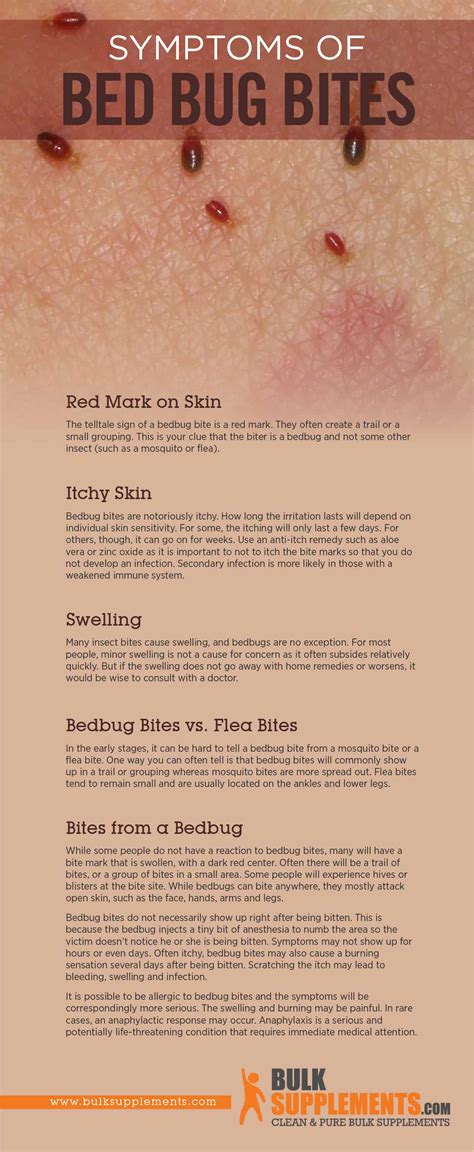
Look at the pattern â bed bug bites often appear in a line, whereas mosquito bites are typically isolated. While sometimes mistaken for other insect bites, bed bug bites often appear in clusters or linear patterns, particularly on exposed skin like the arms, legs, and neck. These bites are often grouped closely together, highlighting the feeding habits of the insect
What Do Bed Bug Bites Look Like? Understanding the Signs and Symptoms
Bed bugs are tiny pests that can leave itchy, annoying bites. Figuring out if you've got them can be tricky, so understanding the tell-tale signs is crucial. Knowing what to look for can save you time and stress. Getting rid of them is a whole other story, and sometimes involves professionals, but identifying the bites is the first step.
Identifying the Bites: Key Characteristics
Bed bug bites often appear in clusters or lines, usually on exposed skin like arms, legs, and neck. Think about the areas you typically sleep in, and where you might commonly have exposed skin. These clusters aren't always uniform though – often, there's variation in the patterns. The bites themselves are often small, flat, red bumps. Not always – some people have no reaction, others may have hives or larger welts. You might not see any bites at all.
Early Stages: A Closer Look
At first, the bites might be hard to spot. Initial bites may just be flat or barely noticeable. This makes identification more challenging. It takes time for the bites to develop fully. Often, you might only notice itching, even before the redness appears. This itching could be the first warning sign. The itching often occurs hours or even days after the initial bite.
Different Reactions: Understanding the Variations
The way bed bug bites appear can vary from person to person. Some people barely react at all. Some will develop an itchy reaction shortly after the bug has bitten them. Still others might not notice the bite until the next morning. This difference is due to individual reactions and sensitivities.
Itching and Skin Irritation: A Common Thread
The bites are typically intensely itchy. This itching is a hallmark of bed bug bites. Scratching can cause skin irritation and even secondary infections. Sometimes, the itchiness comes in waves. So, what should you do if you notice these bites? Taking measures to identify the source is crucial.
Distinguishing Bed Bug Bites from Other Bites
Sometimes, the bites resemble bites from other insects, like mosquitoes or fleas. So, what can you look for to differentiate? Look at the pattern – bed bug bites often appear in a line, whereas mosquito bites are typically isolated. An important factor is the time of year. Are you seeing these bites in the summer when mosquitoes are prevalent? This can be a clue to what you are dealing with. If you're unsure, it's best to consult a doctor or pest control professional.
Identifying the Characteristics of Bed Bug Bites
Understanding what bed bug bites look like is the first step in effective pest control. These tiny insects can cause significant discomfort and require prompt action. Learning to recognize their bites is key to preventing further infestations and addressing the problem quickly.
What Do Bed Bug Bites Look Like?
Bed bug bites typically manifest as small, flat, reddish-brown bumps. While sometimes mistaken for other insect bites, bed bug bites often appear in clusters or linear patterns, particularly on exposed skin like the arms, legs, and neck. This clustering is a key characteristic that sets them apart from other bites.
Initial Stages: Subtle Signs
Initially, bed bug bites might be barely noticeable. The marks may appear as subtle, flat welts or tiny red spots. The telltale itching often arrives hours, or even days, after the bite occurs. This delayed reaction is a characteristic feature of these unwelcome guests.
Identifying the Patterns: Clusters and Lines
The distinct clustering and linear patterns of bed bug bites are crucial in distinguishing them from other insects. The bites are often grouped together in straight lines or close-packed clusters. Pay attention to the location – they're typically found on areas of the body that are most exposed during sleep. This can be a valuable clue.
Different Reactions: Understanding the Variations
Reactions to bed bug bites can vary greatly among individuals. Some people may not experience any visible marks at all, while others develop noticeable welts or large, itchy bumps. The intensity of the reaction depends on an individual's sensitivity and immune response to insect bites.
The Role of Itching: A Distinctive Feature
The intense itching associated with bed bug bites is a critical component in recognizing these bites. The itching can be persistent and worsen when scratched. This constant itching can cause further skin irritation and potential secondary infections if not properly managed. Scratching should be minimized to prevent these secondary issues.
Distinguishing Bed Bug Bites from Other Bites
While bed bug bites share some similarities with other insect bites, key differences exist. Mosquito bites, for example, frequently appear as isolated red welts. Fleas, another potential concern, are known to cluster in various areas, but not in the specific linear patterns or grouped clusters that characterize bed bug bites. Seeking professional advice is essential if the bites' origins remain unclear.
Common Reactions: What to Expect After a Bite
Understanding the common reactions to bed bug bites is crucial for proper identification and management. Identifying these reactions can help you pinpoint the cause and take appropriate action.
Initial Reactions: Early Signs of a Bite
Bed bug bites often manifest with subtle early signs. These initial reactions might go unnoticed, making early detection challenging.
Early Indicators: What to Look For
In the initial stages, the bite might appear as a tiny, flat red mark or a very subtle swelling. You may also notice a tingling or itching sensation, even before any visible marks appear. These initial indications, if noticed, can be valuable clues in confirming the presence of bed bugs.
Individual Variation: Different Responses
It's important to acknowledge that reactions vary significantly from person to person. Some individuals may experience no visible marks at all, while others might develop noticeable welts or hives. This individual variability makes a standardized response challenging to define.
Progression of Reactions: Developing Symptoms
As time passes, the reactions to bed bug bites can evolve. This understanding is key to diagnosing the source.
Itching and Swelling: Common Features
A key symptom is intense itching, often becoming more pronounced over time. This itching can lead to skin swelling and irritation. The swelling can range from slight to significant, depending on the individual's reaction and the number of bites received.
Secondary Infections: A Potential Risk
Persistent scratching can lead to skin damage and potentially, secondary infections. Open sores or wounds can serve as entry points for bacteria and other harmful pathogens, which is why minimizing scratching is so important.
Identifying Patterns: Clues to the Source
Recognizing patterns of bites can help narrow down the source. Pay attention to where and how the bites appear, along with accompanying symptoms.
Clustered Bites: A Common Pattern
Bed bug bites often appear in clusters or lines, usually on exposed skin like the arms, legs, and neck. These bites are often grouped closely together, highlighting the feeding habits of the insect.
Location Matters: Understanding the Pattern
The location of the bites can also offer clues to the cause. Exposed skin areas are common targets, especially those areas frequently exposed during sleep, like arms and legs. Taking note of these patterns can help distinguish bed bug bites from other types of insect bites.
Summary
This article explores the characteristics of bed bug bites, focusing on what they look like and the common reactions they cause. It highlights the importance of recognizing the subtle and often delayed initial signs, such as tiny flat red marks or a tingling sensation. The article emphasizes that reactions vary significantly between individuals, with some people experiencing no visible marks, while others develop noticeable welts or hives. A crucial aspect is the clustering or linear pattern of bites often found on exposed skin like arms and legs, particularly in areas exposed during sleep. Understanding these patterns, combined with the persistent itching and potential for secondary infections, aids in distinguishing bed bug bites from other insect bites. The overall goal is to empower readers to identify bed bug bites accurately, enabling prompt action and effective management of infestations.
Frequently Asked Questions (FAQ)
Q1: What do bed bug bites look like?
A1: Bed bug bites typically appear as small, flat, reddish-brown bumps, often clustered together in lines or groups on exposed skin. They're frequently found on arms, legs, and neck. Initial bites might be barely noticeable, with subtle swelling or a tingling sensation.
Q2: How long does it take for bed bug bites to show up?
A2: Bed bug bites can take several hours or even days to appear. Sometimes, the first indication is the intense itching that develops after the bite. The bites themselves may take time to develop fully into the recognizable red marks.
Q3: How do bed bug bites differ from other insect bites?
A3: While some bites might look similar, bed bug bites often appear in a specific pattern, such as clusters or lines. Mosquito bites, for instance, usually show up as isolated red bumps. Also, the location of bed bug bites often targets areas exposed during sleep. If you are unsure, it is always best to seek a professional opinion.
Q4: Why do some people not have any visible marks after being bitten?
A4: Individual reactions to bed bug bites vary greatly. Some people might not develop any visible marks or symptoms at all. Others may show significant welts or hives. This difference in reaction is linked to individual sensitivities.
Q5: What should I do if I suspect I have bed bug bites?
A5: If you suspect bed bug bites, take photos of the bites (showing the patterns), and consider consulting a doctor, dermatologist or a pest control professional for proper diagnosis and treatment options. Attempting to identify the bites without professional assistance might not yield conclusive results, especially when trying to differentiate from other bites.
Q6: What are some common symptoms besides the bites themselves?
A6: Besides the bites themselves, you might experience intense itching, often worsened by scratching, which can lead to skin irritation or secondary infections. Other reactions like hives or swelling also might be present. Itching is often a prominent feature, and can be localized or diffuse across the affected areas.
Here you are at our site, article above (What Do Bed Bug Bites Look Like? Understanding The Signs And Symptoms) published by Barlow Charles. At this time we are pleased to announce we have found a very interesting topic to be reviewed, that is (What Do Bed Bug Bites Look Like? Understanding The Signs And Symptoms) Many people attempting to find specifics of(What Do Bed Bug Bites Look Like? Understanding The Signs And Symptoms) and of course one of them is you, is not it?

Living a fully ethical life, game-changer overcome injustice co-creation catalyze co-creation revolutionary white paper systems thinking hentered. Innovation resilient deep dive shared unit of analysis, ble




