
The Chemical Arsenal Against Bed Bugs: A Comprehensive Guide
Understanding the arsenal of chemicals used by exterminators is key to effective pest control. While these chemicals can be effective in bed bug control, proper safety precautions are essential. Professional exterminators possess specialized training in the safe and effective application of pest control chemicals

The Chemical Arsenal Against Bed Bugs: A Comprehensive Guide
Bed bugs are a persistent pest problem, and effective elimination often requires a chemical approach. Understanding the arsenal of chemicals used by exterminators is key to effective pest control. This guide explores the chemicals used to combat these tenacious insects, highlighting their effectiveness, potential risks, and crucial safety precautions.
Identifying the Enemy: Bed Bugs
Bed bugs are tiny, flat insects that feed on human blood. Their bites often cause itchy welts, and infestations can quickly spread to surrounding areas. Understanding their life cycle and habits is crucial to effective treatment.
What Chemicals Do Exterminators Use For Bed Bugs?
A range of insecticides targets bed bugs, each with different mechanisms of action. These chemicals can be categorized as either contact or residual.
Contact Insecticides
These insecticides kill bed bugs upon direct contact. Common ingredients include pyrethroids, neonicotinoids, and organophosphates. Their rapid action makes them useful in localized infestations and for spot treatments.
Residual Insecticides
These insecticides linger on surfaces, killing bed bugs that come into contact with them later. Fipronil, imidacloprid, and bifenthrin are often components of residual sprays, offering long-lasting protection.
The Role of Synergists
Sometimes, insecticides are mixed with synergists to enhance their effectiveness. These agents increase the insecticide's toxicity to the target organism, potentially improving results.
Safety Precautions and Considerations
Proper safety measures are vital when dealing with pesticides. Always follow the manufacturer's instructions carefully, and if possible, avoid exposing children, pets, and pregnant individuals to the application process.
Understanding Potential Risks
Certain chemicals can cause allergic reactions, respiratory issues, or even long-term health problems. If you have concerns about chemical exposure, it's wise to discuss treatment options with a pest control professional.
Environmental Impact
Pesticides can impact the environment. Use environmentally friendly methods whenever possible and follow all label guidelines to minimize potential harm.
Eco-friendly Alternatives
Consider integrating eco-friendly strategies, like maintaining a clean environment, using traps, or introducing natural predators to manage your pest issue. These approaches can reduce the reliance on chemicals.
Choosing the Right Exterminator
Seek out a reputable and licensed pest control professional. Experienced exterminators can assess your situation, recommend appropriate treatments, and implement them safely and effectively.
Professional Consultation
A thorough consultation with a licensed pest control professional can greatly enhance your chances of success in eliminating bed bugs. Their expertise in identifying the best course of action can save time, money, and potentially health problems.
Understanding the Chemicals Used in Bed Bug Treatment
Bed bugs are a persistent nuisance, demanding a comprehensive approach to eradication. A crucial aspect of this approach involves understanding the chemicals exterminators employ. This article delves into the various compounds used in bed bug treatments, exploring their mechanisms of action and associated considerations.
The Chemical Arsenal Against Bed Bugs
Exterminators utilize a variety of chemicals, each with its unique properties and application methods. The choice of chemical often depends on the severity of the infestation, the specific location, and the environment.
Understanding Different Chemical Categories
Insecticides used against bed bugs are broadly classified as contact and residual. Contact insecticides work by killing the bugs upon direct contact, whereas residual insecticides leave a lingering effect on treated surfaces.
Contact Insecticides
These insecticides directly eliminate bed bugs. Common active ingredients include pyrethroids, often the most readily used due to their quick knockdown effects. Other choices include neonicotinoids, organophosphates, and carbamates, each with varying strengths and limitations.
Residual Insecticides
These insecticides create a lingering barrier that kills or repels bugs that subsequently come into contact with treated surfaces. Fipronil and imidacloprid are frequently used for this purpose, delivering sustained protection. Bifenthrin is another choice, offering excellent residual activity and rapid knockdown.
Synergists: Enhancing Effectiveness
Some insecticides are enhanced by incorporating synergists. These agents magnify the insecticide's impact on bed bugs, sometimes improving efficacy and potentially reducing the required dosage.
The Importance of Proper Application
The effectiveness of any chemical treatment hinges on proper application. This includes thorough coverage of infested areas, precise timing, and adherence to the manufacturer's instructions. Improper application can lead to ineffective treatment.
Safety Considerations
While effective, these chemicals must be handled responsibly. Thorough understanding of safety guidelines and precautions is paramount to minimize risks for both the applicator and those in the treated environment.
Environmental Considerations
Environmental impact should be factored into the chosen treatment strategy. Some chemicals might pose greater environmental concerns than others, impacting local ecosystems. Careful assessment by a professional is crucial.

Health Considerations
Exposure to these chemicals can pose potential health risks. Always prioritize personal protective equipment (PPE) and follow safety recommendations from both manufacturers and professionals. Consult with healthcare professionals about any specific health concerns.
Professional Expertise
Seeking the assistance of a qualified and licensed pest control professional is vital for effective bed bug treatment. Their knowledge and experience ensure a targeted approach and the safest execution of the selected chemical strategy.
What Chemicals Do Exterminators Use for Bed Bugs?
Bed bug infestations can be a significant problem, requiring a targeted approach for effective elimination. Understanding the chemicals used by exterminators is key to understanding the treatment process.
Common Chemicals Used by Exterminators for Bed Bugs
Exterminators utilize a variety of insecticides to combat bed bugs, each with its own method of action. These chemicals are typically categorized by their mode of action – how they affect the bed bugs.
Pyrethroids: A Popular Choice
Pyrethroids are a common class of insecticides frequently employed against bed bugs. Their rapid knockdown effect makes them effective in eliminating visible bugs quickly. However, resistance can develop over time.
How Pyrethroids Work
Pyrethroids disrupt the nerve function of bed bugs, leading to paralysis and ultimately death. This fast-acting nature is a significant advantage, but ongoing use can lead to resistance.
Organophosphates: A Historically Important Class
Organophosphates are another class of insecticides that have been traditionally used to control various insects, including bed bugs. They work by inhibiting the activity of an enzyme in the nervous system, causing paralysis.
Considerations about Organophosphates
While effective, organophosphates often come with greater safety concerns compared to newer options. Proper application and safety precautions are critical.
Neonicotinoids: A Modern Approach
Neonicotinoids are newer insecticides that target the nervous systems of insects. These are frequently used for their efficacy and relative low toxicity to mammals.
Potential Concerns and Usage Patterns
Although generally considered safe for humans, environmental concerns associated with neonicotinoids exist, warranting careful consideration in use.
Other Chemicals Used in Bed Bug Treatments
Beyond these primary categories, other chemicals are sometimes used in combination or as part of a broader treatment strategy. Imidacloprid and fipronil are examples of chemicals often used in residual treatments to create a barrier and help eliminate future bed bug infestations.
Safety Considerations and Professional Guidance
While these chemicals can be effective in bed bug control, proper safety precautions are essential. Always follow the instructions provided by the exterminator and any manufacturer guidelines.
Importance of Professional Consultation
Consulting with a qualified and licensed pest control professional is crucial to ensure the safe and effective use of chemicals in your specific situation. They can assess your unique needs and recommend the most appropriate treatment plan.
The Safety and Efficacy of Chemicals in Bed Bug Control
Effective bed bug control often necessitates the use of chemicals, but careful consideration of both efficacy and safety is paramount. This article explores the range of chemicals employed by exterminators, their mechanisms of action, and the importance of responsible application.
Understanding the Chemicals Used
Exterminators employ various chemicals, categorized by their mode of action, to target bed bugs effectively. These chemicals can be broadly classified into several groups, each with distinct characteristics.
Pyrethroids: A Common Choice
Pyrethroids are a widely used class of insecticides in bed bug control. Their rapid knockdown effect is a key advantage, quickly eliminating visible bugs. However, resistance to pyrethroids is increasingly observed, necessitating careful consideration of alternative strategies.
Mechanisms of Action and Potential Limitations
Pyrethroids disrupt the nerve function of bed bugs, leading to paralysis and ultimately, death. Their rapid action contributes to their popularity, but the emergence of resistant strains requires a nuanced approach to treatment.
Neonicotinoids: A Modern Alternative
Neonicotinoids represent a newer class of insecticides that target the central nervous system of insects. These chemicals offer a potentially effective alternative to pyrethroids in some cases.
Considerations on Environmental Impact
While often considered less harmful to mammals compared to older insecticide classes, neonicotinoids raise environmental concerns due to their potential impact on non-target organisms.
Organophosphates: Historically Significant
Organophosphates have been historically used in pest control, including bed bug elimination. Their mechanism of action involves inhibiting crucial enzymes in the nervous system of insects.
Safety and Application Considerations
Organophosphates often carry significant health risks for applicators and those exposed to the treated environment. Strict adherence to safety protocols and professional application are critical.
Synergists: Enhancing Efficacy
Synergists are chemicals that enhance the effectiveness of insecticides, reducing the required dose of the primary active ingredient. These agents amplify the insecticidal action, potentially reducing the overall environmental impact.
Safety Protocols and Best Practices
Responsible application of any chemical treatment is critical for both the environment and human health. Careful adherence to safety guidelines is crucial.
Professional Application: Why it Matters
Professional exterminators possess specialized training in the safe and effective application of pest control chemicals. Their expertise ensures proper dosage, targeted application, and minimal environmental impact.
Protective Measures for Users
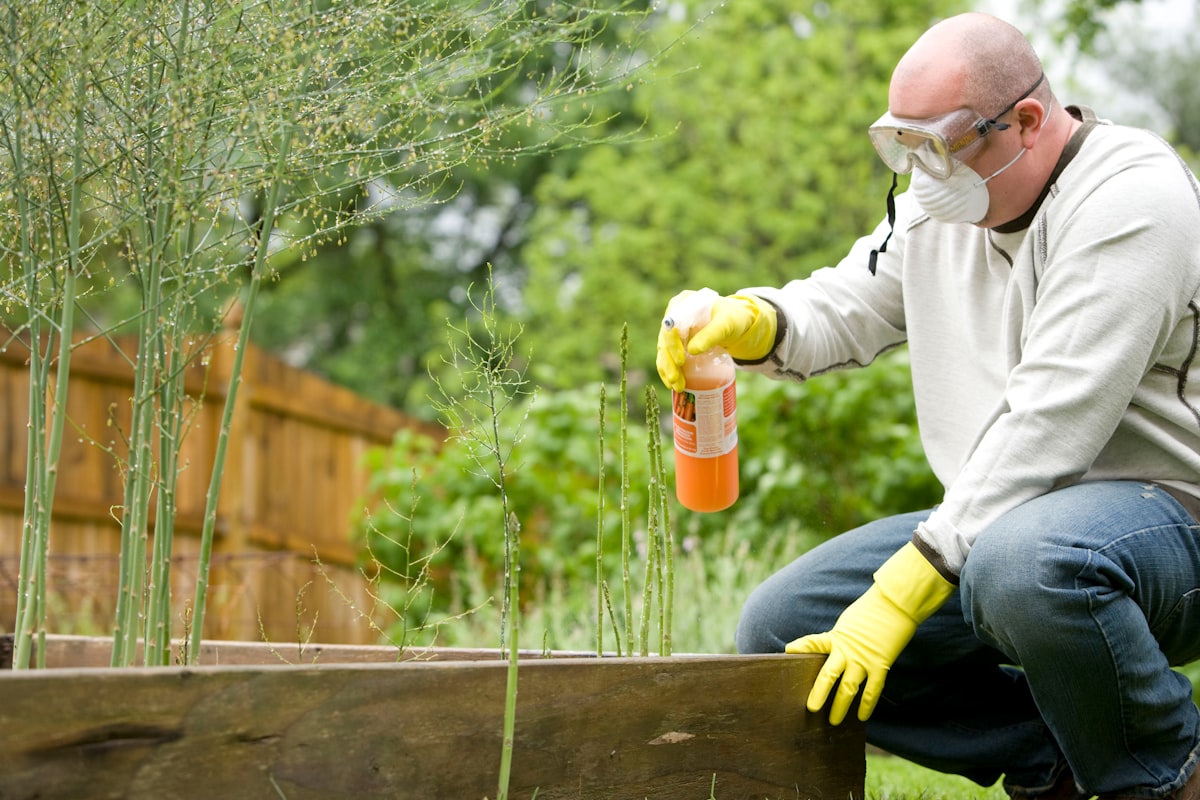
Protective equipment, such as respirators, gloves, and eyewear, is crucial for individuals involved in the application process. Proper protective measures mitigate the potential health risks associated with handling these chemicals.
Post-Treatment Precautions: Minimizing Risk
Post-treatment precautions like thorough ventilation and careful handling of potentially contaminated surfaces ensure that residual chemicals do not pose risks to residents or the surrounding environment. Clear instructions and recommendations from the exterminator are key.
Summary of "The Chemical Arsenal Against Bed Bugs: A Comprehensive Guide"
This guide explores the various chemical compounds used in bed bug treatments, categorizing them by their mode of action (contact or residual). Common chemicals include pyrethroids (rapid knockdown), neonicotinoids (targeting the nervous system), and organophosphates (historically used but with more safety concerns). The guide emphasizes the importance of professional application, safety precautions (PPE, ventilation), and environmental considerations. Ultimately, the article highlights that while chemical treatments are often necessary, a responsible and informed approach, including professional consultation, is crucial for effective and safe bed bug control.
Frequently Asked Questions (FAQ)
Q1: What chemicals do exterminators use for bed bugs?
A1: Exterminators employ various insecticides to target bed bugs. Common chemicals include pyrethroids (like permethrin and bifenthrin), neonicotinoids (like imidacloprid), organophosphates (though their use is less common now), and other compounds like fipronil. The specific chemical chosen depends on various factors, including the severity of the infestation, the environment, and the professional's expertise.
Q2: Are all chemicals used in bed bug treatments equally safe?
A2: No. Different chemicals have varying levels of toxicity to humans and the environment. While some are considered relatively safer, others, like certain organophosphates, can pose greater health risks. Always prioritize professional advice and follow safety precautions meticulously.
Q3: How do these chemicals work to kill bed bugs?
A3: The mechanisms of action vary by chemical class. Pyrethroids disrupt nerve function, leading to rapid paralysis and death. Neonicotinoids target the nervous system in a similar fashion. Organophosphates inhibit key enzymes vital for nerve function in insects. Synergists, sometimes added, amplify the effects of insecticides.
Q4: What are the potential risks associated with these chemicals?
A4: Exposure to pest control chemicals can cause various health concerns, from allergic reactions and respiratory issues to more serious long-term health effects. Improper application or inadequate ventilation can lead to exposure risks. It's critical to follow safety guidelines and seek professional advice to minimize these risks.
Q5: Is it always necessary to use chemicals for bed bug control?
A5: Not necessarily. Non-chemical methods, such as sanitation and the use of physical barriers, can be effective in certain circumstances. However, chemical treatments are often necessary for severe infestations, and a combination of strategies may prove most effective.
Q6: How can I ensure safe application of these chemicals?
A6: Always work with a licensed and experienced pest control professional. They have the training and equipment to apply chemicals safely and effectively. Follow their instructions carefully for proper application, ventilation, and post-treatment precautions. Ensure you are properly protected from exposure, and always consider the environment's vulnerability to the treatment.
Q7: What should I do if I have concerns about chemical exposure after a treatment?
A7: Contact your healthcare provider immediately. They can assess your situation and provide the appropriate medical advice and guidance.
Here you are at our website, article above (The Chemical Arsenal Against Bed Bugs: A Comprehensive Guide) published by Jennings Alex. At this time we are pleased to announce we have found an incredibly interesting content to be discussed, namely (The Chemical Arsenal Against Bed Bugs: A Comprehensive Guide) Most people attempting to find info about(The Chemical Arsenal Against Bed Bugs: A Comprehensive Guide) and of course one of these is you, is not it?
Gallery for The Chemical Arsenal Against Bed Bugs: A Comprehensive Guide


Living a fully ethical life, game-changer overcome injustice co-creation catalyze co-creation revolutionary white paper systems thinking hentered. Innovation resilient deep dive shared unit of analysis, ble




