
The Mystifying World Of Bed Bugs: What Causes Them
Cracks in walls, gaps in flooring, and inadequate pest control measures can create havens for bed bugs, enabling them to establish and expand colonies. Professional pest control services possess the expertise and tools to effectively eliminate bed bugs from furniture and surrounding areas. Professional pest control technicians use various methods, including heat treatments, insecticides, and specialized vacuuming, to eliminate bed bugs effectively
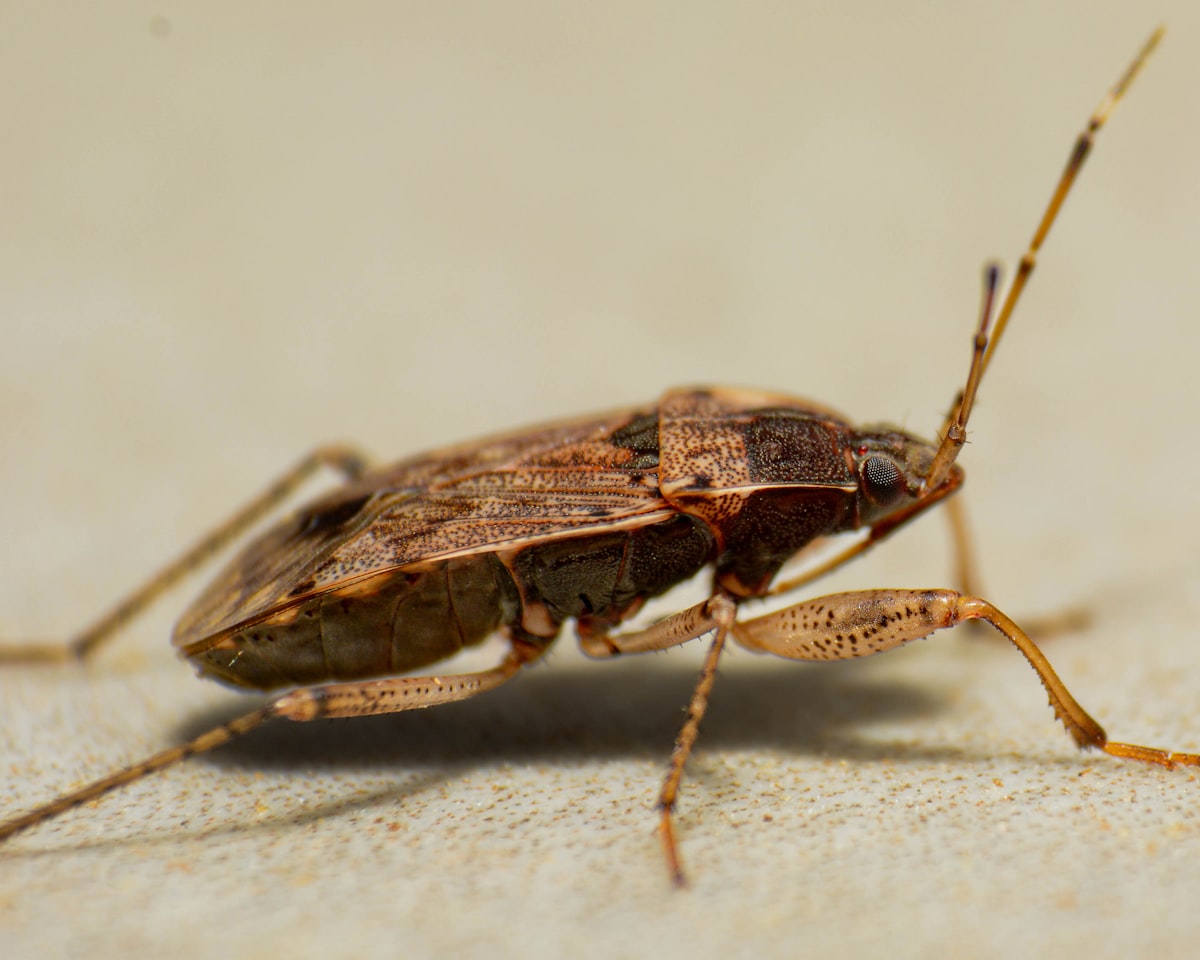
The Mystifying World of Bed Bugs: What Causes Them
Understanding the Bed Bug's Life Cycle
Bed bugs, those tiny nocturnal vampires, aren't spontaneously generated. Their life cycle, surprisingly complex, dictates their spread. Females lay eggs, often in cracks and crevices, hundreds over their lifetime. These eggs hatch into nymphs, smaller versions of the adults, going through several molts as they grow, feeding on blood at each stage. This growth process is crucial to understanding infestations.
Nymph Development and Feeding Habits
Each nymph needs a blood meal to progress to the next stage. This explains why infestations grow so quickly; a single female can lead to a massive problem. The feeding process itself isn't instantaneous. They inject an anesthetic, making the bite painless initially, then a substance that prevents blood clotting. It's this clever biological trickery that makes them such successful parasites.
Factors Influencing Nymph Development
Temperature and humidity significantly impact nymph development. Warmer temperatures accelerate the process, leading to quicker infestations. This means that climate plays a significant role in how quickly a bed bug problem can escalate.
Human Activity and Bed Bug Spread
Travel is a major factor. These tiny hitchhikers easily stow away in luggage, clothing, and even furniture. Secondhand items pose a considerable risk, as they can harbor eggs or adult bed bugs. Think carefully before bringing used furniture into your home.
Infestations in Public Spaces
Hotels, hospitals, and other public spaces are notorious for bed bug problems. The high turnover of people and the frequent movement of belongings provide ideal conditions for their spread. Maintenance and cleanliness are key in preventing such infestations.
Prevention Strategies
Regular inspection, especially of mattresses and bedding, helps detect infestations early. A thorough cleaning, paying close attention to cracks and crevices, is crucial. Vacuuming thoroughly and using mattress encasements can help control existing populations or prevent future problems. Professional pest control services are often necessary for larger infestations. Their expertise in treatment and prevention is invaluable.
Embark on a Journey to Uncover the Hidden Epidemic
The Silent Spread: Understanding Bed Bug Infestations
Bed bugs, tiny nocturnal insects, are a growing concern worldwide. Their ability to thrive in diverse environments makes them a persistent pest. But what exactly causes these infestations to take hold? It's a complex interplay of factors, extending beyond mere poor hygiene.
The Role of Human Movement
Travel, both personal and commercial, plays a significant role in the spread of bed bugs. These insects are expert hitchhikers, easily concealed within luggage, clothing, or furniture. Hotels, unfortunately, are frequent breeding grounds due to the constant influx of travelers. Secondhand furniture purchases also carry a significant risk.
The Unseen Pathways of Infestation
Think about the places you've been recently. A hotel stay, a visit to a friend’s house, or even a trip to a library could introduce bed bugs into your home. Their small size and ability to hide in crevices make detection difficult, further facilitating their spread.
Environmental Factors and Bed Bug Proliferation
Beyond human activity, environmental conditions play a crucial part in bed bug survival and reproduction. Temperature and humidity significantly influence their life cycle.
The Perfect Climate for Bed Bugs
Warm, humid environments are ideal for bed bug breeding. This is why infestations often flourish in warmer climates and during certain seasons. This connection to climate can influence the severity and frequency of infestations in different regions.
The Impact of Building Structure
Building construction and maintenance practices also matter. Cracks in walls, gaps in flooring, and inadequate pest control measures can create havens for bed bugs, enabling them to establish and expand colonies.
Combating the Hidden Enemy: Prevention and Control
Preventing bed bug infestations requires a multi-pronged approach. Careful inspection of belongings after travel, regular cleaning and vacuuming, and the use of mattress encasements are crucial preventative measures.
Professional Intervention
In cases of established infestations, professional pest control services are often necessary. Their expertise in identifying the extent of the problem and implementing effective treatment strategies is invaluable.
A Continuing Battle
The fight against bed bugs is ongoing. Understanding the causes behind infestations is the first step towards effective prevention and control. It’s a constant vigilance against these persistent pests.
The Role of Hotels and Travel in Bed Bug Infestations
Understanding the Global Spread of Bed Bugs
The question "what causes bed bugs?" isn't easily answered with a single factor. It's a complex issue involving human behavior, environmental conditions, and the insects' remarkable adaptability. However, the role of travel and hospitality, specifically hotels, is undeniably significant in facilitating the global spread of these pests.
The Hospitality Industry's Challenge
Hotels, motels, and other accommodations present a unique challenge. The constant influx of guests from various locations creates a high-risk environment for bed bug infestations. Infestations in a single room can rapidly spread to other rooms, potentially impacting the entire establishment if left unchecked. The close proximity of beds and the frequent movement of luggage provide ideal conditions for bed bugs to quickly establish themselves and multiply.
The Silent Spread Through Luggage
Luggage is a primary vector for bed bug transportation. Tiny bed bugs, or even their eggs, can easily hide within suitcases, backpacks, and other travel items. A single infested bag entering a hotel room can quickly lead to an infestation, especially if the room isn't regularly and thoroughly inspected. This underscores the need for proactive measures from both hotels and travelers.
The Impact of International Travel
International travel exponentially increases the risk of bed bug infestations. Different regions have varying levels of bed bug prevalence, and the movement of people across borders facilitates the spread of these insects to new areas. This global interconnectedness makes it challenging to contain infestations, highlighting the need for collaborative efforts to address the issue.
The Challenges of Prevention and Control
Preventing and controlling bed bug infestations in hotels requires a comprehensive strategy involving rigorous cleaning protocols, regular inspections, and effective pest control measures. This includes not only treatment for existing infestations but also preventative steps to mitigate the risk of future outbreaks.
Investment in Prevention
Hotels and other lodging establishments must invest in robust preventative measures. This includes training staff to recognize bed bug signs, using specialized bed bug detection dogs, implementing proactive pest control programs, and regularly inspecting rooms and furniture. Investing in prevention is ultimately far more cost-effective than dealing with a full-blown infestation.
Beyond Hotels: Other Travel-Related Factors
The spread isn't limited to hotels. Public transportation, such as trains, buses, and airplanes, also plays a role, as do shared accommodations like hostels and dormitories. These environments, characterized by high occupancy and frequent turnover, present increased opportunities for bed bug infestations to occur and spread.
The Role of Secondhand Goods
The purchase and use of secondhand furniture and mattresses also contribute to bed bug infestations. Used items may harbor hidden infestations, introducing bed bugs into homes and other locations. Careful inspection and professional treatment of secondhand goods are crucial to minimizing this risk.
The Importance of Vigilance
Ultimately, preventing bed bug infestations requires a combination of industry standards, traveler awareness, and effective pest control practices. Vigilance and proactive measures are essential in mitigating the risk of these persistent pests.
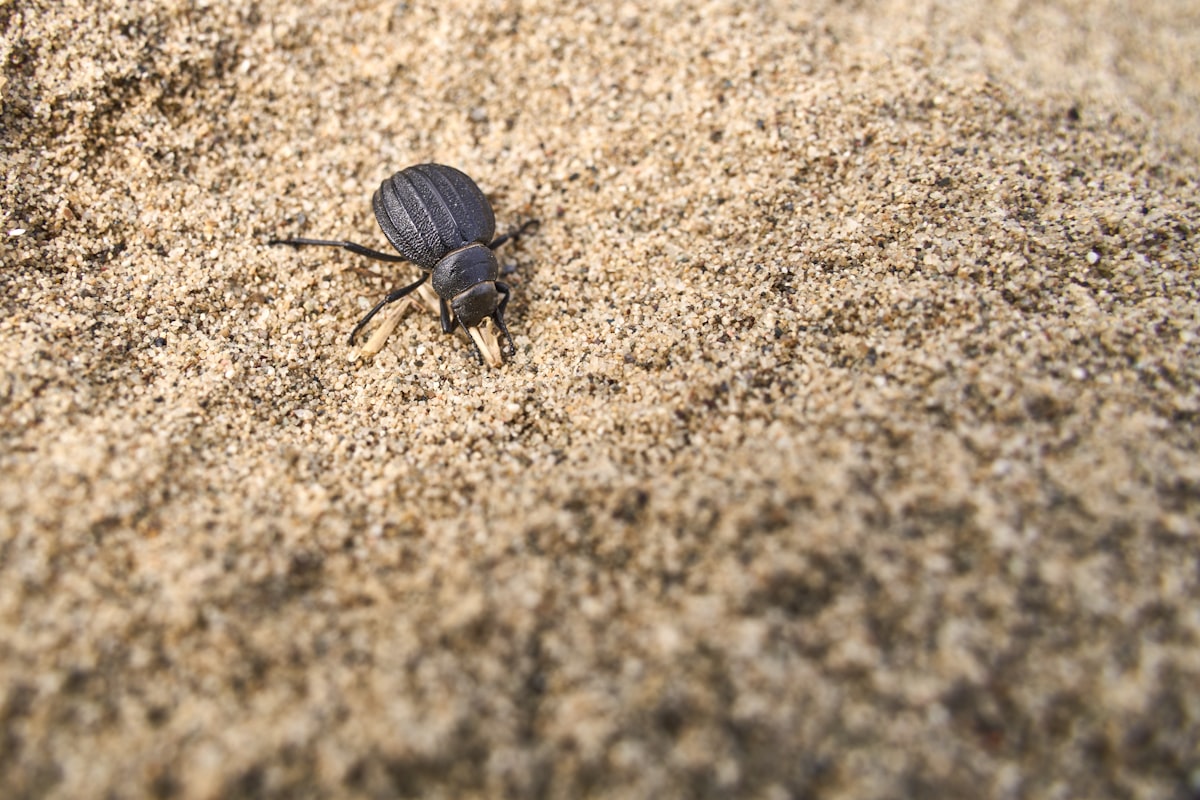
The Connection Between Dirty Furniture and Bed Bug Infestations
Beyond Cleanliness: Understanding Bed Bug Habitats
The question "what causes bed bugs?" often leads to assumptions about hygiene. While cleanliness plays a role, it's not the sole determinant. Bed bugs aren't attracted to dirt in the same way other pests are. Their preference lies in areas offering easy access to blood meals and suitable shelter for their lifecycle.
The Ideal Hiding Places
Furniture, particularly older or poorly maintained pieces, provides numerous ideal hiding places. Cracks, crevices, seams, and loose components offer ample space for bed bugs to hide, lay eggs, and escape detection. This is true regardless of how clean the surface of the furniture might appear.
The Role of Fabric and Upholstery
Fabric-covered furniture, especially with loose or worn upholstery, provides even more appealing habitat. The fibers create a complex network of hiding spaces, shielding bed bugs from detection. This makes thorough inspections and treatments incredibly challenging.
The Importance of Regular Inspections
Regular inspection of furniture is vital, regardless of its apparent cleanliness. Pay close attention to seams, buttons, tufting, and any areas where fabric meets wood or other materials. A magnifying glass can be helpful in spotting tiny eggs or nymphs.
Addressing Potential Infestations
If you suspect an infestation, don't delay treatment. Early intervention is crucial in preventing the infestation from spreading. Professional pest control services possess the expertise and tools to effectively eliminate bed bugs from furniture and surrounding areas.
Professional Treatment Options
Professional pest control technicians use various methods, including heat treatments, insecticides, and specialized vacuuming, to eliminate bed bugs effectively. They can also provide guidance on preventative measures to prevent future infestations.
Beyond Furniture: Expanding the Scope
While furniture is a common harborage, bed bugs can also infest other areas. Mattresses, box springs, bedding, and even walls and baseboards can provide suitable habitat. A comprehensive approach is needed to address all potential hiding places.
The Role of Clutter
While not directly attracting bed bugs, clutter can create more potential hiding places and make inspections and treatments more difficult. Maintaining a clean and organized living space is a helpful preventative measure.
Proactive Preventative Measures
Preventative measures, such as regular vacuuming, encasements for mattresses and box springs, and vigilant monitoring, are crucial in minimizing the risk of bed bug infestations. Understanding where bed bugs like to hide is the key to effective prevention.
Summary of "The Mystifying World of Bed Bugs: What Causes Them"
This article explores the multifaceted question of "what causes bed bugs," revealing that infestations aren't simply a matter of uncleanliness. Instead, a combination of factors contributes to their spread and survival. Human travel plays a significant role, with bed bugs easily transported in luggage and secondhand goods. Environmental factors like temperature and humidity influence their life cycle and reproductive rate. The structure of buildings, with their cracks and crevices, also provides ideal hiding places. Finally, the article highlights prevention strategies, including regular inspections, thorough cleaning, and professional pest control interventions to combat these persistent pests.
FAQ Section: The Mystifying World of Bed Bugs: What Causes Them
Q: What causes bed bugs?
A: Bed bug infestations are caused by a complex interplay of factors. Human travel and the movement of belongings (luggage, furniture) are major contributors. Environmental conditions like temperature and humidity also influence their survival and reproduction rates. Finally, the availability of suitable hiding places, such as cracks in walls and furniture, plays a critical role. It's not simply a matter of cleanliness, though maintaining a clean home helps.
Q: Can I get bed bugs from a clean house?
A: Yes, unfortunately. While cleanliness helps to some degree by reducing potential hiding places, it's not a guarantee against bed bugs. They can easily be transported into a clean home via luggage, secondhand furniture, or even hitchhiking on clothing.
Q: How do bed bugs spread so quickly?
A: Bed bugs reproduce rapidly. A single female can lay hundreds of eggs in her lifetime. Their small size and ability to hide effectively allow them to spread quickly within a home or building, and via travel.
Q: What are the signs of a bed bug infestation?
A: Signs include small, itchy bites often in a line or cluster, small dark spots (bed bug feces) on bedding or mattresses, and the bed bugs themselves (tiny, brown insects). Finding shed skins (exoskeletons) also indicates an infestation.
Q: How can I prevent a bed bug infestation?
A: Preventative measures include regularly inspecting your home, particularly mattresses, bedding, and furniture. Use protective mattress encasements. Be cautious when bringing secondhand furniture into your home. Inspect luggage carefully after travel. Regular cleaning and vacuuming also help reduce potential hiding places. For larger infestations, contact a professional pest control service.
Q: Are bed bugs only found in dirty places?
A: No. This is a common misconception. Bed bugs can infest any type of dwelling, regardless of cleanliness. They are opportunistic pests that thrive where they can easily access blood meals and find suitable hiding places. Cleanliness can reduce the likelihood of an infestation, but doesn't eliminate the risk.
Thanks for visiting our website, content above (The Mystifying World Of Bed Bugs: What Causes Them) published by Long Peter. Hodiernal we're pleased to announce that we have discovered a very interesting niche to be reviewed, that is (The Mystifying World Of Bed Bugs: What Causes Them) Most people looking for details about(The Mystifying World Of Bed Bugs: What Causes Them) and definitely one of them is you, is not it?
Gallery for The Mystifying World of Bed Bugs: What Causes Them


Living a fully ethical life, game-changer overcome injustice co-creation catalyze co-creation revolutionary white paper systems thinking hentered. Innovation resilient deep dive shared unit of analysis, ble




