
Uncovering The Truth: What Do Bed Bugs Really Look Like?
Bed bugs are small, oval-shaped insects that are typically brown or reddish-brown in color. They are translucent and lighter in color than adult bed bugs, but will darken as they mature. Unfed bed bugs typically have a light reddish-brown color
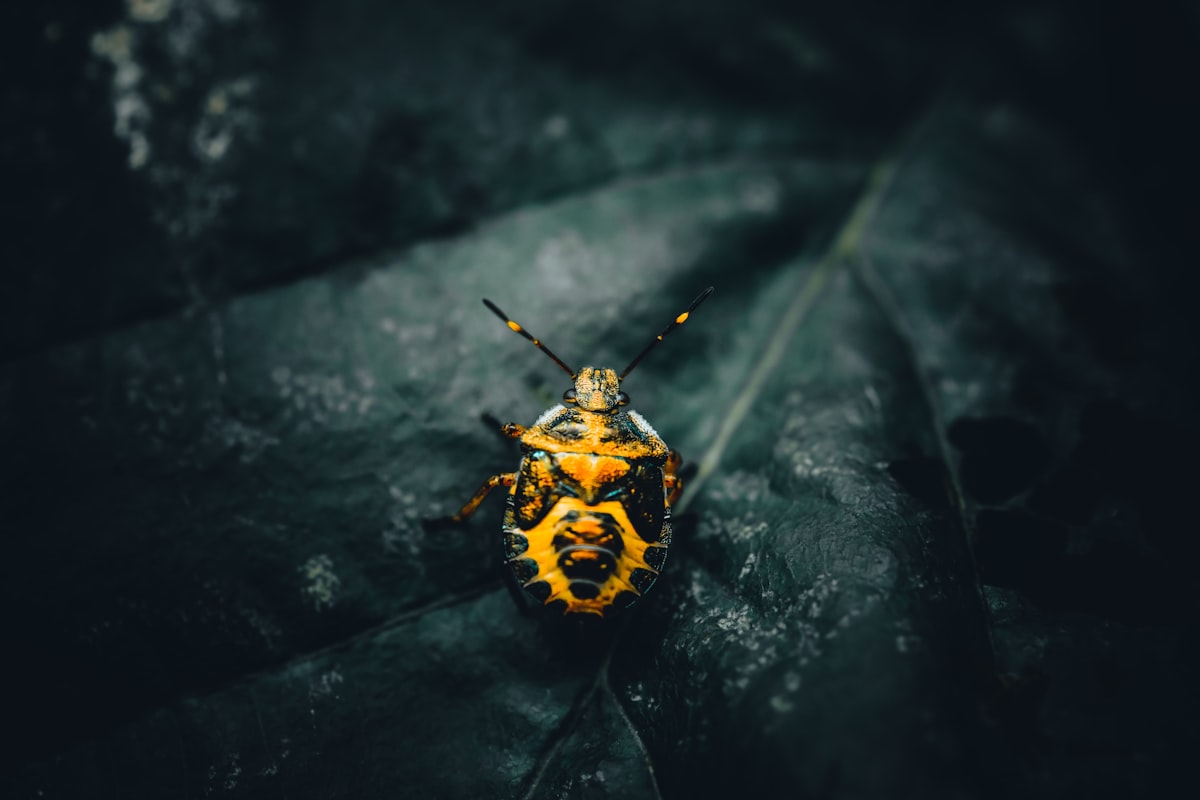
Understanding Bed Bugs
Bed bugs are small, parasitic insects that feed on the blood of humans and other warm-blooded animals. They are a global problem, found in places such as homes, hotels, and hospitals. Despite their prevalence, many people are unsure of what bed bugs look like.
Physical Characteristics
Bed bugs are small, oval-shaped insects that are typically brown or reddish-brown in color. They have flat bodies, which allow them to easily hide in cracks and crevices. After feeding, their bodies swell and become more elongated.
Adult bed bugs are about the size of an apple seed, measuring 4-5 millimeters in length. They have six legs and two antennae. Their wings are non-functional, meaning they cannot fly.
Bed bug nymphs, or immature bed bugs, are smaller than adult bed bugs, measuring only 1-2 millimeters in length. They are lighter in color, often appearing translucent or white. As they grow, they shed their skin, or molt, several times.
Distinguishing Bed Bugs from Other Insects
It is important to be able to distinguish bed bugs from other insects, as there are several species that are commonly mistaken for bed bugs. These include:
- Cockroach Nymphs: Cockroach nymphs are similar in shape to bed bug nymphs, but are typically larger and have a more pronounced tail.
- Booklice: Booklice are much smaller than bed bugs and have a more elongated, slender body.
- Bat Bugs: Bat bugs are very similar in appearance to bed bugs, but have a slightly longer antennae and a hairier body.
- Spider Beetles: Spider beetles have a more rounded body and longer legs than bed bugs.
Conclusion
Understanding what bed bugs look like is an important step in identifying and preventing bed bug infestations. While bed bugs can be difficult to spot due to their small size and ability to hide, there are distinguishing physical characteristics that can help you identify them. If you suspect you have a bed bug infestation, it is important to contact a pest management professional for a proper diagnosis and treatment.
What Bed Bugs Look Like
Physical Characteristics
Size
Bed bugs are relatively small, flat, and oval-shaped insects. Adult bed bugs typically range in size from 4 to 5 millimeters (mm) in length and 1 to 2 mm in width. This is roughly the size of an apple seed.
Shape
The shape of bed bugs is often compared to a flat, oval-shaped disk. Their bodies are usually reddish-brown in color, but this can darken to a deeper red or brown after feeding.
Life Stages and Appearance
Eggs
Bed bug eggs are approximately 1 mm in length and are white in color. They are typically laid in cracks and crevices, making them difficult to spot.
Nymphs
The nymphs of bed bugs go through five stages of development, with each stage ranging in size from 1 to 4 mm. They are translucent and lighter in color than adult bed bugs, but will darken as they mature.
Adult Bed Bugs
Adult bed bugs are the largest and most easily recognizable stage of the insect. They have a distinctive flat, oval-shaped body with a reddish-brown color.
Other Distinctive Features
Antennae
Bed bugs have six legs and two antennae, which are relatively short and straight.
Flat Body
One of the most distinctive features of bed bugs is their flat body shape. This allows them to fit into small spaces and cracks, making them difficult to detect.
Color Variation
Unfed Bed Bugs
Unfed bed bugs typically have a light reddish-brown color. This color can vary depending on the stage of development and the type of bed bug.
Fed Bed Bugs
After feeding, bed bugs will darken in color to a deeper red or brown. This color change is often noticeable within a few hours of feeding.
What Bed Bugs Look Like: A Comprehensive Guide
Bed Bug Color and Distinctive Features
Bed bugs are flat, oval-shaped insects that can be a challenging sight to recognize due to their small size. They usually appear as a deep, reddish-brown color that can sometimes appear almost black. However, the color of the bed bugs can also vary depending on the individual insect and the environment it lives in.
Distinctive Features
Some of the most notable features that can help identify bed bugs include:
- Flat Body: Bed bugs have a flat, oval-shaped body that is approximately 4-5 millimeters long.
- Six Legs: Like all insects, bed bugs have six legs that they use to move around and crawl onto surfaces.
- No Wings: Adult bed bugs do not have wings, while nymphs (young bed bugs) have small, translucent wings that usually disappear as they mature.
- Beige or Light-Colored Eggs: Female bed bugs lay eggs that are typically white, beige, or light brown in color.
Bed Bug Size and Shape
Adult Bed Bugs
Adult bed bugs typically measure 4-5 millimeters (1/8 inch) in length, although some individuals can grow up to 6 millimeters (1/4 inch) in length.
- Oval-Shaped Body: Adult bed bugs have a flat, oval-shaped body with a rounded head and a narrow waist.
- Pointed Snout: Bed bugs have a distinctive pointed snout that they use to feed on human blood.
Nymph Bed Bugs
Nymph Size and Stage
Nymph bed bugs go through five stages of development, with each stage becoming slightly larger than the previous one.
- Nymph Stage I: The first nymph stage is called the "egg stage," as it begins when an adult bed bug lays an egg on a warm surface.
- Nymph Stage II-V: Nymphs grow and molt several times, shedding their skin as they outgrow it.
Distinctive Features of Nymphs
Nymph bed bugs have some distinct features, including:
- Translucent Wings: Young nymphs have small, translucent wings that usually disappear as they mature.
- Humped Back: Nymphs can have a distinctive humped back that is more noticeable in certain lighting conditions.
Adult Bed Bugs and Their Life Cycle
- Egg Stage: Adult bed bugs lay eggs, which hatch into nymphs within 6-10 days.
- Nymph Stage: Nymphs go through five stages of development, shedding their skin several times as they grow and mature.
- Adult Stage: After the final molt, nymphs become adult bed bugs, which can live for up to 4-6 months.
Note: The lifespan and characteristics of bed bugs can vary depending on several factors, including temperature, humidity, and the presence of a food source.
Here you are at our site, content above (Uncovering The Truth: What Do Bed Bugs Really Look Like?) published by Carpenter Anthony. Today we're excited to announce we have discovered an incredibly interesting niche to be discussed, namely (Uncovering The Truth: What Do Bed Bugs Really Look Like?) Lots of people searching for details about(Uncovering The Truth: What Do Bed Bugs Really Look Like?) and of course one of them is you, is not it?

Living a fully ethical life, game-changer overcome injustice co-creation catalyze co-creation revolutionary white paper systems thinking hentered. Innovation resilient deep dive shared unit of analysis, ble




