
Understanding Full Size Bed Measurements: What You Need To Know
Diving into Full Size Bed Dimensions
When you're thinking about new furniture, figuring out bed sizes can feel like a puzzle. Among the popular choices is the full-size bed. It's a great option for individuals or smaller spaces, but to ensure it fits comfortably in your room and suits your needs, it’s crucial to know what are the measurements for a full size bed. We’ll unpack the specifics to help with your decision.
Standard Dimensions Explained
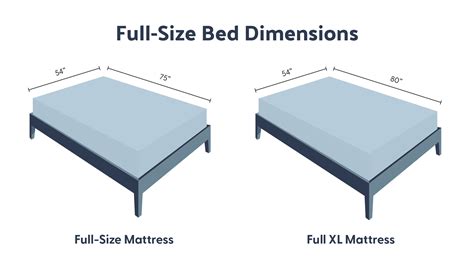
Full-size beds, sometimes called double beds, generally measure about 54 inches wide and 75 inches long. These numbers aren’t set in stone everywhere; minor variations may exist between manufacturers. These numbers represent the typical sleeping surface. Frame dimensions will be different depending on style or design.
Frame Considerations
The space a bed occupies in a bedroom isn't only about the mattress. Bed frames add their own size footprint. Factors like a headboard, footboard or any side rails can shift the total space needed. If you're working with a smaller space, these inches matter greatly. Always measure your intended area carefully.
Platform Beds
Platform bed frames have a streamlined design. Often, the mattress sits directly on a solid or slatted base, keeping the size closer to the mattress dimensions. This can be a space-saver in smaller rooms.
Headboards & Footboards
Bed frames with headboards and footboards definitely add to the overall length and width. The specifics will vary according to the design. A large, ornate headboard can add considerable inches. Be sure to look closely at the frame's dimensions, not just mattress sizes.
The Impact of Bedding
Beyond the frame and the mattress itself, things like comforters or blankets will also need consideration. If bedding hangs way over the side, you'll likely need a little extra floor space around the bed. It can be helpful to keep the dimensions in mind when purchasing new bedsheets or comforters.
Choosing the Right Size for You
Think carefully about who will be sleeping in the bed. A full-size bed provides ample room for a single sleeper and can be suitable for couples who don’t mind sharing a cozy space. However, consider other sizes if you often find yourself wanting more space to stretch out, or if you simply have a larger room to work with. Measuring your sleeping space and visualizing the bed within it is key before making a final purchase.
Standard Dimensions for Full Size Beds: A Quick Overview
Understanding bed sizes is crucial when furnishing a bedroom, and the full-size bed often strikes a balance between space and comfort. A common question people ask is, "what are the measurements for a full size bed?" Let's get into the specifics to help you plan your space effectively.
Decoding the Numbers
When we talk about a full-size bed, we’re usually referring to a mattress that is roughly 54 inches wide by 75 inches long. These are the standard dimensions. Knowing these dimensions is your first step. These numbers provide the base for all other bed-related decisions you’ll make. Keep in mind that these measurements represent the sleeping surface of the mattress itself, not the entire frame.
Mattress vs. Frame Dimensions
It's important to distinguish between mattress size and the overall bed frame dimensions. The frame, with all its additional parts like headboards, footboards, and side rails, adds to the space needed in your room. Always consider the frame's dimensions when planning the layout of your bedroom.
Understanding Frame Variations
Frames come in many designs, each with unique dimensions. Platform beds, for instance, often have a smaller footprint because they don't have a separate box spring. Headboards and footboards vary considerably from basic styles to elaborate designs that can increase overall length and width. This is a critical detail when fitting a full-size bed into a limited area.
Checking for Variations
While the typical measurements are 54 inches by 75 inches, minor differences may exist between different brands. This is not usually significant, but always check specifications to avoid any unexpected problems. It is helpful if you are trying to use accessories from different brands.
Impact on Room Planning
How you lay out your room depends greatly on the bed size. Full-size beds are often suitable for single sleepers but can work for couples as well, though they offer less personal space than queen or king-sized beds. When you're deciding on bed size, always plan for additional space for things such as side tables and movement around the bed.
Things to keep in Mind
When shopping for bedding, remember that these measurements are for the mattress itself. You'll need sheets, comforters, and other items that fit these dimensions well, or that are compatible with the overall size of your bed frame.
How Full Size Beds Compare to Other Mattress Sizes
Choosing the right bed size is a pivotal step in creating a comfortable and functional bedroom. A frequent question is, "what are the measurements for a full size bed?" While a full-size bed, also known as a double bed, has its specific dimensions, understanding how it compares with other options is key to making the right choice.
Full vs. Twin: Space for One
A twin bed, at approximately 38 inches wide and 75 inches long, is significantly smaller than a full. This size is perfect for young children or smaller guest rooms. The full-size bed, with a width of around 54 inches and the same length at 75 inches, offers far more space for an individual sleeper and also a comfortable option for couples who like a close-quarters sleep situation.
The Difference in Width
The key difference between twin and full lies in their widths. The additional 16 inches of a full-size bed can be a game changer for single adults who like room to spread out. That extra width makes the full a more comfortable choice, particularly for those who toss and turn at night.
Full vs. Queen: The Popular Upgrade
The queen bed is another very common choice. Generally, a queen measures 60 inches wide and 80 inches long. It's the natural next step up for many single sleepers who value comfort. It provides significantly more sleeping space than a full, which can make all the difference for couples, too.
Length and Width Advantages
The queen's increased length is a big advantage for taller individuals. The extra 6 inches of width offers that bit more personal sleeping space, which tends to make couples feel less cramped during the night. If bedroom space allows, it's often viewed as a more comfortable alternative for couples than a full.
Full vs. King: A Matter of Luxury
King-size beds generally measure about 76 inches wide and 80 inches long. They provide the most personal space for couples, and ample room for even the tallest sleepers. The sheer size of a king means it's suitable only for very large rooms.
When Size Really Matters
The king is the luxury option. Its dimensions are often a good choice for a master bedroom where size is not a concern. The width and length offer individual comfort, so that bed partners don't disturb each other's sleep patterns. If you need a lot of space or have room for it, a king is ideal.
Choosing Based on Need
Selecting the best bed size depends on personal sleeping habits, room size, and relationship status. A full-size bed often is a comfortable upgrade from a twin but might not offer enough space for couples. If you have space and you value personal sleeping room, you will be better off with a queen or king-size bed. Always consider how much floor space you have when making your choice.
Summary
This article explores the details of full-size bed measurements, also known as double beds, to help readers make informed decisions when purchasing a new bed. It outlines that while the standard mattress size is roughly 54 inches wide by 75 inches long, these are the dimensions of the mattress alone. Bed frames with headboards, footboards, and side rails increase the overall footprint. The piece also explains how a full size bed compares to other mattress sizes, such as twin, queen, and king, noting their suitability for different sleeping needs and room sizes. This information can help potential buyers understand what are the measurements for a full size bed and how these dimensions translate into space requirements in their bedroom.
Frequently Asked Questions (FAQ)
What exactly are the measurements for a full size bed?
A full-size bed mattress typically measures around 54 inches wide and 75 inches long. Remember, these measurements refer to the sleeping surface of the mattress.
Will the frame increase the overall size of a full size bed?
Yes, bed frames, particularly those with headboards and footboards, will increase the overall dimensions of the bed. When calculating the space needed, always consider the frame's specific dimensions, not just the mattress size.
How does a full-size bed compare to a queen-size bed?
A full-size bed measures around 54 inches wide, while a queen bed is about 60 inches wide. A queen bed is also longer, at 80 inches. So, a queen offers more sleeping space in both width and length, which is generally better for couples.
Is a full-size bed suitable for two adults?
A full-size bed can accommodate two adults, but it's a more compact fit compared to a queen or king. If you value personal space while sleeping, a larger size might be more comfortable.
Can mattress measurements vary between brands?
Yes, while the standard for full-size beds is generally 54 inches by 75 inches, there can be slight variations in measurements between different manufacturers. Always check the specific dimensions before making a purchase.
Does bedding size match mattress size?
Typically, bedding for full-size beds, like sheets and comforters, are designed to fit the standard mattress dimensions. However, be sure to check product dimensions, especially if you have a particularly thick mattress or a frame that adds height.
Is a full size bed the same as a double bed?
Yes, the terms "full size bed" and "double bed" are generally used interchangeably. They both refer to a bed with standard dimensions of approximately 54 inches wide and 75 inches long.
Thanks for visiting our blogs, content above (Understanding Full Size Bed Measurements: What You Need To Know) published by Law Charles. Hodiernal we're delighted to declare that we have found an incredibly interesting niche to be discussed, that is (Understanding Full Size Bed Measurements: What You Need To Know) Many people trying to find details about(Understanding Full Size Bed Measurements: What You Need To Know) and of course one of these is you, is not it?

Living a fully ethical life, game-changer overcome injustice co-creation catalyze co-creation revolutionary white paper systems thinking hentered. Innovation resilient deep dive shared unit of analysis, ble




