
What Are Signs Of Bed Bugs: Spotting The Hidden Intruders
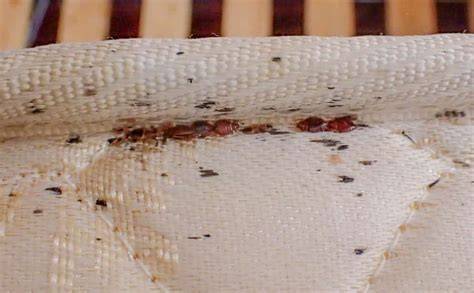
They are difficult to see with the naked eye, but there are several signs of their presence to look out for: Blood stains: Bed bugs feed on blood, and you may find small red or brown stains on your sheets or mattress. Live bed bugs: If you suspect an infestation, it's important to look for live bed bugs. Check for bed bugs by looking for blood stains, eggshells, skin, and live bed bugs in seams and folds of mattresses, as well as in cracks and crevices of furniture and baseboards
Discovering bed bugs in your home can be a frightening and stressful experience. These tenacious pests are notorious for their ability to infest even the cleanest environments, leaving behind telltale signs that can be difficult to spot. By understanding what to look for, you can increase your chances of catching an infestation early and taking swift action to eliminate these unwelcome guests.
What to Look For
Identifying bed bugs requires a keen eye and attention to detail. They are small, flat, oval-shaped insects that are typically reddish-brown in color. Their size can vary, but they are generally about the size of an apple seed. Knowing what to look for is crucial for early detection.
Visual Clues
- Black Spots: Bed bug droppings appear as tiny black spots on mattresses, bedding, and adjacent surfaces. These spots are often mistaken for dirt or pepper, but they are actually fecal matter from the bed bugs.
- Live Bugs: Occasionally, you may spot live bed bugs crawling on your bedding, walls, or furniture. They are most active at night, so it's helpful to check these areas in the early morning hours.
- Skin Shedding: As bed bugs grow, they shed their exoskeletons. These shed skins resemble small, translucent husks and can be found on mattresses, bed frames, and inside crevices.
Bite Marks
- Small Red Bumps: Bed bug bites often appear as small, red, itchy bumps clustered in a line or zigzag pattern. These bites are usually found on exposed skin, such as arms, legs, neck, or face.
- Varied Reactions: It's important to note that not everyone reacts to bed bug bites in the same way. Some people may experience mild itching, while others may develop more severe allergic reactions.
Where to Look
Bed bugs can be found in a variety of places, both in and outside your home.
In Your Bed
- Mattress and Box Spring: Check the seams, crevices, and folds of your mattress and box spring for signs of bed bugs.
- Pillows: Inspect the seams and stuffing of your pillows for any evidence of bed bug activity.
- Headboard: Pay attention to the area beneath and around the headboard, as bed bugs often like to hide there.
Other Furniture
-
Chairs: If you have upholstered chairs, check the seams, cushions, and crevices for bed bugs.
-
Couches: Inspect the seams, cushions, and crevices of your couch for signs of bed bugs.
Cracks and Crevices
- Baseboards: Bed bugs love to hide in the cracks and crevices of baseboards.
- Walls: Check the areas behind picture frames, light switches, and electrical outlets.
- Furniture Legs: Inspect the legs of your furniture for any signs of bed bugs.
- Luggage: If you travel frequently, check your luggage for bed bugs before bringing it into your home.
Mysterious Bites: The Clues Left Behind
If you're waking up with mysterious bites, it's time to start investigating. These bites could be a sign of a bed bug infestation, and it's important to take action as soon as possible to protect your home and health. But how can you tell for sure if bed bugs are to blame? Here are some of the clues to look out for:
Bed Bug Bites: A Closer Look
Bed bug bites are typically red, itchy, and appear in a straight line or cluster. They are often mistaken for other insect bites, such as mosquitoes or fleas. However, bed bug bites tend to be smaller and may not always cause immediate symptoms.
Inspecting for Bed Bugs
Bed bugs are small, flat, and oval-shaped insects that are reddish-brown in color. They are difficult to see with the naked eye, but there are several signs of their presence to look out for:
Blood stains: Bed bugs feed on blood, and you may find small red or brown stains on your sheets or mattress. These stains may be the result of crushed bed bugs or their fecal matter.
Eggshells and skin: Bed bugs shed their skin as they grow, leaving behind small, white, oval-shaped casings. You may also find small, white, rice-like eggs.
Live bed bugs: If you suspect an infestation, it's important to look for live bed bugs. They tend to hide in seams and folds of mattresses, as well as in cracks and crevices of furniture and baseboards.
Dealing with Bed Bugs
If you do find evidence of bed bugs, it's important to take action immediately. Bed bugs are not only a nuisance, but they can also cause health problems, such as skin rashes and allergic reactions.
Here are some steps to take if you suspect a bed bug infestation:
Call a professional: Bed bug infestations can be difficult to eliminate on your own. It's best to call a pest control professional who has experience dealing with bed bugs.
Wash and dry bedding: Wash all bedding and soft items in hot water and dry on high heat to kill any bed bugs or eggs.
Vacuum and steam: Vacuum your mattress, box spring, and any other affected areas. Follow up by steaming these areas to kill any remaining bed bugs.
Encasements: Consider using mattress and box spring encasements to prevent bed bugs from getting inside.
Bed bugs are mysterious pests that can leave behind clues in the form of bites and other signs of their presence. By knowing what to look for, you can take action quickly and protect your home and health.
FAQs
What do bed bug bites look like? Bed bug bites are typically red, itchy, and may appear in a straight line or cluster.
How do you check for bed bugs? Check for bed bugs by looking for blood stains, eggshells, skin, and live bed bugs in seams and folds of mattresses, as well as in cracks and crevices of furniture and baseboards.
What should I do if I find bed bugs? If you find bed bugs, call a pest control professional, wash and dry bedding, vacuum and steam affected areas, and consider using mattress and box spring encasements.
Here you are at our blogs, content above (What Are Signs Of Bed Bugs: Spotting The Hidden Intruders) published by Perkins Leon. At this time we're delighted to announce that we have found an extremely interesting niche to be pointed out, that is (What Are Signs Of Bed Bugs: Spotting The Hidden Intruders) Many people attempting to find specifics of(What Are Signs Of Bed Bugs: Spotting The Hidden Intruders) and of course one of them is you, is not it?

Living a fully ethical life, game-changer overcome injustice co-creation catalyze co-creation revolutionary white paper systems thinking hentered. Innovation resilient deep dive shared unit of analysis, ble




