
The Hidden Enemy: What Are Bed Bugs?
Professional pest control is often the most effective solution for a severe infestation; they possess the expertise and specialized tools to tackle the problem. This resistance, combined with a decrease in the frequency and efficacy of routine pest control in some areas, allowed bed bug populations to rebound. Furthermore, it delves into the broader impact of bed bugs, including the physical discomfort caused by their bites, the psychological stress, and the economic burdens associated with infestations
The Hidden Enemy: What Are Bed Bugs?
Tiny Terrorists in Your Bedroom
Imagine waking up with itchy bites, tiny red welts marring your skin. You scratch, you sigh, you wonder... what's happening? The culprit might be smaller than a sesame seed, yet capable of causing significant distress: the bed bug. These nocturnal insects feed on human blood, leaving behind a trail of irritation and anxiety. They're masters of disguise, often hiding in the smallest crevices of your mattress, box springs, and even your walls.
Where Do Bed Bugs Come From?
Their origins are surprisingly diverse. They hitchhike on luggage, clothing, and furniture. Second-hand items represent a high risk, though even seemingly pristine hotels aren't immune. They can travel from one dwelling to another easily; it's a surprisingly common issue in apartments and densely populated areas. Essentially, they're opportunistic travelers, always on the lookout for a warm, blood-rich host.
Identifying the Source of the Infestation
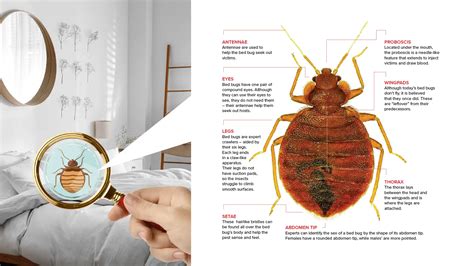
Finding the source of your bed bug problem is a crucial step in eradication. Thoroughly inspect your mattress seams, bed frame, and headboard. Check the crevices in your walls, behind loose wallpaper, and even in electrical outlets. You might find tiny dark specks – their droppings – or even the bugs themselves. A magnifying glass can be helpful for identifying these tiny invaders.
Identifying the Infestation
Sometimes, seeing is believing. Small, rusty-colored spots on your bedding might be blood stains left after feeding. Their presence isn't always immediately obvious; you might only notice the bites first. They prefer to feed at night, so checking your skin in the morning is helpful. A persistent itch is a strong indicator.
What to do if you find them
Finding them is unsettling, but don't panic. There are various treatment options. Professional pest control is often the most effective solution for a severe infestation; they possess the expertise and specialized tools to tackle the problem. Don't attempt to treat a large infestation alone; it's usually far more effective to call in the experts. Early detection is key.
Beyond the Bites: The Impact of Bed Bugs
The physical discomfort of bites isn't the only concern. The constant itching can disrupt sleep, leading to fatigue and irritability. The psychological toll of dealing with a bed bug infestation shouldn't be underestimated; it's stressful and can negatively impact your well-being. The persistent nature of these pests requires a dedicated approach to treatment and prevention. The cost of professional treatment adds another layer to the whole issue.
What Are Bed Bugs From?
The Origins of a Global Pest
Bed bugs, those tiny, blood-sucking insects, have a surprisingly long and widespread history. Their origins aren't pinned to one specific place or time. Instead, evidence suggests their presence across diverse geographical locations and throughout human history. Ancient civilizations likely encountered them, though detailed records are scarce.
Ancient Encounters
While precise documentation is lacking, archaeological findings hint at their coexistence with humans for millennia. Cave paintings, ancient writings, and even preserved artifacts might indirectly indicate their presence. The pests’ adaptability and preference for close proximity to human settlements likely facilitated their spread across various societies.
Evolutionary Adaptability
Their remarkable ability to adapt is a key factor in their global success. They've evolved alongside humans, perfecting their ability to survive and thrive in a variety of environments. Their capacity to withstand various climates and environmental changes contributes significantly to their pervasiveness.
Modern Spread and Distribution
Today, bed bugs are a global problem, infesting homes, hotels, and other places where humans gather. Their ability to travel undetected—by clinging to clothing, luggage, or furniture—fuels their spread. International travel, particularly, accelerates the dispersion of bed bugs across continents.
Global Travel and Infestations
The ease of international travel significantly contributes to the current worldwide distribution of bed bugs. A single infested suitcase can unknowingly introduce these pests into a new location, creating a new infestation. Hotels, dormitories, and other shared accommodations present high-risk environments for infestation due to frequent guest turnover.
Controlling Global Spread
Efforts to control the spread of bed bugs often focus on education and prevention. Strict hygiene practices, thorough inspections of luggage, and vigilance in identifying potential infestations are key components of global strategies to combat their proliferation. International cooperation among health organizations and hospitality industries is crucial for managing this ongoing challenge.
What Are Bed Bugs From? A Deep Dive into Their History and Spread
How Did Bed Bugs Become a Household Name?
The bed bug's notoriety isn't a recent phenomenon; their association with human dwellings stretches back centuries. However, their elevated status as a common household pest—and a frequent topic of conversation—is a more recent development, shaped by several interconnected factors.
The Rise of Modern Pest Control
Ironically, advancements in pest control ironically contributed to the bed bug’s resurgence. The widespread use of powerful insecticides in the mid-20th century effectively targeted many insect pests. However, some bed bug populations developed resistance to these chemicals. This resistance, combined with a decrease in the frequency and efficacy of routine pest control in some areas, allowed bed bug populations to rebound. This created a breeding ground for increasingly resistant strains.
The Chemical Arms Race
The evolution of insecticide resistance in bed bugs is a complex interplay between genetic adaptation and chemical exposure. As insecticides are applied, individuals with genetic variations providing resistance have a selective advantage, passing those traits onto their offspring. This continuous cycle of adaptation and counter-adaptation has made bed bug control increasingly challenging.
The Impact of Global Travel and Urbanization
Increased global travel and the shift towards denser urban living have significantly contributed to the spread of bed bugs. The ease with which these insects can travel undetected in luggage, on clothing, or through shared spaces greatly facilitates their distribution. Urban environments, with their close proximity of dwellings, create ideal conditions for the rapid transmission of bed bugs between buildings.
The Role of Public Awareness
Increased public awareness of bed bugs, while seemingly negative, has paradoxically played a positive role in their containment. Greater awareness translates into earlier detection and quicker response times. The ready availability of information through online resources, pest control websites, and public health initiatives helps individuals proactively address potential infestations.
Modern Communication and Information Sharing
The internet's impact on bed bug control is substantial. People can easily share experiences, access information on identification and treatment, and connect with pest control professionals. This ease of information access has empowered individuals to take proactive steps, leading to early detection and faster responses to infestations. Online forums and social media platforms have become valuable tools for information exchange and support.
The Economic and Social Burden of Bed Bugs
Beyond the immediate discomfort of bites and the inconvenience of dealing with an infestation, bed bugs impose significant economic and social burdens. The cost of professional pest control, potential damage to property, and lost time from work or other activities contribute to the overall financial impact.
Psychological and Social Impact
The psychological effects are considerable. Dealing with a bed bug infestation can be stressful, embarrassing, and emotionally draining. The persistent itching, disrupted sleep, and the constant vigilance required can negatively impact mental health and well-being. The stigma associated with bed bugs can also isolate individuals and families.
The Ongoing Challenge
The challenge of effective bed bug control remains significant. A multifaceted approach combining advanced pest control techniques, improved preventative measures, and ongoing public education is needed to effectively manage this persistent household pest. The long-term outlook relies heavily on innovation in pest control strategies and a deeper understanding of bed bug behavior and genetics.
What Are Bed Bugs From? Unraveling the Science of Infestation
The Science Behind Bed Bug Infestations
Understanding bed bug infestations requires a scientific approach, delving into their biology, behavior, and environmental factors. This goes beyond simple observation; it involves understanding their life cycle, reproductive strategies, and the conditions that favor their proliferation.
Bed Bug Biology 101
Bed bugs ( Cimex lectularius) are small, wingless insects belonging to the Cimicidae family. Their flattened bodies allow them to easily navigate tight spaces, contributing to their ability to hide effectively within human dwellings. They feed exclusively on blood, primarily human blood, employing piercing-sucking mouthparts to extract their meals. This hematophagic behavior is central to their survival and reproduction.
The Bed Bug Life Cycle
The bed bug life cycle consists of several stages: egg, nymph, and adult. Females lay eggs in concealed areas, attaching them to surfaces. Nymphs, smaller versions of adult bed bugs, go through several molts as they grow and mature. The entire life cycle, from egg to adult, can span several weeks to months, depending on environmental conditions like temperature and food availability.
Environmental Factors Driving Infestations
Certain environmental conditions are conducive to bed bug infestations. These are not merely coincidental occurrences; these factors are integral to the success of a bed bug colony. Understanding these conditions is crucial for implementing effective control measures.
Temperature and Humidity
Bed bugs thrive in environments with moderate temperatures (around 70-80°F) and relatively high humidity. Extreme temperatures, either very hot or very cold, can negatively impact their survival and reproductive rate. Humidity levels play a significant role in their ability to maintain hydration and prevent desiccation.
Shelter and Hiding Places
The availability of suitable harborages is critical for bed bug survival. Their ability to squeeze into tiny cracks and crevices, making detection difficult, contributes significantly to their persistence. Mattresses, box springs, bed frames, and wall voids provide ideal refuge. Cluttered environments with numerous potential hiding spots will be far more conducive to infestation.
Bed Bug Movement and Dispersion
The spread of bed bugs within and between locations is a dynamic process driven by a complex interplay of their inherent behavior and human activities. Their movement isn't random; it's influenced by a number of behavioral factors and environmental cues.
Active Movement and Passive Transport
Bed bugs are capable of active movement, crawling from one location to another within a dwelling. However, they are also frequently dispersed passively through human activity. This passive transport is a major factor in the spread of infestations. Clothing, luggage, furniture, and even second-hand goods can unknowingly transport bed bugs to new locations.
Predicting and Preventing Infestations
Predicting and preventing infestations require a multifaceted approach. Understanding bed bug biology, their preference for certain environmental conditions, and their modes of dispersal allows for the development of effective prevention strategies. These strategies range from regular inspections to careful screening of belongings when traveling or acquiring second-hand furniture. Proactive measures are far more effective than reactive responses to established infestations.
Summary of "The Hidden Enemy: What Are Bed Bugs?"
This article explores the pervasive problem of bed bugs, focusing on their identification, origins, and the challenges of eradication. It addresses the question "what are bed bugs from?" by detailing their diverse origins, highlighting how they spread through human activity, global travel, and the unwitting transport of infested items. The article explains the various ways to identify an infestation, emphasizing the importance of early detection to facilitate effective treatment, either through self-treatment or professional pest control services. Furthermore, it delves into the broader impact of bed bugs, including the physical discomfort caused by their bites, the psychological stress, and the economic burdens associated with infestations. The article also touches upon the development of insecticide resistance and the challenges this poses in controlling bed bug populations.
FAQ: The Hidden Enemy: What Are Bed Bugs?
Q: What are bed bugs from?
A: Bed bugs (Cimex lectularius) are found globally and can originate from various sources. They are often transported unknowingly through infested luggage, clothing, furniture (especially secondhand items), and even travel between apartments and buildings. They thrive in places where humans sleep and gather, making hotels, apartments, and homes common infestation sites.
Q: How do I know if I have bed bugs?
A: Bed bug infestations can be tricky to spot. Look for tiny, reddish-brown insects (about the size of an apple seed), dark fecal spots on bedding or mattresses, or small bloodstains on sheets. More commonly, you might notice itchy bites, often in a line or cluster, typically appearing after sleeping.
Q: What should I do if I find bed bugs?
A: Immediate action is crucial. Start by thoroughly inspecting your bed, bedding, and surrounding areas. For small infestations, you might try home remedies like thorough cleaning and encasements. However, large infestations usually require professional pest control services, as they possess specialized tools and expertise to effectively eradicate the infestation.
Q: Are bed bugs dangerous?
A: While not known to transmit diseases, bed bugs cause itchy, irritating bites that can lead to skin infections if scratched. The constant itching can disrupt sleep, causing fatigue and stress. The psychological impact of a bed bug infestation is significant, causing worry and anxiety.
Q: Can I prevent a bed bug infestation?
A: Yes, preventative measures can significantly reduce your risk. Regularly inspect your bed and surroundings. Wash and dry all bedding on high heat. Be cautious when buying used furniture and inspect carefully before bringing it into your home. When traveling, inspect hotel rooms carefully and store luggage away from the bed.
Q: How much does bed bug treatment cost?
A: The cost of bed bug treatment varies depending on the severity of the infestation and the chosen treatment method. Professional pest control services are generally more expensive than DIY methods, but they often offer greater efficacy and long-term solutions. This is a significant factor to consider when comparing treatment options.
Here you are at our site, content above (The Hidden Enemy: What Are Bed Bugs?) published by Hayes Joseph. Nowadays we are delighted to announce we have discovered an incredibly interesting niche to be pointed out, that is (The Hidden Enemy: What Are Bed Bugs?) Many individuals searching for information about(The Hidden Enemy: What Are Bed Bugs?) and definitely one of them is you, is not it?

Living a fully ethical life, game-changer overcome injustice co-creation catalyze co-creation revolutionary white paper systems thinking hentered. Innovation resilient deep dive shared unit of analysis, ble




