
How To Choose The Perfect Twin Bed Comforter For Your Space
On the other hand, if you need something cozier for cold winters, a comforter with a higher fill power or made with insulating materials like down or microfiber might be better suited. Certifications like GOTS (Global Organic Textile Standard) or OEKO-TEX ensure that the materials in your twin bed comforter meet rigorous environmental and safety standards. By understanding your priorities and exploring options that blend warmth with style, you can find a twin comforter that not only enhances your sleep experience but also elevates your bedroomâs overall aesthetic
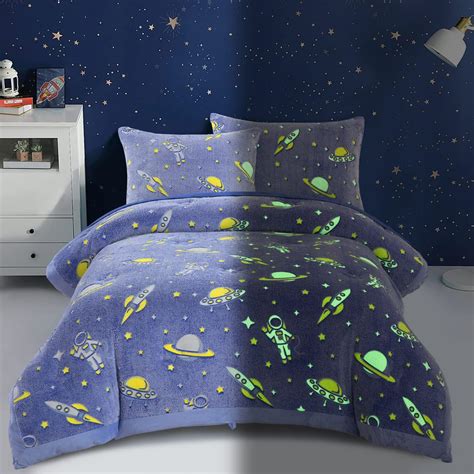
Understanding Your Needs and Preferences
Choosing a twin bed comforter is more than just about picking a pretty design. It’s about finding something that fits your style, your space, and your comfort requirements. Start by thinking about how you’ll use the comforter. Is it for a guest room, a child’s room, or your everyday bedding? Each scenario might demand a different type of fabric, fill material, and durability level.
Pay attention to your personal comfort preferences. If you tend to sleep warm, lightweight options made of breathable materials like cotton or bamboo blends could be a great match. On the other hand, if you need something cozier for cold winters, a comforter with a higher fill power or made with insulating materials like down or microfiber might be better suited.
Material Choices: What Works Best?
The material of your twin bed comforter plays a big role in how it feels and functions. Natural fabrics like cotton and linen offer breathability and softness, making them perfect for everyday use. Cotton comforters, in particular, are popular because they are durable and easy to clean, while linen adds a touch of relaxed elegance.
If ease of maintenance is a priority, synthetic fabrics like polyester blends or microfiber are worth considering. These materials resist wrinkles, stains, and fading, which makes them especially practical for kids’ rooms or dorms. Look for hypoallergenic options if allergies are a concern.
Fill Material and Warmth Levels
The filling is another crucial factor. Down comforters are highly sought after for their luxurious feel and warmth. They trap heat effectively but remain lightweight, making them ideal for colder climates. If you prefer an alternative, synthetic fills mimic the fluffiness of down without using animal products and are often more affordable.
Think about the loft and weight of the comforter. A higher fill power indicates greater fluffiness and insulation, which is ideal for colder nights. Lightweight, thinner options are better for warmer climates or layering purposes.
Sizing Matters for a Twin Bed
It’s tempting to overlook sizing when shopping for a twin bed comforter, but it can make a big difference. Standard twin beds require comforters that are approximately 68 inches by 86 inches, but variations exist. Double-check your bed dimensions and decide if you prefer an oversized look that drapes more generously over the edges.
Consider whether the comforter will be used with other bedding layers, like a quilt or throw. A slightly larger comforter can help achieve that plush, inviting look, while a standard fit keeps things sleek and tidy.
Design and Color Considerations
A twin bed comforter isn’t just functional; it’s also a design element in your room. Neutral tones like whites, grays, and beiges can create a calm, cohesive vibe that works with almost any decor. If you want something bolder, opt for vibrant colors or patterns that make a statement.
Think about coordinating the comforter with your existing room decor, including wall colors, curtains, and furniture. Seasonal themes are another way to bring fresh energy to your space. For example, lighter hues work well in spring and summer, while richer tones or festive prints can add warmth during the fall and winter months.
Additional Features to Look For
Some twin bed comforters come with added benefits, such as reversible designs for versatile styling or corner loops to secure a duvet cover in place. These details might seem minor, but they can make a big difference in usability and convenience.
If durability is important, look for double-stitched seams or box-stitched designs. These features help keep the filling evenly distributed and prevent clumping, ensuring a longer lifespan for your comforter. Machine-washable options are also a lifesaver for busy households.
The Role of Materials in Comfort and Durability
When it comes to selecting the best twin bed comforter, the material is often the deciding factor. It influences how comfortable, durable, and easy to maintain your comforter will be. While appearance is important, the fabric and filling are what truly determine the overall quality.
Natural Fabrics: Softness Meets Breathability
Natural fabrics like cotton and silk are popular choices for those seeking a luxurious, breathable experience. Cotton, especially in percale or sateen weaves, offers a soft touch and excellent moisture-wicking properties. Organic cotton takes it a step further for eco-conscious shoppers by skipping harmful chemicals in the production process.
For a more indulgent feel, silk comforters provide unparalleled smoothness and a lightweight drape. They are naturally hypoallergenic and regulate temperature exceptionally well, making them perfect for year-round use.
Synthetic Fabrics: Durable and Budget-Friendly
Synthetic materials such as polyester and microfiber have carved out their own niche in the bedding world. These fabrics are affordable and highly durable, often standing up to frequent washing better than natural fibers. Microfiber, in particular, is known for its softness and lightweight feel while offering resistance to wrinkles and stains.
Blended fabrics, which combine natural and synthetic fibers, are another option to consider. These blends strike a balance between softness and durability, making them a practical choice for guest rooms or children’s bedding.
Fill Options: What’s Inside Counts
The inner filling of a twin bed comforter plays a key role in determining its warmth, weight, and overall comfort. Knowing the different types of fills can help you find the perfect match for your needs.
Down: Ultimate Warmth and Luxury
Down comforters are often considered the gold standard for their warmth and lightness. They use the soft under-feathers of ducks or geese, creating a plush feel that traps heat efficiently. Higher fill power numbers indicate superior loft and insulation, ideal for colder climates or those who prefer a cozy sleeping environment.
Down Alternatives: Practical and Hypoallergenic
For a more budget-friendly or animal-free option, down alternatives provide similar softness and insulation. These fillings, typically made from synthetic fibers, are hypoallergenic and easy to care for. They’re a great choice for allergy sufferers or households with pets.
Wool and Cotton Fill: Natural Temperature Control
Wool and cotton-filled comforters excel at temperature regulation. Wool naturally wicks moisture and adapts to your body temperature, keeping you cool in summer and warm in winter. Cotton fillings offer similar breathability but are slightly lighter in weight, making them ideal for warmer climates.
Specialized Features of Material Construction
The way materials are constructed can enhance the performance and longevity of a twin bed comforter. Box stitching or baffle box designs, for instance, ensure that the fill stays evenly distributed, preventing lumps or cold spots. Quilted patterns can add texture and visual appeal while maintaining structural integrity.
Some materials include added treatments, like antimicrobial coatings or moisture-wicking finishes. These can be particularly useful in humid environments or for individuals with sensitive skin.
Environmental Considerations: Eco-Friendly Choices
Sustainability is becoming an increasingly important factor for shoppers. Comforters made with organic or recycled materials are now widely available. Organic cotton, bamboo, and eucalyptus-based fabrics are renewable and biodegradable, making them better for the planet. Recycled polyester options provide a green alternative to traditional synthetic materials without sacrificing durability or comfort.
Certifications to Look For
Certifications like GOTS (Global Organic Textile Standard) or OEKO-TEX ensure that the materials in your twin bed comforter meet rigorous environmental and safety standards. Choosing products with these labels guarantees you’re investing in a product that’s free from harmful chemicals.
Matching the Material to Your Lifestyle
The best material ultimately depends on your personal needs. If low maintenance is your top priority, synthetic fabrics are hard to beat. For luxury and year-round comfort, natural fibers like cotton, silk, or down are worth the investment. Eco-conscious shoppers can find plenty of options that don’t compromise on quality or style. By understanding how materials impact performance, you can confidently choose a twin bed comforter that checks all the boxes.
Understanding Your Priorities: Warmth or Aesthetic?
Selecting a twin comforter often requires balancing practical warmth with visual appeal. While some comforters excel in keeping you cozy on chilly nights, others prioritize design and style to enhance your room’s overall look. By defining your primary needs, you can find a comforter that meets both functional and aesthetic goals.
Warmth Levels: What to Look For
The warmth of a twin comforter is largely determined by its fill material and construction. If staying warm is your priority, consider comforters with high thermal performance. Down-filled options are known for their insulation, offering lightweight warmth without bulk. The fill power—a measure of the down’s loft—can guide you in choosing the right level of warmth. Comforters with a fill power above 600 are ideal for colder climates.
For those who prefer vegan or hypoallergenic alternatives, synthetic fills like microfiber or down-alternative provide comparable warmth. Many of these are designed to mimic the insulating properties of down while being easier to care for.
Seasonal Considerations
Your climate and the time of year also influence the ideal warmth level. If you live in a region with distinct seasons, you may want to invest in different comforters for summer and winter. Lightweight options, such as cotton-filled or breathable bamboo blends, work well during warmer months. For winter, choose a heavier option with a denser fill or consider layering with blankets.
Styling Your Twin Comforter
A comforter is often the centerpiece of a bedroom, especially in smaller spaces where the bed takes up most of the visual real estate. Choosing a style that complements your decor can make your room feel more cohesive and inviting.
Patterns and Colors: Setting the Tone
Bold patterns, vibrant hues, and intricate designs can create a striking focal point in the room. If you’re looking to make a statement, opt for geometric prints, florals, or themed motifs. On the other hand, solid colors in neutral shades like gray, beige, or white offer versatility and work with almost any decor style.
Seasonal changes can also inspire your comforter’s design. Warm, earthy tones are great for fall and winter, while pastels or bright colors can bring freshness to spring and summer. Reversible comforters provide added flexibility, allowing you to switch styles whenever the mood strikes.
Texture and Fabric Choices for Visual Appeal
Texture adds depth and interest to your bedding. Materials like quilted cotton, tufted velvet, or patterned jacquard create visual and tactile richness. For a sleek, modern look, go for smooth sateen or microfiber finishes. If you’re aiming for a cozy vibe, consider chunky knit throws or layered comforter sets.
Combining Warmth and Style: The Sweet Spot
Finding the perfect balance between warmth and style doesn’t have to be challenging. Many comforters are designed with dual functionality in mind. For example, you can find down or synthetic comforters with stylish stitched patterns or outer shells made of premium fabrics like brushed cotton or satin. These options let you enjoy luxurious aesthetics without sacrificing comfort.
Layering for Versatility
Layering your bedding can also help bridge the gap between warmth and style. Use a lightweight twin comforter with a decorative quilt or throw for added visual flair and adjust the layers to suit the temperature. This approach is both practical and adaptable, giving you the freedom to customize your setup as needed.
Practical Features That Enhance Usability
While focusing on warmth and style, don’t overlook practical details. Machine-washable fabrics save time and effort, especially for everyday use or homes with pets and children. Corner loops for securing duvet covers add convenience, and durable stitching ensures your comforter will hold up to regular wear.
Multi-Season Comforters
If you’re looking for a single solution, multi-season comforters are worth considering. These often feature dual-layer designs with removable inserts, allowing you to adjust the warmth level throughout the year. Paired with a stylish outer layer, these comforters offer a practical way to maintain both function and beauty.
By understanding your priorities and exploring options that blend warmth with style, you can find a twin comforter that not only enhances your sleep experience but also elevates your bedroom’s overall aesthetic.
Summary
Selecting the perfect twin bed comforter involves balancing comfort, functionality, and style. Start by understanding your specific needs, whether it’s warmth for colder climates or lightweight options for summer. Material choice plays a crucial role, with natural fabrics like cotton and silk offering breathability and luxury, while synthetic options like microfiber provide durability and affordability. Fill materials such as down, down-alternative, and wool determine warmth and insulation, so choose based on your preferences and climate. Design and sizing also impact the overall aesthetic and practicality of your space, making it essential to consider how the comforter integrates with your room’s decor. Additional features like reversible designs, box stitching, and machine washability enhance usability and longevity. By focusing on these aspects, you can find a twin bed comforter that meets all your expectations.
FAQ Section
What is the ideal size for a twin bed comforter?
The standard size for a twin bed comforter is approximately 68 inches by 86 inches. Always check the dimensions of your mattress and whether you want a standard fit or an oversized look before purchasing.
What materials are best for a twin bed comforter?
Natural materials like cotton and silk are breathable and luxurious, while synthetic options like microfiber and polyester are durable and easy to maintain. Your choice should depend on your comfort needs and lifestyle.
How do I choose a warm twin bed comforter for winter?
For colder climates, opt for comforters with down or synthetic fill with high insulation levels. Look for a higher fill power (600 or more) if you prefer extra warmth without added weight.
Are twin bed comforters machine washable?
Many twin bed comforters are machine washable, especially those made of synthetic fabrics or cotton. Always check the care label to ensure proper cleaning and maintenance.
What is a down-alternative twin bed comforter?
A down-alternative comforter is filled with synthetic fibers designed to mimic the softness and warmth of down. It’s a hypoallergenic and often more affordable option, suitable for people with allergies or those avoiding animal products.
How can I match a twin bed comforter to my room’s decor?
Choose colors and patterns that complement your room’s theme. Neutral tones offer versatility, while bold patterns can create a focal point. Reversible designs provide flexibility to switch styles when desired.
What features should I look for in a durable twin bed comforter?
Look for features like double-stitched or box-stitch designs to prevent fill clumping, as well as machine-washable fabrics for easy care. Corner loops for securing a duvet cover can add convenience and extend the comforter’s life.
Can I use a twin bed comforter year-round?
Yes, many comforters are designed for all-season use. Lightweight options made of breathable materials work well in warmer months, while layering with blankets or throws can provide additional warmth during colder seasons.
Here you are at our blogs, content above (How To Choose The Perfect Twin Bed Comforter For Your Space) published by Dobson Aidan. Nowadays we're delighted to declare we have found a very interesting topic to be pointed out, that is (How To Choose The Perfect Twin Bed Comforter For Your Space) Most people attempting to find information about(How To Choose The Perfect Twin Bed Comforter For Your Space) and certainly one of these is you, is not it?

Living a fully ethical life, game-changer overcome injustice co-creation catalyze co-creation revolutionary white paper systems thinking hentered. Innovation resilient deep dive shared unit of analysis, ble




