
Smoothly Moving From Crib To Bed
Once your toddler is fully settled into their bed, it may be time to say goodbye to the crib. One of the most obvious indicators that itâs time to switch is when your child is no longer safe in their crib. Preparing your toddler for the transition from crib to bed involves involving them in the process, talking to them about the upcoming change, and maintaining their usual bedtime routines
Understanding the Transition from Crib to Bed
Changing from a crib to a bed is a significant milestone for both parents and toddlers. It's a time filled with excitement and sometimes a little anxiety. Every child is different, and the pace of this transition varies. Parents may wonder when is the right time to make the shift, how to make the process easier, or what type of bed is best.
Why the Shift Happens
The moment your little one outgrows their crib, it’s usually a sign to start thinking about the next step. Most children make this transition between the ages of 2 and 3, but some may need more time to adjust. The crib is a safe, familiar space, so changing to a bed might feel overwhelming for both parent and child.
Choosing the Right Bed
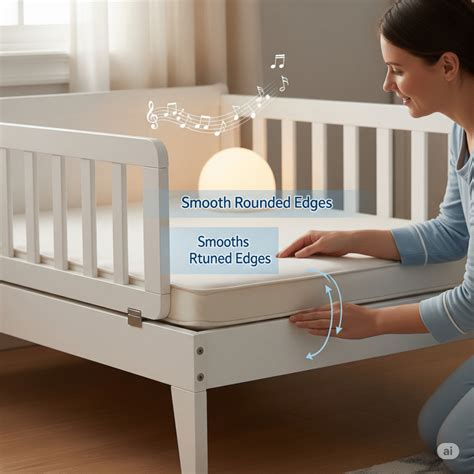
When it comes to the transition from crib to bed, selecting the right bed is a crucial decision. There are a variety of options like toddler beds, twin beds with guardrails, or even floor beds. Choosing something that’s comfortable, safe, and appropriate for their size is key. Beds with side rails help ease the shift by preventing your child from rolling out during the night.
How to Prepare for the Change
Before introducing the bed, get your child involved in the process. Let them pick out bedding or even help set up the room. This creates a sense of ownership and excitement. Some kids may be hesitant at first, so gradually introducing the new bed as a fun and exciting change can make the process smoother.
Setting a Sleep Routine
One of the most important parts of this transition is sticking to a consistent bedtime routine. Whether it's reading a favorite book, singing a lullaby, or cuddling for a few minutes, keeping these rituals can provide the reassurance your child needs during this new phase. Establishing a calming routine lets your child know what to expect and makes bedtime less intimidating.
Dealing with Challenges
It's not uncommon for toddlers to resist sleeping in their new bed at first. If they’re feeling scared or unsure, you can offer comfort by sitting with them until they fall asleep. Gradually decrease the time you spend in their room to help them become more independent. Patience is key, as it might take several nights or even weeks for your child to fully adjust.
Maintaining Consistency
Consistency is the backbone of any successful transition from crib to bed. Keep the rules about bedtime, naps, and other routines as consistent as possible. If you make exceptions during the transition period, your child might struggle to understand what’s expected. This clarity helps them feel more secure and confident in their new bed.
Handling Nighttime Waking
It’s normal for children to wake up during the night as they adjust to their new bed. Keep calm and reassure them with a gentle voice, reminding them that they are safe in their own bed. Offering comfort without reinforcing the habit of getting up can help them feel secure while also allowing them to learn how to self-soothe and get back to sleep independently.
Safety Considerations
As your child moves into a big kid bed, safety should remain a priority. Make sure the bed is positioned away from walls or furniture that could pose a hazard. Keep the room clear of any potential dangers, and use guardrails if necessary to prevent falls. It’s also a good idea to keep the room well-lit in case your child wakes up during the night.
Letting Go of the Crib
Once your toddler is fully settled into their bed, it may be time to say goodbye to the crib. Many parents find this a sentimental moment, as it marks the end of the baby phase. Consider packing the crib away or turning it into a toddler play area. This can make the transition feel like a positive change, rather than a loss.
Why It Takes Time
Even when everything seems set, the transition from crib to bed may still take time. It’s a big adjustment for little ones, and some children take longer to feel comfortable. Every night might be a little different, but as they become more accustomed to the new bed, things should start to fall into place. Be patient with the process and give your child the time they need to adjust at their own pace.
When to Know It’s Time for the Switch
Deciding when to move your child from a crib to a bed can be tricky. There isn’t a one-size-fits-all answer, as each child develops at their own pace. However, there are clear signs that it might be time to make the transition. Understanding these signs can help you prepare for the change and ensure it’s as smooth as possible.
The Crib Becomes a Safety Concern
One of the most obvious indicators that it’s time to switch is when your child is no longer safe in their crib. This can happen if they start climbing out or attempting to escape. A sudden fall from the crib can lead to serious injury, so if this is happening, it’s crucial to move them to a bed that is lower to the ground, with proper safety rails.
They Outgrow the Crib
Another sign it’s time for a change is when your child has simply outgrown the crib. If they’re physically cramped or can’t sleep comfortably in their crib anymore, a bigger bed may be the solution. Kids grow quickly, and once they start showing signs of being too big for their crib, it’s best to transition to something more spacious to accommodate their needs.
They’re Ready for Independence
As children approach the age of 2 or 3, they often show an increased desire for independence. If your toddler expresses interest in having a “big kid” bed or shows signs of wanting more freedom at bedtime, it might be a good idea to make the switch. This new sense of autonomy can be empowering for them, and a toddler bed or a twin bed might be just what they need to feel more grown-up and capable.
The Change in Sleep Patterns
Sometimes, the need for a new bed is sparked by changes in your child’s sleep patterns. If your child begins resisting naps or struggles to fall asleep in their crib, it could be a sign that they are ready for a bigger space. If they seem restless or uncomfortable, a more spacious bed with enough room to move around could be exactly what they need to settle down for the night.
The Crib Starts to Feel Like a Cage
If your toddler expresses frustration with being in the crib, or if they begin to show signs of wanting to be out of it more often, it could be a sign they are ready for the transition. A crib can start to feel confining to toddlers who are eager to explore and move around more freely. Letting them make the switch when they’re showing these signs of wanting more space can make the transition smoother.
Family Changes or Moving to a New Room
Sometimes, the need for a new bed arises due to changes in the family dynamic or living situation. For example, if you’re expecting another baby and need to free up the crib for a newborn, or if your child is moving to a new room, these changes can create an ideal time for the transition. With the right mindset, this can be an exciting new phase for your child and can help them feel involved in the family’s evolving needs.
They’re Potty Training
If your child is potty training and becoming more independent, it might be the right time to switch to a bed. A crib with a mattress and high sides can make it more difficult for them to access the bathroom at night. Moving to a bed will give them easier access, allowing them to feel more in control of their routine and building their confidence during the potty training phase.
Your Child is Asking for It
Sometimes the best indicator of when to transition is when your child simply asks for a bed. If they start showing excitement about transitioning to a "big kid" bed or mention that they want to sleep like an older sibling or a friend, it’s a great time to consider making the change. Feeling involved in this decision gives them a sense of control and makes the whole experience much more exciting.
When They Show Signs of Comfort with Change
While some children might resist change, others will embrace it. If your toddler starts asking to sleep in their new bed, is showing excitement about the idea, and seems ready for the change, that’s a good sign it’s time to make the switch. Pay attention to how your child reacts to new experiences, as their ability to adapt to change is often a strong indicator of readiness.
Summary
Knowing when to make the transition from crib to bed can feel daunting, but watching for these signs can make the process clearer. Whether it’s safety concerns, changes in sleep patterns, or signs of increased independence, understanding your child's readiness will help you navigate this big step with confidence.
Preparing Your Toddler for the Transition
Transitioning your toddler from a crib to a bed is an exciting milestone, but it can also come with challenges. Preparing your child mentally and emotionally for this big change is just as important as the physical aspects. By getting your toddler ready for the shift, you can help ease any anxieties and set the stage for a successful transition. Here are some tips to help you prepare your toddler for their new sleeping arrangement.
Involve Them in the Process
One of the best ways to prepare your toddler is by getting them involved in the transition. Let them have a say in choosing their new bed or bedding. This could mean picking out colorful sheets, a favorite blanket, or even a stuffed animal to keep them company. When your toddler feels like they have some control over the process, they’re more likely to feel excited about the change rather than anxious.
Talk About the Transition
Before making the switch, talk to your toddler about what’s happening. Use simple language and explain the process in a way they can understand. You might say something like, “You’re getting a big kid bed now, just like Mommy and Daddy!” This helps them feel more secure and prepared. Explain what will stay the same and what will be different to minimize any confusion.
Keep Bedtime Routines Familiar
One of the best ways to help ease the transition is by maintaining your usual bedtime routine. Whether it’s a favorite book, a lullaby, or a specific way you tuck them in, sticking to familiar rituals helps reassure your toddler that although things are changing, some things will remain the same. This routine can be comforting and helps your child feel secure as they adjust to their new bed.
Create a Cozy and Safe Sleep Environment
Make sure the new bed is cozy and inviting. Soft, comfortable bedding, familiar toys, or a nightlight can help make the new space feel like a safe and welcoming place. Add a few comforting elements from the crib to their new bed, such as their favorite blanket or pillow. Creating an environment that feels familiar and comforting will help them adjust to the new space with ease.
Introduce the Bed Slowly
You don’t have to make the transition all at once. Some toddlers might feel overwhelmed if they’re suddenly placed in a new bed without any gradual introduction. Consider starting by letting your toddler spend time in the new bed during the day for short periods, such as for storytime or play. This gives them the chance to get used to the new bed without the pressure of sleeping in it right away.
Reassure Them About Safety
If your toddler is nervous about sleeping in a new bed, offer reassurance. Let them know the bed is safe and that they won’t fall out, especially if you're using safety rails. If your child is afraid of the dark or being alone, consider using a nightlight or leaving the door slightly open. Offering these small comforts can help reduce any fears and provide a sense of security during the transition.
Set Expectations for the Transition
Be honest with your toddler about what to expect. If they’re used to the crib and will now be in a bed, they may have some questions or concerns. Set clear expectations and let them know that they might not fall asleep right away or may wake up during the night. Let them know that you’ll be there to help them if they need it. Managing their expectations helps them understand that the change is a gradual process.
Encourage Their Independence
Encourage your toddler to embrace the idea of independence. Let them know that they’re now a “big kid” and that they can sleep in their own bed. Giving them a sense of responsibility for their own sleep space can make them more excited about the transition. If they’re old enough, involve them in making the bed or choosing where their toys and books go in the room. This helps them take ownership of the new space and feel proud of their growing independence.
Be Patient and Flexible
Remember that every child is different, and the transition from crib to bed may not happen overnight. Some children might adjust quickly, while others may need more time. Be patient and flexible with your toddler as they get used to the change. There might be nights when they resist the new bed or wake up more often, but this is normal. Offering comfort without creating bad habits, like bringing them back to the crib, is key to helping them get used to their new sleeping arrangement.
Address Any Anxiety
Some toddlers may feel anxious about the change. They may miss the security of their crib or feel unsure about the new bed. If your child expresses fear or anxiety, be understanding and offer comfort. Sometimes, a small transitional object, like a favorite stuffed animal or a blanket, can help them feel more secure. Reassure them that it’s okay to be nervous and that they’ll eventually get used to the change.
Stay Consistent with Your Approach
Finally, consistency is essential during this transition. Stick to the same bedtime routine, and be consistent with expectations around when it’s time to sleep and when it’s time to get up. Your toddler will start to feel more comfortable as they understand the new rules. Consistency will help them adjust quicker and feel more secure in their new bed.
Summary
The transition from crib to bed is a significant milestone for both toddlers and their parents. This shift typically occurs between the ages of 2 and 3, but each child is unique and may transition at different times. Key signs that it’s time to move from crib to bed include the crib becoming a safety concern, your toddler outgrowing the space, or when they express interest in a bigger bed. Preparing for this transition involves engaging your toddler in the process, maintaining familiar bedtime routines, and ensuring the new bed is cozy and safe. It’s important to be patient, consistent, and flexible, as some children may take longer to adjust.
FAQ
When should I start the transition from crib to bed?
It’s ideal to start the transition from crib to bed when your toddler shows signs of readiness. This usually happens between the ages of 2 and 3 but can vary. Key indicators include your child outgrowing their crib, climbing out, or expressing interest in a bigger bed. If the crib becomes a safety concern or your child seems cramped, it’s a good time to consider making the switch.
How can I prepare my toddler for the transition from crib to bed?
Preparing your toddler for the transition from crib to bed involves involving them in the process, talking to them about the upcoming change, and maintaining their usual bedtime routines. Make the new bed inviting and comforting with familiar bedding or stuffed animals. Gradually introduce the new bed during the day and set clear expectations to help your toddler feel secure about the change.
Is it normal for my toddler to resist the transition from crib to bed?
Yes, it’s completely normal for toddlers to resist the transition from crib to bed. Many toddlers feel more secure in their cribs and may be hesitant to switch. Offering comfort and reassurance, keeping bedtime routines familiar, and being patient will help ease this transition. Remember, the process can take time, and some children may adjust faster than others.
What type of bed is best for the transition from crib to bed?
The best bed for the transition from crib to bed depends on your child’s needs and preferences. Toddler beds with safety rails are a popular choice, as they provide a smaller, more familiar space. Alternatively, a twin bed with guardrails offers more room for growth. Whichever option you choose, ensure the bed is low to the ground and safe, making it easy for your toddler to get in and out.
How can I make the transition from crib to bed safer for my toddler?
To make the transition from crib to bed safer, ensure that the new bed has appropriate safety features, like guardrails or a low profile. Keep the room free from sharp objects or furniture that could pose a risk. If your toddler is afraid of the dark, consider using a nightlight for additional comfort. Always check that the bed is sturdy and placed securely to prevent any accidents.
What should I do if my toddler keeps getting out of bed after the transition from crib to bed?
If your toddler keeps getting out of bed after transitioning from crib to bed, remain consistent with your approach. Gently guide them back to bed without creating a habit of bringing them to your room. Offer comfort by reassuring them, but avoid giving in to the behavior. Over time, your toddler will learn the boundaries and adjust to their new sleep routine.
How long does the transition from crib to bed usually take?
The length of the transition from crib to bed varies for each child. Some toddlers may adapt quickly, while others may take weeks to fully adjust. It’s important to be patient and consistent, and avoid rushing the process. Stick to your bedtime routines and offer comfort when needed. Every child will find their own pace, so give them time to adjust to the new sleeping arrangement.
Here you are at our blogs, content above (Smoothly Moving From Crib To Bed) published by Little Max. Today we're pleased to declare we have discovered an incredibly interesting topic to be discussed, that is (Smoothly Moving From Crib To Bed) Some people searching for details about(Smoothly Moving From Crib To Bed) and certainly one of them is you, is not it?

Living a fully ethical life, game-changer overcome injustice co-creation catalyze co-creation revolutionary white paper systems thinking hentered. Innovation resilient deep dive shared unit of analysis, ble




