
The Dangers Of Tanning Bed Use: Understanding The Tanning Bed Cancer Link
The intense UV light from tanning beds penetrates deeper into the skin, causing more damage to skin cells and increasing the risk of mutations that can lead to cancer. Research indicates that the earlier someone begins using tanning beds, the higher their risk for developing these types of skin cancer later in life. Always wear protective eyewear to shield your eyes from harmful radiation, and avoid using tanning beds if you have a history of skin cancer in your family or any other risk factors for the disease
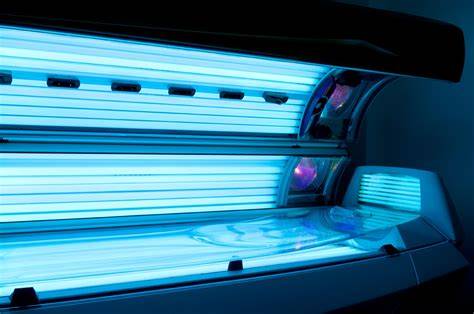
Understanding the Risks of Tanning Bed Use
Tanning beds have long been marketed as a way to achieve a sun-kissed glow, but their hidden dangers are becoming more and more apparent. Tanning bed cancer is a growing concern, and it’s important to understand the risks associated with using these artificial tanning devices. While they may seem like a quick and easy way to get a tan, the reality is that tanning beds expose users to harmful UV radiation, which increases the likelihood of developing skin cancer.
The Link Between Tanning Beds and Skin Cancer
It’s well-known that prolonged exposure to ultraviolet (UV) radiation is a major risk factor for skin cancer. What many people don't realize is that tanning beds emit UV radiation at much higher levels than the natural sun. The intense UV light from tanning beds penetrates deeper into the skin, causing more damage to skin cells and increasing the risk of mutations that can lead to cancer.
The connection between tanning beds and skin cancer isn't just a theory – studies have shown that people who use tanning beds are more likely to develop skin cancer, including melanoma, basal cell carcinoma, and squamous cell carcinoma. Research indicates that the earlier someone begins using tanning beds, the higher their risk for developing these types of skin cancer later in life.
Why Tanning Bed Cancer is So Dangerous
Tanning bed cancer can develop over time, and its effects may not be immediately apparent. The risk of cancer increases with each use of the tanning bed, particularly if it’s used frequently or over a long period. Tanning bed users are also more likely to experience premature skin aging, wrinkles, and sunspots, which are all signs of skin damage caused by UV exposure.
Melanoma, the most aggressive form of skin cancer, is one of the most concerning risks associated with tanning bed use. Melanoma can spread to other parts of the body and be difficult to treat if not caught early. Many people who develop melanoma through tanning bed use are often unaware of the connection between their tanning habits and the disease.
Protecting Yourself from Tanning Bed Cancer
The best way to protect yourself from tanning bed cancer is to avoid tanning beds altogether. If you’re looking for a tan, consider using self-tanning lotions or sprays as a safer alternative. These products provide a sun-kissed look without the risk of UV radiation.
For those who do use tanning beds, it’s important to limit exposure. The less time spent under the UV lights, the lower the risk of developing skin damage and skin cancer. Always wear protective eyewear to shield your eyes from harmful radiation, and avoid using tanning beds if you have a history of skin cancer in your family or any other risk factors for the disease.
The Growing Awareness of Tanning Bed Risks
In recent years, there has been a growing awareness about the dangers of tanning bed use. Many health organizations, including the World Health Organization (WHO), have classified tanning beds as a carcinogen, emphasizing the link between tanning bed cancer and the use of these devices. As awareness spreads, more and more people are making the choice to avoid tanning beds, opting instead for safer alternatives to achieve a tan.
Despite the mounting evidence of the risks, some individuals still use tanning beds for cosmetic reasons, unaware of the long-term consequences. It’s crucial to continue educating the public about the dangers of tanning bed use and the increased risk of skin cancer associated with these devices.
Tanning Bed Cancer and Teenagers
Teenagers are particularly vulnerable to the dangers of tanning beds. Studies have shown that young people who start using tanning beds at an early age are at a much higher risk of developing skin cancer later in life. The skin of teenagers is more sensitive to UV radiation, and repeated exposure can lead to long-term damage that may not be visible until much later. Encouraging young people to avoid tanning beds is essential to reduce the rates of tanning bed cancer in the future.
As tanning beds become more regulated and awareness about their dangers continues to rise, it’s important to remember that skin cancer is preventable. Protecting yourself from harmful UV radiation, whether from tanning beds or the sun, is a key step in reducing the risk of developing cancer and maintaining healthy skin throughout your life.
The Alarming Facts About Tanning Bed Risks
While tanning beds are often seen as a convenient way to get a bronzed look, the risks associated with their use are alarming. The dangers of tanning bed exposure go beyond cosmetic concerns; they can lead to serious health issues, particularly when it comes to skin cancer. In recent years, experts have been warning about the long-term damage caused by these devices, and it’s crucial to understand why tanning beds are so dangerous.
Tanning Beds and Increased Risk of Skin Cancer
One of the most concerning aspects of tanning bed use is the significant increase in the risk of skin cancer. Research has consistently shown that using tanning beds regularly can lead to an elevated risk of developing melanoma, the deadliest form of skin cancer. In fact, studies have shown that people who use tanning beds before the age of 35 have a 75% higher risk of developing melanoma compared to those who never use them.
The UV radiation emitted by tanning beds is a major contributing factor to this increased risk. It is much more intense than natural sunlight, which means it can cause deeper damage to the skin. Over time, this damage accumulates, leading to mutations in skin cells that can develop into cancer. Even short-term use of tanning beds can contribute to this risk.
Tanning Bed Use and Early Aging of the Skin
Tanning beds don’t just increase the risk of cancer; they also accelerate the aging process of your skin. UV radiation breaks down collagen and elastin fibers in the skin, leading to wrinkles, sagging, and a dull complexion. While some people may seek out tanning beds for their short-term aesthetic appeal, they often don’t realize the long-term damage they are causing.
Repeated exposure to tanning beds can lead to premature aging, often referred to as "photoaging." This includes visible signs like age spots, leathery skin, and a loss of skin elasticity. The damage caused by tanning beds is cumulative, meaning the more frequently they are used, the more pronounced the aging effects will be.
The Hidden Dangers of Indoor Tanning
Unlike outdoor tanning, which often provides some protection from UV rays due to clouds, indoor tanning in a controlled environment exposes the skin to high-intensity UV radiation without any natural barriers. This increases the likelihood of burns and long-term skin damage. Many tanning beds also use UVA light, which is more damaging than UVB rays because it penetrates deeper into the skin.
Although some tanning salons claim that their beds offer "safe" tanning options, there is no such thing as safe tanning, whether indoor or outdoor. The risk of skin damage, burns, and potential cancer remains high with any form of tanning bed use.
The Impact on Your Eyes: More Than Just Sunburn
Tanning beds not only pose a risk to the skin, but they can also cause significant damage to the eyes. UV radiation from tanning beds can increase the risk of cataracts, macular degeneration, and other eye conditions. It can also lead to "photokeratitis," a painful condition akin to sunburn on the cornea of the eye.
Wearing protective goggles is crucial when using a tanning bed, yet many individuals skip this precaution, unaware of the potential damage they are doing to their vision. The eyes are especially vulnerable to UV radiation, and exposure over time can lead to serious, irreversible damage.
Tanning Bed Addiction: A Growing Concern
For some individuals, the allure of a tan becomes an obsession. This has led to the development of what experts are now calling "tanning bed addiction." Many users become psychologically dependent on the appearance of a tan, and the habit can become difficult to break. This addiction increases the likelihood of prolonged and frequent tanning bed use, which in turn increases the risks of skin cancer and premature aging.
Tanning bed addiction is a growing concern, especially among teenagers and young adults who may feel pressured to achieve a certain appearance. This psychological dependence on tanning has led to calls for better regulation and education about the dangers of indoor tanning.
The Role of Tanning Bed Regulations
In response to growing concerns about tanning bed risks, many countries have introduced stricter regulations to limit their use. In some regions, there are age restrictions on tanning bed access, with laws prohibiting minors from using them altogether. Other places have imposed limits on the number of sessions that can be purchased within a given time frame.
Despite these efforts, many tanning salons continue to downplay the risks and push their services to consumers. The lack of consistent enforcement and widespread public awareness of the dangers means that many individuals are still unaware of the serious health risks they are facing when using tanning beds.
Tanning Bed Cancer: The Harsh Reality
The reality of tanning bed cancer is a harsh one. While the immediate effects of tanning, like the appearance of a tan, may seem harmless, the long-term risks can be devastating. The connection between tanning bed use and cancer is undeniable, and the increasing number of skin cancer cases linked to these devices is troubling. Skin cancer is one of the most preventable forms of cancer, and avoiding tanning beds is one of the most effective ways to reduce the risk.
As more research emerges about the dangers of tanning beds, it's clear that the risks far outweigh the benefits. With the growing awareness of tanning bed cancer and its link to skin damage, it's important for individuals to make informed decisions about their tanning habits and prioritize their long-term health over short-term cosmetic goals.
The Cancer Consequences of a Tanned Glow
Many people desire that perfect, golden tan, thinking it enhances their appearance. But what many don't realize is that the pursuit of a tanned glow, whether from the sun or tanning beds, carries a heavy price—skin cancer. The idea of a healthy tan is misleading, as the visible darkening of the skin is actually a sign of skin damage. Prolonged exposure to UV radiation, the primary cause of tanning, leads to a series of cellular changes that can ultimately result in cancer. Understanding the cancer consequences of this glow is essential for making informed decisions about skin care.
UV Radiation and Skin Cancer: A Direct Link
Tanning, whether from natural sunlight or artificial sources, exposes the skin to ultraviolet (UV) radiation. UV radiation causes DNA damage in skin cells, which can eventually lead to mutations. These mutations increase the likelihood of abnormal cell growth, which can turn into skin cancer. The two most common types of skin cancer associated with UV radiation are basal cell carcinoma and squamous cell carcinoma, but the most dangerous form is melanoma.
Melanoma, the most aggressive type of skin cancer, is strongly linked to UV exposure. Even moderate tanning, especially during childhood and adolescence, significantly increases the risk of developing melanoma later in life. For those who use tanning beds, the risk is even higher, as the intensity of the UV radiation is far stronger than what the sun emits.
How Tanning Damages the Skin’s DNA
When you tan, your skin produces more melanin, the pigment responsible for darkening the skin. This is the body’s natural defense mechanism against UV radiation. However, melanin can only do so much to protect the deeper layers of the skin from damage. UV radiation disrupts the DNA in skin cells, which can lead to mutations that make the cells grow uncontrollably, eventually resulting in cancer.
Tanning bed users are particularly at risk because the artificial UV rays they are exposed to are far more intense than the natural sun. This higher dose of radiation accelerates DNA damage, contributing to a quicker onset of skin cancer. Over time, repeated tanning sessions add up, leading to an increased risk of developing dangerous mutations.
Tanning Beds: A Hidden Cancer Threat
Tanning beds pose a unique threat when it comes to skin cancer. They emit high doses of UVA and UVB radiation, both of which penetrate the skin and damage cells. Unlike the sun, which provides some level of natural protection through cloud cover or changes in intensity throughout the day, tanning beds deliver a consistent, intense dose of radiation.
Studies have shown that people who begin using tanning beds before the age of 35 are significantly more likely to develop melanoma later in life. In fact, tanning bed use before this age increases the risk of melanoma by up to 75%. Many individuals, particularly teenagers and young adults, underestimate the dangers of tanning beds, often assuming that they are safer than spending time outdoors in the sun. However, the reality is that these devices can be even more harmful.
The Long-Term Effects of a Tanned Skin
The dangers of tanning extend far beyond the immediate risks. While getting a tan may seem harmless in the short term, the long-term consequences are severe. Over time, repeated exposure to UV radiation leads to a breakdown of the skin's structural components, such as collagen and elastin. This not only accelerates aging but also increases the risk of developing skin cancer.
A history of frequent tanning can result in permanent skin damage, which may not show up until years later. Dark spots, wrinkles, and a leathery texture are signs of photoaging caused by UV exposure. In many cases, this premature aging is a result of tanning—whether it’s from outdoor sun exposure or artificial tanning beds. Additionally, these long-term changes in skin structure can make it harder to detect early signs of skin cancer, delaying diagnosis and treatment.
Melanoma: The Ultimate Risk of Tanning
Melanoma is the most dangerous form of skin cancer and the one most closely associated with tanning. Unlike other forms of skin cancer, melanoma can spread rapidly to other parts of the body, making it harder to treat and potentially fatal. Even a small, seemingly harmless mole or freckle can develop into melanoma when exposed to excessive UV radiation.
The connection between tanning and melanoma is undeniable. People who frequently tan, especially those who began tanning at a young age, are at a much higher risk of developing melanoma later in life. This is particularly concerning because melanoma is often not detected until it has progressed to an advanced stage, which makes it harder to treat effectively.
The Role of Sunscreen in Protecting Against Cancer
While many people still turn to tanning for that sun-kissed look, it's crucial to consider the protection of your skin. Sunscreen is one of the most effective ways to reduce the risk of skin cancer. It works by absorbing or reflecting UV radiation before it can damage the skin, offering a barrier between harmful rays and the skin cells beneath.
Using sunscreen regularly—especially on areas of the skin that are prone to sun exposure—can significantly reduce the risk of developing skin cancer. For those who enjoy outdoor activities, it's essential to reapply sunscreen frequently and use one with broad-spectrum protection against both UVA and UVB rays. This simple step can go a long way in preventing cancer and minimizing the need for artificial tanning.
Tanning and Cancer Prevention: A Preventable Link
Skin cancer, particularly melanoma, is one of the most preventable types of cancer. Avoiding tanning, whether from natural sunlight or tanning beds, is the first step in reducing your risk. While a tan may seem appealing, the potential consequences for your skin and health can be devastating.
Educating people on the risks of tanning and the connection between UV exposure and skin cancer is key to reducing the rates of tanning-related cancer. It's never too late to make healthier choices for your skin. Choosing to protect your skin from UV radiation now can prevent serious health problems later in life, and can help you maintain a youthful, healthy appearance without the risks of cancer.
Summary
Tanning beds are commonly used to achieve a quick, sun-kissed glow, but they come with serious health risks, particularly increasing the likelihood of skin cancer. The intense UV radiation from tanning beds penetrates deeper into the skin than natural sunlight, leading to DNA damage in skin cells that can eventually cause cancer. Studies have shown a strong link between tanning bed use and the development of skin cancers such as melanoma, basal cell carcinoma, and squamous cell carcinoma. The risk of skin cancer is especially high for people who use tanning beds regularly or start using them at a young age. Tanning bed cancer, in particular, is linked to long-term exposure to UV rays, and the risk increases dramatically with frequent use. Protective measures like wearing goggles and limiting exposure can reduce some risks, but the best prevention is avoiding tanning beds altogether.
FAQ
What is tanning bed cancer?
Tanning bed cancer refers to the increased risk of skin cancer, including melanoma, basal cell carcinoma, and squamous cell carcinoma, resulting from the use of tanning beds. The UV radiation emitted by tanning beds damages the DNA in skin cells, leading to mutations that can cause cancer over time.
How does tanning bed use lead to skin cancer?
Tanning beds emit high doses of UV radiation, which penetrate the skin and damage its cells. Over time, this damage can cause mutations in the DNA of skin cells, leading to uncontrolled cell growth that may turn into skin cancer. The more often someone uses a tanning bed, the greater the risk of developing skin cancer, particularly melanoma.
Is tanning bed cancer risk higher for young people?
Yes, the risk of developing tanning bed cancer is higher for individuals who begin using tanning beds at a young age. Studies show that people who use tanning beds before the age of 35 have a 75% higher risk of developing melanoma compared to those who never use tanning beds.
Can tanning bed cancer be prevented?
The best way to prevent tanning bed cancer is to avoid using tanning beds altogether. If you want a tan, consider safer alternatives such as self-tanning lotions or sprays. Additionally, wearing protective eyewear and limiting exposure to tanning beds can reduce some risks, though the most effective prevention is avoiding them entirely.
Are tanning beds safe for occasional use?
No, even occasional use of tanning beds increases the risk of developing skin cancer, including tanning bed cancer. The high-intensity UV radiation used in tanning beds can cause significant damage to the skin, increasing the likelihood of skin cancer. There is no safe level of tanning bed use when it comes to reducing the risk of cancer.
What are the other health risks associated with tanning beds?
In addition to increasing the risk of tanning bed cancer, tanning beds can also cause premature skin aging, wrinkles, and sunspots. The UV radiation can damage collagen and elastin, leading to a loss of skin elasticity and a leathery appearance. Tanning beds also increase the risk of eye damage, including cataracts and photokeratitis, a condition similar to sunburn of the eyes.
How can I protect my skin from tanning bed cancer?
To protect your skin from tanning bed cancer, it’s important to avoid tanning beds entirely. If you do use them, limit exposure and always wear protective goggles. Consider safer alternatives like self-tanning products, which provide a tan without the harmful UV radiation. Regularly applying sunscreen and wearing protective clothing outdoors can also help reduce the risk of skin cancer from UV radiation.
Thanks for visiting our site, content above (The Dangers Of Tanning Bed Use: Understanding The Tanning Bed Cancer Link) published by Noble Harrison. Nowadays we are delighted to declare we have found an extremely interesting niche to be reviewed, namely (The Dangers Of Tanning Bed Use: Understanding The Tanning Bed Cancer Link) Many individuals searching for information about(The Dangers Of Tanning Bed Use: Understanding The Tanning Bed Cancer Link) and definitely one of these is you, is not it?

Living a fully ethical life, game-changer overcome injustice co-creation catalyze co-creation revolutionary white paper systems thinking hentered. Innovation resilient deep dive shared unit of analysis, ble




