
Choosing The Perfect Stairs For Your Loft Bed
These clever designs use less floor space than straight stairs by turning a corner. Straight stairs require considerable space, while L-shaped or spiral stairs offer space-saving alternatives. There are several types of stairs for loft beds, each with its own advantages and disadvantages: For young children, straight stairs or L-shaped stairs are generally safer than spiral stairs
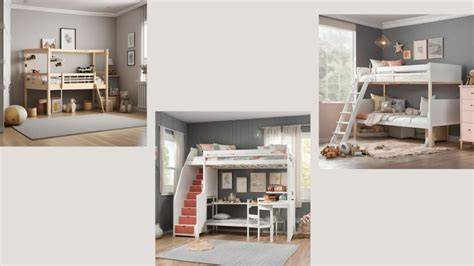
Choosing the Perfect Stairs for Your Loft Bed
Safety First: Considering Your Needs
Loft beds are awesome space savers, but the stairs are crucial. Think about who'll be using them—kids, adults, or a mix? Little ones need extra safety features, perhaps a handrail and wider steps. Adults might prefer a steeper, more compact design to save floor space. Consider the overall height of your loft bed too—taller beds will demand sturdier, better-engineered stairs.
Types of Loft Bed Stairs: A Quick Overview
There's a surprising variety. Straight stairs are simple, but need more room. Spiral staircases are space-saving, offering a neat, modern look, yet they can feel a little less secure for younger children. L-shaped stairs offer a compromise: they're compact while still being relatively easy to navigate. Consider your available space carefully when making this choice; a detailed sketch can be really helpful.
Straight Stairs: The Classic Choice
Straight stairs are easy to build and use. They're great for larger rooms where space isn't a premium. The simplicity translates to easier installation too—a definite plus for DIY enthusiasts. However, ensure you have ample floor space to accommodate their length.
L-Shaped Stairs: Space-Saving Elegance
These clever designs use less floor space than straight stairs by turning a corner. They offer a balance between space-saving and safe climbing, especially useful in smaller bedrooms. The corner design is visually appealing, contributing to a more sophisticated bedroom style.
Spiral Stairs: Space-Saving Whirlwind
Spiral stairs are compact, ideal for tight spaces. However, they may not be the safest option for young children or those with balance issues. They're quite dramatic visually, often adding a modern and stylish touch to any loft bed arrangement. Think carefully about the ascent and descent—the circular motion can be a bit disorienting.
Materials Matter: Durability and Aesthetics
The material significantly impacts the look and longevity of your loft bed stairs. Wood is a popular choice—it's strong, durable, and looks great. Metal stairs offer a more industrial feel, whilst being highly robust. Think about the overall style of your room when deciding; wooden stairs blend better with traditional décor, whereas metallic ones better suit more contemporary styles.
Wood: Classic Charm and Strength
Wooden stairs offer a warm and inviting look, blending well with most décor. Hardwoods, like oak or maple, are exceptionally durable, standing up to years of use. They can also be customized with different finishes for a personalized touch.
Metal: Modernity and Robustness
Metal stairs, often made of steel or aluminum, are very strong and long-lasting. They usually require less maintenance than wood and have a sleek, modern appearance that complements contemporary styles. However, consider the potential for noise—metal stairs can be quite noisy.
Installation and Safety Features: Beyond the Basics
Consider whether you'll be doing the installation yourself. Some designs are easier to assemble than others. Always include safety features, like sturdy handrails and non-slip treads, particularly crucial for kids' loft beds. Check local building codes; they can vary, and safety is paramount. Regularly inspect the stairs for any signs of wear and tear, ensuring continued safety.
Designing Functional and Stylish Loft Bed Stairs
Prioritizing Safety and Functionality in Loft Bed Stair Design
The design of your loft bed stairs is paramount, impacting both the aesthetics and safety of your space. A poorly designed staircase can compromise safety, making the loft bed a hazard. Conversely, a thoughtfully designed staircase enhances the room's overall appeal.
Assessing Your Space and Needs
Before embarking on the design process, carefully assess the available space and the specific needs of your household. Measure the area thoroughly, taking note of any obstacles or constraints. Consider the age and mobility of the individuals who will be using the stairs. Children will require wider, shallower steps and robust handrails, while adults may prefer a more compact design.
Selecting the Right Stair Type
The choice of stair type significantly impacts both functionality and aesthetics. Straight stairs are straightforward but require more floor space. L-shaped stairs offer a compromise, conserving space while maintaining ease of use. Spiral staircases are the most space-efficient, but can be less safe for young children or those with mobility issues.
Straight Stairs: Classic and Practical
Straight stairs provide a simple, easy-to-navigate solution, perfect for larger rooms with ample floor space. Their design facilitates straightforward construction and installation, often making them a cost-effective option.
L-Shaped Stairs: Optimizing Space and Functionality
L-shaped stairs are an excellent solution for rooms with limited floor space. They cleverly combine the safety and ease of use of straight stairs with the space-saving features of a more complex design.
Spiral Stairs: Space-Saving Elegance
Spiral stairs offer a significant space advantage, ideal for small rooms. Their design, however, requires careful consideration regarding safety; they are not ideal for young children or individuals with mobility limitations.
Elevating Aesthetics with Material Selection and Design Details
The materials used in the construction of your loft bed stairs not only influence their durability but also contribute significantly to the overall aesthetic of your room.
The Allure of Wood: Natural Beauty and Durability
Wood offers a timeless and versatile option, blending seamlessly with various interior design styles. Hardwoods, known for their durability and rich tones, are particularly well-suited for loft bed stairs. The natural grain and warmth of wood create a welcoming atmosphere.
The Modern Appeal of Metal: Strength and Style
Metal stairs, often crafted from steel or aluminum, offer superior strength and durability, while boasting a clean, modern aesthetic. They require minimal maintenance and can be powder-coated in a variety of colors, allowing for complete customization.
Incorporating Design Details for a Polished Look
Intricate details can transform ordinary stairs into stunning design features. Consider adding custom handrails, stylish balusters, or unique tread designs to reflect your personal style and complement your room’s décor.
Ensuring Safety: Essential Considerations and Features
Safety should be the top priority when designing loft bed stairs.
Handrails and Balusters: Essential Safety Features
Robust handrails are crucial, especially for children and older individuals. Regularly spaced balusters prevent accidental falls, adding a layer of security.
Tread Design and Non-Slip Surfaces
Ensuring secure footing is essential; opt for treads with a non-slip surface to prevent accidents. Wider treads provide more stability, particularly for children.
Regular Inspection and Maintenance: A Necessary Step
Regularly inspect your loft bed stairs for any signs of wear and tear or damage. Addressing minor issues promptly prevents larger problems from developing and ensuring ongoing safety.
How to Select the Right Stairs for Safety and Comfort
Understanding Your Needs and Space Constraints
Before diving into the specifics of stair design, a careful assessment of your needs and available space is critical. This involves more than just measuring the area; it's about understanding who will be using the stairs and their individual needs.
Who Will Be Using the Stairs?
The age and physical capabilities of the users are paramount. Young children require wider, shallower steps and sturdy handrails to ensure safe ascent and descent. Adults may have different preferences regarding step steepness and overall design. Consider the mobility of all users to design appropriately.
Available Space and Room Layout
Measure the area meticulously, accounting for not only the space directly under the loft bed but also the surrounding area. Straight stairs require considerable space, while L-shaped or spiral stairs offer space-saving alternatives. Consider the flow of traffic in the room to avoid creating bottlenecks.
Choosing the Right Stair Type: Balancing Safety and Aesthetics
Several stair types cater to different space constraints and aesthetic preferences.
Straight Stairs: Simplicity and Safety
Straight stairs are the most straightforward option, offering a simple and safe design. They're easy to navigate and provide a sense of security, particularly beneficial for young children. However, they often require significant floor space, which might not be feasible in smaller rooms.
L-Shaped Stairs: A Compromise of Space and Safety
L-shaped stairs offer a good compromise between space efficiency and safety. By turning a corner, they reduce the overall footprint while still maintaining a relatively comfortable incline. They are suitable for spaces where straight stairs aren't practical.
Spiral Stairs: Space Saving but with Caveats
Spiral staircases are the most space-efficient option, ideal for small rooms. However, they can be more challenging to navigate, particularly for children or individuals with mobility issues. Safety is a critical concern; consider the steepness of the ascent and descent.
Material Selection: Durability and Style
The material of your loft bed stairs significantly affects both their longevity and aesthetic appeal.
Wood: Warmth, Durability, and Versatility
Wood provides a classic look, fitting well in various room styles. Hardwoods like oak or maple offer superior durability, withstanding years of use. The natural warmth adds a homely touch to any bedroom.
Metal: Modern Aesthetics and Robustness
Metal stairs, often made of steel or aluminum, are exceptionally durable and require minimal maintenance. They offer a contemporary aesthetic, often complementing modern interior design schemes. However, consider potential noise issues.
Essential Safety Features: Preventing Accidents
Regardless of stair type and material, safety must always be a priority.
Handrails: Providing Secure Grip and Balance
Secure handrails are non-negotiable, especially for children and elderly users. Robust, well-placed handrails are essential for maintaining balance and preventing falls.
Tread Design: Optimizing Stability and Traction
Treads should be adequately sized to prevent slips and falls. Wider treads offer better stability, particularly for children. Consider using non-slip materials or treatments to enhance traction.
Regular Maintenance: Ensuring Ongoing Safety
Regular inspections are essential for identifying and addressing any potential safety hazards. Tighten any loose screws or bolts, replace worn treads, and maintain the structural integrity of the stairs to ensure continuous safety.
Innovative Loft Bed Stair Solutions for Small Spaces
Maximizing Space with Clever Stair Designs
Limited space shouldn't compromise the functionality or safety of your loft bed. Several innovative stair designs are specifically tailored to maximize space efficiency in smaller rooms. These designs prioritize both safety and aesthetics, offering stylish solutions for compact bedrooms.
Space-Saving Staircase Designs
Straight staircases, while simple and safe, often consume valuable floor space. Alternative designs offer a practical solution for smaller rooms. These include L-shaped, U-shaped, and spiral staircases, all designed to minimize their footprint while maintaining easy accessibility to the loft bed.
L-Shaped Stairs: Efficient Corner Utilization
L-shaped staircases cleverly utilize corner space, reducing the overall footprint compared to straight staircases. They maintain a relatively comfortable incline and are generally easier to navigate than spiral staircases. The design allows for a more seamless integration into the room's layout.
U-Shaped Stairs: A More Gentle Ascent
For even greater space efficiency, U-shaped staircases offer a gentler ascent and descent. This design makes the stairs particularly suitable for children or individuals with mobility concerns.
Spiral Staircases: Minimal Space Requirements
Spiral staircases offer the most space-saving option, perfect for extremely compact rooms. Their compact design, however, requires careful consideration of safety and ease of use. A wider staircase might be preferred for families with young children.
Incorporating Drawers and Storage for Multi-Functional Design
Many innovative loft bed designs incorporate integrated storage solutions, optimizing space usage. This can transform a simple staircase into a multi-functional element.
Under-Stair Storage: Maximizing Vertical Space
Under-stair storage offers a practical solution for maximizing vertical space often left unused. Drawers or shelves can easily be built into the structure of the staircase, providing ample storage for books, toys, or clothing, enhancing the room's functionality.
Drawers Integrated into Stair Treads
More sophisticated designs seamlessly integrate drawers directly into the stair treads themselves. This innovative design allows for hidden storage without compromising the aesthetic appeal or functionality of the staircase. This requires specialized construction but offers significant storage capacity.
Materials and Aesthetics for Small Spaces
The choice of materials significantly impacts the overall look and feel of your loft bed and its staircase. Opting for lighter colors and sleek designs can further enhance the sense of spaciousness in smaller rooms.
Light Colors and Minimalist Designs
Light-colored wood or painted finishes can make a small room feel more open and airy. Keeping the design minimalist, avoiding bulky or ornate details, can significantly enhance the visual spaciousness. This allows for more light and creates a less cluttered ambiance.
Using Mirrors to Create an Illusion of Space
Strategically placed mirrors near the staircase can create the illusion of more space. Reflecting light and visually expanding the room's dimensions contributes to a more open and less claustrophobic feel.
Safety Remains Paramount in Space-Saving Designs
Even with space-saving designs, safety should never be compromised. Ensuring robust handrails, non-slip surfaces, and adequate spacing between steps are crucial irrespective of the staircase type. Prioritize safety features to mitigate potential risks, creating a secure and comfortable environment.
Summary of "Choosing the Perfect Stairs for Your Loft Bed"
This article comprehensively guides readers through the process of selecting the ideal stairs for their loft bed, emphasizing safety and functionality. It explores various stair types – straight, L-shaped, and spiral – analyzing their suitability based on space constraints and user needs (children vs. adults). Material choices (wood vs. metal) are discussed in detail, considering both durability and aesthetic appeal. The article further emphasizes the importance of safety features like handrails and non-slip treads, providing practical advice for installation and maintenance. Ultimately, it aims to help readers choose stairs for loft bed that are both safe and aesthetically pleasing, tailored to their specific needs and available space.
FAQ: Choosing the Perfect Stairs for Your Loft Bed
What are the different types of stairs for loft beds?
There are several types of stairs for loft beds, each with its own advantages and disadvantages:
- Straight stairs: Simple, safe, but require significant floor space.
- L-shaped stairs: Space-saving, offering a compromise between space and ease of use.
- Spiral stairs: Most compact option, but can be less safe for young children or those with mobility issues.
Which type of stairs is best for young children?
For young children, straight stairs or L-shaped stairs are generally safer than spiral stairs. Wider treads and robust handrails are crucial for added safety and stability.
What materials are commonly used for loft bed stairs?
Wood and metal are the most common materials. Wood offers a warm, classic look and good durability. Metal is strong, low-maintenance, and offers a modern aesthetic. The choice often depends on personal preference and the overall room décor.
How much space do I need for different types of stairs for loft bed?
Space requirements vary greatly:
- Straight stairs: Require the most floor space. Measure the length and width carefully.
- L-shaped stairs: Significantly more space-efficient than straight stairs.
- Spiral stairs: The most compact option, ideal for small rooms.
Are there safety regulations I need to consider when installing stairs for loft bed?
Yes, always check local building codes and safety regulations before installation. These regulations often specify minimum handrail heights, tread dimensions, and other safety features crucial for preventing accidents.
How can I ensure the stairs for my loft bed are safe?
Prioritize safety features such as sturdy handrails, non-slip treads, and properly spaced balusters. Regular inspection and maintenance are also vital to ensure the stairs remain safe and stable over time.
Can I install the stairs for my loft bed myself?
The feasibility of self-installation depends on the complexity of the stair design and your DIY skills. Simpler straight stairs might be manageable for experienced DIYers, but more complex designs may require professional installation to ensure safety and structural integrity. Always carefully review the instructions before starting any installation.
Here you are at our website, content above (Choosing The Perfect Stairs For Your Loft Bed) published by Leonard Luca. Nowadays we're excited to announce that we have discovered an incredibly interesting topic to be reviewed, that is (Choosing The Perfect Stairs For Your Loft Bed) Some people attempting to find info about(Choosing The Perfect Stairs For Your Loft Bed) and definitely one of them is you, is not it?

Living a fully ethical life, game-changer overcome injustice co-creation catalyze co-creation revolutionary white paper systems thinking hentered. Innovation resilient deep dive shared unit of analysis, ble




