
The Hidden Danger Of Small Bed Bugs
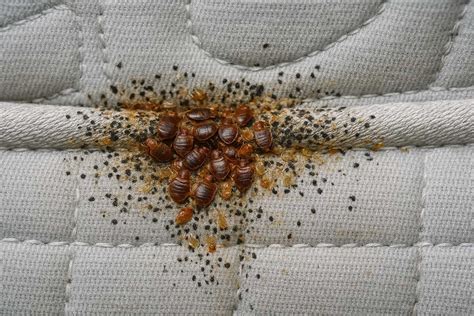
The Hidden Danger of Small Bed Bugs
The usual image of a bed bug might be a reddish-brown, apple seed-sized critter. But, what about their younger counterparts? These nymphs, often barely visible to the naked eye, pose a considerable threat often underestimated.
The Size Deception
These smaller versions, the small bed bugs, aren't just less mature; they're harder to spot. They're translucent or light tan, making them blend seamlessly into mattresses, bedding, and even wallpaper seams. This camouflage contributes significantly to their ability to infest homes. Locating them requires a closer, more thorough inspection.
Bites: Just as Irritating
Don't think their size makes their bites less severe. Small bed bugs still need blood to grow. Their bites can cause just as much itching and skin irritation as those from adults. You might find yourself waking up with clusters or lines of itchy red welts, unaware of their tiny attackers. The body's reaction is the same, regardless of the bug's size.
Rapid Development
Small bed bugs don’t stay small long. They go through several nymph stages, shedding their skin each time, before reaching adulthood. This life cycle speeds up in warmer conditions, and suddenly a few nearly invisible bugs can become an infestation of larger, easily detectable bed bugs. This process can happen quickly if left unchecked, making early intervention crucial.
Why They're Harder to Control
Their size makes them expert hiders. They can squeeze into the smallest cracks and crevices, making traditional treatments less effective. Many DIY options might miss these well-hidden youngsters, causing the problem to quickly re-emerge. This is why professional pest control is often needed.
Preventing the Issue
Prevention is always better than dealing with an infestation. When traveling, check luggage and clothing carefully for signs of bed bugs. Consider encasing mattresses and box springs in protective covers, denying these small bed bugs easy hiding places. Being vigilant and acting quickly if you see even just one can save significant future headaches.
Understanding the Tiny Terror of Small Bed Bugs
Identifying the Miniature Menace
Small bed bugs, often overlooked due to their minuscule size, pose a significant threat. Differentiating them from other similar insects is crucial for effective treatment. Their flat, oval shape and reddish-brown hue are key identifiers, though they appear nearly translucent when very young. Distinguishing them from other pests can be tricky, requiring careful observation and potentially professional assistance.
The Stealthy Nature of Small Bed Bugs
These tiny creatures are masters of concealment, often hiding in crevices and seams within mattresses, box springs, and furniture. Their small size allows them to slip into the tiniest of spaces, making them difficult to detect. This stealthy nature often delays detection, allowing infestations to grow unchecked.
The Subtle Signs of a Small Bed Bug Infestation
Early signs of a small bed bug infestation can be subtle and easily misinterpreted. Look for tiny dark spots on bedding, which may be dried blood from feeding. Small bites on the skin, often in a line or cluster, also indicate infestation. However, allergic reactions to bed bug bites may also cause similar symptoms and further investigation is essential.
Dealing with the Challenge of Small Bed Bugs
The small size of small bed bugs necessitates a thorough approach to treatment. Conventional methods may not eliminate the problem effectively due to their ability to hide in hard-to-reach locations. Professional pest control services, employing targeted extermination strategies, are often required to address the pervasive nature of these infestations.
Prevention is Key: Minimizing the Risk of Small Bed Bugs
Regular inspections of potential entry points in your home are vital in preventing infestations. Thoroughly inspecting luggage and clothing brought from infested areas can also help prevent introduction of small bed bugs. Maintaining cleanliness and promptly addressing any signs of pests can contribute significantly to reducing the risk of a small bed bug infestation.
The Impact of Small Bed Bugs on Human Health
Identifying Small Bed Bugs
Small bed bugs, despite their size, pose a significant health risk. While they might seem less intimidating than their larger counterparts, their bites can still trigger a range of reactions. Their small size can sometimes make detection more challenging, potentially leading to prolonged infestations.
Bites and Allergic Reactions
The bites of small bed bugs, like those of larger bed bugs, typically manifest as itchy welts or bumps. These bites are often in clusters, which can help in distinguishing them from other skin irritations. In some individuals, these bites can lead to allergic reactions, such as hives, swelling, and difficulty breathing. The allergic response is variable and depends on the individual's sensitivity.
Secondary Infections
The itchiness associated with small bed bug bites often leads to scratching. This can introduce bacteria into the skin, potentially causing secondary infections. Open sores can become susceptible to various bacterial, fungal, and viral infections. This is a significant health concern, requiring attention and proper treatment.
Psychological Impact
The constant itching and discomfort caused by small bed bug infestations can significantly affect a person's quality of life. This can lead to anxiety, stress, sleep disruption, and even depression. The psychological toll of a persistent infestation can be substantial and should not be underestimated.
Public Health Implications
The spread of small bed bugs, given their small size, can occur more easily than larger pests. This can cause public health issues in various settings, such as schools, dormitories, and shared living spaces. Understanding the impact of small bed bugs on both individual and public health is critical.
Small Bed Bugs: How to Identify and Eliminate Them
Recognizing the Tiny Terrorists
Small bed bugs, often mistaken for other insects, are notoriously difficult to spot due to their minuscule size. Adult bed bugs are typically 4-5 mm long, about the size of an apple seed, while nymphs can be significantly smaller, barely visible to the naked eye. Their flattened, oval bodies are reddish-brown, becoming darker after feeding. Look for small, dark fecal spots (bed bug excrement) on mattresses, bedding, and nearby furniture. These spots are a crucial indicator of infestation, even if the bugs themselves are elusive.
Beyond the Bite: Other Signs of Infestation
While bites are a common symptom, they're not always present, especially in low-level infestations. Pay close attention to subtle signs like shed exoskeletons (small, translucent casings left behind after molting), eggs (tiny, pearly white ovals), and a musty odor emanating from infested areas. This odor, often described as sweet and slightly pungent, is produced by bed bug secretions and is a strong indicator of a significant infestation.
Effective Elimination Strategies: A Multi-Pronged Approach
Eradicating small bed bugs requires a comprehensive and persistent strategy. Simply treating visible areas is often insufficient, as these insects are adept at hiding in cracks and crevices. Professional pest control services are often the most effective solution, employing a combination of techniques including targeted insecticides, heat treatments, and steam cleaning.
DIY Methods: When Professional Help Isn't an Option
For minor infestations or as a preventative measure, several DIY methods can be employed. Thorough vacuuming, paying close attention to seams and crevices in mattresses, box springs, and furniture, can help reduce the population. Encasing mattresses and box springs in zippered encasements prevents bed bugs from accessing their preferred habitat. Regular laundering of bedding in hot water (at least 120°F) will kill any bed bugs present.
Preventing Future Infestations: Proactive Measures
Preventing future infestations begins with diligent inspection. Regularly check mattresses, bedding, and luggage after travel. Reduce clutter, as this provides more hiding places for bed bugs. Regularly vacuum and clean all areas where bed bugs could potentially hide. Consider using mattress encasements as a preventative measure, especially if you live in an apartment building or area with a high risk of infestation. Promptly addressing any suspected infestations is crucial in preventing a full-blown infestation.
Thanks for visiting our blogs, content above (The Hidden Danger Of Small Bed Bugs) published by Norman Isaac. Today we're pleased to announce we have found an incredibly interesting content to be reviewed, that is (The Hidden Danger Of Small Bed Bugs) Many people looking for details about(The Hidden Danger Of Small Bed Bugs) and certainly one of these is you, is not it?

Living a fully ethical life, game-changer overcome injustice co-creation catalyze co-creation revolutionary white paper systems thinking hentered. Innovation resilient deep dive shared unit of analysis, ble




