
Understanding Bed Sizes
Okay, here's the article you requested, optimized for SEO with a natural flow and varied sentence structure:
Okay, here's the article you requested, optimized for SEO with a natural flow and varied sentence structure:
Navigating the world of mattresses and bedding can feel overwhelming, especially when you're faced with a whole range of bed options. Figuring out the right fit for your space and sleep needs is crucial, and that starts with understanding the basic dimensions. The seemingly simple question of "what sizes of bed are there?" quickly opens up a rabbit hole of inches and names.
Selecting a bed goes beyond just how much space you have available in your bedroom. Consider who will be sleeping there. Is it just you, or will you be sharing? The different mattress sizes cater to various needs, whether you're an individual seeking plenty of sprawl space or a couple hoping for a cozy fit. It is really about getting the balance right.
Standard Bed Dimensions
Twin Size
A twin bed, also referred to as a single, is typically 38 inches wide and 75 inches long. These are a popular pick for kids' rooms, smaller guest rooms, or even studio apartments where space is at a premium. They're a practical, economical option for one person to sleep comfortably without taking up too much square footage.
Twin XL Size
Jumping up slightly in length, the twin XL mattress shares the 38-inch width of its regular twin counterpart but adds an extra five inches, bringing the length to 80 inches. This extra bit of space is often preferred by taller individuals sleeping alone. You'll frequently find twin XLs in college dorm rooms since it tends to fit most people.
Full Size
The full bed, sometimes referred to as a double, measures about 54 inches wide and 75 inches long. It provides more space than a twin, so it's a good option for solo sleepers who enjoy having room to move around at night. It can also work for couples willing to sleep closer together but may feel cramped for some.
Queen Size
A queen bed increases the sleeping area to 60 inches wide and 80 inches long. This size is incredibly popular because it offers a good balance between sleeping space and overall bedroom size. It generally works very well for couples, providing each person sufficient space without dominating a smaller room.
King Size
When space is not an issue, a king-size bed is often the answer. These impressive beds stretch 76 inches wide and 80 inches long, offering generous space for couples to stretch out comfortably. It's also very useful for those who want extra room and perhaps share the bed with children or pets from time to time.
California King Size
The California king mattress, a popular choice for the tallest of people, clocks in at 72 inches wide and 84 inches long. It offers slightly more length than a traditional king while being a tad narrower. A good option for tall individuals or those wanting to maximize the length in their bed.
Special Cases to Consider
Beyond these standard sizes, there are many more specialty options, such as crib mattresses and split king options, but these tend to be more niche. It is essential to consider your own preferences and space constraints when it comes to understanding the various sizes of bed. It makes a difference to get the right bed for your own personal needs.
Navigating the world of mattresses can feel like a maze, especially when you're trying to decipher all the different bed options. Understanding the dimensions is the first step to making an informed decision. It’s about finding what works for your space and the people using it. The question of "what sizes of bed are there" really goes beyond just width and length.
Considering who will be sleeping in the bed is very important. Will it be used by an individual or a couple? The variety in bed sizes offers different comfort solutions. Some people enjoy a lot of sprawl space while others prioritize a snug feel. It's a really a matter of striking the right balance for your needs and the space available.
Standard Bed Dimensions
Twin Size
A twin bed, sometimes called a single, typically measures 38 inches in width and 75 inches in length. These are ideal for children's rooms, smaller guest rooms, or compact apartments where saving space is a big plus. For one person, it's a comfortable and budget-friendly way to sleep without taking up too much room.
Twin XL Size
The twin XL is a bit of a hybrid. It has the same 38-inch width as the regular twin, but gives you an extra five inches, totaling 80 inches in length. This longer option is great for taller individuals who are sleeping alone. College dorm rooms often use twin XL beds as they tend to fit most people's height.
Full Size
Moving up in size, the full bed, or double bed, comes in at 54 inches wide and 75 inches long. This offers extra space for solo sleepers who like more room to move. It can also work for couples who don’t mind sleeping closely together, though it might feel a bit tight for some.
Queen Size
A queen bed expands the sleeping surface to 60 inches wide and 80 inches long. This is often seen as the go-to choice because it provides a good mix of space and size, making it ideal for couples without overwhelming the room.
King Size
When you have the space, a king-size bed gives you a lot of room. It measures 76 inches wide and 80 inches long, which lets couples spread out without feeling cramped. It's also really practical for those who occasionally share the bed with kids or pets.
California King Size
The California king bed is great for taller individuals. It’s 72 inches wide and 84 inches long, making it longer than a traditional king. This bed sacrifices a bit of width for the added length. This option is fantastic for those wanting the extra leg room.
Other Bed Sizes
Beyond these main sizes, there are options like crib mattresses for babies, and split king beds to consider, but they're more specialized. It's important to think about who will use the bed, your available room size, and your own comfort when choosing one. Ultimately, choosing the correct size of bed will affect your sleep quality.
Figuring out the right bed can be tricky, especially when you consider all the different dimensions available. Knowing the "sizes of bed" is only the start; it’s also about aligning that knowledge with your space and needs. It’s a balance between your room's size and the comfort you desire.
Selecting the right bed size is more than just picking the largest option that fits. Consider who will be sleeping on it. Is it for one person, a couple, or perhaps a growing family? The right dimensions will drastically improve the sleep experience.
Choosing the Right Bed Size for Your Space
Measure Your Room
Before even thinking about specific bed dimensions, the very first step is measuring your room. You’ll want to consider not just the space the bed will take up but also the room you need to move around comfortably. Factor in space for dressers, nightstands, and any walking space around the bed.
Consider Room Shape
Rooms are not always perfect rectangles. Some have odd shapes, alcoves, or slanted walls. These unique spaces require a little extra planning when you are thinking about bed dimensions. You might have to consider placing the bed in a different way, or opting for smaller size.
Think About Who Will Be Using the Bed
Are you buying a bed for yourself? Will a couple be sharing it? Or is this for a guest room? Consider the sleeping habits and preferences of the people who will use the bed. A single person might find a full bed to be roomy, whereas two people might need a queen or even a king.
Individual Needs
Think about your sleep style. Do you toss and turn, or do you prefer to stay put? Some people like a lot of room to spread out, while others are comfortable with less. If you tend to move around at night, opt for a size that can accommodate your habit.
Bedroom Furniture
Remember that the bed is not the only piece of furniture. Nightstands, dressers, and other pieces take up space too. Ensure there is enough room to move without feeling cramped. A crowded bedroom is not conducive for a great night's sleep.
Practicalities
Sometimes, the biggest bed isn't the best option. Consider logistics, like getting the bed into the room and through doorways. A king-size bed might look amazing, but it’s useless if you cannot get it into the room. Always plan the route before delivery to avoid any issues.
Long Term Planning
Think about the future. Will you be moving soon? Will your needs change? Getting the right size bed is not just about your present circumstances, it also needs to be suitable for foreseeable changes. It makes a difference to think ahead to ensure the best solution.
Understanding bed sizes can feel straightforward when you're looking at local options, but it gets a bit more complex when you consider different regions. The term "what sizes of bed are there" can vary depending on where you are in the world. It's more than just inches; there can be differing standards and naming conventions too.
The terminology and dimensions can change a lot across different continents and countries. What's considered a "standard" size in one region might be different from the next. A little knowledge of these variations can be handy, whether you are planning to buy a bed, or just curious about global bed sizes.
Comparing Bed Sizes Across Different Regions
North America
In the United States and Canada, standard sizes like twin, twin XL, full, queen, king, and California king are most common. These sizes are fairly standardized, although even within this region, you might find slight variations from one manufacturer to another. The dimensions we mentioned previously are the most common.
Europe
European bed sizes differ significantly from their North American counterparts. You'll typically find sizes like single, double, and king, but their actual measurements are usually not interchangeable with North American equivalents. For example, a UK king bed isn’t the same as a US king. They're often shorter and/or narrower, depending on the specific region.
UK Bed Sizes
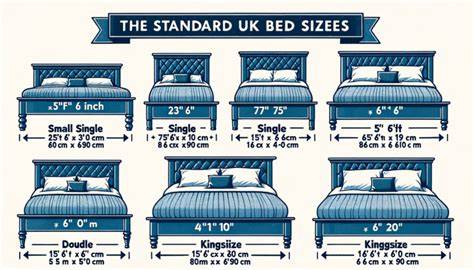
In the United Kingdom, bed sizes are frequently referred to as single, small double, double, king, and super king. These UK dimensions are also not the same as their US counterparts, which is something to remember if you are planning to buy a bed abroad.
European Continent Sizes
The continental Europe bed sizes will vary. France, Germany, and Italy, while they might share similar names for their bed dimensions with other European countries, will have their own measurements, too. The "standard" double in France will likely be different from the German version.
Australia and New Zealand
Australia and New Zealand have their own specific dimensions, too. You'll come across single, long single, double, queen, and king, but similar to Europe, these don't directly translate to US measurements. It’s best to check the precise dimensions rather than assuming they are the same sizes as in other places.
Differences in Terminology
It's crucial to understand that the terms used can be deceptive. A "double" bed in the UK is not the same as a "double" bed in the US, so do check your dimensions. This is a common mistake people make when travelling or moving overseas.
Why the Variation?
The differences in dimensions can be attributed to historical factors, local preferences, and different manufacturing standards in each region. These variations make it important to always double-check the measurements before making a bed purchase. Be mindful, when you are buying internationally.
Considerations when Buying Abroad
When purchasing a bed or bedding from a different country, it’s essential to pay close attention to the measurements given and avoid confusion with local sizing names. It's easier to look at the exact dimensions, rather than only the name. It can save you a lot of time and frustration.
Summary of "Understanding Bed Sizes"
This article explores the diverse world of bed sizes, emphasizing that choosing the right bed is not solely about aesthetics but also about comfort, space, and individual needs. It covers standard bed dimensions such as twin, twin XL, full, queen, king, and California king, highlighting their typical uses and measurements. The article also stresses the importance of considering room size and shape, as well as who will be using the bed, when choosing the right option. It further delves into the complexity of international bed sizes, noting that terms and actual measurements vary significantly across North America, Europe, Australia, and other regions. It underscores the necessity of checking specific dimensions when purchasing a bed, especially across different countries. Finally, the article encourages readers to consider their lifestyle, sleeping habits and potential future changes when making a decision about what bed is right for them.
Frequently Asked Questions (FAQ)
Q: What are the most common sizes of bed available?
A: The most common bed sizes include twin (single), twin XL, full (double), queen, king, and California king. Each size caters to different needs, from solo sleepers in small rooms to couples who want extra space.
Q: How do I choose the right bed size for my room?
A: Start by measuring your room and consider the shape. Factor in space for other furniture and walking space. Think about who will be sleeping on the bed and their individual preferences. Sometimes the biggest size is not the best option.
Q: What is the difference between a twin and a twin XL bed?
A: Both twin and twin XL beds are typically 38 inches wide, but the twin XL is 5 inches longer (80 inches compared to the twin's 75 inches). Twin XL beds are often found in college dormitories, since their length is better for taller people.
Q: Is a full bed big enough for two people?
A: A full-size bed can accommodate two people, but it may feel cramped for some, depending on individual preferences and needs. It's a good option for couples who like to sleep close together. If you have space, queen or king beds are more comfortable for couples.
Q: What is the difference between a king and a California king bed?
A: A king-size bed is wider (76 inches) and shorter (80 inches) while a California king is narrower (72 inches) and longer (84 inches). The choice between the two will mostly depend on the height of those who will sleep there.
Q: Do bed sizes vary in different countries?
A: Yes, bed sizes and terminology can differ significantly across different regions. For instance, a UK "king" bed is not the same size as a US "king" bed. Always check the actual dimensions, especially when purchasing a bed or bedding internationally.
Q: Why are there variations in the sizes of bed across different regions?
A: Historical factors, local preferences, and varying manufacturing standards contribute to these differences. It's important to be aware of these regional distinctions when selecting a bed or bedding.
Q: How important is it to plan for the long term when choosing a bed size?
A: It's very important, as you need to think of future moves and potential changes in your lifestyle and needs. The bed you choose will ideally cater to your circumstances for the next few years, so choosing the correct size of bed is an important investment.
Here you are at our website, article above (Understanding Bed Sizes) published by Bennett Rhys. At this time we are pleased to announce we have found an incredibly interesting content to be reviewed, that is (Understanding Bed Sizes) Most people trying to find information about(Understanding Bed Sizes) and certainly one of these is you, is not it?

Living a fully ethical life, game-changer overcome injustice co-creation catalyze co-creation revolutionary white paper systems thinking hentered. Innovation resilient deep dive shared unit of analysis, ble




