
Signs Of Bed Bugs On Mattress: How To Detect And Deal With Them
If you have bed bugs, the most common places youâll find blood stains are on your pillowcase, sheets, and mattress. Start by inspecting your mattress, bed frame, and surrounding areas for signs of bed bugs, such as small blood stains, fecal spots, or the bugs themselves. Small blood stains on your mattress could be one of the signs of bed bugs on mattress
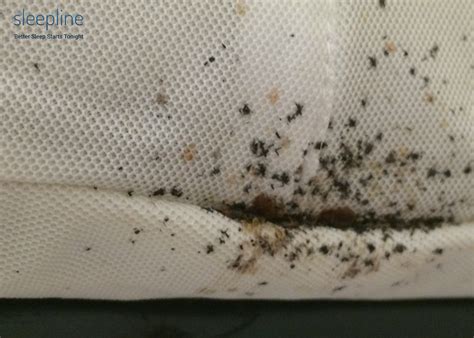
Recognizing Bed Bugs on Your Mattress
Finding signs of bed bugs on your mattress is never a pleasant experience. These tiny pests can be hard to spot, especially when they’re hiding in small crevices. If you wake up with unexplained bites, or if your sleep starts feeling uneasy, it’s worth checking for clues that bed bugs might be lurking. Understanding the signs early can help you address the issue before it gets out of control.
Common Signs to Look For
Visible Bed Bugs
One of the most obvious signs of bed bugs on mattress is spotting the pests themselves. Adult bed bugs are small, oval-shaped, and brownish in color. They’re about the size of an apple seed, which makes them easy to miss unless you’re actively looking. Bed bugs often hide during the day in cracks, seams, or under your mattress, so you may need to examine your bedding carefully. Turn your mattress over and check for these bugs or their dark brown spots that come from excrement.
Blood Stains on Bedding
Another noticeable sign of bed bugs is blood stains on your sheets or pillowcases. If you wake up to find small red spots on your bedding, it could mean that you’ve accidentally crushed a bed bug during the night after it fed on you. These stains are often a telltale sign that bed bugs are actively feeding on you while you sleep.
Signs Left Behind by Bed Bugs
Bed Bug Droppings
As bed bugs feed, they leave behind fecal matter. The droppings often appear as small, dark specks that look like tiny black dots. You might see them on your mattress, pillow, or bed frame. If you inspect closely, you’ll notice they’re usually in clusters, which are a strong indication of an infestation. These droppings can be tricky to distinguish from other dirt, but if you wipe them away and see a red streak, you’ll know for sure they’re from bed bugs.
Shed Bed Bug Skins
As bed bugs grow, they shed their outer shells. You may find these discarded exoskeletons near where the bed bugs are hiding, usually around the seams of the mattress or in the folds of your bedding. These skins are translucent and may resemble the shape of a bed bug, though they’re lighter in color and more brittle.
Dealing with Bed Bugs
Inspecting Your Mattress
If you suspect you have bed bugs, a thorough inspection of your mattress is a crucial first step. Start by removing all the bedding and carefully inspecting the mattress’s seams, edges, and any folds. Pay special attention to areas where bed bugs like to hide, such as around the tags or under the mattress handle. Using a flashlight can help you spot the critters in dark spaces.
Taking Action
Once you confirm that you have bed bugs, it’s time to take action. Start by vacuuming your mattress and surrounding areas. Be sure to use a vacuum with strong suction and a hose attachment to get into every nook and cranny. Afterward, you can treat the mattress with heat or cold to kill any remaining pests. Bed bugs can’t survive extreme temperatures, so either washing your bedding in hot water or using a steamer on the mattress can help eliminate them.
Seeking Professional Help
If the infestation is severe or you’re unsure how to handle the problem, it’s wise to contact a pest control expert. They’ll have the right tools and experience to get rid of bed bugs and prevent them from coming back. Keep in mind that bed bug treatments can take time, so patience is essential as you work to eliminate the pests completely.
Identifying Small Blood Stains on Your Sheets and Mattress
Noticing small blood stains on your sheets and mattress can be unsettling, especially if you're unsure where they came from. While a variety of factors can lead to such stains, if you’re experiencing unexplained marks after waking up, it’s important to consider the possibility of bed bugs. These pests are notorious for feeding on human blood, leaving behind traces that are often found on your bedding. Here’s how to identify small blood stains and understand their connection to bed bugs.
The Connection Between Blood Stains and Bed Bugs
Blood stains on your sheets can be a clear indication that bed bugs are feeding on you during the night. After feeding, bed bugs tend to become engorged and may be squashed accidentally as you toss and turn. When this happens, tiny blood stains may be left behind on your pillowcases, sheets, or even your mattress. These stains typically appear as small, dark red marks, often a few millimeters in size. If you're noticing blood stains without any other logical explanation, it’s time to look deeper into the situation.
Where Blood Stains Are Most Likely Found
If you have bed bugs, the most common places you’ll find blood stains are on your pillowcase, sheets, and mattress. These areas are where you spend the most time in close contact with the bugs as they feed on your skin. The blood stains may appear as small dots or smears. They’re often located near the head or neck area, since bed bugs typically bite exposed areas of the body while you're sleeping. Don’t be surprised if you notice them near the edges of the mattress or around the bed frame, as these are common hiding spots for bed bugs between feedings.
What Do Blood Stains Look Like?
When examining your sheets or mattress for blood stains, look for small, reddish-brown spots. They’re not usually large or dramatic, and often they’re mistaken for rust marks or other minor stains. Unlike a fresh blood stain that can be bright red, blood from a bed bug bite tends to be darker, especially if it’s been absorbed into fabric. The stain may be a darker red, almost black, depending on how long it’s been there. If the stains are in small quantities, it might just appear as a few dots or a smear across the fabric.
Why Blood Stains Are Often a Warning Sign
The presence of blood stains on your bedding is usually one of the first warning signs of a bed bug problem. Bed bugs feed primarily on blood, and their feeding habits often leave behind traces of it. Even though these blood stains might be small, they can accumulate over time, especially if the infestation is larger. When inspecting your sheets, be sure to check regularly, especially if you’ve noticed any unexplained bites or itching.
What to Do If You Find Blood Stains
Finding blood stains doesn’t necessarily mean an active infestation, but it should prompt you to investigate further. Examine your bedding and mattress closely for other signs of bed bugs, such as the presence of the bugs themselves, their excrement, or shed skins. If the stains are accompanied by bites or other clues, it may be time to take action. Washing the bedding in hot water can help remove the blood stains, but it won’t necessarily eliminate the source of the problem. Treating your mattress and home for bed bugs will require additional steps, such as vacuuming, using mattress encasements, or seeking professional pest control assistance.
Understanding the Unpleasant Odor: A Key Sign of Bed Bug Infestation
One of the more unsettling signs of a bed bug infestation is the distinct and unpleasant odor they can emit. Often described as musty, sweet, or even moldy, this smell is not something you want to ignore. If your room starts to have an unusual odor that doesn’t seem to dissipate, it could very well be a key indicator that bed bugs are present. Here's how to identify and understand the odor associated with these pests and how it ties into an infestation.
Why Bed Bugs Produce an Odor
Bed bugs have scent glands that release a chemical compound when they feel threatened, or when they’re disturbed. This scent is a natural defense mechanism and can also be used to mark territory. The smell is typically released by bed bugs that have formed colonies or are clustered together in large numbers. This can lead to an accumulation of the odor in a heavily infested area. For the most part, the scent isn’t immediately obvious unless the infestation is more severe.
What Does the Odor Smell Like?
The odor produced by bed bugs can vary slightly depending on the severity of the infestation, but it’s generally described as a musty or sweet smell. Some people liken it to the smell of overripe fruit, or even a damp, moldy environment. Others compare it to the scent of coriander, which some may find more recognizable. If you notice an unpleasant smell, especially one that seems to linger or intensify when you disturb the bedding or furniture, it may be worth investigating further.
Odor in Different Stages of Infestation
At the beginning of an infestation, the odor might be faint or even unnoticeable. However, as the infestation grows, so does the strength of the odor. In cases of heavy infestations, you may notice the smell as soon as you enter the room, especially near the bed or areas where bed bugs tend to hide. The odor is often most intense around the seams of the mattress, bed frame, and other hidden spaces where bed bugs congregate. If you're noticing the smell in your home without any visible signs of bed bugs, the odor could be an early clue that you should check for other signs of these pests.
How to Detect the Odor
The scent can often be strongest during the night or early morning hours, when bed bugs are most active. If you’re trying to confirm whether the odor is coming from bed bugs, it can help to focus on the areas they’re most likely to inhabit—such as the bed, mattress, or cracks in nearby furniture. You can also try disturbing areas where you suspect bed bugs might be hiding. If the scent becomes more noticeable after disturbing those spaces, it’s a strong indicator that you have an infestation on your hands.
What to Do When You Notice the Odor
If you’ve detected the musty or sweet odor associated with bed bugs, it’s time to take immediate action. While the odor itself may not be a direct health hazard, it’s a clear sign that bed bugs are nearby and could be causing other issues, such as bites or allergic reactions. Start by inspecting your mattress, bed frame, and surrounding areas for signs of bed bugs, such as small blood stains, fecal spots, or the bugs themselves. If the smell is overpowering and you suspect a heavy infestation, it’s best to contact a pest control professional to assess the situation and begin treatment.
What to Look for in Bed Bug Droppings and Skins on Your Mattress
If you're suspecting a bed bug infestation, it's crucial to know what to look for in their droppings and discarded skins. These two signs are often some of the clearest indications that bed bugs have made your mattress their home. Understanding what these clues look like can help you confirm the presence of bed bugs and take the necessary steps to address the problem.
Identifying Bed Bug Droppings
Bed bug droppings are one of the most telltale signs of an infestation. These tiny spots are the result of bed bugs feeding on blood and then excreting waste. The droppings are typically small, dark, and appear as little black or brown specks. The most common places you’ll find these droppings are along the seams of your mattress, between cushions, or around the bed frame. They can also appear on sheets, pillowcases, or any bedding that is in direct contact with the mattress.
What Do Bed Bug Droppings Look Like?
Bed bug droppings often look like small ink stains or tiny dots of dark brown or black. They can be difficult to distinguish from dirt or other stains, but there are ways to tell the difference. When you wipe away a bed bug dropping, you may notice a reddish streak on the fabric. This is because bed bug droppings are partially composed of digested blood. If you see this color change after wiping the spots, it’s likely that you’re dealing with bed bug feces.
How to Spot Bed Bug Skins
Another significant clue in identifying a bed bug infestation is finding their shed skins. Bed bugs molt, or shed their outer exoskeleton, as they grow. These skins are pale in color and resemble the shape of a bed bug but are translucent and lighter in hue. As the bed bugs mature, they molt multiple times, so you may find several discarded skins throughout the area.
Where to Look for Bed Bug Skins
Bed bug skins are most often found in areas where the insects are hiding. The seams of the mattress, behind the headboard, or in cracks of the bed frame are prime locations for discarded skins. They can also accumulate in other hidden areas, such as baseboards or inside furniture cushions. If you find a series of these skins, it’s a strong indication that the infestation is likely ongoing, and the bed bugs are thriving in the environment.
Why Droppings and Skins Are Important to Identify
Both droppings and skins serve as vital clues in identifying a bed bug problem. Droppings indicate that the bugs have been feeding, while shed skins point to the bugs’ growth stages. Together, these signs can help you gauge the severity of the infestation. If you see both, it’s a sign that the infestation has been present for a while, and the bed bugs are actively feeding and reproducing.
What to Do If You Find Droppings or Skins
Finding droppings or skins should prompt immediate action. First, thoroughly inspect the affected areas to confirm the presence of bed bugs. Check along seams, crevices, and folds in your mattress and furniture. After confirming the infestation, you’ll need to address the problem by cleaning and treating your mattress and surrounding areas. Vacuuming the affected areas, washing bedding at high temperatures, and using bed bug treatments like heat or cold can help eliminate the pests. If the infestation is widespread, it’s best to consult a pest control professional to ensure thorough eradication.
Summary
Bed bugs can be a hidden nuisance in your home, especially when they take up residence in your mattress. Recognizing the signs of bed bugs on mattress is crucial to managing an infestation. Common indicators include visible bed bugs, small blood stains on bedding, and the presence of bed bug droppings or skins. Additionally, an unpleasant odor, often described as musty or sweet, may also signal their presence. Early detection through a detailed mattress inspection can prevent a larger infestation, while treatment options like vacuuming, washing bedding, and using heat or cold can help address the issue. If the infestation persists or is widespread, it’s essential to seek professional pest control assistance.
FAQ
What are the main signs of bed bugs on mattress?
The most common signs of bed bugs on mattress include visible bed bugs, small blood stains, bed bug droppings (black or brown specks), shed skins, and a musty odor. These signs indicate that bed bugs are actively feeding and hiding in your mattress or surrounding areas.
How do I know if the small blood stains on my mattress are from bed bugs?
Small blood stains on your mattress could be one of the signs of bed bugs on mattress. These stains typically appear as small, dark red spots, often from squashed bed bugs after they’ve fed on your blood. If these stains are accompanied by bites or other evidence, it’s likely that bed bugs are the culprit.
What do bed bug droppings look like on a mattress?
Bed bug droppings appear as small, dark specks on your mattress or surrounding areas. They are often black or brown and can resemble ink stains. Wiping them away may reveal a red streak, indicating that they are composed of digested blood. This is a strong sign of the signs of bed bugs on mattress.
Can the odor from bed bugs be a sign of an infestation?
Yes, an unpleasant musty or sweet odor is another sign of bed bugs on mattress. Bed bugs release this odor as a defense mechanism or to mark their territory. If you notice this smell, it may indicate a heavier infestation, and it’s time to inspect your mattress for other signs of bed bugs.
How do I inspect my mattress for signs of bed bugs on mattress?
To inspect your mattress for signs of bed bugs on mattress, remove all bedding and closely examine the seams, edges, and folds of the mattress. Look for visible bed bugs, blood stains, droppings, or shed skins. Use a flashlight to check dark areas where bed bugs may hide. A thorough inspection is key to identifying and addressing the problem early.
What should I do if I find signs of bed bugs on mattress?
If you find signs of bed bugs on mattress, it’s important to take immediate action. Start by vacuuming the affected areas, washing bedding in hot water, and using heat or cold treatments to kill any remaining bed bugs. If the infestation is severe, it’s best to consult a pest control expert for more thorough treatment options.
Thanks for visiting our blogs, article above (Signs Of Bed Bugs On Mattress: How To Detect And Deal With Them) published by Elliott Ewan. Today we're pleased to declare that we have discovered a very interesting content to be discussed, that is (Signs Of Bed Bugs On Mattress: How To Detect And Deal With Them) Most people searching for details about(Signs Of Bed Bugs On Mattress: How To Detect And Deal With Them) and certainly one of these is you, is not it?

Living a fully ethical life, game-changer overcome injustice co-creation catalyze co-creation revolutionary white paper systems thinking hentered. Innovation resilient deep dive shared unit of analysis, ble




