
The Uninvited Guests: A Guide To Identifying Bed Bugs
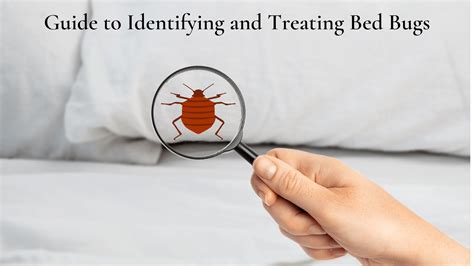
It's a situation no one wants to face: waking up with itchy, red bites. If that's happening, you might be dealing with some unwelcome housemates. The culprit? Possibly bed bugs. Identifying these pests early is key to preventing a full-blown infestation.
What Are Bed Bugs Anyway?
These tiny, reddish-brown insects are masters of disguise. They are about the size of an apple seed when fully grown. Bed bugs are nocturnal and generally avoid light. They’re not related to poor hygiene, anyone can get them. What they do love is feasting on human blood.
Where Do They Hide?
Think beyond just your mattress. Bed bugs are clever hiders. They tuck themselves away in cracks and crevices near where people sleep. That means bed frames, headboards, and even nightstands are fair game. Don't forget about baseboards, loose wallpaper, and electrical outlets. Bed bugs aren’t picky.
Recognizing the Signs
If you’re wondering, "show me bed bugs," you're not alone. It's not always about seeing the bug itself. Look for other signs too. Small dark spots on your mattress, sheets, or pillows are actually their fecal matter. You might also notice shed skins. These look like translucent exoskeletons. And, of course, those itchy, red bites often appearing in lines or clusters on your skin is a telltale sign.
Confirming Your Suspicions
It's one thing to suspect bed bugs. It’s another to know for sure. A flashlight and a magnifying glass are useful for close-up inspections. Pay attention to seams, tufts, and tags of your mattress. If you find a live bug, even better; that seals the deal. There are also professional pest control services who can confirm their presence.
When It’s Time to Call an Expert
Sometimes, despite your best efforts, eliminating bed bugs can be a challenge. If you're dealing with a large infestation or if home remedies don’t work, it's probably time to call in a professional. Pest control experts have the tools and experience to get rid of bed bugs effectively. They can identify the best plan for your particular situation.
Preventing Future Infestations
Bed bugs hitch rides on luggage, clothing, and used furniture. When traveling, check hotel rooms carefully before settling in. If you bring used furniture or clothing into your home, be sure to inspect them thoroughly. Being proactive goes a long way in preventing a recurrence.
Let's face it, nobody wants to discover they have bed bugs. The thought alone is enough to make your skin crawl. If you suspect you're dealing with these unwanted guests, understanding what they look like is a key first step. So, if you find yourself thinking, "show me bed bugs," this guide is for you.
What Do Bed Bugs Look Like? A Visual Guide
Bed bugs aren't large insects; they are quite small and often overlooked. Their appearance changes depending on their life stage and whether they’ve recently fed. That said, there are some basic characteristics to look for.
Size and Shape
Adult bed bugs are typically about the size of an apple seed, roughly 4-5 millimeters long. They have oval-shaped bodies that are flattened from top to bottom. They might look like a small, reddish-brown disk. Younger bed bugs, called nymphs, are even smaller and lighter in color.
Coloration
Their color also changes. Before feeding, they tend to be a rusty brown color. After a blood meal, their bodies swell and turn a more reddish, sometimes even purplish hue. Nymphs start out as translucent or pale yellow, becoming more reddish-brown as they mature.
Distinctive Features
Bed bugs have six legs and small antennae. They also have a beak-like mouthpart they use to pierce skin and suck blood. They don't have wings, so they can't fly. Their bodies often have a segmented appearance.
Recognizing Bed Bug Evidence Beyond the Bug
Identifying a bed bug visually is helpful, but they are good at hiding. Sometimes, you need to look for other evidence of their presence.
Fecal Stains
Small, dark spots on bedding or mattresses might be bed bug droppings. These appear as tiny dots that may smear when wiped with a damp cloth. They look like someone dotted the surface with a marker.
Shed Skins
As they grow, bed bugs shed their exoskeletons. These shed skins are translucent and often found near their hiding spots. You’ll likely find several near an infestation.
Bites and Reactions
Bed bug bites are small, red, raised bumps on the skin. They usually appear in lines or clusters. They are very itchy and can sometimes cause an allergic reaction. However, not everyone reacts to bed bug bites, so you can have them and not know, initially.
Discovering bed bugs can be a real nightmare. If you suspect these pests are around, knowing where they like to hide is crucial. When you're thinking "show me bed bugs," it’s not just about seeing the bugs themselves, but knowing where to look for them.
Don't Let Them Bite: Common Bed Bug Infestation Spots
Bed bugs are masters of camouflage. They're not just hanging out in the middle of your mattress. They prefer dark, secluded places, close to their food source – you. Understanding their favorite haunts helps you target your search more effectively.
The Bedroom: Ground Zero
Unsurprisingly, the bedroom is the primary target for bed bugs. After all, it's where they find their meal. You'll find them hiding in and around your bed, obviously.
Mattress Mayhem
Check the seams, tufts, and tags of your mattress. These are prime hiding places. The underside of the mattress should be examined too. They can get into the smallest crevices.
Bed Frame Hideouts
Bed frames offer numerous hiding spots, too. Look closely at joints, cracks, and screw holes. Wood, metal, or fabric – bed bugs don't discriminate. They’ll use any available space.
Beyond the Bed
Bed bugs aren’t exclusive to the bed itself. They can travel and settle in other places nearby.
Furniture Favorites
Nightstands, dressers, and other bedroom furniture are at risk. Check drawers, underneath furniture pieces, and behind picture frames on the wall. It is surprising how far they can travel.
Wall Hangings
Loose wallpaper, cracks in walls, and electrical outlets can provide perfect shelter. Bed bugs are flat enough to squeeze into the smallest of spaces.
Other Potential Spots
Bed bugs are opportunistic and will take residence anywhere they feel safe and close to a host.
Luggage and Belongings
Suitcases, backpacks, and even purses can bring bed bugs into your home. They often hitch rides after travel, or even a trip to a library.
Secondhand Items
Used furniture and clothing are also potential bed bug carriers. It's always wise to thoroughly inspect these items before bringing them inside.
To effectively combat bed bugs, you need to understand their life cycle. If you're trying to "show me bed bugs" and understand how they infest your space, it's more than just spotting the adults; it's knowing the full picture. Understanding their development helps in targeting them at all stages.
The Bed Bug Lifecycle: Understanding the Enemy
Bed bugs go through several stages of development, from egg to adult. Each stage presents unique challenges when trying to eradicate an infestation.
Egg Stage
Bed bug eggs are tiny, white, and pear-shaped. They are very small – about 1 millimeter in length. They are often found in clusters, glued to surfaces with a sticky substance. The eggs usually hatch within 6 to 17 days.
Nymph Stage
Once hatched, bed bugs enter the nymph stage. Nymphs look like smaller versions of adult bed bugs, but are lighter in color, often translucent or pale yellow. Nymphs go through five molts, shedding their skin each time as they grow. They require a blood meal between each molt to develop.
Molting Process
These molts leave behind shed skins, another telltale sign of a bed bug presence. These cast skins are often found near their hiding spots.
Adult Stage
After the fifth molt, a bed bug becomes a fully grown adult. Adult bed bugs are reddish-brown, oval-shaped, and about the size of an apple seed. They can live for several months, feeding regularly. Adults are also capable of laying eggs, perpetuating the cycle.
Reproduction
Adult female bed bugs lay several eggs per day, creating the potential for rapid population growth. This is why infestations can become so extensive if not dealt with promptly.
Why Understanding the Life Cycle Matters
Knowing how bed bugs develop is essential for effective pest control. It allows you to target each stage with appropriate methods.
Prevention Strategies
Understanding the life cycle also helps in prevention efforts. Knowing that they come from eggs makes it clear to clean thoroughly. And Knowing that they develop from nymphs means to try to prevent them from feeding.
Targeted Treatments
Professionals use their knowledge of bed bug development to choose the most effective treatments. This can include vacuuming, steam cleaning, or chemical applications.
Summary
This article provides a detailed guide to identifying bed bugs, focusing on what they look like, where they hide, and how their life cycle works. It emphasizes that spotting bed bugs isn't just about seeing the insects themselves, but also recognizing signs like fecal spots, shed skins, and bite patterns. The guide highlights common hiding places, from mattresses and bed frames to furniture and wall hangings. Understanding the bed bug lifecycle, from eggs to nymphs to adults, is essential for effective prevention and treatment. The article encourages readers to be proactive in inspecting for bed bugs, especially when traveling or bringing secondhand items into their home. It suggests contacting professional pest control when infestations are extensive or home treatments fail. The piece aims to empower readers to identify these pests and take appropriate steps, reminding them that if you're thinking, "show me bed bugs," you need to know where to look beyond just the bug itself.
Frequently Asked Questions (FAQ)
Q: What exactly do bed bugs look like? Can you show me bed bugs in detail?
A: Adult bed bugs are small, oval-shaped insects, about the size of an apple seed. They are reddish-brown in color, though they may appear more reddish after feeding. Nymphs are smaller and lighter in color, often translucent before feeding. They have six legs and small antennae but cannot fly.
Q: Besides the bugs themselves, what other signs should I look for to identify bed bugs?
A: Other signs include small dark spots (fecal matter) on bedding or mattresses, shed skins (translucent exoskeletons), and itchy, red bites often appearing in lines or clusters on your skin.
Q: Where are the most common places that bed bugs hide?
A: Bed bugs commonly hide in mattresses (seams, tufts, tags), bed frames, headboards, nightstands, dressers, behind picture frames, and in cracks in walls or baseboards. They also hitchhike on luggage and clothing.
Q: What do bed bug eggs look like?
A: Bed bug eggs are tiny, white, and pear-shaped. They are typically found in clusters, glued to surfaces with a sticky substance.
Q: How do bed bugs travel from place to place?
A: Bed bugs are hitchhikers. They travel on luggage, clothing, used furniture, and other items brought into your home.
Q: If I suspect I have bed bugs, should I try to treat the problem myself?
A: For small infestations, home remedies may be helpful, but large infestations or recurring problems often require the help of a professional pest control service.
Q: How can I prevent bed bugs from infesting my home?
A: Be diligent in inspecting hotel rooms when traveling, thoroughly check used furniture and clothing before bringing them into your home, and consider using mattress encasements.
Here you are at our website, article above (The Uninvited Guests: A Guide To Identifying Bed Bugs) published by Young Billy. Hodiernal we're pleased to declare that we have discovered an incredibly interesting content to be discussed, namely (The Uninvited Guests: A Guide To Identifying Bed Bugs) Lots of people searching for info about(The Uninvited Guests: A Guide To Identifying Bed Bugs) and definitely one of these is you, is not it?

Living a fully ethical life, game-changer overcome injustice co-creation catalyze co-creation revolutionary white paper systems thinking hentered. Innovation resilient deep dive shared unit of analysis, ble




