
Rubbing Alcohol For Bed Bugs Treatment
Although rubbing alcohol can kill bed bugs on contact, it doesnât address eggs or bugs that are well-hidden. Regular reapplication may be necessary since rubbing alcohol does not kill eggs. Though rubbing alcohol can eliminate live bugs, itâs important to note that it does not kill bed bug eggs
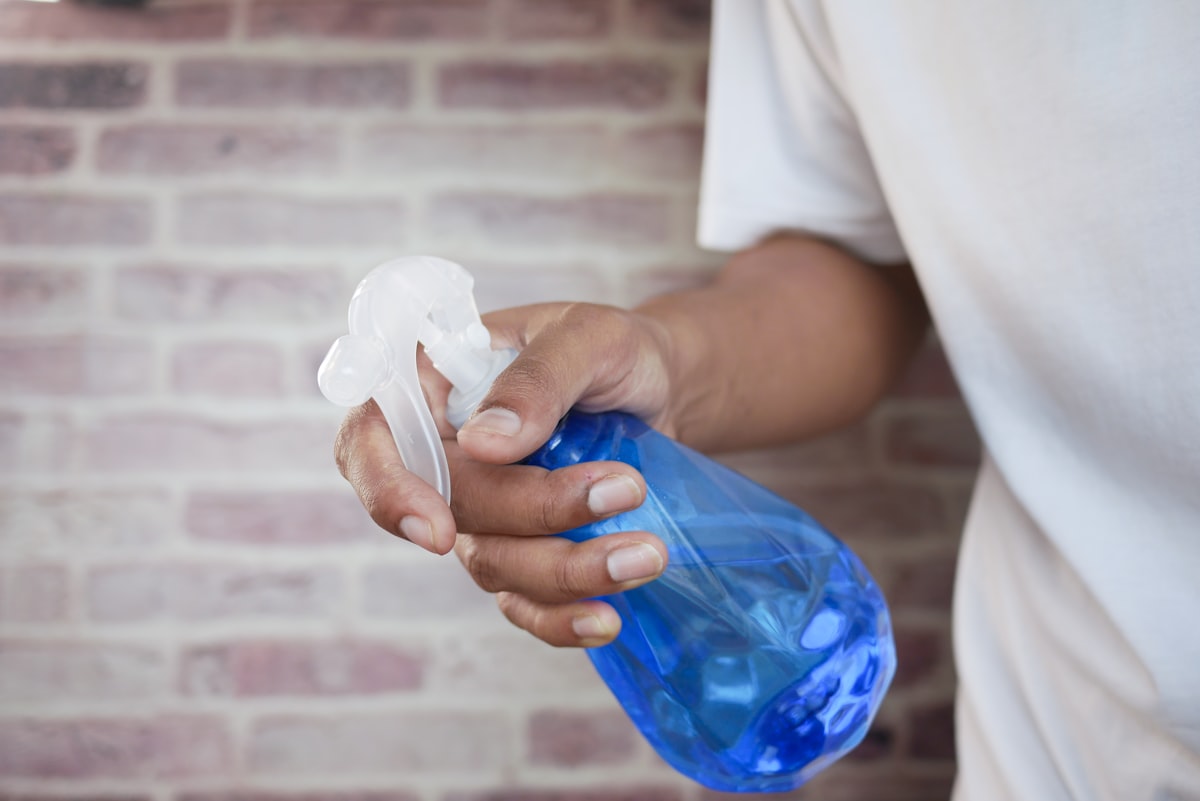
Understanding the Role of Rubbing Alcohol in Pest Control
Bed bugs are among the most frustrating pests to deal with. They hide in cracks, crevices, and even furniture, making eradication a challenge. Many people turn to various DIY solutions, and one popular option is rubbing alcohol. Known for its disinfecting properties, it can be a helpful tool in the fight against these persistent insects.
The primary appeal of rubbing alcohol for bed bugs is its immediate effect. When sprayed directly on bed bugs, it can kill them on contact. This makes it a convenient choice for targeting bugs that are visible. It works by dissolving the outer layer of the bugs’ exoskeleton, causing them to dry out and die. While not a long-term solution, it can provide some relief in heavily infested areas.
How to Use Rubbing Alcohol for Bed Bugs
Rubbing alcohol should be applied carefully to ensure it is effective and safe. Begin by identifying high-traffic areas where bed bugs are likely hiding. These could include mattress seams, headboards, and baseboards. A spray bottle filled with isopropyl alcohol, preferably 70% or higher, is recommended for even distribution.
When spraying, ensure that the surface becomes lightly damp but not soaked. Over-saturation can lead to potential hazards, such as fire risks, since rubbing alcohol is highly flammable. It’s also important to test a small area first to avoid damage to furniture or fabrics. Consistent application in affected areas may reduce the bed bug population over time.
Precautions and Limitations
Although rubbing alcohol can kill bed bugs on contact, it doesn’t address eggs or bugs that are well-hidden. Regular application is necessary, but this approach works best when combined with other pest control methods. Vacuuming, steaming, and sealing off entry points are also crucial steps in tackling an infestation.
Another consideration is safety. Rubbing alcohol releases fumes that can irritate the respiratory system if used excessively in poorly ventilated spaces. Always open windows or use a fan to maintain airflow during and after application. Keep the substance out of reach of children and pets to avoid accidental ingestion or spills.
Alternatives to Consider
While rubbing alcohol can be a useful tool, it’s not a standalone solution. Other DIY options like diatomaceous earth or heat treatments may complement its use. Professional pest control services also offer comprehensive methods to eliminate bed bugs effectively. A multi-faceted approach is often the most reliable way to ensure long-term results.
When Rubbing Alcohol Went from Bandages to Bed Bugs
Rubbing alcohol has long been a staple in first aid kits. From disinfecting wounds to cleaning medical tools, its uses seemed straightforward. Yet, over time, people started discovering its potential outside traditional healthcare. Among these unconventional applications is its surprising role in dealing with bed bug infestations.
The idea of using rubbing alcohol for bed bugs likely emerged from its powerful drying properties. Bed bugs rely on their exoskeletons to retain moisture, and alcohol disrupts this balance. When sprayed directly on these pests, it strips away their protective layer, causing them to dehydrate and die. This rapid effect turned it into a go-to solution for those desperate for quick results without resorting to harsh chemicals.
Why People Turned to Rubbing Alcohol for Infestations
For many, the appeal of rubbing alcohol lies in its accessibility. It’s inexpensive, easy to find, and simple to use, making it a practical first step when bed bugs invade. Unlike professional treatments that require scheduling and preparation, a bottle of isopropyl alcohol offers immediate action. The fact that it’s a common household item also means people don’t need to invest in specialized products.
The rise of DIY pest control methods also played a role in popularizing rubbing alcohol. With online forums and videos sharing personal success stories, it quickly became a trusted remedy. People began using it not just to kill visible bugs but also to sanitize areas where these pests might hide, creating a cleaner, less hospitable environment for them.
Beyond Killing Bed Bugs: Other Advantages
Rubbing alcohol isn’t just about eliminating bed bugs on contact. It also helps sanitize surfaces, removing bacteria and grime left behind by these pests. This dual-purpose benefit makes it especially appealing for those who want a cleaner home while addressing the infestation.
Its evaporation rate is another advantage. Unlike many sprays that leave a sticky residue, rubbing alcohol dries quickly, reducing mess. This makes it a convenient option for treating items like mattresses, furniture, and luggage without extensive cleanup afterward.
Where It Falls Short
Despite its many benefits, rubbing alcohol isn’t a magic solution. It doesn’t penetrate deep into cracks or crevices where bed bugs often hide, nor does it kill eggs. This means that even with regular use, new bugs can continue to hatch and spread. Additionally, its flammable nature presents a safety risk, especially in poorly ventilated areas or when used excessively.
For these reasons, rubbing alcohol works best as part of a broader pest control strategy. It provides temporary relief but needs to be paired with other methods, such as vacuuming, steaming, or professional extermination services, to fully address the problem.
Using Rubbing Alcohol to Get Rid of Bed Bug Scourge
Bed bugs are notorious for their resilience and rapid reproduction. Once they invade a home, they can turn restful nights into a nightmare. While professional pest control is often the most effective route, some people look for affordable alternatives they can try right away. One of the more popular DIY solutions is rubbing alcohol.
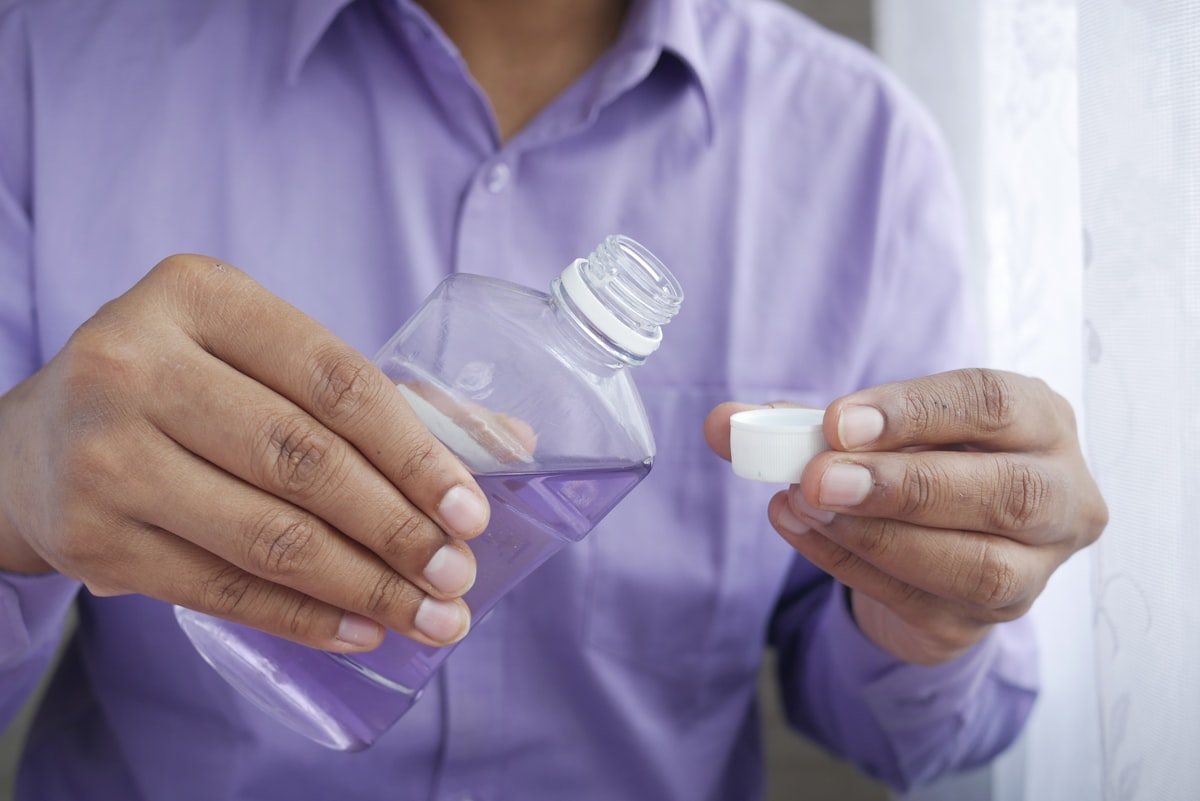
Rubbing alcohol stands out due to its accessibility and versatility. Often used as a cleaning agent or antiseptic, its chemical properties make it a surprising yet effective choice for tackling bed bugs. People who have used it in their homes often report immediate results, especially when dealing with live bugs.
How Rubbing Alcohol Works Against Bed Bugs
The key to rubbing alcohol’s effectiveness lies in its ability to act fast. When sprayed directly on a bed bug, it damages the bug’s protective exoskeleton, causing it to dry out and die. This immediate effect is what makes it so appealing to those dealing with infestations. Additionally, it disrupts the bugs' pheromone trails, which can help in reducing their movement across surfaces.
Unlike chemical pesticides, rubbing alcohol doesn’t rely on residual effects to kill. Instead, its strength is in contact application. This makes it a good tool for targeting visible bugs during a thorough inspection of problem areas, such as mattress seams, couch cushions, and cracks in the wall.
Steps for Using Rubbing Alcohol in Infested Areas
Start by inspecting areas where bed bugs are most likely to hide. Focus on common hotspots, including the edges of mattresses, bed frames, and behind picture frames or furniture. Fill a spray bottle with isopropyl alcohol, ideally 70% or higher, to ensure effectiveness.
Spray the rubbing alcohol directly onto any bed bugs you find. Be cautious about oversaturating surfaces, as this can damage some materials and increase fire risks. It’s also helpful to treat areas surrounding infestations to disrupt their hiding spots.
Regular reapplication may be necessary since rubbing alcohol does not kill eggs. Combining this method with other treatments, such as steaming or vacuuming, increases the chances of long-term success.
Weighing the Pros and Cons
While rubbing alcohol offers immediate results, it’s not without its downsides. Its inability to eliminate eggs means it can only reduce the current population rather than prevent future outbreaks. Additionally, its strong fumes can be irritating, especially in closed spaces, so proper ventilation is crucial.
Another challenge is safety. Rubbing alcohol is highly flammable, and mishandling can lead to accidents. When using it, keep it away from heat sources, open flames, or smoking areas. Always store it securely to avoid accidental exposure to children or pets.
Pairing Alcohol with Other Methods
For a more comprehensive approach, rubbing alcohol works best when paired with other pest control methods. Regular vacuuming removes debris and eggs, while sealing cracks and crevices prevents further spread. Steam treatments can address areas where alcohol might not reach, offering a non-toxic way to kill bed bugs and their eggs. Combining these methods increases the likelihood of completely eliminating the scourge of bed bugs.
Effective Solutions Using Rubbing Alcohol for Bed Bug Removal
Dealing with bed bugs can be an overwhelming experience. These tiny pests are experts at hiding, making it difficult to completely eliminate them without a multi-pronged approach. For those looking for immediate, cost-effective solutions, rubbing alcohol has become a widely discussed option. Its quick-acting properties make it a practical choice for those who want to address infestations without using harsh chemicals.
Rubbing alcohol, or isopropyl alcohol, is not only affordable but also easily accessible. Found in most households, it has properties that help kill bed bugs on contact. While it’s not a comprehensive solution, it can serve as an effective tool when incorporated into a broader pest management strategy.
Understanding the Effectiveness of Rubbing Alcohol
The strength of rubbing alcohol lies in its ability to kill bed bugs quickly when applied directly. It dissolves the outer shell of the bugs, causing them to dehydrate and die. This makes it a highly targeted solution for visible infestations. It’s also useful for disrupting bed bug scent trails, which can reduce their ability to communicate and regroup.
Though rubbing alcohol can eliminate live bugs, it’s important to note that it does not kill bed bug eggs. Eggs are more resilient and require additional methods, such as steaming or professional heat treatments, to ensure complete eradication.
Steps to Use Rubbing Alcohol for Bed Bug Removal
-
Identify Infested Areas: Begin by inspecting areas where bed bugs are most likely to hide. These include mattress seams, furniture cracks, carpets, and baseboards. Use a flashlight to locate bugs in dark corners and crevices.
-
Prepare the Solution: Choose isopropyl alcohol with a concentration of at least 70% for the best results. Pour it into a spray bottle to allow for easy application and better coverage.
-
Target the Bugs: Spray the alcohol directly onto any bed bugs you see. Focus on areas where you’ve spotted activity, such as bedding, furniture, and flooring. Be mindful not to soak surfaces excessively, as rubbing alcohol is flammable.
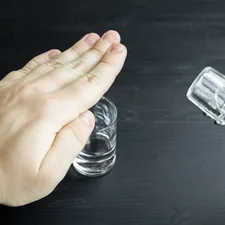
Rubbing Alcohol For Bed Bugs Treatment - Man refuses to drink alcohol. More of my photos and videos Adobe Stock:http://bit.ly/3RqlciK More of my photos and videos Shutterstock: https://www.shutterstock.com/g/ALEKSANDRBERDYUGIN My email: [email protected] -
Reapply as Needed: Consistent application is essential for controlling bed bug populations. Combine this with other methods to target areas alcohol can’t reach, such as eggs hidden deep within crevices.
Practical Tips for Safe Application
Using rubbing alcohol for pest control requires caution. Its fumes can be irritating to the eyes and respiratory system, so always ensure proper ventilation during use. Avoid applying it near open flames or heat sources, as it is highly flammable. Additionally, store the alcohol in a safe location away from children and pets.
If treating delicate materials, test a small, inconspicuous area first to avoid potential damage. Alcohol can discolor fabrics or leave marks on some finishes, so careful application is key.
Incorporating Rubbing Alcohol into a Broader Plan
While rubbing alcohol is a helpful tool, it works best when paired with other strategies. Vacuuming regularly can help remove eggs and debris, while encasing mattresses and pillows prevents bed bugs from finding hiding spots. Steaming is another effective method to reach deep-seated infestations, especially in furniture and carpets.
For more severe cases, professional pest control services may be necessary. Experts can apply specialized treatments that target both live bugs and their eggs, ensuring long-term results. By combining rubbing alcohol with other approaches, you can create a more effective plan to tackle a bed bug infestation.
Summary
Rubbing alcohol is a widely accessible and affordable tool for managing bed bug infestations. Known for its ability to kill bed bugs on contact, it works by dissolving their outer protective layer, causing them to dehydrate and die. While effective for reducing live bug populations, rubbing alcohol does not kill bed bug eggs and requires repeated applications. Its quick evaporation and sanitizing properties make it useful for treating mattresses, furniture, and high-traffic areas. However, safety precautions are essential due to its flammable nature and strong fumes. Incorporating rubbing alcohol into a broader pest management strategy, such as vacuuming, steaming, and sealing entry points, enhances its effectiveness.
FAQ Section
Can rubbing alcohol kill bed bugs on contact?
Yes, rubbing alcohol can kill bed bugs on contact by dissolving their exoskeleton and dehydrating them. This makes it a quick solution for eliminating visible bugs, but it does not kill their eggs or bugs hidden in inaccessible areas.
What concentration of rubbing alcohol is best for bed bugs?
For the best results, use isopropyl alcohol with a concentration of 70% or higher. Lower concentrations may not be as effective in killing bed bugs.
How should I apply rubbing alcohol for bed bugs?
Fill a spray bottle with rubbing alcohol and spray it directly on bed bugs or areas where they are hiding, such as mattress seams, furniture cracks, and baseboards. Avoid soaking surfaces and ensure proper ventilation during use.
Does rubbing alcohol kill bed bug eggs?
No, rubbing alcohol does not kill bed bug eggs. Eggs are more resistant and require other methods, such as steaming or professional heat treatments, to eliminate them.
Is rubbing alcohol safe to use for bed bug treatments?
Rubbing alcohol is flammable and produces strong fumes, so caution is required. Use it in well-ventilated areas and keep it away from open flames, heat sources, and children or pets.
Can rubbing alcohol alone eliminate a bed bug infestation?
No, rubbing alcohol is not a standalone solution. It can reduce the number of live bed bugs but should be combined with other methods, such as vacuuming, steaming, and sealing entry points, for long-term effectiveness.
Why do people use rubbing alcohol for bed bugs?
Rubbing alcohol is popular because it is affordable, easy to access, and provides immediate results against live bed bugs. It’s often used as a DIY alternative to chemical treatments.
Are there risks to using rubbing alcohol for bed bug control?
Yes, the primary risks include its flammability and potential respiratory irritation from fumes. Overuse can also damage certain materials, such as fabrics and furniture finishes.
What are some alternative methods to rubbing alcohol for bed bugs?
Other effective methods include vacuuming, steam treatments, diatomaceous earth, and professional pest control services. Combining these methods with rubbing alcohol enhances overall effectiveness in managing bed bug infestations.
Thanks for visiting our website, article above (Rubbing Alcohol For Bed Bugs Treatment) published by Pugh Jude. At this time we are excited to announce we have found an extremely interesting content to be pointed out, that is (Rubbing Alcohol For Bed Bugs Treatment) Many people trying to find information about(Rubbing Alcohol For Bed Bugs Treatment) and certainly one of these is you, is not it?
Gallery for Rubbing Alcohol For Bed Bugs Treatment

Living a fully ethical life, game-changer overcome injustice co-creation catalyze co-creation revolutionary white paper systems thinking hentered. Innovation resilient deep dive shared unit of analysis, ble




