
Raised Garden Beds 101
A: Raised garden beds offer several key advantages: improved soil control, allowing you to create the perfect growing medium; easier access for gardening, reducing strain and making it more accessible to people of all ages and abilities; better drainage, preventing waterlogged roots and plant diseases; and simplified weeding. Q: How do I improve drainage in my raised garden beds? A: Ensure your raised garden beds have adequate drainage holes in the bottom.

Raised Garden Beds 101
Why Choose Raised Beds?
Gardening's a rewarding hobby, but sometimes the ground isn't ideal. Hard clay, poor drainage, or even just a desire for easier access can make raised beds a game-changer. They offer better soil control, allowing you to create the perfect growing environment. You’ll find weeding significantly easier, too.
Designing Your Raised Bed Garden
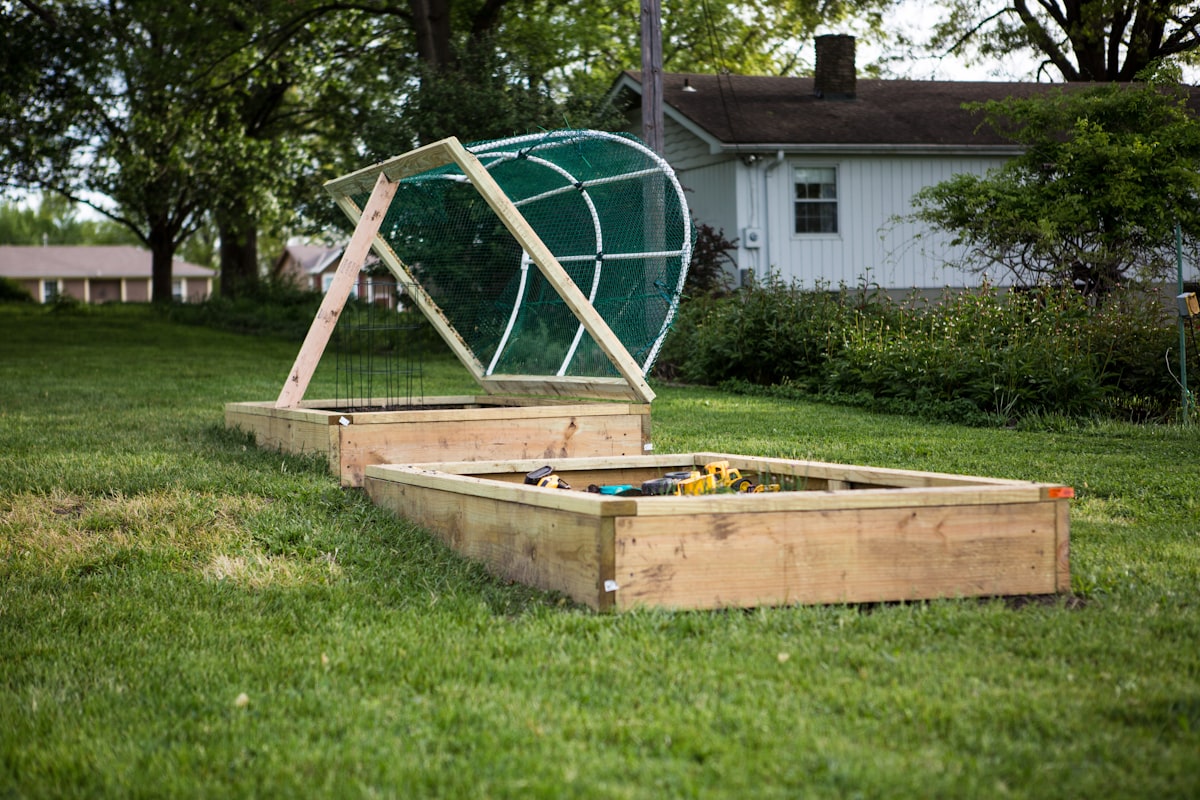
Consider the size and shape of your space. Long, narrow beds are convenient for reaching across, but square or rectangular ones can be just as effective. The height's important. Taller beds are generally easier on your back, and they can also offer better drainage. Think about materials too – wood, stone, even recycled plastic – each with its own pros and cons.
Material Matters
Wood is a classic, readily available, and aesthetically pleasing, but it does require more maintenance than other options. Stone is durable and long-lasting, though it can be more expensive and harder to work with. Recycled plastic, a more modern choice, provides longevity without the upkeep of wood.
Building Your Structure
Building your own beds can be a satisfying project. You’ll find numerous plans online for various sizes and materials. Careful measurements and precise cutting are vital, especially if working with wood. Ensure the structure's sturdy enough to hold the soil and withstand weather conditions.
Filling Your Raised Beds
The right soil mix is critical for healthy plants. You'll want a blend that’s well-draining yet retains moisture. A typical mix might include compost, topsoil, and perhaps some perlite or vermiculite to improve drainage and aeration. Don’t just grab whatever’s available – do a bit of research to find the best mix for your chosen plants. Adding aged manure adds nutrients, though it’s best to add it well in advance to avoid burning the plants.
Planting and Maintaining Your Raised Beds
Once your beds are filled and the soil has settled, it's time to plant. Start seeds indoors for a head start, or direct-sow depending on the plant. Watering needs will vary depending on the weather and the type of plants. Regular weeding is essential, but raised beds make this task far easier than in-ground gardening. You might also consider using mulch to help retain moisture and suppress weeds. Raised beds can dramatically simplify many aspects of gardening. Enjoy the harvest!
Maximizing Space with Elevated Growing
Beyond the Basics: Advanced Techniques for Raised Garden Beds
This isn't your grandma's vegetable patch. We're talking about strategic planning and innovative techniques to get the most from your raised garden beds, maximizing yield and minimizing effort. Forget the haphazard approach; this is about precision gardening.
Intensive Planting Strategies
Space is at a premium, especially in urban environments or smaller gardens. Vertical gardening techniques within your raised beds become vital. Think trellises for climbing plants like beans or tomatoes, maximizing vertical space and increasing yields dramatically.
Companion Planting for Synergistic Growth
Strategic companion planting isn't just about pretty flowers. Certain plant combinations actually improve the growth of others, naturally repelling pests or fixing nitrogen in the soil. Researching compatible plants is key to reaping the benefits of this method. This will increase productivity and efficiency in your raised beds.
Optimizing Soil Composition for Maximum Output
The soil in your raised beds isn't just a medium; it's the foundation of your success. Go beyond basic potting mixes. Consider using premium compost, aged manure, and soil amendments tailored to your specific plants’ needs. Regularly testing your soil pH levels will guide the precise addition of amendments. The correct nutrients are essential.
Advanced Soil Amendments
Mycorrhizae, beneficial fungi, are often overlooked but provide immense advantages. They help plants absorb nutrients more effectively. Adding these to your soil mix can dramatically improve plant health and yield.
Advanced Watering and Irrigation Systems
Efficient watering is key. Overwatering leads to root rot, while underwatering stunts growth. Drip irrigation systems, for example, offer superior control, delivering water directly to the roots and minimizing evaporation.
Monitoring Soil Moisture
Invest in a soil moisture meter to avoid guessing. This simple tool accurately measures moisture levels, allowing you to water only when necessary, saving water and preventing waterlogging.
Pest and Disease Management in Raised Beds
Raised beds aren't immune to pests and diseases, but you can significantly mitigate risks. Employing preventative measures, such as crop rotation and using beneficial insects, is more effective than relying solely on chemical treatments.
Beneficial Insects and Natural Pest Control
Instead of resorting to harsh chemicals, attract beneficial insects to your garden to control pest populations naturally. Ladybugs, lacewings, and praying mantises are just a few examples of natural predators that can help keep pests under control. This is kinder to the environment and to your plants.
Extending the Growing Season with Raised Beds
Raised beds offer advantages even outside the peak growing season. By adding protective coverings like row covers or constructing cold frames, you can extend your growing season considerably, allowing you to grow plants that typically wouldn't thrive in your climate.
Improve Draining and Soil Quality in Raised Garden Beds
Understanding Drainage Issues in Raised Beds
Poor drainage is a common problem, even in raised beds. Waterlogged soil suffocates roots, leading to stunted growth and plant diseases. This can severely limit the success of your raised garden bed.
Identifying Drainage Problems
Signs of poor drainage include persistently soggy soil, yellowing leaves, and stunted plant growth. If water sits on top of the soil for extended periods after watering, drainage is definitely an issue.
Diagnosing the Cause
The cause might be compacted soil, a poorly constructed bed with inadequate drainage holes, or simply too much clay in your soil mix. Addressing the root cause is crucial before implementing solutions.
Enhancing Drainage in Your Raised Garden Beds
Improving drainage involves a multi-faceted approach, focusing on both the bed's construction and the soil composition itself.
Constructing for Better Drainage
Ensure your raised bed has adequate drainage holes in the bottom. The size and number of holes depend on the bed's size and the soil type. For heavier clay soils, you'll need more and larger holes. Consider adding a layer of gravel or broken pottery at the bottom of the bed to further improve drainage.
Materials and Their Impact on Drainage
The materials used to build the raised bed can also impact drainage. Wood naturally absorbs water, potentially impeding drainage. If using wood, ensure proper sealing and adequate spacing to allow for airflow. Stone or plastic offers better drainage properties.
Improving Soil Quality for Better Drainage and Plant Health
Addressing soil quality is just as important as improving drainage. Poor soil structure leads to compaction, hindering drainage and nutrient uptake.
Amending Clay Soils for Improved Drainage
Clay soils are notorious for retaining water. To improve drainage, amend heavy clay soils with organic matter like compost, well-rotted manure, and perlite. These materials increase soil porosity, allowing for better water penetration.
Balancing Soil Texture for Optimal Results
The ideal soil is a well-balanced mix of sand, silt, and clay, known as loam. Adding organic matter improves the overall soil structure, creating a better environment for root development and nutrient absorption. Regular soil testing can help ensure the correct balance.
Maintaining Optimal Drainage Long-Term
Once you've improved drainage, it's crucial to maintain it. Regularly monitor soil moisture, avoid overwatering, and mulch to help retain moisture and prevent surface compaction. Continued attention to soil health and bed maintenance is key to long-term success.
Increasing Accessibility for Gardeners of All Ages with Raised Garden Beds
Ergonomic Advantages: Gardening Made Easier
Raised garden beds offer significant ergonomic advantages over traditional in-ground gardening. This makes gardening accessible to a wider range of individuals, regardless of age or physical limitations.
Reduced Bending and Reaching
The elevated height of raised beds significantly reduces the amount of bending and stooping required, making it easier for people with back problems or limited mobility to enjoy gardening. This is particularly beneficial for older adults and individuals with arthritis or other mobility issues.
Improved Posture and Reduced Strain
The ability to work at a comfortable standing height minimizes strain on the back, knees, and hips, promoting better posture and reducing the risk of injury. This allows for longer periods of gardening without discomfort.
Adapting Raised Beds for Different Needs
The design and construction of raised garden beds can be customized to meet the specific needs of various gardeners. This adaptability is a key factor in making gardening more inclusive.
Adjustable Height for Customized Comfort
Raised beds can be built at various heights to accommodate individuals of different stature. Lower beds might be appropriate for children or those with more severe mobility limitations, while taller beds might suit taller gardeners.
Accessibility Features for Wheelchairs and Other Mobility Aids
For wheelchair users, constructing raised beds at a height that aligns with wheelchair seating ensures ease of access. Wide pathways around the beds and stable surfaces are also crucial considerations for wheelchair accessibility.
Engaging Younger Generations with Raised Garden Beds
Raised beds can be particularly effective tools for engaging children and young adults in gardening. The ease of access and the reduced physical demands make it a more appealing activity.
Creative Designs to Capture Interest
Building raised beds with children can be a fun and educational experience. Let their creativity shape the design – unusual shapes, vibrant colors, or themed designs can make the gardening process more engaging and exciting.
Hands-on Learning Experiences
Children can directly participate in all aspects of gardening, from planting seeds to harvesting crops. This hands-on experience provides valuable learning opportunities about nature, food production, and environmental responsibility. The satisfaction of nurturing plants and seeing them grow is unparalleled.

Community Gardening Initiatives and Raised Beds
The accessibility features of raised beds make them ideal for community gardens, allowing individuals with diverse abilities to participate in shared gardening spaces.
Inclusive Design for Shared Spaces
Community gardens using raised beds can create an inclusive environment where gardeners of all ages and abilities can participate and enjoy the benefits of gardening together. Shared resources and communal support foster a strong sense of belonging.
Breaking Down Barriers to Participation
The ease of access provided by raised garden beds helps break down barriers to participation, allowing individuals with limitations to contribute and benefit from the social and environmental aspects of community gardening initiatives.
Summary of "Raised Garden Beds 101"
This article explores the benefits and techniques of using raised garden beds. It covers the advantages of raised beds, including improved soil control, easier weeding, and better accessibility. The article guides readers through designing and building raised beds, choosing appropriate materials (wood, stone, plastic), and creating the optimal soil mix for thriving plants. It also addresses advanced techniques like intensive planting, companion planting, efficient irrigation, and pest management within the context of raised garden beds. Ultimately, the article aims to equip readers with the knowledge and confidence to successfully cultivate their own productive and enjoyable raised garden bed.
FAQ: Raised Garden Beds 101
Frequently Asked Questions
Q: What are the main advantages of using raised garden beds?
A: Raised garden beds offer several key advantages: improved soil control, allowing you to create the perfect growing medium; easier access for gardening, reducing strain and making it more accessible to people of all ages and abilities; better drainage, preventing waterlogged roots and plant diseases; and simplified weeding. These benefits make raised garden beds a popular choice for gardeners of all experience levels.
Q: What materials are best for building raised garden beds?
A: Many materials work well for raised garden beds, each with pros and cons. Wood is a classic choice, aesthetically pleasing but requiring more maintenance. Stone is durable and long-lasting but can be expensive. Recycled plastic offers a low-maintenance, long-lasting option. The best material for you depends on your budget, aesthetic preferences, and maintenance commitment.
Q: What is the ideal size and height for a raised garden bed?
A: The ideal size depends on your space and gardening goals. Long, narrow beds are easy to reach across, while square or rectangular beds are also effective. A taller bed is generally better for your back, reducing strain while gardening. Consider your reach and the types of plants you intend to grow when deciding on dimensions.
Q: What kind of soil should I use in my raised garden beds?
A: Don't just use garden soil. Create a well-draining but moisture-retentive mix. A good starting point is a blend of compost, topsoil, and perlite or vermiculite for improved drainage and aeration. Consider adding aged manure for added nutrients, but avoid fresh manure which can burn plants. The specific mix may depend on the plants you are growing.
Q: How do I improve drainage in my raised garden beds?
A: Ensure your raised garden beds have adequate drainage holes in the bottom. Add a layer of gravel or broken pottery at the bottom for additional drainage. If you have clay soil, amend it with organic matter like compost and perlite to improve its structure and drainage.
Q: How do raised garden beds improve accessibility for gardeners?
A: Raised garden beds significantly improve accessibility for gardeners of all ages and abilities. The elevated height reduces bending and stooping, making gardening easier for those with back problems or limited mobility. They can also be adapted to different heights to suit various needs and even allow wheelchair access with proper design.
Thanks for visiting our blogs, article above (Raised Garden Beds 101) published by O'Neill Zak. Nowadays we're pleased to declare that we have found an incredibly interesting topic to be reviewed, namely (Raised Garden Beds 101) Many people searching for information about(Raised Garden Beds 101) and certainly one of these is you, is not it?
Gallery for Raised Garden Beds 101



Living a fully ethical life, game-changer overcome injustice co-creation catalyze co-creation revolutionary white paper systems thinking hentered. Innovation resilient deep dive shared unit of analysis, ble




