
The Ultimate Guide To Raised Garden Beds With Fences
First off, the raised bed elevates your growing space, which means less back strain when you're tending to your plants. A well-built fence around your raised garden bed is a huge deterrent, offering a physical barrier against those hungry visitors. Beyond the practical benefits, a raised garden bed with fence can also significantly enhance the aesthetic appeal of your outdoor space
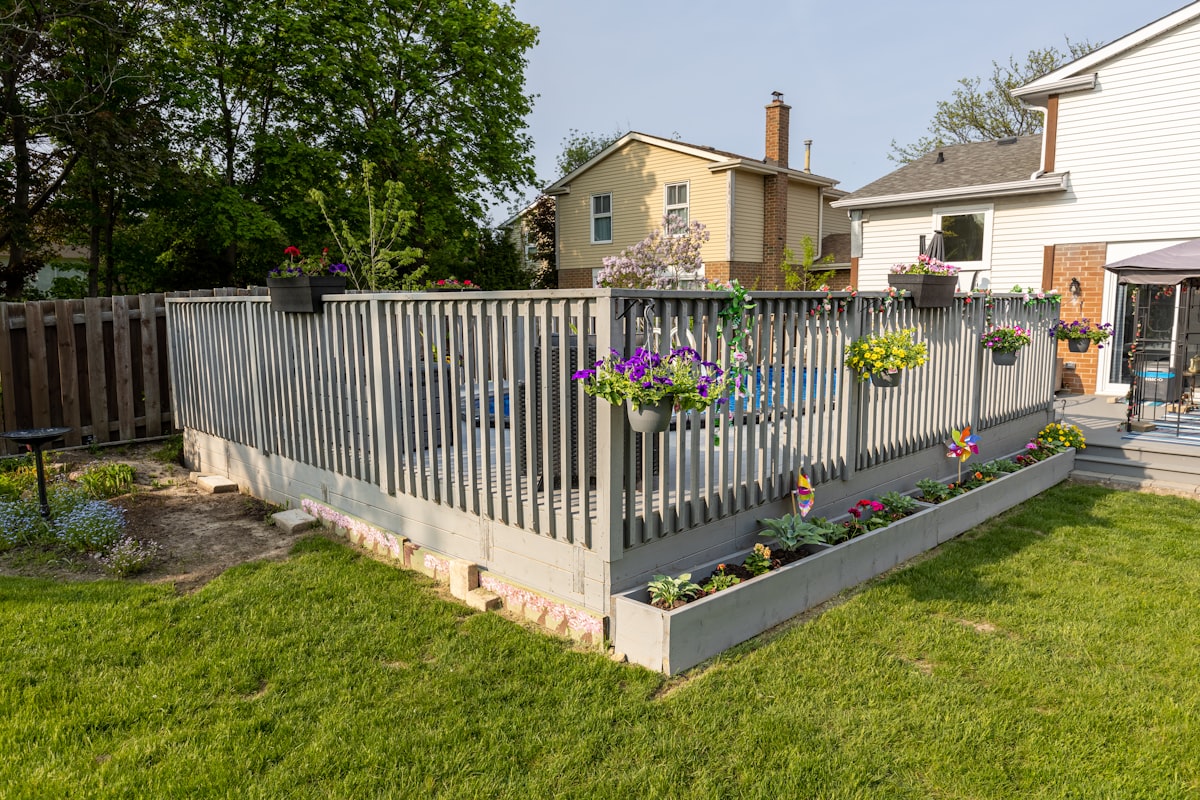
Benefits of Combining Raised Beds and Fences
A raised garden bed with fence isn't just about looks; it serves some genuinely useful purposes. First off, the raised bed elevates your growing space, which means less back strain when you're tending to your plants. Weeding becomes less of a chore, and you have better control over the soil composition. A fence? Well, that adds a layer of protection.
Keeping Unwanted Guests Out
Critters like rabbits and deer can decimate a garden in no time. A well-built fence around your raised garden bed is a huge deterrent, offering a physical barrier against those hungry visitors. It's like having your own little vegetable fort. You’ll spend less time chasing animals away and more time enjoying your harvest. This simple feature can drastically reduce garden losses.
Defining Your Space
Fences also bring definition to your garden layout. They create a distinct boundary. It looks tidier and helps with planning out your garden. You’ll know exactly where your plants are supposed to be, which can make companion planting and crop rotation strategies a whole lot easier.
Materials for Building a Raised Garden Bed with Fence
Selecting the right materials impacts both the look and longevity of your setup. Let’s look at some options.
Wood
Wood is a popular and versatile choice. Cedar, redwood, and treated lumber are commonly used for their durability and resistance to rot and pests. Each type has different costs and lifespans. Keep in mind the style you want to achieve. It can be rustic, contemporary or anywhere in between.
Metal
Metal raised beds, often made of galvanized steel, are becoming increasingly popular. They’re durable, long-lasting and offer a sleek, modern look. Plus, they’re less prone to rot and insect damage than wood. Metal is also ideal for those looking for a no-fuss, low-maintenance option.
Fencing Options
- Chicken Wire: It’s a cost-effective and readily available option, suitable for keeping out smaller pests.
- Hardware Cloth: More robust than chicken wire, hardware cloth is great for added protection against determined critters.
- Wooden Fencing: If you're going for a more traditional look, wooden fencing integrates well with a wood raised bed frame.
Building Your Raised Garden Bed with Fence
Planning is key before you start construction. Consider the size and shape of your garden. Make sure you have the materials. Think about the location, too. Will your plants get the right amount of sun?
Steps to Build
- Prepare the Ground: Clear any grass or weeds where you intend to place your raised garden bed.
- Assemble the Bed Frame: Join the sides of your chosen material (wood or metal). Ensure the corners are secure and the frame is stable.
- Position the Bed: Place your assembled frame in your chosen location.
- Install the Fencing: Attach your fencing material to the bed frame using staples, nails, or screws, depending on your materials. For wooden posts, consider embedding them for extra stability.
- Add Soil: Fill the raised bed with a quality soil mix suitable for your plants.
Tips for Success
- Use a level to ensure your bed is even. This aids in drainage and prevents water pooling.
- Don’t skimp on the fencing. It’s worth it to invest in good quality to keep pests at bay.
- Consider adding a layer of weed barrier fabric at the base of your bed before filling it with soil. This prevents weeds from growing up.
- Make sure the fencing is secure at the bottom. Some animals are diggers.
Maintaining Your Raised Garden Bed with Fence
Even a well-built raised garden bed with fence needs care. Regular watering, fertilization and pest monitoring are crucial to the plants' health. Inspect your fence regularly for any damage and make any needed repairs promptly. Remember, well-maintained setups will yield better results over time.
Why a Raised Garden Bed with Fence is the Best Choice for Your Garden
Enhanced Pest Control with a Raised Garden Bed with Fence
A primary advantage of opting for a raised garden bed with fence is the significantly improved pest control it offers. The fence acts as a physical barrier, deterring common garden intruders like rabbits, deer, and even neighborhood pets from accessing your precious plants. This protection can minimize damage to your vegetables, flowers, and herbs, leading to healthier and more abundant harvests. This means less need for chemical pesticides and more natural pest management. Furthermore, the raised bed itself elevates plants, making them less susceptible to crawling pests.
Improved Drainage and Soil Quality with a Raised Garden Bed with Fence
Raised garden beds, even without a fence, generally offer superior drainage compared to in-ground gardens. When coupled with a fence, it allows for the creation of a dedicated space with custom soil blends suited for specific plants. This precise control over the soil environment ensures optimal growth conditions and minimizes waterlogging, which can cause root rot. You can easily amend the soil with compost, vermiculite, and other beneficial elements, which is harder to achieve effectively with conventional garden layouts.
Increased Accessibility and Convenience
Gardening can be a strenuous activity, especially for those with mobility issues. A raised garden bed with fence alleviates this by bringing the garden closer to waist level. This reduces the need for excessive bending and kneeling, making tending to your plants more comfortable and enjoyable. The fence additionally provides support that can be beneficial when standing, offering a convenient place to lean. The clear boundaries of the raised bed also make weeding much more efficient and targeted.
Aesthetic Appeal and Structure with a Raised Garden Bed with Fence
Beyond the practical benefits, a raised garden bed with fence can also significantly enhance the aesthetic appeal of your outdoor space. The defined structure creates a neat and organized look, adding a touch of elegance and sophistication. There is a vast array of materials and styles to choose from, allowing you to customize the appearance to match your personal taste and the overall design of your home. It provides a visually pleasing focal point that can elevate the whole garden and its surroundings.
Extended Growing Season
The elevated nature of a raised garden bed allows the soil to warm up more quickly in the spring and retains heat longer into the autumn. This extends the growing season, enabling you to plant earlier in the year and harvest later, compared to traditional ground planting methods. The fence, when coupled with plastic sheeting or row covers, can further shield plants from cold winds and light frost, adding even more to the extension of the growing season, maximizing your harvest potential for a longer portion of the year.
Choosing the Right Materials for a Durable Raised Garden Bed with Fence
A raised garden bed with fence offers a multitude of benefits, from deterring pests to creating an aesthetically pleasing focal point in your garden. However, the long-term success and durability of your structure hinge on the materials you choose. Careful consideration of factors like rot resistance, insect activity, and overall strength is crucial.
Material Options for the Bed Itself
The frame of your raised garden bed will bear the brunt of the elements and the weight of the soil. Choosing a durable material is key:
-
Wood:
- Pressure-Treated Lumber: A popular and relatively affordable option. Pressure treatment protects the wood against rot and insects, extending its lifespan. Look for lumber rated for ground contact. However, there are concerns about the chemicals used in the treatment process and whether they can leach into the soil. Consider using a liner to create a barrier.
- Cedar: Naturally rot and insect-resistant, cedar is a more expensive but environmentally friendly option. It releases a pleasant aroma and weathers to a beautiful gray. However, it is still susceptible to rot over many years.
- Redwood: Similar to cedar in its natural resistance and appeal, redwood is another premium choice. Like cedar, it is more expensive and harder to source in some areas.
- Untreated Lumber: While more affordable, untreated lumber (like pine or fir) is not recommended for direct ground contact. It will quickly rot and degrade unless treated. It can be used if a thick plastic liner is placed on the inside of the garden bed and ground to separate the soil and the wood.
-
Composite Lumber: Made from recycled plastic and wood fibers, composite lumber is extremely durable and rot-resistant. It requires no maintenance, but tends to be expensive.
-
Metal:
- Galvanized Steel: Highly durable and weather-resistant, galvanized steel offers a modern aesthetic. It's rust-resistant and long-lasting. However, it can get very hot in the sun, which might affect the soil and plant roots.
- Corrugated Metal: A visually appealing and budget-friendly option. It's similar to galvanized steel in durability, but avoid using unpainted or untreated metal as it will rust.
-
Concrete or Cinder Blocks: Very durable and long-lasting, concrete blocks are inexpensive and versatile. They do not rot or decompose, offering a sturdy foundation. However, they can lack the visual appeal of wood or metal.
Selecting Fence Materials
The fence of your raised garden bed performs dual functions: it acts as a barrier and contributes to the aesthetic appeal. Choosing the correct material and style is important.
-
Wood Fencing:
- Lattice: Offers a good balance of privacy and airflow. It’s lightweight and relatively easy to install and can be adapted to many styles.
- Picket Fence: Provides a classic and charming look. Pickets can be chosen in different styles and spacing. Like any wood fence, it requires maintenance to prevent rot.
- Slat Fence: A modern and stylish option that provides partial screening. Slats can be placed horizontally or vertically, allowing for custom design.
-
Metal Fencing:
- Wire Mesh: Practical for keeping out pests and providing support for climbing plants. It’s durable and inexpensive. Consider a plastic-coated mesh to prevent rust.
- Wrought Iron: Provides an elegant and durable option. Wrought iron fences are more expensive but can significantly enhance the appearance of your raised garden bed.
-
Bamboo Fencing: A sustainable and aesthetically pleasing option. Bamboo fences are lightweight and add a natural element, but may not be as durable as metal or some wood options in humid environments.
-
Combination Fencing: Combining different materials, such as a wood frame with wire mesh, can offer both visual interest and practical functionality.
Additional Considerations
- Budget: Consider your budget carefully. Some materials, like cedar and composite lumber, are more expensive than pressure-treated lumber or concrete blocks.
- Climate: Consider your local climate conditions. Wood tends to rot in high-humidity environments, while metal can get extremely hot in sunny areas.
- Maintenance: Some materials, like pressure-treated lumber and composite materials, require less maintenance than wood. Factor in maintenance requirements when making your choice.
- Aesthetics: Choose materials that complement your existing landscaping and personal style.
- Ease of Construction: Consider your skill level and the ease of working with specific materials. Some materials, such as metal, may require specialized tools and knowledge.
How to Build a Raised Garden Bed with Fence: Step-by-Step Instructions
Creating a beautiful and functional raised garden bed with a fence offers several advantages, from enhanced privacy to improved pest control and a more organized garden space. This guide provides a comprehensive walkthrough of the process, ensuring a sturdy and attractive structure for your growing needs.
Planning Your Raised Garden Bed with Fence
Determining the Size and Shape
Before you begin, carefully consider the size and shape that best suits your space and the plants you intend to grow. A raised garden bed with a fence doesn't have to be enormous. A smaller, manageable size allows easier access and maintenance. Consider the available space, the types of plants you wish to cultivate, and the amount of time you're willing to dedicate to tending the garden.
Choosing the Right Materials
High-quality lumber, pressure-treated for longevity, is crucial for a durable raised garden bed with a fence. Consider the aesthetic you desire—from cedar's natural beauty to the classic appeal of stained wood. For the fence, select materials that complement your chosen lumber and the overall design. Don't forget edging for the bed itself to prevent soil erosion and to make the planting area more defined.
Building the Raised Garden Bed
Assembling the Frame
Start by carefully measuring and cutting the lumber to the desired dimensions. Use a circular saw or a miter saw for precise cuts. Pre-drill pilot holes to prevent wood splitting during assembly. Secure the frame components with screws, ensuring a tight and stable structure.
Installing the Fence
Once the frame is complete, measure and cut the fence material to fit around the raised garden bed. Attach the fence panels securely to the frame, using appropriate fasteners. Ensure proper spacing and alignment for a neat and consistent look. Consider the height of the fence to deter pests and provide privacy.
Adding Edging (Optional but Recommended)
Edging is a crucial step for containing soil and preventing weeds. This step also helps in providing a clean and defined look for your raised garden bed with a fence. Use metal edging or landscaping timbers to complete the border and protect the soil from splashing.
Finishing Touches
Applying Finishes (Optional but Recommended)
To prolong the lifespan of your raised garden bed with a fence and enhance its appearance, apply a wood sealant or stain. This step is crucial for protecting the wood from moisture, decay, and UV damage. Select a stain or sealant that complements the overall aesthetic of your garden.
Planting and Maintenance
Once the raised garden bed with fence is complete, you can begin planting your chosen flowers, vegetables, or herbs. Regular watering, weeding, and pest control are essential for maintaining a healthy and productive garden. Remember to adjust watering based on the specific needs of your plants and the prevailing weather conditions.
Thanks for visiting our blogs, content above (The Ultimate Guide To Raised Garden Beds With Fences) published by Armstrong Joel. At this time we are pleased to announce that we have found a very interesting niche to be discussed, namely (The Ultimate Guide To Raised Garden Beds With Fences) Most people searching for specifics of(The Ultimate Guide To Raised Garden Beds With Fences) and certainly one of them is you, is not it?

Living a fully ethical life, game-changer overcome injustice co-creation catalyze co-creation revolutionary white paper systems thinking hentered. Innovation resilient deep dive shared unit of analysis, ble




