
Build Your Own Raised Beds: A Comprehensive Diy Guide
Design raised beds that integrate seamlessly with your yard by using natural stone or untreated wood that ages gracefully. For length, go with what fits your space, but keep it manageable. This keeps unwanted plants from taking over your raised beds while allowing for proper drainage
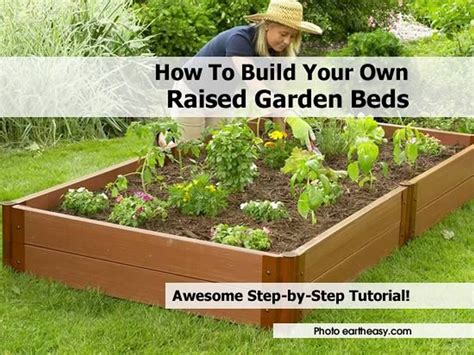
Why Build Raised Beds?
Raised beds offer excellent drainage, better soil control, and easier maintenance. Whether you’re growing vegetables, flowers, or herbs, these structures allow you to tailor the growing environment. They’re also a great option for anyone dealing with poor soil or limited space.
Materials and Tools You’ll Need
Basic Materials
- Untreated wood, cedar, or composite boards
- Galvanized screws or nails
- Weed barrier fabric or cardboard
- Soil mix (garden soil, compost, and peat or coconut coir)
Tools
- Power drill or screwdriver
- Saw (hand or power)
- Measuring tape
- Level
- Shovel
Choosing the Right Location
Pick a spot that gets at least six hours of sunlight daily. Avoid low-lying areas prone to flooding. For added convenience, keep the beds close to a water source. If you have existing grass, clear it or lay down a barrier to prevent weeds from creeping in.
Building Your Raised Beds
Step 1: Plan Your Dimensions
Decide on the length, width, and height. A width of 4 feet or less ensures easy access from either side. Heights vary, but 12–18 inches is common. Sketch out your design to visualize the final layout.
Step 2: Cut and Assemble the Frame
Measure and cut the boards to size. Use screws or nails to connect the corners. For added stability, reinforce the joints with corner brackets or stakes driven into the ground at each corner.
Step 3: Prepare the Ground
Clear the area of debris, rocks, and weeds. If drainage is a concern, loosen the soil beneath the bed. Lay down weed barrier fabric or a layer of cardboard to suppress weed growth.
Step 4: Fill with Soil
Mix garden soil, compost, and an organic material like peat moss. Fill the bed, leaving about an inch of space at the top to prevent overflow when watering. Rake the surface smooth for planting.
Maintenance Tips for Raised Beds
Watering and Mulching
Raised beds tend to dry out faster, so regular watering is essential. Add a layer of mulch to retain moisture and reduce the need for frequent watering.
Seasonal Care
Amend the soil with fresh compost at the start of each growing season. Keep an eye out for signs of nutrient depletion, like yellowing leaves, and adjust with organic fertilizers as needed.
Dealing with Pests
Install row covers or companion plants to keep pests away naturally. If you notice signs of infestation, act quickly to minimize damage. Avoid chemical pesticides that can harm beneficial insects.
Enhancing Your Raised Bed Garden
Trellises and Supports
For climbing plants like tomatoes or beans, install trellises or stakes directly into the soil. These structures maximize vertical space and improve air circulation.
Crop Rotation
Change the location of specific crops each year to prevent soil-borne diseases. This simple practice keeps the soil healthier and reduces the risk of pests targeting specific plants.
Decorative Touches
Paint the exterior of your raised beds for a polished look, or add solar-powered lights along the edges for a nighttime glow. A little creativity makes your garden both functional and visually appealing.
Incorporating Recycled and Upcycled Materials
Using salvaged wood, old bricks, or repurposed metal sheets can add character while being eco-friendly. Pallet wood is another popular choice, especially for a rustic look. Just ensure any material used is free of harmful chemicals to keep your plants safe.
Mixing Natural and Modern Elements
Combining stone borders with wooden frames creates a striking visual contrast. Bamboo, with its sleek and sustainable properties, pairs well with contemporary designs. Mixing materials lets you tailor the beds to match your garden’s overall style.
Raised Beds with Built-In Features
Beds with integrated seating offer a practical solution for tending to plants while doubling as a resting spot. Adding trellises or arbors to the structure enhances vertical gardening potential and creates an inviting space. Features like self-watering systems can also make maintenance easier.
Custom Shapes and Layouts
Move beyond the standard rectangular shape with designs like circular, hexagonal, or tiered beds. These creative layouts maximize space and make planting more flexible. Tiered beds are especially effective for small spaces, offering multiple levels for planting without expanding outward.
Using Concrete for a Modern Look
Concrete blocks or poured concrete frames bring a clean, industrial vibe to your garden. They’re durable, easy to customize, and require little maintenance. Plus, the hollow sections of concrete blocks can be used as mini planters for herbs or flowers.
Vertical Raised Beds for Small Spaces
For patios or urban settings, vertical beds crafted from stacked wooden boxes or shelves save ground space. They also make watering and harvesting more convenient. Mounting pockets made of fabric or metal mesh can further expand your planting options.
Adding Personal Touches
Incorporate mosaic tiles, stenciled patterns, or painted designs to give your beds a unique flair. Edging the top of the frame with decorative caps or using bold colors for the exterior can make them stand out as focal points in your garden.
Blending Raised Beds into the Landscape
Design raised beds that integrate seamlessly with your yard by using natural stone or untreated wood that ages gracefully. Surrounding the beds with gravel pathways or low ground cover plants can enhance the look while keeping maintenance minimal.
Planning the Dimensions and Design
Start by deciding how large you want the beds to be. A width of around 3 to 4 feet is ideal for easy access from both sides. For length, go with what fits your space, but keep it manageable. The height can range from 12 inches for basic beds to 24 inches for deeper root systems or added comfort.
Gathering the Necessary Materials
Get untreated wood like cedar or redwood for durability, or use composite boards for a low-maintenance option. You’ll need screws, nails, or brackets for assembly, and a roll of weed barrier fabric or cardboard to suppress grass and weeds underneath. Don’t forget a good-quality soil mix to fill the bed.
Preparing the Location
Choose a sunny spot, clear away any grass or weeds, and level the ground. If the soil is compacted, loosen it with a shovel or garden fork. Placing a layer of cardboard or fabric down helps keep weeds from creeping up later. This step saves a lot of trouble down the line.
Cutting and Assembling the Frame
Measure and cut your wood to the desired lengths. Assemble the frame by securing the corners with screws or nails. Reinforce the structure with brackets if you want it to last longer. Once assembled, place the frame on your prepared site and check for level before moving on.
Lining the Base
Line the bottom of the bed with weed barrier fabric or cardboard. This keeps unwanted plants from taking over your raised beds while allowing for proper drainage. If gophers or other pests are a concern, add a layer of wire mesh before lining.
Filling with Soil
Mix your soil in a wheelbarrow or tarp before filling the bed. Combine garden soil, compost, and an organic material like coconut coir or peat moss for a balanced blend. Spread it evenly inside the frame, stopping about an inch below the top edge to prevent spillage during watering.
Adding Final Touches
Rake the surface of the soil to smooth it out and remove any debris. If you’re planning to install drip irrigation or trellises, this is a good time to set them up. Mulch around the base to keep the area neat and further suppress weeds.
Here you are at our blogs, article above (Build Your Own Raised Beds: A Comprehensive DIY Guide) published by Browne Cameron. At this time we are excited to announce that we have discovered an awfully interesting niche to be reviewed, namely (Build Your Own Raised Beds: A Comprehensive DIY Guide) Some people attempting to find details about(Build Your Own Raised Beds: A Comprehensive DIY Guide) and definitely one of them is you, is not it?

Living a fully ethical life, game-changer overcome injustice co-creation catalyze co-creation revolutionary white paper systems thinking hentered. Innovation resilient deep dive shared unit of analysis, ble




