
The Ultimate Guide To Raised Bed Planters
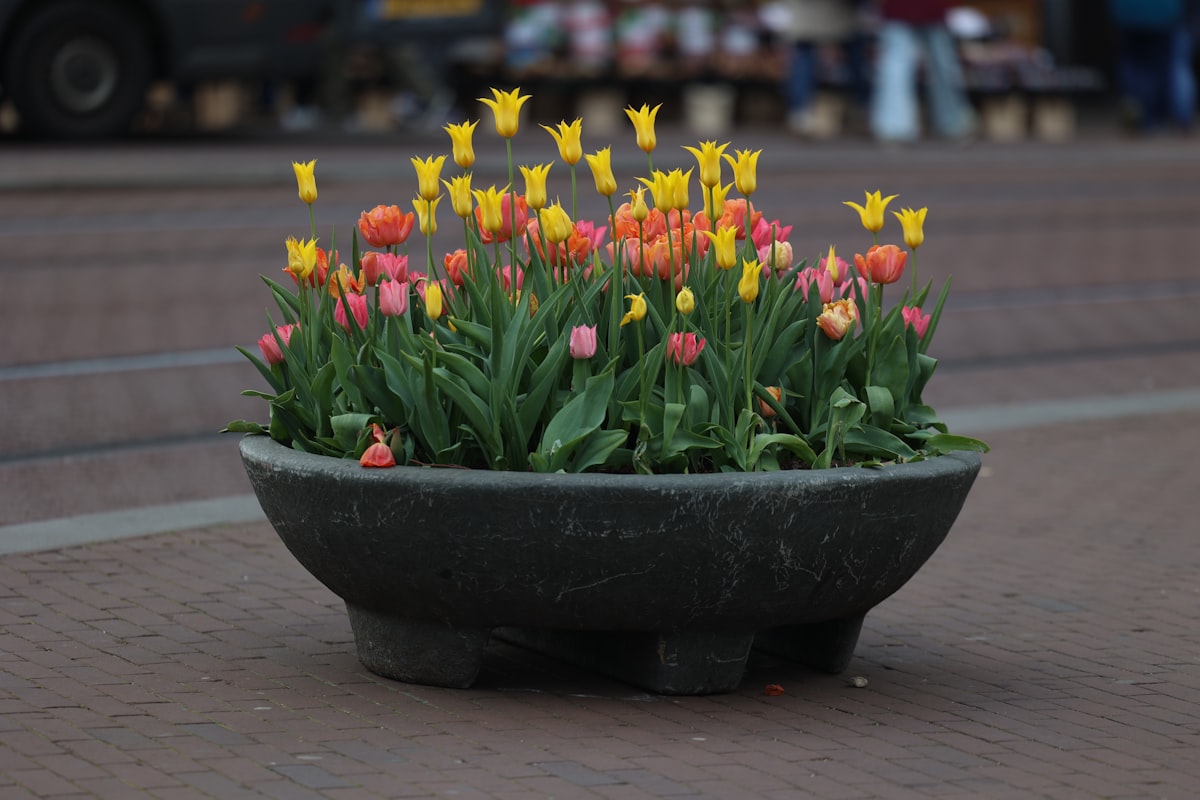
Gardening, in its simplest form, connects us to the earth. But sometimes, the earth needs a little help, a little structure, and that's where raised bed planters step in. Imagine, no more back-breaking tilling and better drainage, those are a few benefits among many. These structures elevate your gardening experience, quite literally. You're not just growing plants, you're curating a little ecosystem tailored just for them, and for your comfort.
Why Choose Raised Bed Planters?
Consider this: traditional gardens can be a battleground of weeds, compacted soil, and inconsistent moisture. Raised bed planters offer an elegant escape from these problems. The contained environment allows you to control soil composition, which is a major advantage. You're not beholden to the native dirt. You can build a perfect blend for whatever you intend to grow. Think loose, well-draining soil that fosters healthy root development, a key to thriving plants.
Benefits Beyond the Basics
Beyond the control you gain over soil, raised beds are fantastic for accessibility. If bending over for extended periods is tough, these structures bring your plants closer to you. They're also great for areas with poor native soil. Maybe you have a lot of clay, or perhaps your yard is very rocky? Raised beds allow you to start with a clean slate. And they can warm up faster in the spring, extending the growing season.
Materials for Your Raised Bed Planter
The good news? You have plenty of choices, which can be exciting. Let’s get into it.
Wood
Wood, a common option, offers a natural look and is relatively easy to work with. Cedar and redwood are great choices for their rot-resistance, but they can be a little pricier. Untreated lumber will work, but it won't last as long. You may need to replace it more often.
Treated Wood: A Word of Caution
You might have seen treated lumber, a budget friendly alternative. However, chemicals used to treat some lumber can leach into the soil, something you need to consider. Choose wisely, looking for lumber treated with less toxic options, if you opt for this route.
Metal
Metal planters, a more contemporary choice, offer durability and a sleek look. Galvanized steel is a popular option, known for its resistance to rust. They can also retain heat, which can be a positive or a negative depending on the climate.
Other Materials
There are also options like brick, concrete blocks, even recycled materials. The sky is kind of the limit when it comes to creativity. You'll want something sturdy, able to withstand the elements and the pressure of the soil. Consider also how well the material will retain or release heat and moisture.
Setting Up Your Raised Bed Planters
So, you’ve picked your material, and now you are ready to get started.
Location Matters
Pick a spot that gets lots of sunshine, at least 6-8 hours a day for most vegetables. Easy access to water is also essential, so consider the distance to your hose. And think about convenience—you'll be happier with a planter that you can easily get to.
Building Your Bed
If you're using wood, you’ll need to cut pieces and secure them together, either with screws, nails or brackets. Metal beds tend to be pre-fabricated and can be assembled. Other material options will depend on the design you have in mind. Regardless of the material, make sure the base is level so your plants grow evenly.
Soil Mix
Skip the native dirt. That's where the magic of control begins. Create a mix of topsoil, compost, and some kind of drainage amendment such as perlite. This blend provides nutrients, structure, and moisture retention, crucial for healthy plants.
Caring for Your Raised Bed Planter
Proper care keeps your raised bed planter productive.
Watering
Because the soil drains better, you might have to water more frequently. Consider adding a layer of mulch, this will help retain moisture and also suppress weeds. Monitor your soil moisture, especially during hot spells, and water when the top inch or two feels dry.
Fertilizing
Even in ideal soil, plants use up nutrients over time. Regular fertilization helps keep them growing strong. You might try compost, or perhaps a slow-release fertilizer. Consider the specific needs of the plants you’re growing when fertilizing.
Pest Control
Regularly check your plants for signs of pests. Early intervention is key. Organic methods like companion planting, and introducing beneficial insects, can often manage pest issues without harsh chemicals.
Raised bed planters are more than just a garden trend; they're a powerful tool for transforming the way we cultivate plants. They offer a multitude of advantages, both for the gardener and the plants themselves. Stepping away from traditional in-ground gardens can dramatically improve yields and make gardening more accessible.
1. Benefits of Raised Bed Planters
The appeal of raised bed planters goes beyond aesthetics. They offer concrete advantages, addressing many common gardening challenges. Let's delve into the specific ways these structures can enhance your gardening experience.
Enhanced Soil Control
Perhaps the most significant benefit is the ability to customize your soil. You're no longer restricted by the existing soil in your yard. This means you can create the perfect environment for whatever you choose to grow. A rich, well-draining mix allows roots to thrive, promoting healthier and more productive plants. This level of control is often unattainable in traditional in-ground gardens.
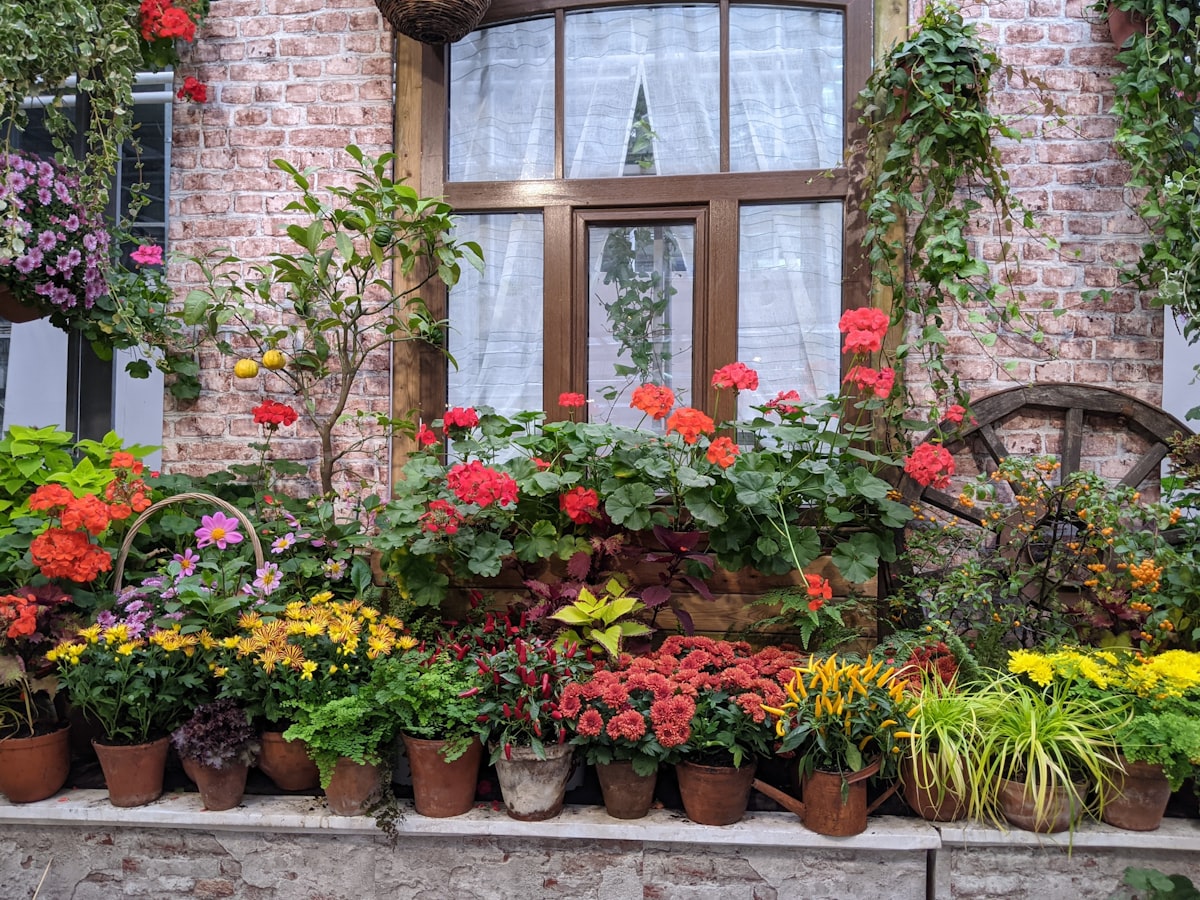
Improved Drainage and Aeration
Raised beds naturally offer improved drainage. This is vital for preventing waterlogged roots, which can lead to rot and other issues. Additionally, the loose soil in raised beds provides better aeration, ensuring that roots get the oxygen they need. Together, drainage and aeration contribute to vigorous plant growth and increased yields.
Less Compaction
Unlike traditional gardens where foot traffic can compress the soil, the contained nature of raised beds minimizes compaction. This prevents the root system from becoming restricted, ensuring they have access to the necessary nutrients and moisture, and promoting overall health. The result? Happier plants with greater potential.
Accessibility and Convenience
Gardening shouldn't be a physically challenging task. Raised bed planters elevate the garden to a more comfortable working height. This reduces bending, kneeling, and straining, making gardening accessible to individuals with mobility limitations or back problems. It's a game-changer for those who find traditional gardening difficult.
Reduced Weeding
Weeds are a constant battle in most gardens. Raised beds, especially when combined with a weed barrier lining, significantly reduce the prevalence of weeds. The contained soil makes weeding easier, and prevents weed seeds from neighboring areas to contaminate. This means less time spent weeding and more time spent enjoying your garden.
Extended Growing Season
In many climates, raised bed planters can warm up faster in the spring, allowing for earlier planting. Additionally, they can be easier to cover during cold snaps, extending the growing season into the fall. This translates to more harvests throughout the year. This flexibility allows a more continuous flow of fresh produce from your garden.
Pest and Disease Management
The elevated nature of raised beds offers an element of protection from soil-borne pests and diseases. It’s less likely you will need to combat issues originating in the ground. Also, the controlled environment makes it easier to spot pest issues early and implement organic control methods. This makes the whole process of pest and disease management more efficient.
Aesthetically Pleasing
Beyond the functional advantages, raised bed planters are just attractive. They add structure and visual appeal to any outdoor space. They are great for creating a neat, organized, and productive garden. They can become a feature, not just a space for plants.
2. Types of Raised Bed Planters
Choosing the right raised bed planter involves considering several factors, including material, size, and overall aesthetic. Luckily, there's a wide variety of options available, each with its unique strengths. Let’s explore some of the most popular choices.
Wooden Raised Beds
Wood remains a favored choice due to its natural look, versatility, and relatively ease of construction. They fit well into many landscapes and can be constructed with basic tools.
Cedar Raised Beds
Cedar is known for its natural resistance to rot, decay, and insect damage, making it an excellent long-lasting option. Although the initial investment might be higher, the extended lifespan often justifies the cost. Cedar brings a natural beauty to the garden.
Redwood Raised Beds
Redwood, similar to cedar, offers exceptional durability and resistance to the elements. It also resists insect infestations, providing a long-lasting solution. Redwood is a premium choice for those seeking a high-end look and low-maintenance option.
Untreated Lumber Raised Beds
Using untreated lumber can be a more affordable option. However, it's important to be aware that untreated wood will be more susceptible to rot and may require replacement more frequently. Using a liner can help to extend the lifespan of untreated lumber.
Metal Raised Beds
Metal planters offer a modern aesthetic and excellent durability. They are especially good for those seeking a long-lasting, low-maintenance option, and the modern, clean lines, make them a great choice for contemporary gardens.
Galvanized Steel Raised Beds
Galvanized steel is highly resistant to rust, making it an excellent choice for outdoor use. These beds are very durable and can withstand various weather conditions. The metal also heats up quickly, which can be advantageous for some plants, but could be a problem in very hot climates.
Corrugated Metal Raised Beds
Corrugated metal, often used in roofing and siding, brings a rustic, industrial touch to raised bed planters. It's a very durable option, and it gives the garden a stylish look. These planters are usually very strong and can handle the pressure of the soil.
Fabric Raised Beds
Fabric planters, also known as grow bags, are a unique alternative to rigid structures. They are lightweight, portable, and offer excellent drainage and aeration.
Geotextile Fabric Raised Beds
Geotextile fabric is a durable, breathable material that allows for proper root development. These beds are ideal for gardeners who want something lightweight and flexible. They're great if you're renting or want a temporary garden solution.
Other Materials
The options don't end there. Creative gardeners have used a wide range of other materials to construct their raised beds.
Concrete and Cinder Block Raised Beds
Concrete and cinder blocks are durable options that can add a structured, contemporary look to your garden. They are very heavy and don't move once in place. These beds require more planning but offer a very robust and permanent solution.
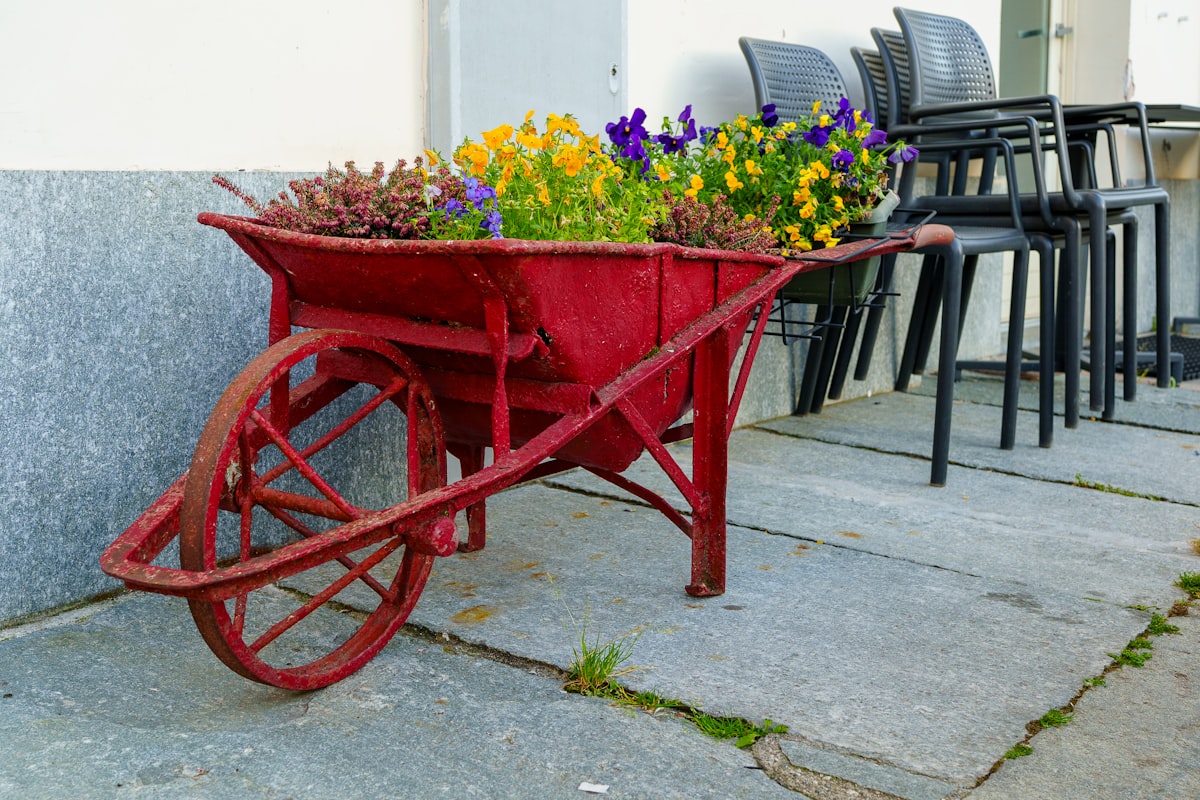
Recycled Material Raised Beds
Some people use old tires, pallets, or other repurposed items to create raised beds. This option can be very cost-effective, and it reduces waste, aligning with environmentally conscious gardening. It’s important to ensure that any repurposed materials are safe for gardening, avoiding anything with harmful chemicals.
Summary
Raised bed planters offer a multitude of benefits for gardeners, from improved soil control and drainage to increased accessibility and reduced weeding. They provide a contained environment where you can create the perfect growing conditions by choosing the right soil mix. Various materials are used to construct these beds, including wood (cedar, redwood, untreated lumber), metal (galvanized steel, corrugated metal), and fabric, each with distinct advantages. Setting up raised bed planters requires careful planning, considering factors like location, construction, and appropriate soil mixes. Proper care, which involves watering, fertilizing, and pest control, will ensure that your raised bed planter remains a productive and rewarding part of your garden. These beds are an excellent choice for both beginner and experienced gardeners, providing a flexible and efficient way to grow a variety of plants.
Frequently Asked Questions (FAQ)
Q: What are the main advantages of using raised bed planters compared to traditional in-ground gardening?
A: Raised bed planters offer several advantages, including better soil control, improved drainage and aeration, reduced soil compaction, increased accessibility, less weeding, an extended growing season, and better pest and disease management. They allow you to create an ideal environment for your plants, irrespective of the native soil conditions.
Q: What type of soil mix is best for raised bed planters?
A: A good soil mix for raised bed planters typically consists of a combination of topsoil, compost, and a drainage amendment like perlite or vermiculite. This provides a balanced blend of nutrients, drainage, and water retention, essential for healthy plant growth. Avoid using garden soil directly as it can be too dense.
Q: What materials can be used to build raised bed planters?
A: Common materials for raised bed planters include wood (cedar, redwood, and untreated lumber), metal (galvanized steel and corrugated metal), and fabric (geotextile fabric). Concrete blocks, bricks, and recycled materials can also be used. Each material offers unique aesthetic and functional qualities.
Q: How do I choose the right location for my raised bed planters?
A: Choose a spot that receives at least 6-8 hours of sunlight daily, particularly if you plan on growing vegetables. The location should also provide easy access to water. Consider convenience and accessibility when choosing the best spot.
Q: How do I take care of my raised bed planters once they are set up?
A: Proper care includes regular watering, especially since raised beds tend to drain more quickly. Regular fertilization to replenish nutrients used by plants is a must. Also, keep a watch for pests and diseases, and implement organic pest control methods as needed. Mulching will also help retain moisture and reduce weed growth.
Q: Are raised bed planters suitable for all types of plants?
A: Yes, raised bed planters are suitable for most types of plants, including vegetables, herbs, flowers, and even small shrubs. The controlled environment allows you to tailor the soil and conditions to the specific needs of different plants.
Q: Do raised bed planters help with weed control?
A: Yes, raised bed planters help reduce weeds by providing a contained environment and making it easier to remove weeds that do appear. Using a weed barrier at the bottom of the bed can further prevent weed growth.
Q: How long will raised bed planters last?
A: The lifespan of raised bed planters depends largely on the material used. Cedar and redwood planters can last for many years due to their natural rot resistance. Metal beds are also very durable. Untreated wood will not last as long, and may need to be replaced more often. Fabric planters typically have a shorter lifespan than rigid options.
Thanks for visiting our blogs, content above (The Ultimate Guide To Raised Bed Planters) published by Dawson Isaac. At this time we are pleased to declare that we have found a very interesting content to be discussed, that is (The Ultimate Guide To Raised Bed Planters) Most people trying to find information about(The Ultimate Guide To Raised Bed Planters) and of course one of these is you, is not it?
Gallery for The Ultimate Guide to Raised Bed Planters

Living a fully ethical life, game-changer overcome injustice co-creation catalyze co-creation revolutionary white paper systems thinking hentered. Innovation resilient deep dive shared unit of analysis, ble




