
Build Your Dream Garden With Raised Bed Plans
Raised beds offer a fantastic way to cultivate your dream garden, even if you have less-than-ideal soil. The strategic use of trellises or other support structures allows for maximizing vertical space in your raised beds. Various types of raised bed plans are explored, catering to different needs and preferences, offering readers a wide range of options to choose from depending on their available space, budget, and gardening style
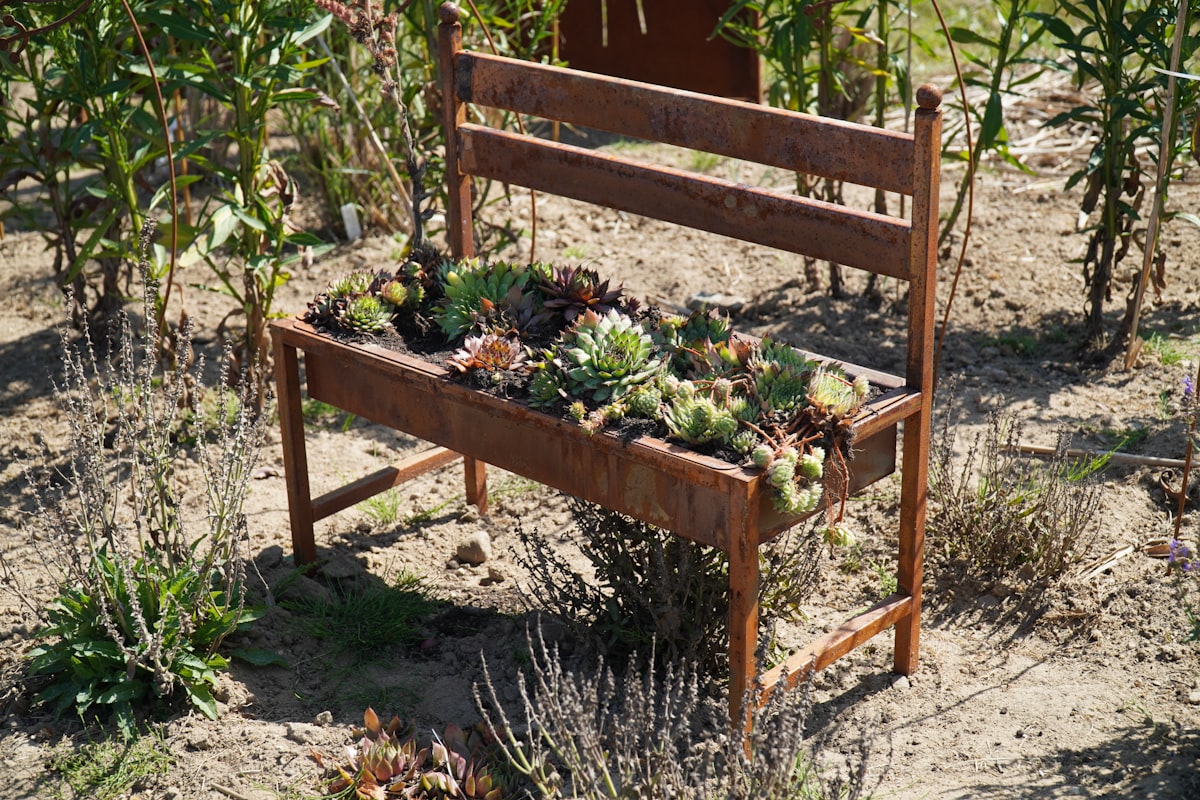
Build Your Dream Garden with Raised Bed Plans
Why Choose Raised Beds?
Raised beds offer a fantastic way to cultivate your dream garden, even if you have less-than-ideal soil. Imagine the ease of gardening without back-breaking bending. Plus, you gain better control over soil composition, drainage, and weed management. It's all about creating the perfect growing environment for your plants.
Designing Your Raised Bed Paradise: Planning is Key
Before you grab a shovel, take some time to map out your garden. Consider the sun's path throughout the day. Different vegetables need varying amounts of sunlight. Think about the size and shape of your beds, too. Long, narrow beds can make weeding easier, while square beds might be better for certain crops. Sketch it out – it's a lot easier than fixing mistakes later.
Choosing the Right Materials
The beauty of raised beds is the versatility of materials. Recycled pallets add a rustic charm. Untreated lumber is a classic choice. Even durable plastic provides a long-lasting, low-maintenance option. The best material depends on your style and budget. Consider the lifespan and the look you're aiming for.
Essential Dimensions for Success
Getting the dimensions right is crucial for optimal growing conditions. Depth matters— plants need enough space for their roots to thrive. Too shallow, and your plants will struggle. A depth of 12-18 inches is a solid starting point for most vegetables. Width should be manageable for easy access to all parts of the bed. Anything wider than 4 feet makes reaching the center difficult.
Building Your Raised Beds: A Step-by-Step Guide
With your plans finalized, construction is straightforward. Start by assembling your chosen materials according to your design. Secure the corners well to ensure stability. Remember that strong, stable construction is key. If using lumber, consider pre-treating it for longevity. Laying landscape fabric inside the bed before adding soil helps prevent weed growth. Finally, fill your beds with a nutrient-rich soil mix.
Maintaining Your Raised Bed Garden
Regular watering is critical, especially during dry spells. Mulching helps retain moisture and suppress weeds, minimizing maintenance. Fertilizing is important to provide the nutrients your plants need for healthy growth. A regular inspection will allow you to spot and address any potential problems promptly. Regular weeding is also crucial for maintaining a healthy and productive garden.
Enjoying the Fruits (and Vegetables!) of Your Labor
Now comes the rewarding part: planting your chosen seeds or seedlings. Remember to space your plants correctly. Enjoy watching your garden flourish, knowing you've created the perfect environment for healthy growth. Harvesting your homegrown produce is incredibly satisfying. You'll be amazed at the difference a raised bed garden can make. And remember, those delicious vegetables were grown with your own two hands.
Elevate Your Garden: A Premium Guide to Raised Bed Gardening
Get Started with Raised Bed Gardening
Raised bed gardening offers a wealth of benefits for both seasoned gardeners and enthusiastic beginners. It provides exceptional control over soil quality, drainage, and weed management, resulting in healthier, more bountiful harvests. The increased ease of access makes gardening more enjoyable, especially for those with mobility challenges. This guide will provide you with the essential knowledge and steps to create thriving raised bed gardens.
Choosing the Perfect Location for Your Raised Beds
The success of your raised beds depends greatly on their placement. Select a sunny location that receives at least six hours of direct sunlight daily. Consider the proximity to a water source to simplify watering. Analyze the existing landscape, paying attention to drainage and potential wind exposure. Well-drained soil is crucial to prevent root rot. Avoid areas prone to flooding or standing water.
Essential Considerations for Raised Bed Dimensions and Materials
The size and material of your raised beds will impact their longevity and effectiveness. Popular materials include cedar, redwood, and treated lumber for a rustic aesthetic. Sustainable and aesthetically pleasing options like reclaimed pallets or composite materials are also gaining popularity. Common depths range from 12 to 18 inches to accommodate most vegetable roots comfortably, with a width that allows easy access from all sides (generally 4 feet or less). Longer beds offer efficient space use but may require more frequent watering.
A Step-by-Step Guide to Building Your Raised Beds
Begin by creating a detailed plan, including precise measurements and material quantities. Prepare the ground, removing grass and weeds thoroughly. Assemble your chosen materials following the manufacturer’s instructions, ensuring robust construction and watertight joints. The use of galvanized screws or stainless steel fasteners is advisable to prevent rust and enhance longevity. Line the interior with landscaping fabric to control weeds and improve drainage. Finally, fill the beds with high-quality soil amended with compost or other organic matter.
Optimizing Your Raised Bed for Abundant Harvests
Beyond the initial construction, successful raised bed gardening involves ongoing care and attention. Understanding the nutritional needs of your chosen plants is key to optimizing yields. Regular monitoring for pests and diseases is also vital. Proactive measures, such as companion planting and the introduction of beneficial insects, can significantly improve plant health.
Essential Soil Management Techniques
Maintaining soil fertility is crucial for sustained plant growth. Regular testing and amendment with compost or other organic materials help replenish essential nutrients. Appropriate mulching helps to regulate soil temperature, moisture retention, and weed suppression. Consider using drip irrigation systems for precise water delivery. Avoid overwatering, as this can lead to root rot and fungal diseases.
Advanced Techniques for Maximizing Yields
Advanced techniques such as crop rotation can help to prevent soil depletion and reduce pest and disease pressures. Intercropping, or planting different species in close proximity, can enhance growth and deter pests naturally. The strategic use of trellises or other support structures allows for maximizing vertical space in your raised beds. Experimentation with companion planting can also significantly improve the health and yield of your crops.
Harvesting and Maintaining Your Raised Bed Garden
Regular harvesting is important not just for enjoying the fruits of your labor, but also for encouraging continued growth. Removing mature plants allows the remaining plants more space and resources. Regular maintenance ensures the continued health of your raised bed garden. This includes weeding, pest monitoring, and soil amendment as needed. Cleanliness is key in preventing disease and pest build-up. Planning for winter ensures your raised beds remain productive year-round, potentially by using cold-hardy crops or employing cold frames.
Designing Your Dream Garden: A Premium Guide to Raised Bed Plans
Types of Raised Beds to Suit Your Needs
Choosing the right type of raised bed is crucial for maximizing your garden's potential. The ideal design will depend on your space, budget, and gardening style. This section explores various raised bed designs, offering insights into their benefits and considerations.
Traditional Rectangular Raised Beds
These classic designs are simple to construct and highly versatile. They are ideal for smaller gardens and offer excellent accessibility for planting and harvesting. Their straightforward design makes them perfect for beginners.
Considerations for Rectangular Beds:
- Size: Standard dimensions typically range from 4 feet wide (for easy access) by 8 feet long. However, adjust to fit your space and planting needs.
- Materials: Untreated lumber (cedar, redwood), recycled pallets (ensure they are free from harmful chemicals), or composite materials offer durable options.
- Maintenance: Regular weeding and occasional soil replenishment are necessary.
Elevated Square-Foot Gardening Beds
This method maximizes space by dividing the raised bed into smaller, one-square-foot sections. Each square can accommodate a specific plant, optimizing space utilization and promoting even growth. Ideal for maximizing yields in limited spaces.
Considerations for Square-Foot Gardening:
- Planning: Careful planning is crucial to ensure optimal plant spacing and to prevent overcrowding.
- Construction: Requires precise measurements and construction to create the individual square sections.
- Maintenance: Easier to maintain individual plants compared to large, mixed beds.
Tiered or Vertical Raised Beds
These space-saving designs stack raised beds vertically, maximizing planting area in limited vertical spaces. Perfect for small patios, balconies, or areas with limited ground space.
Considerations for Tiered Beds:
- Stability: Requires sturdy construction and secure anchoring to ensure stability and prevent tipping.
- Accessibility: Reaching the higher tiers may present challenges for some gardeners.
- Watering: May require more frequent watering, especially in warmer climates.
Keyhole Raised Beds
Designed with a central access point, keyhole raised beds offer a unique space-saving design. The central keyhole provides easy access to the center of the bed.
Considerations for Keyhole Beds:
- Unique Design: The design requires a bit more planning and a slightly more complex construction.
- Watering: The central keyhole improves water efficiency.
- Accessibility: The central keyhole allows easy access to all areas of the bed.
Curved or Free-Form Raised Beds
These aesthetic designs offer a more natural look, blending seamlessly into the garden landscape. They are perfect for creating a visually appealing and organic feel within the garden.
Considerations for Curved Beds:
- Construction: Requires more advanced planning and construction skills.
- Materials: Adaptable to many materials, but more complex shapes require careful planning and measurement.
- Maintenance: May require a slightly higher level of maintenance due to the less structured shape.
Selecting the Right Raised Bed Plan for Your Garden
The choice of raised bed design is a critical first step in building your dream garden. Consider your available space, gardening experience, aesthetic preferences, and long-term goals. Research and choose a plan that aligns with your needs. Careful planning and preparation will enhance your gardening experience. Remember to select quality materials and prioritize proper construction for a long-lasting and productive raised bed garden.
Building Your Dream Garden: A Comprehensive Guide to Raised Bed Plans
Tools and Materials You'll Need for Your Raised Bed
Before embarking on your raised bed project, gathering the necessary tools and materials is crucial for a smooth and efficient construction process. Having everything readily available will save you time and frustration.
Essential Tools for Raised Bed Construction
A well-equipped toolbox is essential for successful raised bed construction. The specific tools needed will depend on the chosen design and materials, but the following list covers the essentials for most projects.
Basic Hand Tools:
- Measuring tape: Accurate measurements are crucial for precise construction.
- Level: Ensures your raised bed is level for even settling and drainage.
- Shovel: For digging and soil preparation.
- Spade: For digging and moving larger amounts of soil.
- Hammer: For securing materials.
- Screwdriver (Phillips and flathead): For assembling pre-fabricated kits or fastening components.
- Safety Glasses: Protecting your eyes from flying debris is essential.
- Work Gloves: Protect your hands from splinters and calluses.
Power Tools (Optional, but Helpful):
- Drill with drill bits: Accelerates the construction process when using screws or fasteners.
- Circular saw (or hand saw): For cutting lumber to precise lengths and creating angled cuts.
- Post-hole digger (for post-supported raised beds): Facilitates efficient digging for support posts.
Essential Materials for Your Raised Bed
The choice of materials significantly impacts the longevity, aesthetic appeal, and cost of your raised bed.
Common Construction Materials:
- Untreated lumber (cedar, redwood, or pressure-treated pine): Durable, aesthetically pleasing, and readily available. Ensure that pressure-treated lumber is rated for ground contact.
- Recycled pallets: A cost-effective and eco-friendly option. Ensure they are clean, treated appropriately (if necessary), and free from hazardous chemicals.
- Composite materials: Low-maintenance, durable, and weather-resistant.
- Concrete blocks: A very durable, low-maintenance and long-lasting option for creating a strong raised bed.
- Landscape fabric: Helps prevent weeds from growing into your raised bed and improves drainage.
- Fasteners: Galvanized screws or stainless steel fasteners resist rust and provide a long-lasting secure assembly.
- Soil: High-quality soil mix tailored to your plants' needs. Consider using a blend of topsoil, compost, and other organic matter.
- Mulch (optional): Helps retain moisture, suppresses weeds, and regulates soil temperature.
Preparing Your Workspace
Before you begin construction, prepare your workspace for smooth and efficient construction. Clear the area where your raised bed will be located, removing any debris, rocks, or vegetation. Consider using a level surface for optimal stability. Having the necessary materials readily accessible within easy reach minimizes wasted time.
Choosing the Right Materials for Your Project
Selecting appropriate materials is crucial for the success of your raised bed. Consider factors like durability, aesthetics, cost, and the expected lifespan. The choice of materials will also influence the tools needed. Remember to choose high-quality materials to ensure a long-lasting raised bed that will provide years of gardening enjoyment.
Summary of "Build Your Dream Garden with Raised Bed Plans"
This article provides a comprehensive guide to designing, building, and maintaining raised bed gardens. It begins by highlighting the advantages of raised beds, such as improved soil control, ease of access, and weed management. The article then delves into the planning process, emphasizing the importance of considering sunlight, dimensions, and material choices for your raised beds. Detailed instructions are provided on building raised beds, including choosing appropriate materials (lumber, recycled pallets, plastic), calculating optimal dimensions, and assembling the structure. Subsequent sections cover soil preparation, ongoing maintenance (watering, fertilizing, weeding), and harvesting. Various types of raised bed plans are explored, catering to different needs and preferences, offering readers a wide range of options to choose from depending on their available space, budget, and gardening style. Finally, a detailed list of tools and materials is provided to ensure readers are well-equipped for their raised bed project. Throughout the article, the benefits and considerations of using various materials are highlighted, making it easy for readers to make informed decisions when choosing their raised bed plans.
FAQ: Build Your Dream Garden with Raised Bed Plans
Q: What are the benefits of using raised bed plans?
A: Raised beds offer numerous advantages, including better soil control (allowing you to use ideal soil mixes), improved drainage, easier access for planting and harvesting (especially beneficial for those with mobility issues), and enhanced weed management. They also contribute to a more organized and aesthetically pleasing garden. Using pre-designed raised bed plans simplifies the construction process, ensuring a well-structured and efficient garden layout.
Q: What materials are best for building raised beds?
A: Several materials work well, each with pros and cons. Untreated lumber (cedar and redwood are excellent choices) offers a natural look and good durability. Recycled pallets are a cost-effective option, but ensure they are properly treated and free from harmful chemicals. Durable plastics provide a long-lasting, low-maintenance solution. Concrete blocks offer exceptional durability but require more planning and construction expertise. The best material depends on your budget, aesthetic preferences, and desired lifespan.
Q: How deep should my raised beds be?
A: A depth of 12-18 inches is generally recommended for most vegetables to accommodate healthy root growth. Shallower beds might work for certain plants, but deeper beds are better for larger root systems.
Q: How wide should my raised beds be?
A: A width of around 4 feet is ideal for easy access to all parts of the bed. Wider beds might require more effort to reach the center.
Q: How much sun do raised beds need?
A: Most vegetables thrive in at least 6 hours of direct sunlight per day. Consider the sun's path when choosing a location for your raised beds. Some vegetables tolerate partial shade, but full sun is generally preferred for optimal growth.
Q: What kind of soil is best for raised beds?
A: Use a well-draining soil mix rich in organic matter. A combination of topsoil, compost, and other amendments will provide the essential nutrients your plants need. Avoid using heavy clay soils, which can become waterlogged.
Q: How do I maintain my raised beds?
A: Regular watering is crucial, especially during dry spells. Mulching helps conserve moisture and suppress weeds. Fertilizing provides essential nutrients for healthy plant growth. Regular weeding is necessary to prevent competition for resources. Periodically amend the soil with compost to maintain fertility. Inspect your beds regularly for pests and diseases.
Q: Where can I find raised bed plans?
A: Numerous resources offer raised bed plans, including online retailers, gardening websites, and books. Searching for "raised bed plans" online will yield a variety of options to suit your needs and preferences. Consider the size, materials, and complexity of the plans when making your selection.
Here you are at our blogs, content above (Build Your Dream Garden With Raised Bed Plans) published by Doyle Jordan. At this time we're excited to declare that we have discovered an awfully interesting content to be discussed, namely (Build Your Dream Garden With Raised Bed Plans) Many people looking for information about(Build Your Dream Garden With Raised Bed Plans) and certainly one of them is you, is not it?

Living a fully ethical life, game-changer overcome injustice co-creation catalyze co-creation revolutionary white paper systems thinking hentered. Innovation resilient deep dive shared unit of analysis, ble




