
Mastering Raised Bed Gardening Plans: Tips For Thriving Gardens
Here are some tips for designing the perfect layout for your raised beds. The first thing to consider when designing your raised bed gardening plans is the size and shape of your beds. Good drainage is essential for healthy plants, so it's important to consider this when designing your raised bed gardening plans
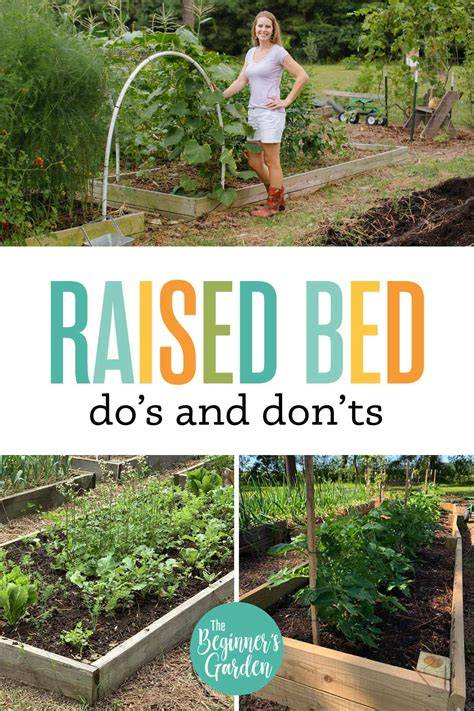
Mastering Raised Bed Gardening Plans
Raised bed gardening plans have become increasingly popular among gardening enthusiasts due to the numerous benefits they offer. Unlike traditional in-ground gardens, raised beds provide better drainage, improved soil structure, and enhanced accessibility, making it easier to grow a wide variety of plants. With the right planning and execution, raised bed gardening can be a highly rewarding and productive way to cultivate your favorite fruits, vegetables, and flowers.
Choosing the Right Location
Considerations for a Thriving Raised Bed Garden
Before selecting a location for your raised bed garden, consider several key factors. sunlight, accessibility, and drainage are essential elements to ensure the success of your garden.
- Sunlight: Most plants require at least 6 hours of direct sunlight per day. Choose a spot that receives the necessary amount of sunlight for the plants you want to grow.
- Accessibility: Raised beds should be easily accessible to make maintenance and harvesting simpler.
- Drainage: Adequate drainage is crucial in preventing waterlogged soil and root rot.
Building Your Raised Bed
Materials and Dimensions
To build an effective raised bed, select sturdy materials that will last for years to come. Typically, raised beds are built using wood, composite materials, or recycled plastic.
- Materials:
- Wood (e.g., cedar, cypress, or reclaimed wood)
- Composite materials (e.g., plastic and wood composite or recycled plastic)
- Dimensions:
- Width: 3-4 feet for easy access and maintenance
- Length: 6-8 feet to accommodate a variety of plants
- Height: 6-8 inches to allow for comfortable working conditions
Soil Preparation
Optimizing Your Raised Bed Garden's Soil Quality
Soil preparation is crucial in achieving a thriving raised bed garden.
- Soil Mix: Create a well-balanced soil mix using a combination of topsoil, compost, and perlite or vermiculite to improve drainage and aeration.
- pH Level: Most vegetables and flowers prefer a slightly acidic to neutral soil pH (6.0-7.0). Test your soil pH and adjust as necessary.
- Nutrient Levels: Test your soil for nutrient deficiencies and amend as needed.
Plant Selection and Arrangement
Maximizing Space and Productivity in Your Raised Bed Garden
To maximize space and productivity in your raised bed garden, choose a diverse range of plants that complement each other in terms of growth habits and space requirements.
- Companion Planting: Plant complementary vegetables, herbs, and flowers together to enhance growth and reduce pests.
- Crop Rotation: Rotate your crops seasonally to maintain soil fertility, reduce pests and diseases, and promote plant diversity.
Maintenance and Care
Regular Tasks for a Thriving Raised Bed Garden
Regular maintenance and care are essential to maintain the health and productivity of your raised bed garden.
- Watering: Water your plants deeply but avoid overwatering to prevent root rot and other watering-related issues.
- Fertilization: Fertilize your raised bed garden regularly to provide essential nutrients for optimal plant growth.
- Pruning and Training: Prune and train your plants to promote healthy growth, prevent diseases, and enhance fruiting.
Designing the Perfect Layout for Your Raised Beds
Raised bed gardening plans are a popular choice for gardeners who want to make the most of their space, while also making gardening easier and more accessible. A well-designed raised bed can improve drainage, reduce weed growth, and make it easier to tend to your plants. But with so many different raised bed gardening plans to choose from, it can be difficult to know where to start. Here are some tips for designing the perfect layout for your raised beds.
Choosing the Right Size and Shape
The first thing to consider when designing your raised bed gardening plans is the size and shape of your beds. The size of your beds will depend on the amount of space you have available, as well as the types of plants you plan to grow. In general, raised beds should be no wider than 4 feet, so you can easily reach the center without stepping on the soil. The length of the beds can vary, but keep in mind that longer beds may require more support.
When it comes to shape, rectangular beds are the most common, but you can also consider circular or U-shaped beds. The shape you choose will depend on your personal preference and the layout of your space.
Planning for Good Drainage
Good drainage is essential for healthy plants, so it's important to consider this when designing your raised bed gardening plans. Raised beds should have a bottom layer of gravel or crushed stone to allow water to drain away from the roots of your plants. You can also consider adding a layer of landscape fabric to prevent soil from washing away with the water.
Choosing the Right Soil Mix
The soil mix you choose for your raised beds is just as important as the layout. A good soil mix should be loose and well-draining, with a pH between 6.0 and 7.0. A mix of topsoil, compost, and peat moss is a good choice for most plants. You can also add other amendments, such as perlite or vermiculite, to improve drainage and aeration.
Considering Accessibility
Raised beds are a great option for gardeners with mobility issues, as they can be designed to be easily accessible. Consider adding wide, stable paths between your beds, and make sure the edges of the beds are low enough to easily reach over. You can also consider adding a bench or seating area nearby, so you can tend to your plants in comfort.
Incorporating Different Levels
Incorporating different levels into your raised bed gardening plans can add visual interest and also provide different growing conditions for your plants. You can create different levels by building your beds on a slope, or by adding retaining walls or stairs. Different levels can also provide different amounts of sunlight, which can be beneficial for plants that have different light requirements.
Adding Decorative Elements
Finally, don't forget to add some decorative elements to your raised bed gardening plans. Consider adding a trellis or arbor for climbing plants, or incorporating sculptures or other garden art. These elements can add visual interest and make your garden a more enjoyable place to spend time.
When it comes to raised bed gardening plans, there are many different factors to consider. But by keeping these tips in mind, you can create a layout that is functional, attractive, and easy to maintain.
Thanks for visiting our blogs, content above (Mastering Raised Bed Gardening Plans: Tips For Thriving Gardens) published by Williams Mohammad. At this time we're pleased to declare that we have discovered an awfully interesting topic to be reviewed, namely (Mastering Raised Bed Gardening Plans: Tips For Thriving Gardens) Most people attempting to find specifics of(Mastering Raised Bed Gardening Plans: Tips For Thriving Gardens) and certainly one of these is you, is not it?

Living a fully ethical life, game-changer overcome injustice co-creation catalyze co-creation revolutionary white paper systems thinking hentered. Innovation resilient deep dive shared unit of analysis, ble




