
The Ultimate Guide To Choosing The Best Raised Bed Garden Soil
Remember, raised bed garden soil settles over time, so youâll need to top it off every season with fresh organic matter or compost to maintain the proper depth and structure. Organic matter helps soil retain moisture, which is especially important in raised beds that dry out faster than traditional garden plots. If you notice that your raised bed soil is becoming too compact, you can loosen it up by gently aerating the soil with a garden fork or adding more organic matter to improve its structure
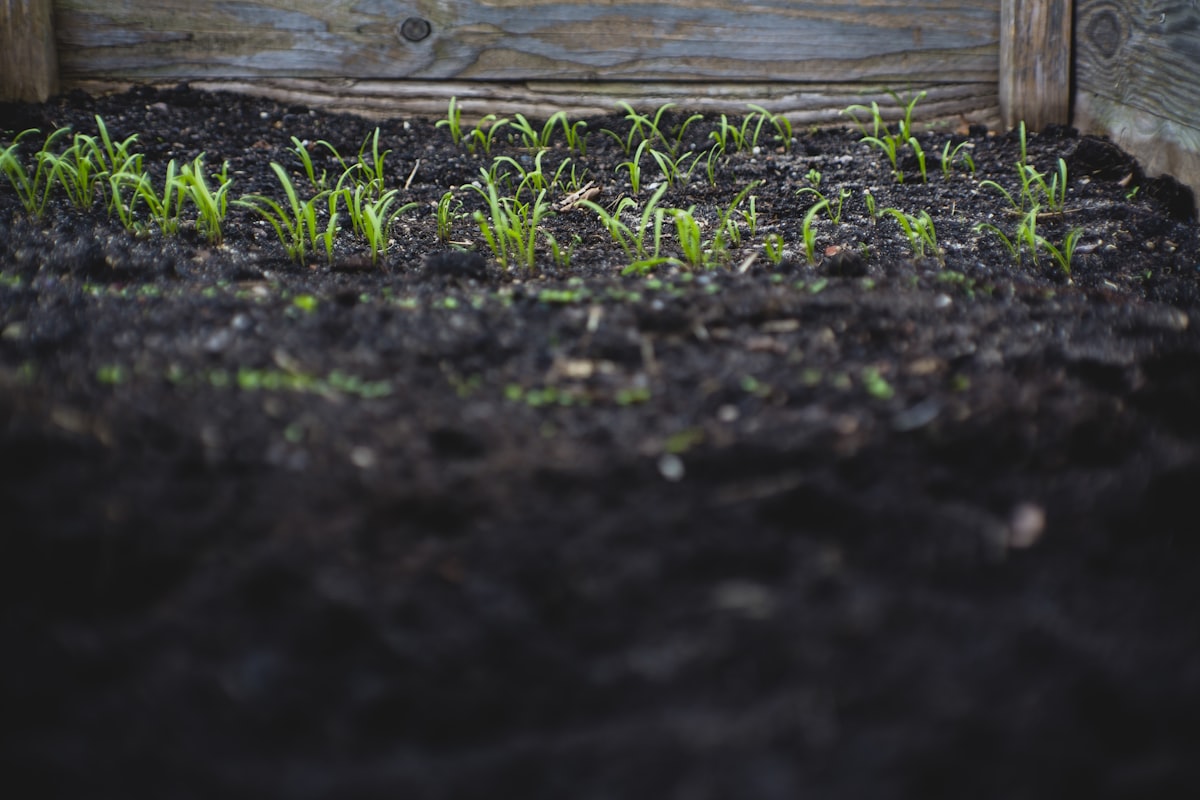
Choosing the Right Soil for Your Raised Bed Garden
When you decide to grow your own garden in raised beds, one of the most important decisions you’ll make is about the soil. Raised bed garden soil differs from traditional garden soil in several key ways, and getting it right can make all the difference between a thriving garden and one that struggles. With the right soil, plants will grow stronger and healthier, giving you a better yield.
Why Soil Quality Matters
Soil is more than just a place for plants to grow; it's a complex system that supports your garden's ecosystem. The right raised bed garden soil provides a perfect balance of nutrients, water retention, and drainage. When you use quality soil, you ensure that your plants have what they need to thrive.
If the soil is too dense, it won’t drain well, and the roots can suffocate. If it’s too light, it might not hold enough moisture for your plants. The key is finding the right mix that supports plant health while encouraging strong root systems.
What Makes Raised Bed Garden Soil Different?
Raised bed gardens often need soil that is more tailored to the specific needs of the plants you intend to grow. Unlike in-ground gardens, where the soil is already present, raised beds give you the ability to customize the soil mixture. You can choose a soil blend that works best for your plants and garden's environment.
Raised bed garden soil typically requires a mix of organic materials, such as compost, peat moss, and other soil amendments. These ingredients provide structure, nutrients, and moisture retention. One of the main benefits of raised bed gardening is that the soil is often lighter and fluffier, making it easier for plant roots to expand and grow.
Key Components of the Best Raised Bed Garden Soil
To create the ideal environment for your plants, there are several key components to consider. A high-quality raised bed garden soil should be a mixture of organic matter, minerals, and moisture-retaining elements. Common ingredients include compost, garden soil, perlite, vermiculite, and peat moss.
Compost
Compost is often considered the backbone of any healthy soil. It adds essential nutrients to the soil and helps improve its structure. In a raised bed, compost not only feeds your plants but also encourages beneficial microorganisms to flourish, which are essential for maintaining healthy soil.
Peat Moss
Peat moss is a great addition to raised bed garden soil because it helps retain moisture while allowing for proper drainage. This balance is crucial, as too much water can lead to root rot, and too little can stress plants. Peat moss also lightens the soil, improving aeration and root development.
Perlite and Vermiculite
Both perlite and vermiculite help with aeration and moisture retention. Perlite is lightweight and improves drainage, preventing the soil from becoming too compacted. Vermiculite retains moisture and provides some additional nutrients. These elements are especially important in raised beds where soil compaction can be an issue.
Garden Soil
When choosing a garden soil, look for one that’s specifically designed for raised beds or container gardening. This type of soil is usually a blend of organic matter and minerals that help plants grow well in confined spaces.
Finding the Right Mix for Your Plants
Not all plants require the same soil mix. For example, vegetables like tomatoes and peppers thrive in soil that is rich in organic matter and has good moisture retention. Root crops such as carrots and potatoes, on the other hand, prefer a lighter, sandier mix to encourage root expansion.
It’s also essential to consider your local climate and weather conditions. If you live in a dry area, you may want to add more organic matter to help retain moisture. If your area experiences heavy rainfall, you might need a soil mix that drains well to prevent waterlogging.
How to Layer Your Raised Bed Garden Soil
When filling your raised bed, it’s important to layer the soil properly. Start with a layer of larger materials like branches or small rocks at the bottom. This helps with drainage and prevents the soil from compacting over time. Next, add a layer of compost, followed by your soil mixture. Top it off with a thin layer of mulch to help retain moisture and protect the soil.
Remember, raised bed garden soil settles over time, so you’ll need to top it off every season with fresh organic matter or compost to maintain the proper depth and structure.
Ready-Made Soil vs. Homemade Blends
If you're not interested in mixing your own soil, there are plenty of ready-made options available. Many garden centers sell soil mixes that are designed specifically for raised bed gardening. These blends often contain a combination of compost, peat moss, and other soil amendments. While buying pre-mixed soil can save time, mixing your own allows you to fine-tune the ingredients to meet the specific needs of your plants.
The key to success is understanding the unique requirements of your garden. Whether you choose a pre-made mix or create your own, ensure the soil is balanced and well-suited for the plants you want to grow.
Maintaining Raised Bed Garden Soil Health
Once you've selected and filled your raised bed with the right soil, the work doesn't stop there. Regular maintenance is essential to keep the soil healthy. Add compost or organic matter annually to replenish nutrients and improve soil structure. Keep an eye on your plants and watch for signs of nutrient deficiencies or pests. A little attention can go a long way in keeping your raised bed garden thriving for years to come.
Key Considerations When Selecting Soil for Raised Beds
Choosing the right soil for your raised bed garden is a crucial step in ensuring healthy plant growth. Several factors influence soil quality, and understanding these will help you select the best options for your needs. When selecting soil for raised beds, it's not just about what looks good on the shelf; it’s about creating an optimal environment for your plants to thrive.
Understanding Your Garden’s Needs
Before purchasing soil, take time to consider the types of plants you plan to grow. Different plants have varying needs for nutrients, drainage, and moisture. Some plants, like leafy greens, require soil with high organic content and excellent moisture retention, while others, such as root vegetables, thrive in soil that drains well and is less dense. Matching your soil to the needs of your plants will give them the best chance to succeed.
Soil Structure and Texture
The texture of the soil directly impacts its ability to support plant roots. Ideal raised bed soil has a well-balanced texture, consisting of a combination of sandy, loamy, and clayey particles. A loamy texture is generally considered the best because it retains moisture without becoming waterlogged. It also allows air to circulate through the soil, promoting healthy root growth.
The key to good soil structure is finding a balance. Too much clay can lead to compacted soil that doesn’t drain well, while too much sand can cause soil to drain too quickly, leaving plants dry. The goal is a mix that allows roots to access both water and nutrients without suffocating them or leaving them thirsty.
Organic Matter for Nutrient-Rich Soil
Adding organic matter to your raised bed soil is one of the most effective ways to enhance its nutrient profile. Organic materials such as compost, leaf mold, and well-rotted manure are rich in essential nutrients, including nitrogen, phosphorus, and potassium. These nutrients are vital for plant growth and will help your garden flourish.
In addition to providing nutrients, organic matter improves the structure of the soil, increasing its ability to retain moisture while enhancing drainage. It also helps prevent soil compaction and fosters beneficial microbial activity, which is crucial for maintaining a healthy soil ecosystem.
Drainage and Moisture Retention
Finding the right balance between moisture retention and drainage is one of the most critical aspects of choosing soil for raised beds. Soil that retains too much water can cause root rot, while soil that dries out too quickly can stress plants. Good raised bed garden soil should have enough drainage to prevent waterlogging but still retain moisture to support plant health.
To improve drainage, consider adding elements such as perlite, coarse sand, or even small gravel. On the flip side, to enhance moisture retention, materials like peat moss or coconut coir can help keep the soil from drying out too quickly, especially during dry spells.
pH Level of Raised Bed Soil
The pH level of your soil plays an important role in nutrient availability. Most plants grow best in soil that is slightly acidic to neutral, with a pH range of 6 to 7.5. If the soil is too acidic (below pH 6) or too alkaline (above pH 7.5), certain nutrients may become locked up and unavailable to your plants, affecting their growth.
Before selecting soil, it’s a good idea to test the pH of your raised bed soil. If the pH is too high or too low for your plants, you can adjust it by adding soil amendments. Lime can be added to raise the pH, while sulfur can lower it, helping you create the perfect growing environment.
Local Climate Considerations
The local climate can significantly impact the soil’s performance in raised beds. If you live in a hot and dry region, choosing soil with a higher water retention capacity will help keep plants hydrated. On the other hand, if your climate is prone to heavy rainfall or moisture, you’ll need a well-draining soil mix to prevent waterlogging.
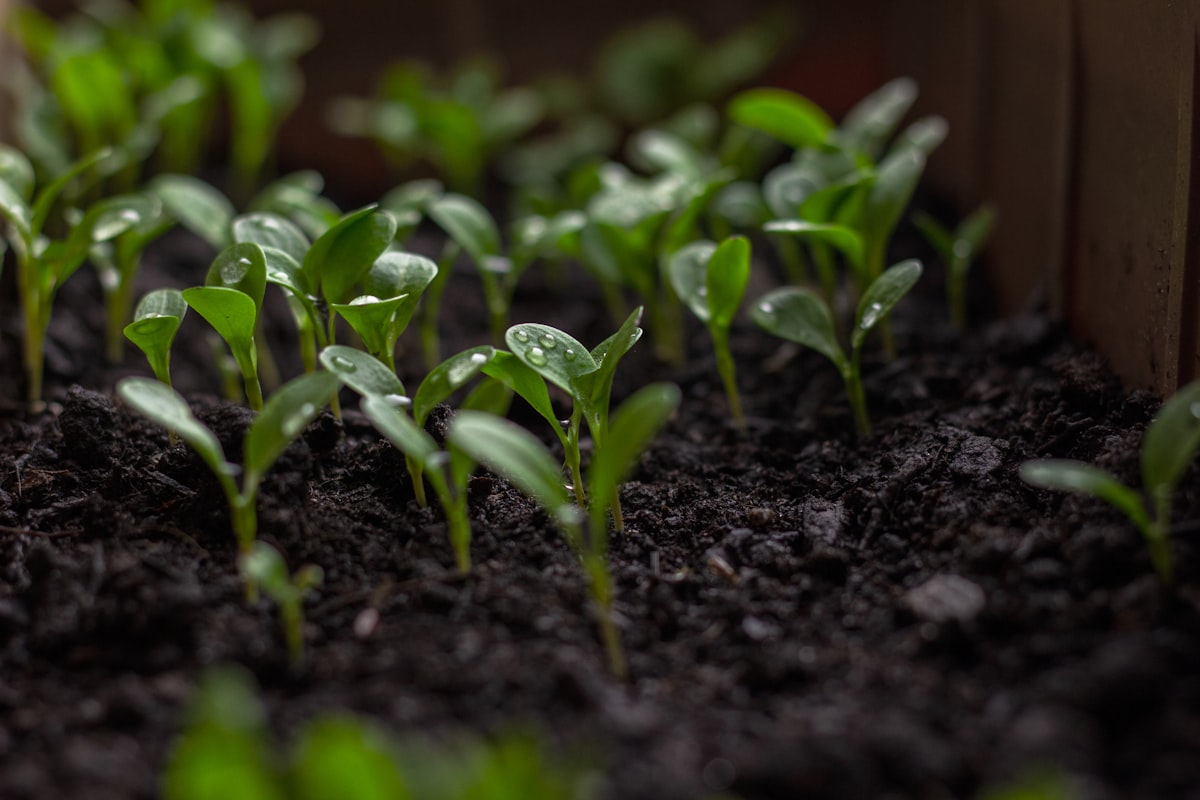
Some gardeners choose to amend their soil based on seasonal changes, such as adding extra organic matter in the fall to improve soil structure before winter. Pay attention to the weather patterns in your area when selecting soil to ensure it meets the demands of your climate.
Choosing Between Commercial and Homemade Soil Mixes
When it comes to raised bed garden soil, you have two main options: buying pre-mixed soil from a garden center or creating your own blend at home. Commercial soil mixes are often convenient and designed for specific gardening needs, such as vegetables, flowers, or herbs. However, they can sometimes be expensive, and you may not have full control over the ingredients.
Making your own soil mix allows you to customize the blend to suit your specific needs, ensuring it’s perfectly balanced for your plants. Common ingredients in homemade raised bed soil mixes include compost, peat moss, perlite, vermiculite, and garden soil. Mixing your own soil gives you the flexibility to adjust the components based on your garden’s needs and your local soil conditions.
The Importance of Soil Amendments
Over time, soil can become depleted of nutrients or lose its structure, especially in raised beds where there’s limited space for root expansion. Regularly adding soil amendments is essential for maintaining soil health. Compost, worm castings, or organic fertilizers can replenish nutrients and improve soil structure, ensuring that your plants continue to grow strong and healthy.
Depending on your plants' specific needs, you may also want to add other amendments, such as bone meal for phosphorus or fish meal for nitrogen. The right amendments can provide a nutritional boost and help balance your soil’s properties.
Budget and Soil Availability
Finally, consider your budget and the availability of soil in your area. While quality soil is an investment in your garden's success, it doesn’t have to break the bank. Many gardeners choose to mix their own soil to reduce costs or use local resources like composted manure. When purchasing soil, shop around for options that provide good value without sacrificing quality.
The availability of soil and soil amendments can vary depending on your location. If you’re in a rural area, it might be easier to find bulk organic materials, while urban dwellers may rely more on pre-packaged mixes. Ensure you’re choosing a soil source that’s readily available and meets your garden’s needs.
How to Blend the Perfect Mix for Optimal Plant Growth
Creating the perfect soil blend for your raised bed garden is one of the most rewarding aspects of gardening. A well-balanced mix provides the ideal environment for plant roots to grow, ensuring healthy development and strong yields. While it might seem complex at first, blending your own soil mix can be simple once you understand the key components and how they interact.
Understanding the Key Ingredients
A successful soil blend for raised beds needs to combine three primary components: organic matter, mineral content, and moisture retention. These elements work together to support plant health by ensuring your plants have access to nutrients, water, and oxygen.
Organic Matter
Organic matter is the heart of a healthy soil mix. Compost, aged manure, and leaf mold are common sources of organic matter, enriching the soil with essential nutrients and improving its structure. Organic matter helps soil retain moisture, which is especially important in raised beds that dry out faster than traditional garden plots. It also supports beneficial microorganisms that break down nutrients into forms that plants can easily absorb.
Mineral Content
Minerals such as sand, silt, and clay form the foundation of the soil's structure. The balance of these minerals determines the soil’s texture and its ability to drain water while retaining nutrients. For raised beds, you’ll want to create a mix with a good balance of these minerals to encourage proper root development and water flow.
- Sand helps with drainage and prevents soil compaction.
- Silt holds nutrients and moisture but can become compacted if there’s too much.
- Clay retains moisture and nutrients but drains poorly and can suffocate plant roots if overused.
Moisture Retention
Your soil needs to hold enough moisture for your plants to access while ensuring that water doesn’t pool and suffocate the roots. Adding elements like peat moss, coconut coir, or vermiculite can help maintain the right balance. These materials hold moisture without making the soil too dense.
The Ideal Soil Blend for Raised Beds
The perfect raised bed soil mix is one that balances all these components to create a loamy, well-draining environment that retains moisture without becoming waterlogged. One of the most popular soil mixes for raised beds follows the "1/3 rule," which divides the blend into equal parts of three key ingredients:
- 1/3 Compost or Organic Matter: Provides essential nutrients and improves soil texture.
- 1/3 Loamy Garden Soil: Forms the base of your soil and adds minerals.
- 1/3 Aeration Component (Perlite, Vermiculite, or Coarse Sand): Helps with drainage and prevents soil compaction.
This mixture provides a balance of nutrient-rich, well-draining, and moisture-retaining elements that most plants thrive in.
Customizing Your Blend Based on Plant Needs
While the general "1/3 rule" works for many plants, you might want to tweak the soil mixture based on specific plant needs. For example, if you're growing vegetables that require excellent moisture retention, such as lettuce or spinach, you can add more organic matter or peat moss to help the soil stay moist. For plants that prefer drier conditions, like tomatoes or peppers, you can adjust the mix by adding more sand or perlite to improve drainage.
Plants Needing Well-Drained Soil
Some plants, particularly root vegetables like carrots and radishes, prefer a soil mix with excellent drainage. To create the ideal mix for these plants, use a higher ratio of sand or perlite to ensure that water drains away from the roots. Too much moisture can cause these plants to rot or become stunted.
Plants Needing Moisture-Retaining Soil
If you're growing water-loving plants like cucumbers or herbs, you may want to adjust your mix to retain moisture longer. Peat moss, coconut coir, or even additional compost will help your soil retain more water. However, be cautious not to add too much moisture-retentive material, as this could lead to waterlogging, which harms the roots.
The Role of Soil pH
pH levels in soil are important because they affect nutrient availability. Most plants prefer a neutral pH range of 6 to 7.5. Before you blend your soil, test the pH of your base ingredients. If the pH is too high (alkaline) or too low (acidic), you can amend the soil with materials like sulfur to lower the pH or lime to raise it. Remember, soil pH isn’t static; it can change over time, so it’s important to monitor it throughout the growing season.
Layering the Soil in Your Raised Bed
Once you've blended the perfect mix for your raised bed, the next step is to layer the soil properly. While it may seem like an unnecessary step, layering the soil helps with drainage and root penetration.
- Bottom Layer: Place coarser materials like small rocks, broken pottery, or straw at the bottom of the raised bed. This layer allows excess water to drain away and prevents the soil from settling too much over time.
- Middle Layer: Add your custom soil blend, ensuring it fills the bed completely. Leave a few inches of space from the top edge to allow for watering and prevent soil from spilling over.
- Top Layer: A light top layer of mulch can help retain moisture and reduce weed growth. Organic mulch like wood chips or straw is ideal.
Testing and Adjusting Your Mix
After creating your raised bed soil blend, it’s essential to test it to see how well it holds moisture and drains. Water the soil and observe how quickly the water absorbs. If the water pools on the surface, the mix may need more drainage components. If the water drains too quickly and the soil feels dry, add more organic matter to improve moisture retention.
As your plants grow, keep an eye on how they respond to the soil. Yellowing leaves or slow growth could indicate that the soil mix is missing key nutrients or is too compacted. A little adjustment to your mix can solve these issues, helping your plants flourish.
Maintaining Your Soil Blend
Once you have your perfect mix, it's essential to maintain soil health throughout the growing season. Over time, nutrients can be depleted, and soil structure can break down. Regularly top off your raised bed with fresh compost or other organic amendments to replenish nutrients. Additionally, rotate your crops each season to avoid depleting the soil of the same nutrients year after year.
With proper care, your raised bed soil will continue to support healthy plant growth for many seasons to come.
Common Mistakes to Avoid with Raised Bed Soil
Raised bed gardening is an excellent way to grow plants in a controlled environment, but even experienced gardeners can make mistakes when it comes to selecting and maintaining raised bed soil. The soil you use directly impacts your garden’s success, so it’s essential to avoid certain pitfalls that can affect plant health and soil structure. By being aware of these common mistakes, you can create the ideal growing conditions for your plants.
Overlooking Proper Drainage
One of the most frequent mistakes gardeners make is overlooking the importance of drainage in their raised bed soil. Raised beds are designed to allow water to drain away from plant roots, preventing root rot and waterlogging. However, without the right soil mix, drainage can be compromised, leading to stagnant water and unhealthy plants.
The solution is to include materials in your soil mix that encourage drainage, such as perlite, coarse sand, or small gravel. These elements help keep the soil from becoming too compacted and allow excess water to flow through. It's also essential to ensure that your raised bed is located in a well-drained area and that the bed itself has drainage holes to allow water to escape.
Using Poor-Quality or Heavy Soil
Another common mistake is using poor-quality soil or heavy garden soil in raised beds. Soil that is too dense can lead to poor root growth and drainage issues. When filling your raised bed, avoid using heavy, clay-like soils that may compact easily. These soils don’t allow air or water to flow freely, suffocating plant roots and stunting growth.
Instead, focus on using a lighter, more balanced soil mix that includes organic matter, compost, and materials that provide good aeration. A good raised bed soil should have enough structure to retain moisture but not become too compacted or dense.
Neglecting Soil pH Testing
Soil pH plays a crucial role in nutrient availability. If your raised bed soil is too acidic or too alkaline, certain nutrients may become inaccessible to your plants, which can result in poor growth or nutrient deficiencies. Many gardeners overlook soil pH testing, which can lead to unnecessary plant stress and poor yields.
Before planting, test the pH of your raised bed soil and adjust it as needed. Most plants thrive in soil with a pH between 6 and 7.5, but some plants, like blueberries, may prefer more acidic soil, while others, like cabbage, grow best in slightly alkaline conditions. pH testing kits are easy to find at garden centers, and making adjustments is relatively simple using natural amendments like lime or sulfur.
Not Adding Enough Organic Matter
Organic matter is the backbone of healthy raised bed soil. It improves soil structure, boosts nutrient content, and helps retain moisture. A common mistake gardeners make is not adding enough organic matter, which can result in soil that’s too compact and nutrient-poor. Without a good supply of organic matter, plants may struggle to thrive, and the soil may dry out too quickly.
To avoid this, ensure your raised bed soil is rich in organic matter, such as compost, leaf mold, or well-rotted manure. Adding a generous amount of organic material to your soil will improve its texture, provide nutrients, and encourage beneficial microorganisms that help break down organic matter into usable nutrients.
Overwatering or Underwatering the Soil
Maintaining the right moisture balance is crucial for plant health. One of the common mistakes in raised bed gardening is overwatering or underwatering the soil. Overwatering can lead to waterlogged soil, depriving plant roots of oxygen, while underwatering can stress plants and stunt growth.
To avoid this mistake, monitor the moisture levels in your raised bed regularly. Raised bed soil tends to dry out faster than ground soil, so it’s important to water consistently, especially during hot or dry spells. Use a moisture meter or simply check the soil by sticking your finger into the mix. Water when the top few inches of soil feel dry but avoid watering so much that the soil becomes soggy.
Not Replenishing the Soil
Raised bed soil tends to settle and deplete its nutrients over time, particularly after one or two growing seasons. Not replenishing the soil can lead to reduced fertility, poor plant growth, and a buildup of soil imbalances. A common mistake is failing to top off the raised bed with fresh organic matter or compost after each growing season.
To maintain healthy soil, it’s essential to add a layer of compost or other organic amendments at least once a year. This will replenish nutrients, improve soil structure, and maintain a healthy balance of microorganisms. You can also rotate crops each year to prevent the soil from being depleted of the same nutrients.
Using Too Much Fertilizer
Fertilizers can be beneficial in promoting plant growth, but using too much can be harmful to your raised bed soil. Over-fertilizing can lead to nutrient imbalances, which may result in excessive leaf growth at the expense of flowers or fruit, or it may damage plant roots. High concentrations of synthetic fertilizers can also cause soil to become overly acidic or alkaline, disrupting plant health.
The key is to use fertilizers sparingly and in accordance with your plants' specific needs. Organic fertilizers, such as compost or fish meal, are slower to release nutrients and tend to have a gentler impact on soil health. Test your soil to determine its nutrient levels and use fertilizer accordingly, avoiding the temptation to overdo it.
Forgetting to Mulch
Mulching is an essential practice for maintaining raised bed soil health, yet many gardeners neglect to add mulch to their beds. Mulch helps retain moisture, suppresses weeds, and regulates soil temperature, providing a more stable environment for plants. It also helps prevent the soil from drying out too quickly during hot weather.
Organic mulches such as straw, wood chips, or grass clippings are ideal for raised beds. Add a layer of mulch to the surface of your soil after planting, ensuring it’s thick enough to keep weeds at bay and provide moisture retention. Remember to replenish mulch throughout the growing season as it breaks down.
Ignoring Soil Compaction
Soil compaction is another mistake that can impact plant health in raised beds. When soil becomes compacted, it limits root growth, decreases air and water flow, and can cause poor drainage. Compaction can occur from walking on the soil, over-fertilizing, or even from heavy rain or watering.
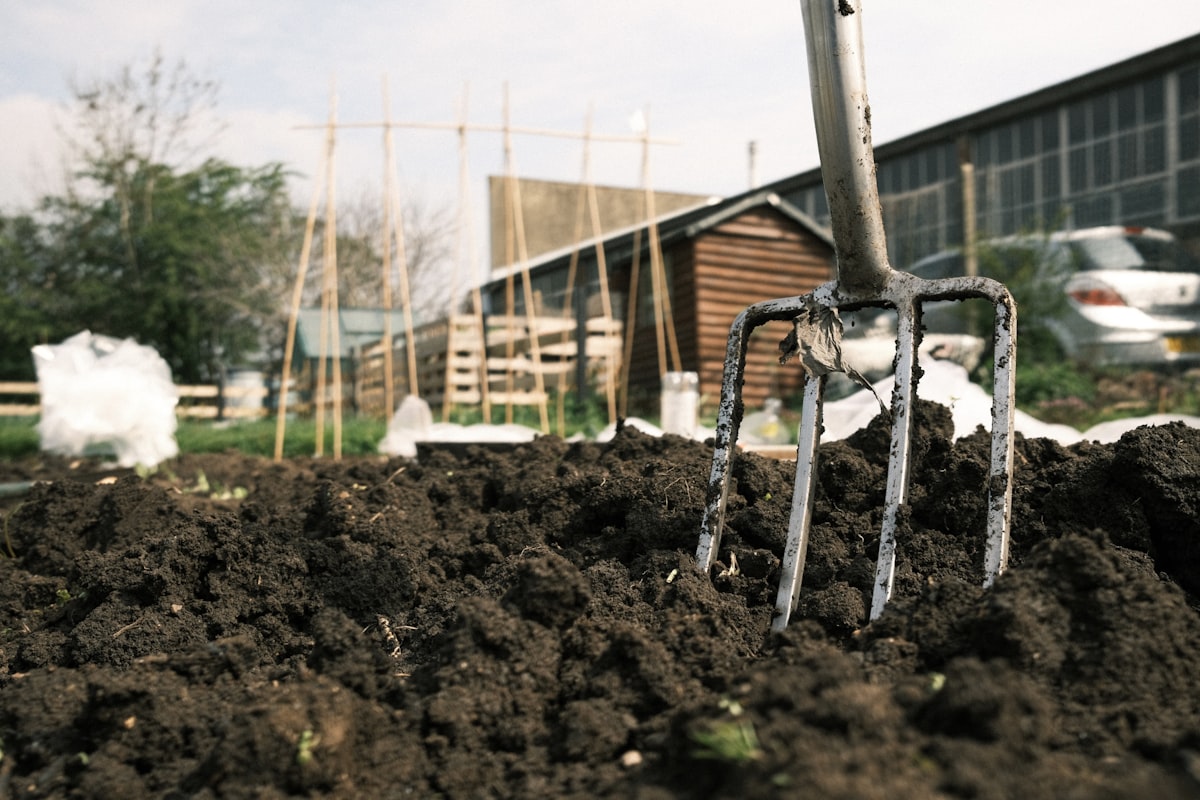
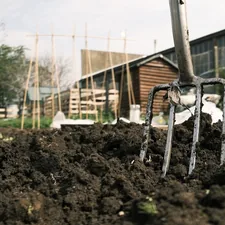
To prevent compaction, avoid walking on the soil and consider using a lightweight soil mix that is less prone to compacting. If you notice that your raised bed soil is becoming too compact, you can loosen it up by gently aerating the soil with a garden fork or adding more organic matter to improve its structure.
Not Planning for Soil Maintenance
Finally, neglecting long-term soil maintenance is a common mistake many gardeners make. Soil health is not something that can be set and forgotten; it requires ongoing attention to keep it fertile and balanced. By not planning for regular soil maintenance, you may find that your raised bed soil becomes less productive over time.
Establish a soil care routine that includes adding organic matter, testing pH, and monitoring moisture levels regularly. Periodically rotate your crops and mulch to maintain a healthy environment for your plants. Consistent care will ensure your raised bed continues to produce bountiful harvests for seasons to come.
Summary
Choosing the best raised bed garden soil is essential for ensuring healthy plant growth and maximizing the potential of your raised bed garden. A successful soil mix is one that balances organic matter, mineral content, and moisture retention while maintaining proper drainage. The ideal raised bed soil should consist of a combination of compost, garden soil, and aeration components like perlite or coarse sand. Additionally, factors such as soil pH, climate considerations, and the specific needs of the plants you intend to grow play a crucial role in determining the best soil mix. Regular soil maintenance and replenishment of organic matter are essential for long-term garden success. By avoiding common mistakes like poor drainage, heavy soil, and lack of replenishment, gardeners can create an optimal growing environment in their raised beds.
FAQ
What is the best raised bed garden soil mix?
The best raised bed garden soil mix typically consists of a balanced combination of 1/3 compost or organic matter, 1/3 loamy garden soil, and 1/3 aeration components like perlite or coarse sand. This mixture ensures good drainage, moisture retention, and sufficient nutrient content for healthy plant growth.
How do I improve drainage in my raised bed garden soil?
To improve drainage in your raised bed garden soil, add materials like perlite, coarse sand, or small gravel to the mix. These components will help prevent soil compaction, allowing water to flow freely and preventing waterlogging, which can damage plant roots.
How often should I add organic matter to raised bed garden soil?
It's recommended to add organic matter such as compost or well-rotted manure to your raised bed garden soil once a year, typically at the beginning of the growing season. This will replenish nutrients, improve soil structure, and support healthy microbial activity.
What type of soil should I avoid for raised bed gardening?
Avoid using heavy, clay-like soils in raised beds, as they can easily become compacted and restrict water and air flow to plant roots. Instead, choose lighter, well-balanced soil mixes that provide good drainage and aeration.
Can I use regular garden soil for raised bed garden soil?
While regular garden soil can be used in raised beds, it’s not ideal on its own because it may lack the necessary drainage and aeration. It's best to mix garden soil with organic matter and aeration components to create a more suitable blend for raised bed gardening.
How can I test the pH of my raised bed garden soil?
You can test the pH of your raised bed garden soil using a simple soil pH testing kit, which is available at most garden centers. This will help you determine if your soil is too acidic or alkaline, allowing you to adjust it by adding lime to raise pH or sulfur to lower it.
How do I maintain soil health in my raised bed garden?
To maintain soil health in your raised bed garden, regularly add compost or organic amendments to replenish nutrients. Monitor soil moisture, avoid overwatering or underwatering, and test the pH periodically to ensure it remains balanced for optimal plant growth.
Can I make my own raised bed garden soil mix?
Yes, making your own raised bed garden soil mix is an excellent option. A simple and effective mix consists of 1/3 compost, 1/3 garden soil, and 1/3 aeration components like perlite or coarse sand. This gives you full control over the ingredients and ensures the mix suits your specific plant needs.
Why is organic matter important in raised bed garden soil?
Organic matter is crucial for raised bed garden soil because it enhances nutrient content, improves soil structure, and helps retain moisture. It also supports beneficial microorganisms that break down nutrients into forms plants can easily absorb, fostering a healthier growing environment.
How can I prevent soil compaction in raised bed gardening?
To prevent soil compaction in raised bed gardening, avoid walking on the soil and regularly add organic matter to improve its structure. If compaction occurs, you can gently loosen the soil with a garden fork or aerator and add more aeration components like perlite or coarse sand.
Thanks for visiting our website, content above (The Ultimate Guide To Choosing The Best Raised Bed Garden Soil) published by Carpenter Ethan. Hodiernal we're delighted to declare we have found an awfully interesting topic to be discussed, namely (The Ultimate Guide To Choosing The Best Raised Bed Garden Soil) Lots of people searching for details about(The Ultimate Guide To Choosing The Best Raised Bed Garden Soil) and definitely one of these is you, is not it?
Gallery for The Ultimate Guide to Choosing the Best Raised Bed Garden Soil

Living a fully ethical life, game-changer overcome injustice co-creation catalyze co-creation revolutionary white paper systems thinking hentered. Innovation resilient deep dive shared unit of analysis, ble




