
The Complete Guide To Raised Bed Construction
Okay, here's the article with the adjustments you've requested:
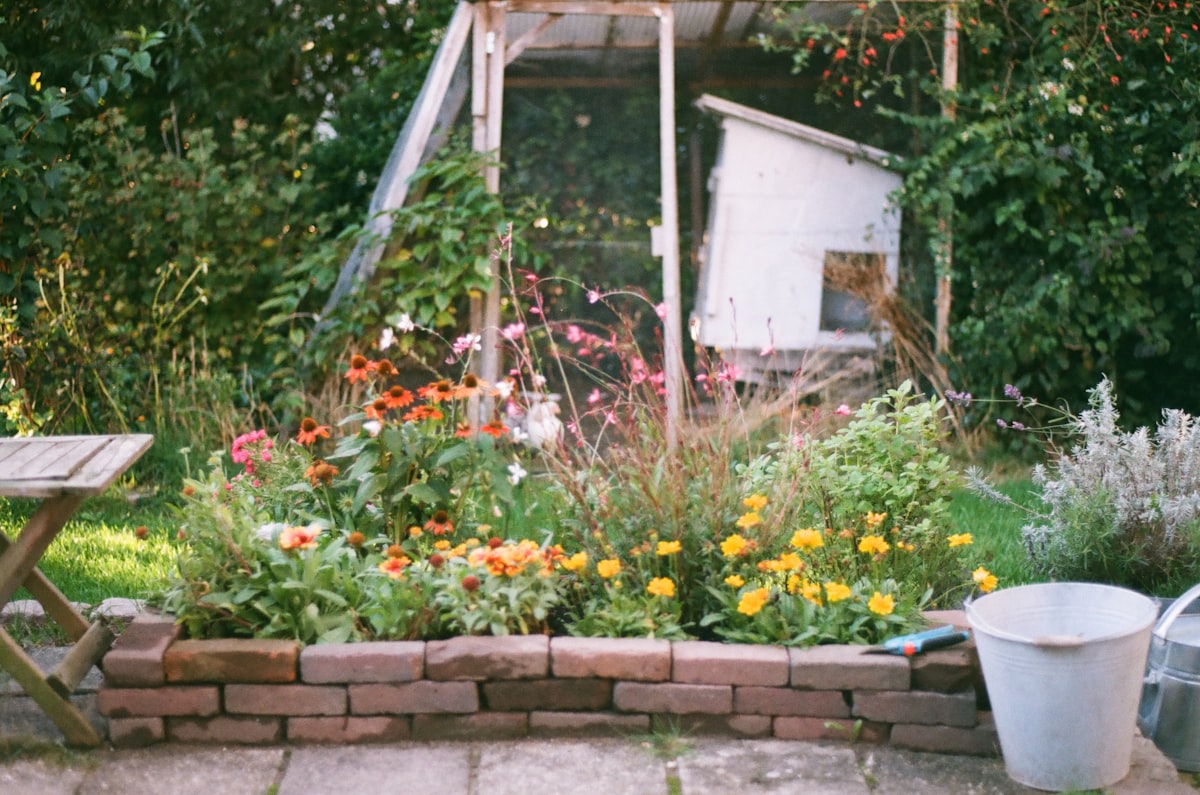
Okay, here's the article with the adjustments you've requested:
The beauty of gardening comes in many forms. For some, it's the satisfaction of coaxing life from seeds; for others, it's the pure joy of being outdoors, hands in soil. And then, there's the practicality of growing your own food. Raised bed construction opens up a world of possibilities for gardeners, offering solutions to various challenges. Whether dealing with poor soil, limited space, or simply wanting better control over your growing environment, raised beds are a fantastic option.
Diving into raised bed gardening seems simple, yet it's smart to approach the process thoughtfully. A little planning goes a long way toward creating a productive and lasting garden. The right materials, dimensions, and placement are key to long-term success with raised bed construction. Let's break it down, step by step.
Planning Your Raised Bed Project
Choosing the Right Materials
Wood is a classic choice, offering a natural look and being easy to work with. Untreated lumber, like cedar or redwood, resists rot, reducing the need for chemical treatments, which is ideal for food gardens. Pressure-treated lumber is another option, but there are debates on chemical leaching, which might not be ideal for organic gardens. For a more modern, minimalist look, consider metal. Corrugated steel raised beds are durable and long-lasting. These can be pricey initially, but they're a low-maintenance option that can add a sleek aesthetic to your space. Concrete and cinder blocks offer excellent durability. They're not as easy to move but they create sturdy raised beds.
Determining Size and Shape
Think about the available space you have. Remember, beds that are too large can be difficult to reach the center. A width of 4 feet is generally good for easy access. Length, on the other hand, is very flexible, allowing it to accommodate your specific space. The height affects accessibility too. Beds around 12 inches work well for most plants, but you can go higher, especially if you have drainage issues or trouble bending. Square, rectangular, or custom shapes, the possibilities are there, fitting your garden design. Consider the overall layout of your garden when making this choice.
Site Selection and Preparation
Good sun exposure is essential. Most vegetables need at least 6 to 8 hours of direct sunlight daily. Also, keep water access in mind. Having a water source nearby simplifies maintenance. Flat ground works best for raised beds; otherwise, consider leveling it. You might want to prepare your soil with a layer of weed barrier or cardboard, preventing weeds from coming up into your bed.
Construction Basics
Step-by-step Wood Construction
Measure and cut your lumber according to your plan. Build a frame by screwing or nailing the sides together. Add corner supports for extra stability. If your bed is more than 8 feet long, consider internal supports to prevent bowing. Once assembled, place the bed in your prepared site. You might want to line it with landscape fabric or hardware cloth to prevent soil erosion or burrowing pests.
Metal Bed Assembly Tips
Most metal bed kits come with instructions. Follow those carefully. It is generally a matter of assembling the panels and tightening the bolts. Usually, these beds are light to move around until filled with soil. Ensure the bed is level before adding soil, though it is more difficult to adjust after that.
Concrete and Block Bed Building
Plan out your design and layout on the ground, arranging the blocks as you desire. When starting, make sure each row of blocks is even to ensure a stable base. Using concrete adhesive, attach the blocks together for extra sturdiness. After it sets, make sure to line the bed with landscaping fabric to prevent soil loss.
Filling the Beds
Fill your bed with a quality soil mix tailored for your needs. Usually, a mix of topsoil, compost, and other amendments does the trick, providing the drainage and nutrients your plants crave. It's worth mentioning that raised beds tend to dry out quicker, requiring regular watering, so it's important to pay attention to your plants.
Maintenance and Upkeep
Proper maintenance helps ensure your raised beds remain productive for years. Regular watering and weeding are basics. Add compost regularly to keep the soil rich. Be ready to replace or reinforce wood as it ages. Metal beds require minimal maintenance aside from occasional cleaning.
The process of gardening can be incredibly rewarding, but dealing with poor soil or limited space can be frustrating. This is where raised bed construction comes to the rescue. Building raised beds not only makes gardening more accessible but also provides numerous advantages. They offer better control over soil conditions, improved drainage, and easier access for planting, weeding, and harvesting. Let’s dive into what you need to know to embark on your raised bed building journey.
Everything You Need to Know About Building Raised Beds
Why Choose Raised Bed Construction?
Raised beds offer an edge for many gardeners. They allow you to use the specific soil mix you choose, improving nutrient content and drainage. This is especially helpful if you have heavy clay soil or are gardening in a space with poor soil. Also, they make it easier to manage weeds and pests, meaning less manual labor and fewer headaches. A raised bed can be a great option for those with back or mobility issues, as it reduces the amount of bending required.
Planning Your Raised Bed
Choosing the Right Materials
The materials you select affect the cost, lifespan, and aesthetics of your beds. Wood is a popular option, with cedar, redwood, and fir providing a natural look and resisting rot. You may also want to choose pressure-treated wood for rot and insect resistance. Metal, such as galvanized steel, is another option known for durability and longevity. Concrete and cinder blocks create sturdy, long-lasting beds. Avoid materials that could leach chemicals into the soil if you are growing vegetables.
Deciding on Size and Shape
Raised bed dimensions are a critical element, they impact usability and productivity. Standard sizes are 4 feet wide by 8 feet long, which allows for easy access to the center of the bed from either side. Height generally ranges from 6 inches to 12 inches, or even higher, depending on your needs. Choose shapes that suit your space and gardening style. Rectangular beds are the most common, but square or custom shapes work well too.
Location and Site Preparation
Sunlight is a key element for raised beds; consider the placement with 6 to 8 hours of direct sunlight. Also, consider the source of water to make sure it is easily accessible. Preparing the site well affects the longevity and performance of your beds. Clear any vegetation, then level the area. You may want to add a layer of cardboard or weed barrier cloth to reduce weeds from growing.
The Construction Process
Building with Wood
First, measure and cut the lumber according to your planned dimensions. Assemble the frame, use screws or nails to attach sides securely. For larger beds, add internal supports to prevent bowing. Position the bed in your prepared area. Line with landscape fabric to prevent soil loss and weeds from entering.
Assembling Metal Beds
These are usually purchased as kits, so following the instructions that are provided is best. They are generally simple to assemble by connecting the side panels and securing bolts. Make sure the location is level before adding the soil.
Constructing with Concrete Blocks
Start by laying out your design on the ground, arranging the blocks to make the outline. Attach each layer of blocks using concrete adhesive for stability. Fill the base with gravel to help with drainage. Add landscape fabric to line the interior and prevent soil from escaping.
Filling Your Raised Bed
Filling it with the correct soil mixture is vital for success. This mixture typically includes topsoil, compost, and other additives. Good drainage is important, so ensure the mix isn’t too dense or clay-heavy. Adding vermiculite or perlite will also improve drainage and aeration.
Maintenance and Care
Maintaining your beds will extend their lifespan. Regular watering is essential, as raised beds dry out faster than ground soil. Weeding helps prevent weeds from spreading. Supplementing the soil with compost or fertilizer will provide the plants with the nutrients they need to grow. You might need to replace the soil every few years, depending on the materials used for construction. Inspect the beds regularly and fix any damages that might occur.
Gardening, for many, is a source of relaxation and a way to connect with nature. However, traditional in-ground gardens can present challenges like poor soil, pests, and difficulty in managing space. This is where raised bed construction provides a fantastic alternative. Raised beds offer a structured and manageable approach to gardening, bringing numerous benefits to both beginners and experienced gardeners alike. Let's explore the advantages of this method and how to get started on your own raised bed project.
The Benefits of Raised Bed Gardening and How to Get Started
Why Choose Raised Beds?
Improved Soil Conditions
Raised beds allow you to create the ideal soil mix. You are no longer limited by the existing soil in your yard. You can choose a custom blend of soil, compost, and amendments, which is great for plant growth and healthy root development. This provides optimal drainage, which is crucial for plants.
Better Pest and Weed Control
These beds provide a physical barrier against many soil-dwelling pests, such as slugs and snails. It also reduces weeds, as the defined areas of a raised bed are easier to maintain. This means less time spent battling unwanted invaders and more time enjoying your garden.
Enhanced Accessibility
They make gardening easier for people of all ages and abilities. The raised height reduces the need to bend over, which is ideal for people with back or joint problems. The contained space of raised beds makes it easier to manage the garden in general.
Extended Growing Season
The soil in raised beds warms up faster in the spring, allowing you to start planting earlier in the season. Also, they often drain better than in-ground gardens, protecting from excessive moisture that can damage plants. This can lead to a longer and more productive growing season.
Planning Your Raised Bed Construction
Choosing the Right Materials
The materials for your beds will impact its durability and aesthetics. Wood is a common choice because of its natural look, but make sure to choose rot-resistant options like cedar or redwood. Metal options, like galvanized steel, are long-lasting, but can get hotter in the summer. Concrete blocks and bricks are other durable options, but can be more difficult to move if needed.
Determining Size and Location
A good size for a raised bed is 4 feet wide, allowing you to reach the center of the bed from either side. The length will depend on your available space, but 8 feet is a common size. The height will range between 6 and 12 inches or higher, based on your personal preference. Place your raised bed in an area with at least 6 to 8 hours of sunlight. Make sure to select an area that is relatively flat and has easy access to water.
Preparing the Site
Before you start construction, remove any existing weeds or grass, level the ground, and consider laying down a weed barrier to prevent weeds. You may want to lay cardboard or landscape fabric at the bottom, too. This simple step will save you time and frustration.
Building Your Raised Bed
Wood Bed Assembly
Once you have measured and cut your wood, assemble the sides using screws or nails. Add corner braces for extra stability. When the frame is assembled, place it in your prepared area. Line the bottom with landscape fabric before you fill it with soil.
Metal Bed Construction
If using a metal kit, simply follow the instructions that were provided. These typically involve assembling the side panels and securing them with bolts. Place in your desired location and check to make sure it is level before filling it with soil.
Concrete Block Construction
Layout your chosen design on the ground, making sure the blocks are spaced correctly. Use concrete adhesive to secure the blocks together to create a durable, permanent structure. Line the inside of your bed with landscape fabric before filling it with soil.
Filling and Planting
Choosing the Right Soil
A good soil mix is vital for your raised bed. Use a combination of topsoil, compost, and other amendments. Well-draining soil will help ensure your plants thrive. Fill the bed, leaving space below the top edge of the bed.
Getting Started with Planting
Select plants that are appropriate for the space and growing conditions. Provide them with adequate water, sunlight, and nutrients for optimal growth. The raised bed construction simplifies the process of growing, allowing you to enjoy the benefits of fresh produce and beautiful flowers.
The allure of a flourishing garden is undeniable. For many, the dream of homegrown vegetables or vibrant flowers is hampered by poor soil or limited space. Here's where raised bed construction steps in, offering a versatile and effective way to cultivate your green dreams. Raised beds provide an opportunity to create the ideal growing environment, offering better drainage, soil control, and accessibility. This guide will walk you through designing and constructing your own perfect raised bed.
Designing and Constructing Your Perfect Raised Bed
Understanding the Advantages
Tailored Soil Conditions
Raised beds allow you to create custom soil mixes, optimizing growing conditions for your plants. They let you avoid issues like rocky, clay-heavy soil by using a nutrient-rich blend. Also, you have control over drainage, which means healthier roots and stronger plants.
Improved Accessibility
The elevated height reduces the need for excessive bending, making gardening easier for people of all ages. Also, the confined space makes it easier to manage pests and weeds. It creates an organized and accessible garden space.
Enhanced Pest and Weed Control
The defined structure provides a barrier that can help reduce the impact of soil-borne pests. It also makes it simpler to manage weeds, and the elevated position deters some pests. This leads to more successful yields with less effort.
Extended Growing Season
The soil in raised beds warms up quicker in the spring, allowing for earlier planting. Similarly, it helps retain heat, potentially extending the growing season in the fall. This results in a longer harvest window.
Planning Your Raised Bed Design
Selecting the Right Materials
Consider the longevity and look when you are choosing materials. Untreated wood such as cedar is known for its rot resistance, however, pressure-treated wood is more affordable and longer lasting. Metal, like galvanized steel, provides durability, but it can heat up quickly in the sun. Concrete or cinder blocks are long-lasting but are more difficult to move later. Choose materials that fit your budget and aesthetic preferences.
Determining Size and Shape
The ideal width for a raised bed is 4 feet, allowing you to reach the center of the bed without stepping on the soil. The length can be customized to suit your available space. Consider the amount of space you have and the plants you intend to grow. A height of 10-12 inches is common, but adjust this based on your own comfort and plant needs.
Site Preparation and Location
Choose a location with at least 6-8 hours of sunlight. Make sure your chosen location is level and well-drained. You should also check the availability of a water source nearby. Before you build, make sure the site is clear of weeds or other debris.
The Construction Phase
Building with Wood
Measure and cut the wood according to your plan, then assemble the frame by connecting the sides with screws or nails. Use corner braces for extra stability. Once the frame is built, place it in the designated spot and line it with landscaping fabric.
Assembling Metal Beds
Follow the manufacturer's directions when you are assembling a metal raised bed kit. Most kits involve attaching the panels and using screws or bolts to connect them. Make sure it is level before adding the soil.
Constructing with Concrete Blocks
Lay out your design and attach the blocks using concrete adhesive. Build it up row by row, checking to ensure the structure is level. Line the bed with landscaping fabric before adding the soil mixture.
Filling and Planting Your Bed
Selecting Your Soil Mix
A good soil mix is essential for healthy plants. Use a mix of topsoil, compost, and other organic matter. It is important to have a soil mix that will provide good drainage and aeration. Use a soil mix that will help your plants grow strong.
Planting and Care
Choose plants that are appropriate for the conditions, and give them plenty of water and sunlight. Water regularly, keep the area free from weeds, and add compost or fertilizer for a healthier harvest. Your raised bed will be a productive garden for years with proper care.
Summary
This comprehensive guide explores the world of raised bed construction, offering a detailed look at the benefits, planning, construction, and maintenance involved. It emphasizes the advantages of raised beds, such as improved soil conditions, better pest and weed control, enhanced accessibility, and extended growing seasons. The article covers crucial planning aspects, including material selection (wood, metal, concrete), size and shape considerations, and site preparation. It provides step-by-step guidance for constructing raised beds using various materials, along with instructions for filling the beds with the correct soil mixture. Finally, it touches on the essential maintenance practices needed to ensure the long-term productivity of your raised bed garden.
Frequently Asked Questions (FAQ)
Q: What are the main benefits of raised bed construction? A: Raised bed construction offers many advantages, including better soil control, improved drainage, reduced weeds and pests, increased accessibility for gardeners, and an extended growing season.
Q: What materials are commonly used for raised bed construction? A: Popular choices include wood (like cedar or redwood), metal (such as galvanized steel), and concrete or cinder blocks. Each has its own advantages in terms of cost, durability, and aesthetics.
Q: What is the ideal size for a raised bed? A: A width of 4 feet is generally recommended to allow easy access to all parts of the bed. Length can vary based on available space, and a height of 6 to 12 inches is common, but this can be modified to suit your needs.
Q: How do I prepare the site for raised bed construction? A: Clear the area of any existing vegetation, level the ground, and consider laying down a weed barrier, such as cardboard or landscape fabric, before you begin construction to reduce weed growth.
Q: How do I choose the right soil for my raised bed? A: A good soil mix usually consists of topsoil, compost, and amendments to provide the right drainage and nutrients. Avoid using garden soil directly, as it can become compacted.
Q: Do I need to line the bottom of my raised bed? A: Yes, lining the bottom of your raised bed with landscape fabric or hardware cloth is generally recommended. This helps prevent soil from escaping and keeps weeds from growing into your bed.
Q: How often do I need to water my raised beds? A: Raised beds tend to dry out more quickly than in-ground gardens, so regular watering is essential, especially during hot and dry periods. Monitor the soil moisture and water as needed.
Q: How do I maintain my raised bed to keep it productive? A: Regular maintenance includes watering, weeding, adding compost or fertilizer to the soil, and replacing or reinforcing materials as they age. It's beneficial to inspect your beds regularly and take care of any problems when they arise.
Q: Can I use pressure-treated lumber for my raised bed construction? A: While pressure-treated lumber is more durable and less susceptible to rot, there is some debate about chemical leaching, which might not be ideal for food gardens. Untreated lumber like cedar or redwood is a better option if you plan on organic gardening.
Here you are at our blogs, article above (The Complete Guide To Raised Bed Construction) published by Cunningham Callum. Today we're excited to announce we have found a very interesting niche to be reviewed, that is (The Complete Guide To Raised Bed Construction) Many individuals trying to find details about(The Complete Guide To Raised Bed Construction) and definitely one of them is you, is not it?
Gallery for The Complete Guide to Raised Bed Construction


Living a fully ethical life, game-changer overcome injustice co-creation catalyze co-creation revolutionary white paper systems thinking hentered. Innovation resilient deep dive shared unit of analysis, ble




