
8 Proven Ways Of Preventing Bed Bugs
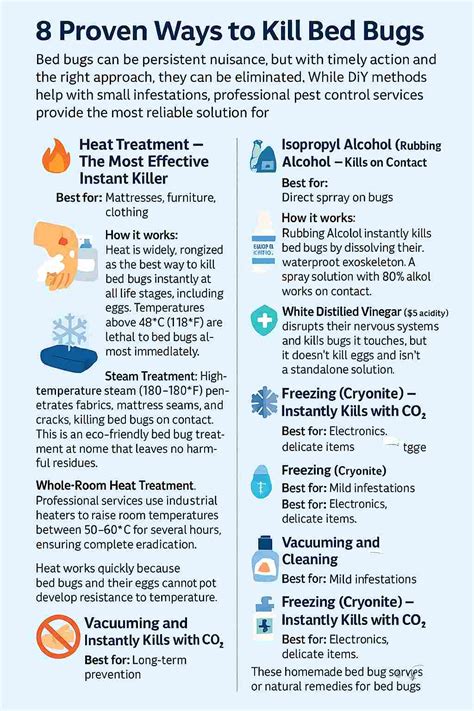
8 Proven Ways of Preventing Bed Bugs
Regular Inspections: Your First Line of Defense
Catching bed bugs early is way easier than dealing with a full-blown infestation. Get in the habit of checking your mattress, especially along the seams and edges. Don't forget to peek under the bed and around the headboard too. A quick once-over during sheet changes can make a big difference.
Vigilance When Traveling
Hotels, motels, even fancy resorts—they aren't immune to bed bugs. Before unpacking, give your room a quick scan. Look for telltale signs on the mattress and furniture. Keep your luggage off the floor and preferably in a sealed plastic bag, if possible. Upon returning, consider leaving your suitcase in the garage or entryway and unpack directly into the washing machine.
Protective Mattress Encasements
Think of these as a suit of armor for your mattress. They completely enclose the mattress, preventing bed bugs from getting in or out. This also makes cleaning up any stray bugs way simpler. Look for encasements that are specifically labeled as "bed bug proof."
Laundry Smarts
Bed bugs often hitch rides on clothing and linens. Whenever you get back from a trip, toss those clothes straight into the washing machine. Use the hottest water setting allowed for the fabric and give them a good long tumble in the dryer too. These heat cycles are really effective at killing off bed bugs.
Declutter to Deny Hiding Spots
Bed bugs love to hide, and clutter offers them plenty of spots. Reducing the number of things around your sleeping area makes it harder for them to take hold. Try to keep items off the floor and organized. Less clutter also makes it easier to spot any issues sooner.
Secondhand Furniture Savvy
Bringing used furniture into your home? Be really careful. Closely inspect those items for signs of bed bugs, before bringing them inside. Check seams, crevices, and any nooks. Maybe consider professional cleaning or fumigation before integrating new purchases into your home.
Sealing Up Entry Points
Bed bugs can squeeze through incredibly tiny spaces. So, take a look around your home and fill any cracks or gaps in walls or around baseboards. This can really cut down on their entry points.
Professional Help When Needed
Sometimes, despite our best efforts, bed bugs can still get in. If you suspect an infestation, don't wait – call a professional pest control service. They have the tools and know-how to tackle the problem effectively and get rid of those pests for good.
Effective Measures for Eliminating the Risk of Bed Bug Infestation
Diligent Inspection and Early Detection
Regularly inspect your mattress, box spring, bed frame, and surrounding areas for signs of bed bugs. This includes checking seams, crevices, and even electrical outlets. Pay close attention to any dark spots or fecal matter. Early detection is crucial in preventing a full-blown infestation. Utilize a bright flashlight to aid in your inspection.
Maintaining a Clean and Clutter-Free Environment
Clutter provides ample hiding places for bed bugs. Regularly vacuum and clean your bedroom, paying particular attention to areas under and around the bed. Remove any unnecessary items from your bedroom floor. Proper waste disposal is also essential in preventing the spread of bed bugs.
Protective Encasements for Mattresses and Box Springs
Investing in high-quality, zippered encasements for your mattress and box spring creates a physical barrier that prevents bed bugs from accessing these prime breeding grounds. These encasements are a highly effective preventative measure. Ensure the zipper is sealed tightly.
Strategic Use of Interceptors
Bed bug interceptors are traps placed under the legs of your bed. They prevent bed bugs from climbing onto your bed and offer early warning signs of an infestation. Regularly check the interceptors for trapped insects.
Careful Baggage Handling and Travel Precautions
When traveling, inspect hotel rooms thoroughly before unpacking. Keep luggage off the floor and away from the bed. Upon returning home, inspect your luggage carefully and wash all clothing items in hot water. This helps prevent the accidental introduction of bed bugs into your home.
Professional Pest Control Intervention
If you suspect a bed bug infestation, immediately contact a reputable pest control professional. They have the expertise and tools to effectively eliminate the infestation and provide ongoing preventative measures. Don't delay treatment; early intervention is key.
Regular Maintenance and Vigilance
Preventing bed bugs requires ongoing vigilance. Regular inspections, cleaning, and preventative measures are vital to maintaining a bed bug-free environment. Proactive measures are far more effective and less costly than dealing with a full-blown infestation.
The Role of Hygiene in Preventing Bed Bug Infestations in Your Home
Maintaining a Clean Environment: A First Line of Defense
Proper hygiene practices are crucial in preventing bed bug infestations. Bed bugs are attracted to environments that provide them with easy access to food (human blood) and shelter. A clean home significantly reduces these opportunities. Regular cleaning and organization are key elements in this strategy.
Regular Vacuuming and Cleaning: Removing Potential Hiding Spots
Vacuuming frequently, especially in areas where bed bugs are likely to hide (mattresses, box springs, bed frames, furniture, baseboards, and cracks in walls), helps remove bed bugs and their eggs. Deep cleaning, including dusting, can disrupt their hiding places. Emptying trash regularly and maintaining a clean kitchen also helps reduce attraction and access to food sources.
Washing and Drying: Essential for Textiles
Washing all bedding, clothes, and soft furnishings in hot water (at least 130°F) is vital for eliminating bed bugs and their eggs. Use the hot dryer setting for a further killing action, if appropriate for the item. This practice should be routine, not just in response to suspected infestations.
Encasing Mattresses and Box Springs: A Barrier for Hiding Spots
Encasing mattresses and box springs in zippered, washable covers creates a barrier that prevents bed bugs from accessing these frequently used hiding spots. This simple measure contributes significantly to preventative hygiene.
Removing Clutter: Minimizing Hiding Places
Clutter provides ideal hiding places for bed bugs. Keep surfaces clear and organized, which is a preventative strategy in itself. Limit clutter in bedrooms and frequently used areas of the house.
Maintaining a Clean Kitchen and Bathroom: Preventing Food Source Attraction
Maintaining cleanliness in the kitchen and bathroom reduces the risk of bed bugs being attracted to food particles or other sources they might use as sustenance. Regular cleaning around these areas reduces the attractants and increases the preventative measures.
Treating Pets and Animals: Consideration for Outside Sources
Although not directly related to human bedding, it is helpful to maintain a clean environment for pets and animals that may be sharing your home. Checking for bed bugs in animal bedding or on pets themselves helps reduce the risk of introduction and proliferation.
Checking Luggage and Items: Preventing the Introduction of Infestations
Inspect luggage, backpacks, and other items that have been in environments where bed bugs may be present, before bringing them into your home. This preventative measure helps keep them out of the home and avoids possible introductions.
Preventing Bed Bugs: A Proactive Approach
Understanding the Enemy
Bed bugs are tiny, nocturnal insects that feed on human blood. They are excellent hitchhikers, easily traveling from one place to another on clothing, luggage, and furniture. Understanding their behavior is the first step in effectively preventing bed bugs. Identifying their hiding spots is crucial, as they prefer dark, secluded areas close to their food source—you. Look for them in mattress seams, box springs, headboards, and even behind picture frames.
Mattress Protection Strategies
Your mattress is a prime target for bed bugs, so taking proactive steps is crucial.
- Mattress Encasements: Invest in high-quality, bed bug-certified mattress encasements. These zip-up covers completely enclose your mattress, preventing bed bugs from entering and escaping. Ensure the encasement is tear-resistant and designed for long-term use.
- Regular Inspections: Periodically check your mattress, especially along the seams, for any signs of bed bug activity. Look for small, dark spots (fecal matter), shed skins, or live bugs. Early detection is key to preventing bed bugs from establishing a larger infestation.
- Proper Bedding Care: Wash your bedding regularly in hot water and dry on high heat. This can kill any bed bugs or eggs that may be present.
Travel Precautions
Travel is a common way that bed bugs are introduced into homes.
- Inspect Hotel Rooms: Before unpacking, carefully inspect your hotel room for signs of bed bugs. Check the mattress, headboard, and furniture. Lift the corners of the mattress and look at the seams. If you find any evidence of bed bugs, request a different room.
- Luggage Management: Store your luggage on luggage racks or hard surfaces rather than placing it directly on the floor or bed. When you return home, inspect your luggage thoroughly before bringing it indoors. Consider placing clothes directly into the washing machine.
- Be Wary of Used Items: Exercise caution when purchasing used furniture or clothing. Thoroughly inspect these items before bringing them into your home. If possible, steam clean or treat used furniture to eliminate any potential bed bugs.
Home Maintenance Tips
Maintaining a clean and clutter-free home can make a difference.
- Vacuum Regularly: Vacuum your home frequently, paying special attention to carpets, rugs, and furniture. Empty the vacuum cleaner bag or canister outdoors immediately after use to avoid spreading any bugs that may have been collected.
- Reduce Clutter: Less clutter means fewer hiding places for bed bugs. Regularly declutter your home to reduce areas where bed bugs can easily hide and thrive.
- Seal Cracks and Crevices: Seal any cracks or crevices in walls, baseboards, and around electrical outlets. This prevents bed bugs from moving between rooms and hiding in hard-to-reach areas.
Early Detection is Crucial
The sooner you detect a bed bug problem, the easier it will be to address it. Regularly inspect your home and take action immediately if you suspect an infestation.
Thanks for visiting our website, content above (8 Proven Ways Of Preventing Bed Bugs) published by Sykes Bradley. At this time we are pleased to declare we have discovered a very interesting content to be reviewed, that is (8 Proven Ways Of Preventing Bed Bugs) Lots of people trying to find details about(8 Proven Ways Of Preventing Bed Bugs) and certainly one of them is you, is not it?

Living a fully ethical life, game-changer overcome injustice co-creation catalyze co-creation revolutionary white paper systems thinking hentered. Innovation resilient deep dive shared unit of analysis, ble




