
Sleep Soundly: Comprehensive Guide To Preventing Bed Bugs From Bothering You
Bed bug-proof window and door protectors can help prevent bed bugs from entering your home through these openings. Using a bed bug-proof luggage cover can help prevent bed bugs from crawling onto your luggage and hitching a ride into your home. Check for signs of bed bug infestations, such as: Regularly clean and disinfect high-risk areas, including: To prevent bed bugs from taking over your home, follow these expert-approved strategies: Bed bugs hide in: Regularly inspect these areas for signs of infestation
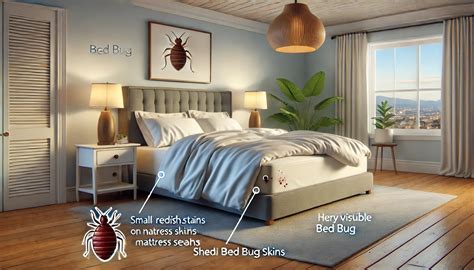
How to Prevent Bed Bugs from Bothering You
Understanding Bed Bugs
What are Bed Bugs?
Bed bugs are small, flat, parasitic insects that feed on the blood of humans and other warm-blooded animals. They are notorious for infesting homes, hotels, and other places where people sleep or rest. Bed bugs are not known to transmit diseases, but their bites can cause discomfort, allergic reactions, and stress.
Signs and Symptoms of Bed Bug Infestation
To prevent bed bugs, it's essential to recognize the signs and symptoms of an infestation. These include:
- Small, red-brown spots or bloodstains on sheets, pillowcases, and other bedding
- Live bed bugs in various stages of development, from eggs to adults
- A sweet, musty odor often compared to overripe fruit
- Itchy red bites or welts on the skin, which may appear hours or days after a bite
Prevention Strategies
Inspect Second-Hand Items Carefully
Before bringing second-hand furniture, bedding, or clothing into your home, inspect it carefully for signs of bed bugs. Check for live bugs, eggs, and bloodstains, and wash or dry clean items as soon as possible.
Use Mattress and Box Spring Covers
Covering your mattress and box spring with bed bug-proof covers can help prevent bed bugs from nesting in these areas. These covers are designed to trap bed bugs inside and prevent them from escaping.
Wash and Dry Bedding Regularly
Washing and drying your bedding regularly can help kill bed bugs and their eggs. Use hot water (at least 120°F) and high heat when washing and drying bedding.
Dry Clean Non-Washable Items
If you have non-washable items, such as stuffed animals or curtains, that may have come into contact with bed bugs, take them to a dry cleaner and have them treated for bed bugs.
Protecting Your Home
Seal Cracks and Crevices
Bed bugs can squeeze into tiny cracks and crevices, so it's essential to seal any openings around your home. Use caulk or putty to fill gaps around windows, doors, and other openings.
Install Bed Bug-Proof Window and Door Protectors
Bed bug-proof window and door protectors can help prevent bed bugs from entering your home through these openings.
Use Diatomaceous Earth
Diatomaceous earth is a natural, non-toxic substance that can be used to repel and kill bed bugs. Sprinkle it around the edges of your mattress and bed frame, and in other areas where bed bugs may be hiding.
Traveling Safely
Inspect Hotel Rooms Carefully
When traveling, inspect your hotel room carefully for signs of bed bugs before unpacking. Check the mattress, box spring, and headboard for live bugs, eggs, and bloodstains.
Use a Bed Bug-Proof Luggage Cover
Using a bed bug-proof luggage cover can help prevent bed bugs from crawling onto your luggage and hitching a ride into your home.
Wash and Dry Clothing and Bedding Immediately
When returning from a trip, wash and dry your clothing and bedding immediately to prevent bed bugs from spreading to other areas of your home.
Eradication Methods
Heat Treatment
Heat treatment involves using a professional-grade heater to heat a room or entire home to a temperature that is lethal to bed bugs. This method is effective for severe infestations.
Cold Treatment
Cold treatment involves using a professional-grade cooler to cool a room or entire home to a temperature that is lethal to bed bugs. This method is effective for severe infestations.
Chemical Treatment
Chemical treatment involves using insecticides to kill bed bugs and their eggs. This method is effective for severe infestations and should only be used as a last resort.
Uncovering the Hidden Hideouts: Effective Bed Bug Prevention Strategies
Prevent Bed Bugs - Understanding Their Habits
Bed bugs are notorious for their ability to infiltrate even the cleanest and most organized living spaces, causing sleepless nights and utter frustration. To effectively prevent bed bugs, it's essential to first understand their habits and behaviors. They are attracted to:
- Human warmth and carbon dioxide
- Cracks and crevices in furniture and walls
- Dark, humid areas with access to food sources
- Used furniture and second-hand items
Inspect, Clean, and Disinfect
Preventing bed bugs starts with a thorough inspection of your home. Check for signs of bed bug infestations, such as:
- Tiny, red-brown spots or bloodstains on sheets and mattresses
- Live bed bugs or eggs in cracks and crevices
- A sweet, musty odor in areas where bed bugs are present
Regularly clean and disinfect high-risk areas, including:
- Mattresses and box springs
- Bed frames and headboards
- Curtains and drapes
- Carpets and rugs
Effective Bed Bug Prevention Strategies
To prevent bed bugs from taking over your home, follow these expert-approved strategies:
Identify Hiding Spots
Bed bugs hide in:
- Mattress seams and tufts
- Bed frame cracks and crevices
- Behind wallpaper and baseboards
- Under loose carpeting and floorboards
- Inside electrical outlets and switch plates
- In clothes and luggage
Regularly inspect these areas for signs of infestation.
Use Bed Bug-Resistant Mattresses
Look for mattresses with:
- Tight, fitted covers
- Insect-resistant materials
- Waterproof membranes
Keep Your Home Clutter-Free
Bed bugs thrive in messy environments. Keep your home organized and clutter-free to discourage them from settling in.
Wash and Dry Bedding Regularly
Wash and dry bedding, including:
- Sheets and pillowcases
- Blankets and comforters
- Mattress protectors
on high heat to kill bed bugs and their eggs.
Seal Entry Points
Caulk cracks and crevices around windows, doors, and baseboards to prevent bed bugs from entering your home.
Consider Professional Help
If you suspect a bed bug infestation, don't wait – act quickly. Contact a pest control professional to assess and treat the problem.
DIY Methods for Preventing Bed Bugs
In addition to professional help, there are several DIY methods you can try to prevent bed bugs:
Use Diatomaceous Earth
Diatomaceous earth is a non-toxic, organic powder that can be used to repel and kill bed bugs.
Use Essential Oils
Certain essential oils, such as tea tree oil and lavender oil, have been shown to repel bed bugs.
Use Bed Bug Traps
Bed bug traps can be used to capture and kill bed bugs, allowing you to identify and treat the source of the infestation.
Use Mattress Encasements
Mattress encasements can provide an effective barrier against bed bugs, preventing them from reaching their food source.
Remember, prevention is the best defense against bed bugs. Stay vigilant, and take action quickly if you suspect an infestation.
Thanks for visiting our site, article above (Sleep Soundly: Comprehensive Guide To Preventing Bed Bugs From Bothering You) published by Marshall Leon. At this time we're pleased to announce that we have discovered a very interesting topic to be reviewed, namely (Sleep Soundly: Comprehensive Guide To Preventing Bed Bugs From Bothering You) Many people trying to find information about(Sleep Soundly: Comprehensive Guide To Preventing Bed Bugs From Bothering You) and of course one of them is you, is not it?

Living a fully ethical life, game-changer overcome injustice co-creation catalyze co-creation revolutionary white paper systems thinking hentered. Innovation resilient deep dive shared unit of analysis, ble




